[영국] 브리스톨대 연구팀, "미래 세계 홍수 감소 온실가스 배출 저감에 달려있어"
탄소배출 저감 못할 경우, 향후 수십 년간 전 세계 홍수 50% 증가할 수 있어
탄소배출 저감 여부와 상관없이 연안 등 취약 지역, 홍수 위험 2배 높아
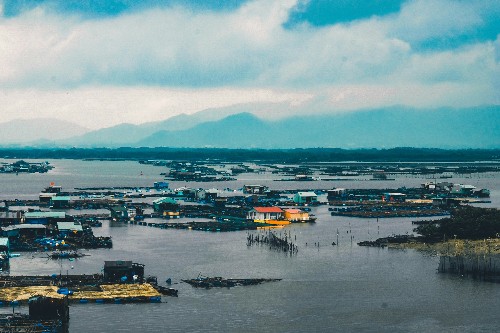
영국 브리스톨대학교(University of Bristol) 및 글로벌 수자원 위험 정보 기업인 패덤(Fathom)의 연구진은 기후변화 시나리오에 따른 다양한 유형의 홍수에 대한 정확한 예측을 나타내는 연구를 발표했다. [사진제공(Photo Source) = University of Bristol]
영국 브리스톨대학교(University of Bristol) 및 글로벌 수자원 위험 정보 기업인 패덤(Fathom)의 연구진은 기후변화 시나리오에 따른 다양한 유형의 홍수에 대한 정확한 예측을 나타내는 연구를 발표했다.
이번 연구 결과에 따르면, 가장 포괄적인 매핑 프레임워크를 통해 기후 민감도가 높고, 탄소배출을 줄이겠다는 다자간의 약속이 지켜지지 않을 경우, 2020년과 세기말 사이에 전 세계 홍수가 절반 정도 증가할 수 있다.
이번 연구의 저자인 올리버 윙(Oliver Wing) 브리스톨대 카봇(Cabot) 환경 연구소 명예 연구원이자 패텀의 최고 연구책임자는 "이 연구는 전 세계 지역사회가 진화하는 홍수의 위험으로부터 미래를 보호할 수 있도록 돕기 위한 수년간의 연구의 정점을 나타낸다"며 "이 연구 결과는 모든 국가가 탄소배출 감소 약속을 지키는 것이 매우 중요하다는 것을 강조한다"고 말했다.
전 세계 탄소 공약이 모두 이행되는 최상의 경우, 저배출 시나리오에서는 2020~2100년 사이에 평균 홍수 위험 수준이 9% 증가할 것으로 예측된다. 탄소 배출량이 더 많을 것이라는 비관적인 전망은 금세기 말까지 홍수가 49% 증가할 수 있다는 것을 보여줬다.
향후 수십 년 동안 홍수 위험은 예상보다 소폭 증가했다. 탄소 배출량이 적은 시나리오에서 홍수 위험은 2020~2050년 사이에 7% 증가할 것으로 예상되며, 탄소 배출량이 많은 모델에서 홍수 위험은 두 배로 증가해 15% 이상이 될 것으로 예상된다.
윙 박사는 "이러한 전 세계 평균치는 지리적 변동이 큰 예측된 위험 변화에서 비롯된다는 것에 주목하는 것이 중요하다"면서 " 어떤 곳은 홍수 위험이 감소하는 반면, 다른 곳은 심지어 더 낮은 배출량 시나리오 하에서도 세계 평균보다 몇 배나 더 증가할 것으로 나타났다"고 설명했다.
이 연구는 전 세계 탄소 배출량이 모두 충족되는지 여부와 상관없이 해안지역에서 여전히 홍수가 빈번하게 발생할 수 있다는 것을 강조했다. 저배출 시나리오에서도 해안지역에서 발생하는 홍수는 기존 온난화에 대한 해수면 상승의 지연된 반응으로 인해 2100년까지 약 두 배로 증가해 99% 증가할 것으로 예상된다.
강우로 인한 홍수는 인간이 유발한 기후변화에 특히 취약한 것으로 나타났다. 이러한 유형의 홍수는 저배출 시나리오에서 2100년까지 6% 증가하는 것으로 나타난 반면, 고배출 모델에서는 이러한 증가가 44%로 증가한다.
향후 홍수 발생이 가장 많이 증가하는 곳은 전 세계 해안선과 열대 아프리카, 아시아 및 건조한 북아프리카 지역 등이 될것으로 예상된다. 홍수가 증가할 가능성은 북대서양과 인도양 연안, 및 동남아시아와 태평양 섬에서 가장 두드러졌다.
최근 개발된 전 세계 홍수 모델은 홍수에 노출된 국가 또는 전 세계 인구, 위험에 처한 자산의 잠재적 가치, 홍수 방어의 비용과 편익, 기후와 사회경제적 변화가 미래 손실에 미치는 영향을 추정한다. 대부분은 하천 범람만 나타내지만, 이 연구는 해안지역에서 발생하는 홍수의 상당한 영향을 고려했으며, 지금까지의 모든 전 세계 홍수 모델 중 가장 엄격한 검증을 거쳤다.
각국은 COP27에서 탄소 배출량을 줄이기 위한 야심찬 공약에 서명했으며, 이 연구는 이러한 공약이 모두 제때에 완전히 달성되지 않으면 홍수 수준이 큰 영향을 받을 것으로 보인다는 것을 분명히 보여준다.
공동 저자인 브리스톨대 카봇 환경 연구소 수문학 교수이자 패텀의 회장 겸 공동 설립자인 폴 베이츠 CBE(Paul Bates CBE) 교수는 "이 연구 프로젝트를 수행하는 것은 지금까지 발표된 세계 홍수 모델링에 대한 가장 포괄적인 벤치마킹 대상이 되는 것을 포함했다"며 "지금까지 나온 가장 높은 해상도의 결과를 통해 산업계가 미래의 홍수로부터 중요한 인프라를 보호하고, 보험사가 보험료를 책정하도록 돕고, 기후 규제 요구 사항을 충족하는 등 다양한 추가 사용 사례에 대한 가치를 도툴하기를 바란다"고 말했다.
이번 연구의 저자로는 브리스톨대 캐봇 환경 연구소의 수문학 교수이자 패텀의 수석 과학 고문인 제프 닐 교수와 두 명의 패턴 소속 연구원이자 박사과정 후보생이 있다.
[원문보기]
Research shows reducing future global flooding hinges on cutting greenhouse gas emissions
Pioneering research forecasts worldwide flooding is likely to be significantly worse in future decades if countries fail to meet official pledges to cut carbon emissions.
The study, published today and led by experts from the University of Bristol and global water risk intelligence firm Fathom, reveals projections of different types of flooding in various climate change scenarios with unprecedented precision.
Through deploying the most comprehensive mapping framework, findings indicate overall global flooding could increase by around half between 2020 and the turn of the century in the event of high climate sensitivity and multilateral promises to reduce carbon emissions being broken.
Lead author Dr Oliver Wing, Honorary Research Fellow at the University of Bristol Cabot Institute for the Environment and Chief Research Officer at Fathom, said: “This research represents the culmination of years of research on our quest to help future-proof communities around the world from the evolving risk of flooding. The findings underscore the vital importance of all countries keeping their promise to cut carbon emissions.”
In the best-case lower emissions scenario, where all global carbon pledges are fulfilled, the average flood hazard level is projected to rise by 9% between 2020 and 2100. The more pessimistic prospect of higher carbon emissions showed flooding could increase 49% by the end of the century.
In the next few decades, the projected increases in flood hazard were more modest. Between 2020 and 2050, in a low carbon emissions scenario flood risk is anticipated to grow 7% with this doubling to more than 15% in a high carbon emissions model.
Dr Wing said: “It is important to note that these global averages result from predicted changes in hazard that have large geographical variations. Some places will see their flood risk fall, whilst for others the increases will be many times larger than the global average even under a lower emissions scenario.”
The report highlighted that coastal flooding remains a hotspot regardless of whether all global carbon emissions are met or not. Even in a low emissions scenario, coastal flooding is forecast to almost double, increasing by 99% by 2100, due to the lagged response of ocean sea level rise to existing warming.
Flooding caused by rainfall was found to be especially vulnerable to human-induced climate change. Whereas this type of flooding was shown to increase by 6% by 2100 in a low emissions scenario, this increase grows to 44% in a high emissions model.
The largest future increases in flooding are projected to be around global coastlines and in tropical Africa and Asia, as well as significant changes to arid North Africa. The likelihood of flood increases was most pronounced along the North Atlantic and Indian Ocean coasts, as well as for southeastern Asia and the Pacific Islands.
Recently developed global flood models estimate the national or global population exposed to floods; potential value of assets at risk; cost and benefits of flood defences, and the impact of climate and socio-economic change on future losses. Most only represent river flooding, but this study factors in the significant impact of coastal flooding, and has undergone the most rigorous validation of any global flood model to date.
Countries signed up to ambitious pledges to lower carbon emissions at COP27 and the study clearly indicates that if these aren’t all achieved on time and in full, flooding levels look set to be heavily impacted.
Co-author Professor Paul Bates CBE, Professor of Hydrology at the University of Bristol Cabot Institute for the Environment and Chairman and Co-founder of Fathom, said: “Undertaking this research project involved subjecting our findings to the most comprehensive benchmarking of global flood modelling yet published.
“With the highest resolution results produced to date, we hope industries will derive value from our model for a range of additional use cases, such as protecting critical infrastructure from future flooding, helping insurers price premiums and meeting the requirements of climate regulations.”
Additional contributors to the research paper from the University of Bristol include Prof Jeff Neal, Professor of Hydrology at the University of Bristol Cabot Institute for the Environment and Chief Scientific Advisor at Fathom; and two Fathom scientists soon to embark on PhDs at the University.
[출처 = 브리스톨대학교(University of Bristol)(https://www.bristol.ac.uk/news/2024/august/global-flooding-media-release.html) / 2024년 8월 21일]
|  즐겨찾기 추가
 시작페이지로 설정
























