[영국] “영국 대다수 수도회사, ‘AMP8’ 앞두고 비용 압박 직면”
비즈니스 AI 분야 글로벌 리더인 독일 SAP, 영국·웨일즈 50개 수도회사 설문조사 결과 발표
영국의 수도회사들, AMP8 규제 요구사항 및 고객 수요 충족시키기 위한 서비스 제공 혁신하는 데 어려움 겪어
인플레이션 증가·수도 공급망 문제·생활비 상승 배경 등 경영에 어려움에 처해
34%가 어려운 비용 압박 직면…원인은 41%가 ‘디지털 인프라 부족’ ·31%는 200년 된 수도망 개선 시도에서 문제 발생
수도회사들 AMP8 준비하면서 94%가 “상당한 투자 증가 필요” 응답

엔터프라이즈 애플리케이션 및 비즈니스 AI 분야의 글로벌 리더인 독일의 SAP가 영국과 웨일즈 전역의 수도회사 리더 50명을 대상으로 실시한 설문 조사에서 ‘제8차 자산관리 계획 주기(AMP8)’를 준비하면서 경제적 압박이 계속 커지면서 수도사업자는 임박한 규제 요구사항을 충족하고 고객 수요를 충족하기 위해 서비스 제공을 혁신하는 데 어려움을 겪고 있는 것으로 나타났다. [사진출처(Photo source) = SAP]
영국과 웨일즈 전역의 수도회사 리더 중 3분의 1(34%) 이상이 어려운 비용 압박에 직면해 있으며, 거의 5분의 1(18%)이 ‘제8차 자산관리 계획 주기(Asset Management Plan cycle8, AMP8)’ 제출 마감일이 다가오면서 예산 제약을 ‘예측할 수 없다’고 설명했다.
엔터프라이즈 애플리케이션 및 비즈니스 AI 분야의 글로벌 리더인 독일의 SAP가 영국과 웨일즈 전역의 수도회사 리더 50명을 대상으로 실시한 설문 조사에서 ‘제8차 자산관리 계획 주기(AMP8)’를 준비하면서 업계가 직면한 몇 가지 주요 과제를 강조했다.
이 조사에 따르면, 경제적 압박이 계속 커지면서 수도사업자는 임박한 규제 요구사항및 고객 수요를 모두 충족시키기 위한 서비스 제공을 혁신하는 데 어려움을 겪고 있는 것으로 나타났다.
41%가 넘는 리더들은 이러한 압박이 디지털 인프라(digital infrastructure) 부족으로 인해 발생한다고 믿는 반면, 거의 3분의 1(31%)은 200년 된 수도망(water network)을 업그레이드하려는 시도에서 문제가 발생한다고 응답했다.
업계 여론이 약화됨에 따라 수도회사는 국가의 수도망을 이해하고 효율적으로 운영하며 서비스 운영 방식을 최적화하기 위해 디지털 도입을 가속화해야 한다.
AMP8 준비
인플레이션 증가, 수도 공급망 문제, 생활비 상승이라는 배경 속에서 영국의 수도회사들은 AMP8(제8차 자산관리 계획 주기)을 위해 지출 계획을 수도서비스 규제청인 오프왓(OFWAT)에 제출하거나, 평판 손상 및 상당한 재정적 불이익을 감수할 준비를 하고 있다. 그럼에도 불구하고, SAP의 연구는 수도회사 대표들이 오프왓의 요구사항을 충족하려면 상당한 진전이 있어야 한다는 것을 이해하고 있음을 보여준다.
기업들이 이를 준수하려고 할 때 비용 압박의 증가는 주요 장애물이며, 리더의 94%는 투자가 상당히 증가할 필요가 있거나 고객의 요구를 충족시키기 위해 인프라를 전환할 수 없을 것이라고 믿고 있다. 이러한 부담은 소규모 기업에 특히 심각하며, 직원 수 500명에서 1천999명 사이의 수도회사의 경우 96%까지 증가한다.
이는 외부 지원에 대한 수요 증가로 이어지는데, 리더의 약 4분의 1(22%)이 서비스를 정상 궤도에 유지하고 비즈니스를 효율적으로 운영하기 위해 제3자 파트너에게 ‘매우 의존할 것’이라고 응답했다.
이로 인해 리더의 10분의 1(8%)이 자사가 오프왓(OFWAT)이 정한 KPIs(핵심성과지표들)와 목표를 달성하기 위해 고군분투할 것이라고 믿고 있다. 따라서 이러한 비용 압박을 완화하면 기업이 규정을 준수하도록 지원할 뿐만 아니라 리더는 현재 경제 환경에서 대다수가 감당할 수 없는 상당한 재정적 불이익을 피할 수 있다고 보고있다.
SAP UK&I의 에너지 및 이산산업 책임자인 그렉 모일(Greg Moyle)은 “수도산업은 현재 AMP8에 대한 규제 목표를 충족하는 데 상당한 어려움에 직면해 있다. 높은 서비스 품질을 유지하는 것이 매우 중요하며, 영국의 수도망 운영 전략을 재평가하고 개선해야 할 시급한 필요성이 있다”고 강조했다.
노후화된 디지털 인프라와의 싸움
SAP의 설문조사에 따르면, 거시경제적 압박과 함께 디지털 인프라 부족으로 인해 서비스 제공을 위한 중요한 개선을 시행하는 수도산업의 능력에 영향을 미치고 있다.
5명 중 1명(20%)의 리더만이 ‘조직이 현재 데이터를 효과적으로 사용하여 수도 인프라를 관리하고 통찰력을 얻고 있다’고 강력히 동의했다. 소규모와 대규모 기업 간에 디지털 격차가 있으며, 대기업에 근무하는 사람의 거의 절반(42%)이 동의하는 반면, 소규모 운영자에 근무하는 사람은 8%에 불과했다.
디지털 도구(digital tools)가 부족한 것은 리더가 변화를 시행할 수 없는 공통 분모이다.
· 55%는 물 수요와 소비를 이해하는 데 필요한 모니터링 기능이 없다고 응답했다.
· 45%는 수도관 인프라에 대한 완전한 그림을 가지고 있지 않다.
· 43%는 수도망의 환경 배출에 대한 완전한 데이터 수집(data capture)을 가지고 있지 않다.
· 30%는 하수망(sewage network)에 대한 완전한 그림을 가지고 있지 않다.
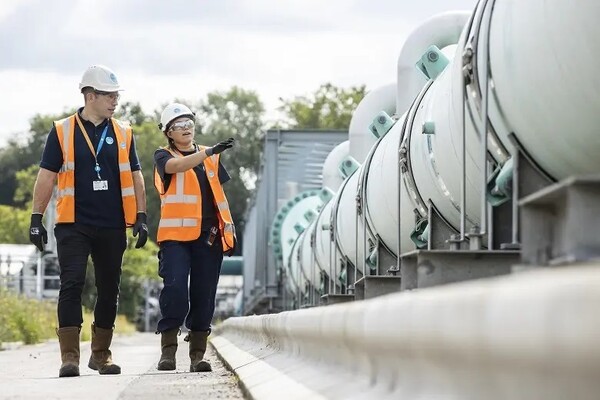
영국의 수도회사들은 인플레이션 증가·수도 공급망 문제·생활비 상승 배경 속에서 어려움에 직면한 것으로 나타났다. [사진출처(Photo source) = 템즈 워터(Thames Water)]
SAP UK&I의 물 유틸리티 사업 설계자인 하멘드라 굽타(Hamendra Gupta)는 “수도망에 대한 가시성이 부족하면 업계가 핵심 인프라 문제를 이해하고 해결하는 능력이 저하된다”라면서 “디지털 도구와 실시간 통찰력을 도입하는 것은 서비스 제공의 장기적 개선을 추진하기 위한 비즈니스 혁신의 핵심이다”라고 강조했다.
디지털 백본(digital backbone)이 없음에도 불구하고 리더들은 인공지능(AI)과 같은 기존 및 신기술이 서비스 제공에 미칠 영향에 대해 긍정적인 입장을 유지하고 있다.
88%는 AI가 수도서비스 제공의 미래를 형성하고 누수, 유출을 해결하고 사용을 최적화하는 데 도움이 될 것이라고 믿는 반면, 40%는 초기 AI 구현이 이미 긍정적인 결과를 낳고 투자 수익을 입증하고 있다고 말한다.
그러나 이 산업은 디지털 도입에 대한 상당한 장벽에 계속 직면하고 있으며, 그 결과 의도와 구현 간에 상당한 격차가 존재하는 것으로 이번 설문조사 결과 나타났다. 절반 이상(52%)의 리더는 AI 의사 결정에 영향을 미치는 사일로(silos)를 피하기 위해 ERP(전사적 자원관리, Enterprise Resource Planning) 변환이 먼저 이루어져야 한다고 제안하는 반면, 48%는 AI가 노후화된 인프라를 어떻게 개선할 수 있는지 이해하는 데 도움이 필요하다고 응답했다.
인재 확보도 여전히 걸림돌로 남아 있으며, 3분의 2(66%)는 네트워크 전반에 AI를 효과적으로 구현하는 데 필요한 기술과 인재가 부족한 것으로 나나났다.
[원문보기]
Majority of water companies face ‘challenging and unpredictable’ cost pressures ahead of AMP8
SAP research finds a lack of digital tools is impeding ability to offset regulatory and economic pressures as public sentiment stagnates
London, UK - 20 August, 2024 - More than a third (34%) of leaders from water companies across England and Wales are facing ‘challenging’ cost pressures, while almost a fifth (18%) describe budget constraints as ‘unpredictable’ as the next asset management deadline looms.
In a survey of 50 leaders from water companies across England and Wales, SAP highlights some of the key challenges facing the industry as it prepares for the eighth Asset Management Plan cycle (AMP8).
The research has found that as economic pressures continue to build, water operators are struggling to meet the impending regulatory requirements and transform service delivery to meet customer demand.
Over 41% of leaders believe these pressures are caused by a lack of digital infrastructure, while almost a third (31%) report challenges are the result of attempts to upgrade 200-year-old water networks.
As public opinion in the industry wanes, water companies must accelerate digital adoption to understand the nation’s water network, operate efficiently and optimise the way services are run.
Preparing for AMP8
Against a backdrop of growing inflation, supply chain challenges and a rising cost-of-living, water companies are preparing to submit their spending plans to the Water Services Regulation Authority (OFWAT) for AMP8 or risk reputational damage and significant financial penalties. Despite this, SAP’s research shows leaders understand significant progress needs to be made if they are to meet the regulator’s requirements.
Rising cost pressures are a key obstacle as companies look to comply, with 94% of leaders believing investment will need to increase considerably or they will be unable to transform their infrastructure to meet customer needs. This burden is particularly acute for smaller businesses, rising to 96% for water companies with between 500 - 1,999 employees.
This is translating into greater demand for external support, with almost a quarter (22%) of leaders reporting they will be ‘very reliant’ upon third-party partners to keep their services on track and business running efficiently.
This is leading to almost a tenth (8%) of leaders believing their company will struggle to meet the KPIs and objectives established by OFWAT. Alleviating these cost pressures will therefore not only support businesses in complying with the regulation, but allow leaders to avoid significant financial penalties that the majority can ill-afford in the current economic climate.
“The water industry is currently facing significant challenges in meeting the regulatory targets set for AMP8. Maintaining high service quality is crucial, and there is a pressing need to reevaluate and enhance the operational strategies of the UK’s water network,” said Greg Moyle, Head of Energy and Discrete Industries at SAP UK&I.
Battling ageing digital infrastructure
SAP’s survey also reveals that alongside macro-economic pressures, a lack of digital infrastructure is impacting the industry’s ability to enact crucial improvements to service delivery.
Just 1-in-5 (20%) leaders strongly agree that their organisation is currently using data effectively to manage and gain insights from water infrastructure. There is a digital divide among smaller and larger businesses, with almost half (42%) of those employed at larger companies agreeing, compared to just 8% of those employed at smaller operators.
A lack of digital tools is the common denominator for leaders being unable to enact change:
· 55% report they do not have the monitoring capabilities needed to understand water demands and consumption.
· 45% do not have a complete picture of their pipeline infrastructure.
· 43% do not have a complete data capture of the environmental emissions of their water network.
· 30% do not have a complete picture of their sewage network.
“Lack of visibility into the water network hinders the industry’s ability to understand and address key infrastructure issues. Adopting digital tools and real-time insights are key for business transformation to drive long-term improvements in service delivery,” said Hamendra Gupta, Business Architect for Water Utilities at SAP UK&I.
Despite the absence of a digital backbone, leaders remain positive about the impact existing and emerging technologies such as artificial intelligence (AI) will have on service delivery.
88% believe AI will shape the future of water service delivery and help to address leaks, spillages and optimise usage, while 40% say initial AI implementation is already generating positive results and demonstrating return on investment.
But, the industry continues to face significant barriers to digital adoption and a substantial gap between intention and implementation exists as a result. Over half (52%) of leaders suggest ERP transformation must come first to avoid silos affecting AI decision-making, while 48% require help in understanding how AI can enhance their ageing infrastructure.
An inability to source and acquire talent also remains a roadblock, with two thirds (66%) lacking the skills and talent needed to implement AI effectively across the network.
[출처 = SAP(https://news.sap.com/uk/2024/08/majority-of-water-companies-face-challenging-and-unpredictable-cost-pressures-ahead-of-amp8/) / 2024년 8월 20일]
|  즐겨찾기 추가
 시작페이지로 설정
























