[영구] 영국 서리대, 가정 내 물낭비 주요 원인으로 샴푸 사용 습관 지목
독일 319가구 샤워 습관 분석…가정 물사용량 최대 45% 차지
샴푸 1회 사용 및 거품 내며 물 틀어두는 습관이 샤워 시간 크게 늘려
물 절약, 기술·가격보다 습관이 먼저…샴푸 1회 사용·거품 낼 때 단수가 효과적
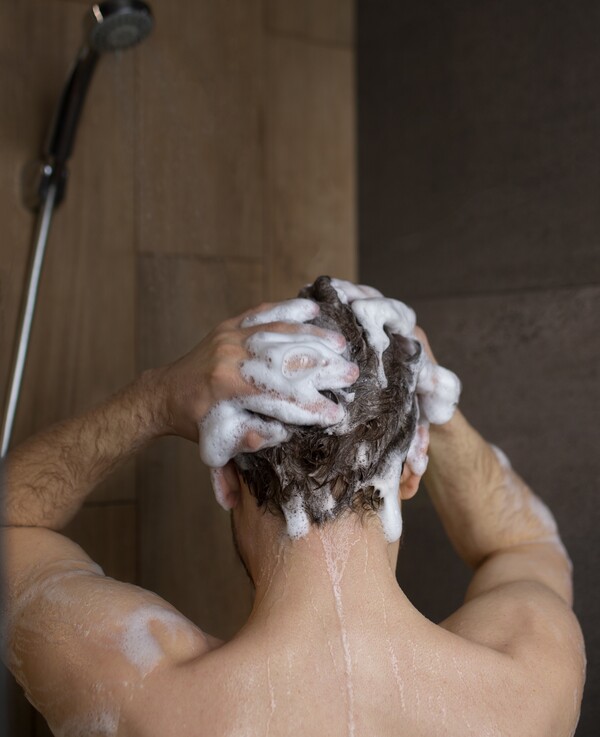
영국 서리대학교(University of Surrey)의 새로운 연구에 따르면, 샴푸를 사용하거나 씻는 동안 물을 잠시 멈추는 등의 일상적인 샤워 습관이 물 낭비를 증가시키는 것으로 나타났다. [사진출처(Photo Source) = Magnific]
영국 서리대학교(University of Surrey) 연구팀은 샤워 중 샴푸를 여러 번 사용하거나 거품을 내는 동안 물을 틀어두는 습관이 물 낭비를 크게 증가시킨다는 사실을 확인했다.
이번 연구는 『환경 관리 저널(Journal of Environmental Management)』에 발표됐으며, 샤워가 가정 내 실내 물사용량의 25~45%를 차지해 가장 큰 비중을 차지한다는 점을 강조했다. 기존 정책은 주로 효율적인 샤워기나 가격 정책과 같은 기술적 접근에 집중했지만, 실제 샤워 습관에 대한 이해는 부족했다.
연구 결과는 성별, 가구 규모, 주택 유형과 같은 요인보다 샤워 중 습관과 제품 사용이 샤워 시간을 결정하는 데 훨씬 더 큰 영향을 미친다는 것을 보여준다.
연구진은 독일의 319가구에 스마트 센서를 설치해 샤워 습관을 분석했다. 40일 동안 총 8천550회의 샤워 데이터를 수집했으며, 이를 통해 샤워 시간, 물사용 중단, 환경 조건 등을 기록하고, 샤워 직후 설문조사와 결합해 인구통계, 제품 사용, 모발 특성과 연결했다.
파블로 페레이라 도엘(Pablo Pereira Doel) 서리대의 휴먼 인사이트 랩 공동 소장이자 지속가능성 연구소 연구원은 "누가, 어디에 사는지가 아니라 샤워 중 실제로 무엇을 하는지가 물사용량에 가장 큰 영향을 미친다"며 샴푸를 두 번 바르거나 거품을 내는 동안 물을 계속 틀어두는 작은 습관이 사람들이 생각하는 것보다 훨씬 더 샤워 시간을 늘릴 수 있다고 설명했다.
분석 결과에 따르면, 샴푸를 두 번 이상 사용하는 샤워는 한 번만 사용하는 경우보다 평균적으로 약 27% 더 길었다. 또한 샤워 중 세 번 이상 멈춘 경우는 물을 전혀 멈추지 않은 샤워보다 약 20% 더 길었으며, 한 번만 멈춘 경우와 비교했을 때는 약 28% 더 길었다. 아울러, 연령대별로는 젊은층과 중년층이 50세 이상보다 샤워 시간을 더 길게 갖는 경향이 확인됐다.
물의 경도 또한 영향을 미쳤다. 연수 지역에서의 샤워는 경수 지역보다 약 23% 더 길었는데, 이는 연수가 더 풍성한 거품을 만들어내고 더 쾌적한 샤워 경험을 제공해 사람들이 샤워를 오래 하도록 유도했기 때문일 가능성이 있다.
연구진은 이러한 통찰이 물사용량을 줄이기 위한 더욱 효과적인 전략을 설계하는 데 도움이 될 수 있다고 주장한다. 기술이나 가격에만 초점을 맞추기보다는, 샴푸를 한 번만 사용하도록 권장하거나 거품을 내는 동안 물을 잠그도록 유도하는 등 샤워 중 행동 변화에 초점을 맞춘 개입이 더 큰 효과를 낼 수 있다는 것이다.
도엘 연구원은 "가정 내 물소비량을 줄이고 싶다면 사람들의 습관을 거스르기보다는 습관에 맞춰 작동하는 해결책을 설계해야 한다"며 "행동을 유도하는 작은 장치나 스마트한 피드백 장치, 개선된 제품 디자인은 사람들의 편안함을 해치지 않으면서 물사용을 줄이는 데 중요한 역할을 할 수 있다"고 강조했다.
[원문보기]
Your shampoo routine could be driving household water waste, according to new study
Everyday shower habits, such as applying shampoo or pausing the water while washing, are driving up water waste, argues a new study from the University of Surrey.
Published in the Journal of Environmental Management, researchers found that showers account for between 25% and 45% of indoor household water use, making them the single largest contributor to domestic water consumption. Yet policies aimed at reducing water demand focus on technology, such as efficient showerheads or pricing mechanisms, rather than understanding behaviour inside the shower itself.
The findings show that instead of factors such as gender, household size or home type, in-shower routines and product use play a far greater role in determining shower length.
Researchers analysed shower behaviour in 319 German households using smart sensors installed in bathrooms. Over 40 days, the devices recorded 8,550 shower events, capturing duration, water pauses and environmental conditions. These data were then combined with time-stamped post-shower surveys to link observed behaviour with information on demographics, product use and hair characteristics.
Dr Pablo Pereira Doel, "Human Insight Lab co-director; Fellow at the Institute for Sustainability; Visiting Fellow, Center for Tourism Research at Wakayama University (Japan) said: It turns out the biggest drivers of water use are not who you are or where you live. What matters most is what you actually do in the shower. Small routines such as applying shampoo twice or letting the water run while lathering can extend shower time far more than people realise."
The analysis showed that showers involving two or more shampoo applications were around 27% longer than those with a single application. Similarly, showers with three or more pauses in water flow were around 20% longer than those with no pauses (and 28% longer than those with a single pause). Younger and middle-aged adults also tended to shower longer than people over 50.
Water hardness also played a role. Showers in areas with softer water lasted about 23% longer than those in hard water regions, possibly because softer water produces richer lather and a more comfortable experience, encouraging people to linger.
The researchers argue that these insights could help design more effective strategies to reduce water use. Instead of focusing solely on technology or pricing, interventions could target behaviour during showers, such as encouraging single shampoo applications or prompting users to turn off water while lathering.
Dr Pablo Pereira Doel, Human Insight Lab co-director; Fellow at the Institute for Sustainability; Visiting Fellow, Center for Tourism Research at Wakayama University (Japan) said: "If we want to reduce household water consumption, we need to design solutions that work with people’s habits rather than against them. Behavioural nudges, smarter feedback devices and better product design could all play a role in helping people use less water without sacrificing comfort."
[출처 = 영국 서리대학교(University of Surrey)(https://www.surrey.ac.uk/news/your-shampoo-routine-could-be-driving-household-water-waste-according-new-study)/ 2026년 7월 30일]
|  즐겨찾기 추가
 시작페이지로 설정
























