[미국] 캐롤로 엔지니어링, 하수 소독관리에 머신러닝(ML) 전면 적용 주도
캐롤로, ‘WRF 프로젝트 5385’에 엑스터 앤 어소시에이츠·LACSD 등과 공동 참여
WRF 프로젝트, ML 기반 염소처리 제어 시험 및 미국 전역 물재이용 시설 위한 프레임워크 개발 계획
다른 수도시설들도 자체 시설에 맞게 적용할 수 있는 실질적인 실행 지침도 마련 예정
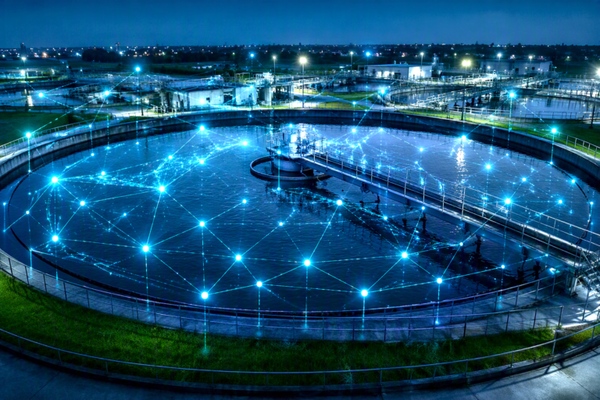
미국 캐롤로엔지니어링(Carollo Engineers)이 주도하고, 엑스터 앤 어소시에이츠(Ekster & Associates)와 로스앤젤레스 카운티 위생구역(LACSD)이 공동 연구자로 참여한 ‘WRF 프로젝트 5385’, 머신런닝과 매출 감소의 만남(Machine Learning meets Dissales) : 준수 및 비용 절감을 위한 전면 하수 염소처리 제어, 물재이용 시설(WRP)에서 전면 규모의 ML 기반 소독관리 프레임워크를 시연하고 평가할 예정이다. 사진은 새로운 머신러닝을 사용한 하수처리장 사진. [사진출처(Photo source) = 캐롤로엔지니어링(Carollo Engineers)]
미국 덴버에 있는 비영리 재단인 물연구재단(Water Research Foundation, WRF)의 새로운 연구는 실시간 머신러닝(machine learning, ML)이 하수처리 시설의 소독 화학물질 투입을 최적화하여 규정 준수를 개선하고 운영비용을 절감하는 데 어떻게 도움이 되는지 평가할 예정이다.
미국 캘리포니아에 소재한 캐롤로엔지니어링(Carollo Engineers)이 주도하고, 엑스터 앤 어소시에이츠(Ekster & Associates)와 로스앤젤레스 카운티 위생구역(Los Angeles County Sanitation Districts, LACSD)이 공동 연구자로 참여한 ‘WRF 프로젝트 5385’, 머신런닝(기계학습)과 비용절감의 만남(Machine Learning meets Dissales) : 준수 및 비용 절감을 위한 전면 하수 염소처리 제어, 물재이용 시설(Water Reclamation Plant , WRP)에서 전면 규모의 ML 기반 소독 관리 프레임워크를 시연하고 평가할 예정이다.
이 연구는 또한 다른 수도시설들도 자체 시설에 맞게 적용할 수 있는 실질적인 실행 지침도 마련할 예정이다. 이 프로젝트는 ‘WRF 프로젝트 5148’인 ‘저산소 질소 제거를 통한 물재이용 시설의 폭기 에너지 전환(Transforming Aeration Energy in Water Resource Recovery Facilities through Suboxic Nitrogen Removal)’ 연구를 기반으로 한다.
연구팀은 LACSD 포모나 물재이용 시설(Pomona Water Reclamation Plant, POWRP)에서 ML 기반 산소 조절을 성공적으로 구현하여 첨단 제어 전략이 복잡한 하수처리 공정에서 성능을 향상시킬 수 있음을 입증했다.
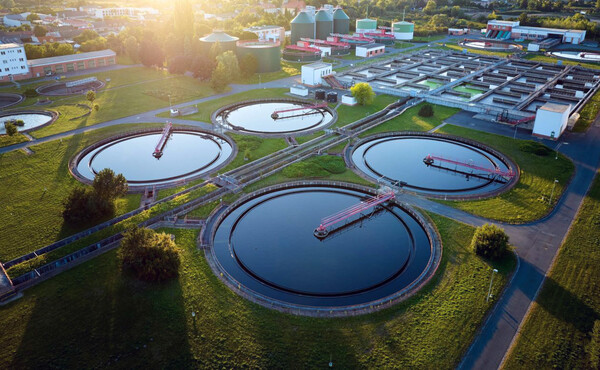
미국 물연구재단(WRF)의 새로운 연구는 실시간 머신러닝(ML)이 하수처리 시설의 소독 화학물질 투입을 최적화하여 규정 준수를 개선하고 운영비용을 절감하는 데 어떻게 도움이 되는지 평가할 예정이다. 사진은 LACSD 포모나 물재이용 시설(POWRP). [사진출처(Photo source) = 로스앤젤레스 카운티 위생구역(LACSD)]
이 연구는 송풍기 에너지(Blower energy) 소비가 57% 감소하고, 질산염을 크게 줄이며, 염소처리(chloramination)에 대한 화학적 비용 절감을 가져왔다.
이번 새로운 시도는 하수 소독 분야에도 이 접근법을 확장해, 운영자들이 규제 준수, 변화하는 설비 조건, 화학물질 비용 관리를 지속적으로 조율해야 하는 상황에 대응할 계획이다.
많은 화학 소독 시스템은 현재 조건에 반응하는 기존의 피드백 제어 루프(feedback control loops)에 의존하지만, 유량, 소독제 수요, 수질의 급격한 변화를 예측할 수 없다. 그 결과, 시설들은 준수를 위해 보수적인 화학 투여 마진을 유지하는 경우가 많으며, 이는 운영비용과 화학물질 소비를 증가시킬 수 있다.
이 프로젝트는 ML 기반 예측 제어가 공정 변화를 예측하고 실시간으로 용량을 조정하면서 운영 신뢰성과 규제 성능을 유지함으로써 균형을 개선할 수 있는지 평가한다.
캘리포니아 재이용수 규정(California Recycled Water Regulations)은 최소 소독제 농도와 접촉 시간(CT) 값을 450mg-min/L(CT450)로 유지하도록 요구한다. LACSD 포모나 물재이용 시설(POWRP)의 과거 운영 데이터는 이 시설이 다양한 조건에서 준수 마진을 유지하기 위해 일반적으로 상당히 높은 CT값을 유지해왔음을 보여준다.
이 프로젝트는 시범 시설에서 연간 8만 달러(1억1천432만 원)의 화학물질 절감과 LACSD 시스템 전반에 적용될 것으로 예상되는 낮은 최적화된 CT 운영을 위한 단계적 경로를 평가할 예정이다.
연구 동안 팀은 향후 2년간 △유량 변동성과 소독제 분해를 포함한 주요 공정 요인에 대한 예측 머신러닝 모델을 개발 △차아염소산나트륨과 암모니아 투입을 위한 제어 로직 통합 △실시간 모니터링과 폐쇄 루프 제어 시스템 운영을 지원하기 위해 필요한 추가 온라인 계측 장비를 배치 △적절한 사이버 보안 보호 조치를 활용해 제어 프레임워크를 플랜트 SCADA(집중 원격감시 제어) 시스템과 통합 △연산자 지도 자동 제어로 전환하기 전에 섀도 모드(Shadow Mode)에서 성능을 검증 △실제 운전 조건에서 전면적인 시험 수행 등을 한다.
이 연구의 책임연구원이자 캐롤로엔지니어링의 동부지역 하수 책임자인 나탈리 비치(Natalie Beach) 박사는 “준수가 걸려 있을 때는 보수적인 용량 조절이 합리적이다. 이 프로젝트는 머신러닝이 변화하는 조건을 더 잘 예측하고 실시간으로 안전하게 소독 투여량을 조정할 수 있는지 평가하는 것으로, 단계적 접근법을 통해 운영자가 직접 제어로 전환하기 전에 신뢰를 쌓을 수 있도록 한다”고 말했다.
나탈리 비치 박사는 특히 “궁극적으로 이 이니셔티브의 주요 목표는 머신러닝이 우리 연구팀이 포모나 수자원 회수 공장의 생물학적 영양분 제거 과정을 최적화하고 자동화하는 데 머신러닝을 적용했을 때 이룬 것과 유사한 운영 효율성과 비용 절감을 제공할 수 있는지 확인하는 것”이라고 강조했다.
프로젝트가 완료되면, 실행 시 고려사항과 주요 교훈, 그리고 고도 소독 제어 전략을 검토하는 공공시설에 실질적인 지침을 담은 최종 보고서를 발표할 예정이다. 연구 결과는 기술 웨비나(Technical Webinar), 팩트 시트(Fact Sheet), 학회 발표(Conference Presentation) 등 WRF의 다양한 소통 채널을 통해서도 공유될 예정이다.
[원문보기]
Carollo Engineers to lead full-scale application of machine learning to wastewater disinfection control
The Water Research Foundation project will test ML-based chloramination control and develop a framework for water reclamation plants nationwide
WALNUT CREEK, Calif., Aug. 4, 2026 - A new study from The Water Research Foundation (WRF) will evaluate how real-time machine learning (ML) can help wastewater utilities optimize disinfection chemical dosing to improve compliance and lower operating costs.
Led by Carollo Engineers, with Ekster & Associates and the Los Angeles County Sanitation Districts (LACSD) as co-investigators, WRF project 5385, Machine Learning Meets Disinfection: Full-Scale Wastewater Chloramination Control for Compliance and Cost Savings, will demonstrate and evaluate a full-scale ML-based disinfection control framework at a water reclamation plant (WRP). The research will also develop practical implementation guidance that other utilities can adapt to their own facilities.
The project builds on the prior work under WRF project 5148, Transforming Aeration Energy in Water Resource Recovery Facilities through Suboxic Nitrogen Removal, where the research team successfully implemented ML-based aeration control at LACSD’s Pomona Water Reclamation Plant (POWRP), demonstrating how advanced control strategies can improve performance in complex wastewater treatment processes. The work resulted in a 57% drop in blower energy consumption, significant nitrate?reduction, and chemical cost savings for chloramination.
This new effort extends that approach to wastewater disinfection, where operators must continuously balance regulatory compliance, changing plant conditions, and chemical cost management.
Many chemical disinfection systems rely on conventional feedback control loops that respond to current conditions but cannot anticipate rapid changes in flow, disinfectant demand, or water quality. As a result, facilities often maintain conservative chemical dosing margins to ensure compliance, which can increase operating costs and chemical consumption.
This project will evaluate whether ML-based predictive control can improve that balance by anticipating process changes and adjusting dosing in real-time, while maintaining operational reliability and regulatory performance.
California recycled water regulations require maintaining a minimum disinfectant concentration x contact time (CT) value of 450 mg-min/L (CT450). Historical operating data at LACSD’s POWRP indicates the facility has typically maintained substantially higher CT values to preserve compliance margin under varying conditions.
The project will evaluate a staged pathway toward lower, optimized CT operation, with projected annual chemical savings of $80,000 at the demonstration facility and broader applicability across LACSD’s system.
Over the 24-month study, the team will:
- Develop predictive machine learning models for key process drivers including flow variability and disinfectant decay.
- Integrate control logic for sodium hypochlorite and ammonia dosing.
- Deploy additional online instrumentation needed to support real-time monitoring and closed-loop control system operation.
- Integrate the control framework with plant SCADA systems using appropriate cybersecurity safeguards.
- Validate performance in shadow mode before transitioning to operator-supervised automated control.
- Conduct full-scale testing under real operating conditions.
Dr. Natalie Beach, principal investigator for the study and east region wastewater lead at Carollo, said: “When compliance is on the line, conservative dosing makes sense. This project is about evaluating whether machine learning can better anticipate changing conditions and safely adjust disinfection dosing in real-time, with a phased approach that allows operators to build confidence before transitioning to direct control. Ultimately, a primary goal of this initiative is to determine whether machine learning can deliver similar improvements in operational efficiencies and cost savings to what our research team achieved when applying machine learning to the optimization and automation of the biological nutrient removal process at the Pomona Water Reclamation Plant.”
Upon completion, the project team will publish a final report documenting the implementation considerations, key lessons learned, and practical guidance for utilities considering advanced disinfection control strategies. Findings will also be shared through WRF communication channels including technical webinars, a fact sheet, and conference presentations.
[출처 = 캐롤로엔지니어링(Carollo Engineers)(https://carollo.com/press-releases/wrf-5385/) / 2026년 8월 4일]
|  즐겨찾기 추가
 시작페이지로 설정
























