[영국] 국가가뭄그룹 회의 개최…건조한 날씨로 물공급·식량 생산에 지장 빚어
건조한 날씨로 인해 잉글랜드 남부·중부·동부 일부 지역 가뭄 위기 심화 추세
영국 저수율, 평년 대비 5%p 낮은 78.8%·영국 전체 강 중 87%가 낮은 수위 기록
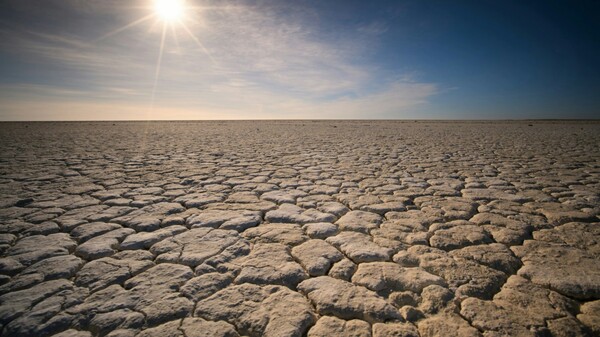
영국 국가가뭄그룹은 현지시각 6월 18일 회의를 개최했다. 영국은 현재 가뭄이 선포된 지역은 없지만 돌발 가뭄 가능성이 높아지고 있다. [사진출처 = 언스플래시(Unsplash) Oleksandr Sushko]
국가가뭄그룹(National Drought Group)은 현지시각 7월 20일 회의를 개최했다고 밝혔다. 이날 회의에서는 국가가뭄그룹은 최근의 극심한 기상 현상이 환경에 심각한 영향을 미치고 있으며, 물공급과 식량 생산에도 차질을 빚고 있다고 보고받았다.
현재 영국은 산불이 여러 지역을 휩쓸었으며, 특히 수십 곳의 취약한 보호 지역과 주요 농경지가 피해를 입었다. 또한 올해 세 번째 폭염으로 연못과 습지가 말라붙어 조류가 번식할 것으로 예상되며, 일부 강은 아예 말라붙었다.
7월 강우량 부족과 폭염이 겹치면서 상수도 공급에도 부담이 가중되고 있으며, 가장 더운 날에는 물수요가 최대 30%까지 급증하고 있다.
현재 7개 수도기업이 환경 보호와 최대 수요 시간대의 정수장 및 저수시설 부담 완화를 위해 2천300만 가구에 대해 임시 관개 금지(TUB) 조치를 시행했거나 시행 예정이라고 발표했다.
농부들은 예상보다 곡물 수확량이 적을 것이라는 경고와 함께 수확을 일찍 시작하고 있다.
현지시각 7월 20일 기준으로 영국 전역 8개 지역이 가뭄 직전 단계에 들어섰다.
국가가뭄그룹 회원들은 최근 대응 강화, 추가 모니터링, 그리고 여러 부문 및 대중과의 소통 확대 등의 활동을 강화했다.
헬렌 웨이크햄(Helen Wakeham) 국가가뭄그룹 의장 겸 영국 환경청(Environment Agency) 수자원 담당 이사는 "건조한 날씨는 물을 고갈시키고, 더운 날씨는 물사용량을 증가시킨다. 이는 상황을 악화시키며, 농부, 야생 동물, 상수도 공급에 영향을 미치고 있다"면서 "모두가 더운 날씨에 안전하고 충분한 수분을 섭취하기를 바라지만, 우리가 아끼는 물 한 방울 한 방울이 자연과 농업을 위한 더 많은 물이 될 것"이라고 말했다.
기상청, 정부, 규제 기관, 수도기업, 농부, 운하 및 하천 관리 신탁, 낚시꾼, 환경 전문가 등으로 구성된 이 그룹은 최근 12일 연속 30도 이상의 고온이 지속된 폭염 이후 회의를 개최했다.
잉글랜드는 7월 강수량이 장기 평균치의 3%에 불과했으며, 특히 남부와 동부 지역은 지금까지 비가 전혀 내리지 않아 1990년대 중반 이후 가장 긴 무강수 기간을 기록했다.
국가가뭄그룹 구성 기관·기업들은 다음과 같은 활동을 벌이고 있다.
- 환경청은 강 수위가 낮아지면서 산소 농도가 감소함에 따라 송어, 메기, 어린 연어 등 어류 구조 활동을 했다.
- 환경청은 현재 세번 강 상류의 전략적 저수지와 슈롭셔 지역의 지하수에서 물을 방류해 항해를 위한 유량을 유지하고, 환경을 보호하며, 용수 취수자들을 지원하고 있다.
- 수도기업들은 누수 탐지 및 보수 작업을 강화했다. 특히 고온에서는 토양이 건조해지면서 수도관이 움직일 수 있어 누수 발생률이 높아진다.
- 수도기업들은 고객들에게 물사용량을 줄이는 방법과 관련 제한 사항을 설명하면서 소통하고 있다.
- 환경청은 모든 사람이 공정하게 물을 사용하도록 하기 위해 사업체에 대한 규정 준수 점검을 강화하고 있다.
- 환경청은 특히 이스트 앵글리아 지역의 전국 농민 연합과 긴밀히 협력해 모든 취수자들이 최신 수자원 현황을 이해하도록 지원하고 있다.
- 환경청은 향후 가뭄 대응을 위해 환경식품농림부(Defra) 등 정부와 지속적으로 협력하고 있다.
산불은 여러 지역에 영향을 미쳤으며, 특히 피크 디스트릭트 지역의 황무지에서는 두 건의 대형 산불이 발생하여 주요 화재로 선포됐다.
롭 가자드(Rob Gazzard) 영국 산림청(Forestry Commission) 산불 자문은 "산불은 저절로 발생하는 것이 아니다. 사람들의 부주의로, 종종 실수로 발생하며, 건조한 환경에서는 순식간에 통제 불능 상태가 될 수 있다"면서 "이번 폭염으로 토양과 초목이 수분을 너무 많이 잃어 자연적인 내화성이 크게 떨어졌다. 이는 초목이 더 쉽게 불에 타게 할 뿐만 아니라, 일단 불이 붙으면 그 강도를 더욱 강하게 만든다. 즉, 불이 빠르게 번져 진압하기 어려워진다"고 강조했다.
이어 "최근 발생한 산불은 특히 새로 심은 나무와 그곳에 서식하는 야생 동물들에게 심각한 피해를 입혔다"고 덧붙였다.
이번 회의에서는 산불과 고온 건조한 날씨가 농업과 자연에 미치는 영향에 대한 논의가 이루어졌다.
- 올해 현재까지 특별과학적관심지역(SSSI)에서 53건의 산불이 발생했으며, 여기에는 피크 디스트릭트의 도브스톤과 틴트위슬도 포함된다.
- 수위 저하와 산란장 수위 유지를 위한 강우량 부족으로 인해 두꺼비류의 번식 성공률이 크게 감소했다.
- 대서양 연어와 같은 회유성 어류는 강 유량 감소로 인해 상류로 이동하지 못하고 있다.
- 영국 주변 해역 또한 해양 열파 현상을 겪고 있으며, 많은 해안 지역의 해수면 온도가 평년보다 훨씬 높은 수준을 유지하고 있다.
- 107건의 조류 대발생 사례가 보고됐다.
- 수확이 조기에 시작되었으며, 고온으로 인해 콤바인 수확기 화재 위험이 증가했다.
- 또한 고온으로 인해 작물의 수분 부족 문제가 발생하고 있으며, 봄보리는 시즌 초반 강우량 부족으로 인해 수확량 감소가 예상된다.
- 이스트 앵글리아 지역의 일부 농부들은 강우량 부족으로 인해 하천 유량이 감소하자 지역 하천에서 물을 끌어다 쓰는 것을 중단했다.
올리버 하마르(Oliver Harmar) 영국 자연청(Natural England)의 최고전략책임자는 "기후변화의 영향으로 가뭄과 산불 발생 가능성이 높아지면서 사람들에게 심각한 피해를 줄 뿐만 아니라, 우리의 소중한 야생 동물들도 고통받고 있다. 이러한 영향은 날씨가 추워진 후에도 오랫동안 지속되어 습지 조류와 양서류 개체 수 감소로 나타난다"면서 "습지, 늪, 연못 등을 포함한 서식지 복원은 자연이 이러한 극한 기후의 영향에 더욱 잘 견딜 수 있도록 도와줄 것"이라고 말했다.
유난히 습윤했던 겨울 덕분에 초기에는 일정 부분 가뭄의 완충 역할을 했지만, 강도와 지속 기간이 긴 고온다습한 날씨가 이제 심각한 영향을 미치고 있다.
- 현재 가뭄으로 선포된 지역은 없지만, 고온다습한 날씨는 2022년과 같은 돌발 가뭄 발생 위험을 높이고 있다.
- 환경청은 가뭄의 영향을 지속적으로 모니터링하고 있으며, 가뭄 선포 기준에 부합하는 지역이 있는지 여부를 파악하고 있다.
- 이스트 앵글리아, 웨스트 미들랜즈, 데번, 콘월 및 실리 제도, 링컨셔 및 노샘프턴셔, 하트퍼드셔 및 런던, 웨식스, 템스 강, 솔렌트 해협 및 사우스 다운스 지역에서 건조한 날씨가 장기간 지속되고 있다.
- 현재 정상 수위를 유지하고 있는 강은 전체의 13%에 불과하다. 대부분의 강은 평년보다 수위가 낮으며, 특히 에이번 강(햄프셔), 캠 강, 더웬트 강(요크셔), 스웨일 강, 톤 강, 와이 강, 야레 강은 예외적으로 낮은 수위를 기록하고 있다.
- 영국 전역 저수지 저수율은 78.8%로 장기 평균보다 약 5% 낮다. 윔블볼, 그라프햄, 해닝필드, 로어 템스 저수지 그룹을 포함한 6개 저수지의 저수율이 특히 낮은 것으로 나타났다.
- 지하수위는 계절적 하강 추세를 보이고 있지만, 코츠월드와 웨섹스 다운스 지역에서는 특히 낮은 수위가 보고됐다.
7월 현재까지의 강수량은 잉글랜드 북서부의 장기 평균치의 9%에서 동부 및 남동부의 경우 비가 전혀 내리지 않은 지역까지 지역별로 큰 차이를 보였다. 이러한 건조한 날씨는 7월 남은 기간 동안 잉글랜드 대부분 지역에서 지속될 것으로 예상되지만, 기온은 다소 떨어질 가능성이 있다.
윌 랭(Will Lang) 영국 기상청(Met Office) 수석 기상학자는 "잉글랜드 대부분 지역은 여름 상반기에 유난히 덥고 건조한 날씨를 경험했으며, 특히 7월은 매우 건조하여 일부 지역에서는 현재까지 비가 거의 내리지 않거나 전혀 내리지 않았다. 영국은 2026년 들어 이미 세 차례의 폭염을 겪었으며, 간간이 비가 내릴 가능성도 있지만, 전반적으로는 대체로 안정적인 날씨가 예상된다"고 설명했다.
이어 "8월 초까지 날씨가 다소 변덕스러워질 조짐이 보이며, 일부 지역에 비가 내릴 가능성도 있다. 하지만 세부적인 예보의 정확도가 낮고, 특히 잉글랜드 남부 지역을 중심으로 강우량이 광범위하거나 많을 가능성은 낮다. 앞으로 몇 주 동안, 특히 잉글랜드 남부 지역을 중심으로 건조한 날씨가 지속될 것으로 예상된다. 따라서 최근 몇 주 동안 극심한 가뭄을 겪었던 지역에 얼마나 많은 의미 있는 강우가 내릴지는 불확실하다"면서 "영국 기상청은 앞으로도 수자원 관련 기관들과 긴밀히 협력하여 가뭄 대비 계획 및 대응 활동을 지원하기 위한 예보와 지침을 제공할 것"이라고 덧붙였다.
지난 2주 동안 7개 수도기업은 관할 지역 전체 또는 일부 지역에 대해 임시 관개 금지(TUB) 조치를 취했다. 관개용 호스 사용은 제한되지만 물뿌리개와 양동이는 계속 사용할 수 있다.
관개용 호스는 시간당 1천 리터의 물을 사용하는데, 이는 4인 가족이 하루에 사용하는 양보다 많다. 임시 관개 금지 조치는 가뭄 대비 계획의 필수적인 부분이며, 최근 연구에 따르면 타당한 이유가 있다면 대부분의 사람들이 금지 조치를 지지하는 것으로 나타났다.
데이비드 헨더슨(David Henderson) 워터 UK(Water UK) CEO는 "수도기업 입장에서 가장 원치 않는 것은 사람들이 사용할 수 있는 물의 양을 제한하는 것이지만 물수요가 전례 없는 수준에 이르렀다"면서 "수도기업들은 수백 명의 기술자를 투입하여 누수를 수리하고, 가장 건조한 지역에 물을 공급하기 위해 지역 간 물이동을 실시하는 등, 수돗물 공급이 끊기지 않도록 모든 노력을 기울이고 있다"고 말했다.
[원문보기]
National Drought Group steps up response after third heatwave
Parts of southern, central, and eastern England move closer to drought status
The recent extreme weather is having a severe impact on our environment and affecting water supplies and food production, the National Drought Group heard yesterday.
Wildfires have ripped through several areas, including dozens of delicate protected sites, and prime agricultural land.
The third heatwave of the year has seen ponds and wetlands dry out, which will impact bird breeding, while some rivers have dried up in places.
A lack of July rainfall, combined with the heat, is also putting pressure on public supplies – with demand for water soaring up to 30% on the hottest days.
Seven water companies have now implemented or announced future temporary use bans for 23 million customers to protect the environment and reduce the strain on their treatment works and storage during peak demand.
Farmers have had to begin their harvests early, with warnings that cereal yields will be lower than expected.
As of yesterday (Monday 20th July), eight areas across England were in prolonged dry weather – the stage before drought.
Ongoing work by National Drought Group members has recently increased, including heightened incident response, additional monitoring, and more cross-sector and public communication.
Helen Wakeham, Chair of the National Drought Group and Director of Water at the Environment Agency, said:
"Dry weather depletes our water, while the hot conditions mean we use more of it. This is a difficult combination, and we are seeing the effects on our farmers, our wildlife, and the amount available for public and business use."
"All sectors are taking action, and we are grateful to the public for following the restrictions, where in place, to make sure there is enough water for everyone this summer."
"We want everyone to stay safe and hydrated during the hot weather but every drop we can save is a drop more for nature and agriculture."
The group – which includes the Met Office, government, regulators, water companies, farmers, Canal & River Trust, anglers and conservation experts – met yesterday following the recent heatwave, which saw 12 consecutive days of temperatures above 30C.
England has only received 3% of its long-term average July rainfall, with the south and east of the country receiving nothing at all so far – the longest spell without rain since the mid-1990s.
Work by National Drought Group members includes:
- The Environment Agency has carried out fish rescues, including trout, bullhead, and small salmon, as oxygen levels deplete when river levels reduce.
- The Environment Agency is currently releasing water from strategic reservoirs at the top of the River Severn and from groundwaters in Shropshire to maintain flows for navigation, support the environment, and aid abstractors.
- Water companies have stepped up action on finding and fixing leaks – which happen more in hot weather as pipes move underground when soils dry out.
- Water companies are communicating with customers, offering advice and tips to use a little less water while explaining any restrictions in place.
- The Environment Agency is carrying out more compliance checks on businesses to ensure everyone is using water fairly.
- The Environment Agency is working closely with the National Farmers Union, particularly in East Anglia, making sure all abstractors understand the latest water resources position.
- The Environment Agency continues to work with Government, including Defra and the Cabinet Office, on future drought response.
Wildfires have affected multiple areas, including two major incidents declared in major moorland blazes in the Peak District.
Rob Gazzard, Wildfire Adviser at the Forestry Commission, said:
"Wildfires do not start themselves; they are started by people, often accidentally, and they can quickly get out of control in dry conditions."
"Our soils and vegetation have lost so much moisture in this heat that any natural resistance to a fire has significantly reduced. Not only does it make vegetation more likely to burn, but it increases the intensity of fires once they start. This means fires take hold and spread quickly and are difficult to suppress."
"The recent fires have had a devastating impact on some areas, particularly on new trees and the wildlife that shelter there."
The meeting heard about the impact both fires and hot, dry weather is having on agriculture and nature.
- There have been 53 recorded wildfires this year so far at Sites of Special Scientific Interest. (SSSI), including Dovestone and Tintwistle in the Peak District.
- Lower water levels, and a lack of rainfall to top up spawning pools, significantly impact the breeding success of species such as natterjack toads.
- Migratory fish, such as Atlantic salmon, are unable to move upstream because of reduced river flows.
- Waters surrounding the UK have also been experiencing marine heatwave conditions, with sea surface temperatures remaining well above average across many coastal areas.
- There have been 107 confirmed algal bloom incidents.
- Harvests have begun early and there is an increased risk of fires breaking out in combine harvesters because of the heat.
- The high heat is also causing moisture issues for cereals while spring barley yields are expected to be impacted by a lack of rain earlier in the season.
- Some farmers in East Anglia have also had to stop abstracting water from local rivers because of the reduced flows caused by limited rainfall.
Oliver Harmar, Chief Strategy Officer at Natural England, said:
"As well as serious impacts for people, our wonderful wildlife is suffering as the effects of climate change take hold, with the increased likelihood of drought and wildfires."
"These impacts are felt long after the weather cools down, as we see reduced populations of wetland birds and amphibians."
"Habitat restoration, including more wetlands, bogs and ponds, will help us make nature more resilient to the impacts of these weather extremes."
Paul Tompkins, Deputy President at the National Farmers Union, said:
"Farmers and growers across the country are working around the clock to harvest crops which have come early, keep fruit and vegetables watered, and care for their livestock."
"Parts of the country, particularly in the east and south, have seen exceptionally low rainfall this spring and summer, creating real challenges for farm businesses. For many arable farmers, this could be another difficult and expensive harvest after extreme weather impacts in both 2024 and 2025 which saw both drought and flood."
"To help farmers adapt, we must strengthen resilience to climate volatility. That means a more responsive abstraction licensing system, a consistent positive approach in planning to make building reservoirs easier, which will lead to investment in on-farm water storage."
The exceptionally wet winter provided an initial buffer, but the intensity and longevity of the hot and dry weather is now taking a toll.
- No areas are currently in drought but hot, dry weather increases the risk of a flash drought as we saw in 2022.
- The Environment Agency is continuing to monitor impacts and whether any areas meet the criteria to be declared in drought.
- Prolonged dry weather has been declared in: East Anglia, West Midlands, Devon, Cornwall & Isles of Scilly, Lincolnshire & Northamptonshire, Hertfordshire & London, Wessex, Thames, Solent & the South Downs.
- Only 13% of rivers are classed at normal levels for this time of year. The majority are lower than normal, including the Rivers Avon (Hampshire), Cam, Derwent (Yorkshire), Swale, Tone, Wye and Yare, which are exceptionally low.
- National reservoir storage is 78.8%, around 5% lower than long-term average. Six reservoirs are classed as notably low – including Wimbleball, Grafham and Hanningfield and The Lower Thames group. Blagdon is exceptionally low.
- Groundwater levels are undergoing their seasonal decline, but notably low levels have been reported in the Cotswolds and Wessex Downs.
Rainfall totals for the month of July to date ranged from 9% of the long-term average in north-west England to nothing in east and south-east England. The dry weather is expected to continue for most parts of England during the rest of the month, but the temperatures are likely to cool.
Will Lang, Chief Meteorologist at the Met Office, said:
"Much of England has experienced a notably warm and dry first half of summer, with July particularly dry and some locations recording little or no rainfall so far this month. The UK has already seen three heatwaves in 2026 and, while some rain is possible at times, the overall outlook remains for largely settled conditions."
T"here are some signs of more changeable weather at times into early August, which may bring rain to some areas. However, confidence in the detail remains low, and any rainfall, particularly across southern parts of the UK, is unlikely to be widespread or substantial. Many areas are likely to continue experiencing prevailing dry conditions over the coming weeks, especially across southern England. It therefore remains uncertain how much meaningful rainfall will reach those areas that have been driest in recent weeks."
"The Met Office will continue to work closely with partners across the water sector, providing forecasts and guidance to support drought planning and response activities."
In the last two weeks, Affinity Water, Anglian Water, Cambridge Water, Southern Water, South East Water, Thames Water and South West Water have announced Temporary Use Bans (TUB) across either all or part of their region.
Hosepipes are restricted but watering cans and buckets can still be used. If people with disabilities or health issues are living in an area covered by a TUB, they can contact their local water company about their situation.
A hosepipe can use 1,000 litres an hour – which is more than a family-of-four will use in a day. Restrictions on their use form an essential part of drought planning and recent research found most people support a ban if there is a compelling reason.
David Henderson, Water UK Chief Executive, said:
"We are incredibly grateful to customers for doing their bit to protect our environment and preserve our water supplies."
"The last thing water companies want to do is restrict the amount of water people can use but demand is at unprecedented levels following the warmest spring and June on record."
"Water companies are doing everything they can to ensure the taps keep flowing with hundreds of technicians out repairing leaks and water being moved across regions to relieve the driest areas."
[출처 = 영국 정부(UK GOV)(https://www.gov.uk/government/news/national-drought-group-steps-up-response-after-third-heatwave) / 2026년 7월 21일]
|  즐겨찾기 추가
 시작페이지로 설정
























