[미국] AWS, 지속가능성 콘솔에 물취수량 데이터 추가
리전·서비스·계정별 연간 취수량 조회 지원
전 세계 데이터센터 26곳에 재생수 사용…130곳 이상으로 확대
물 보충사업 50건 이상 추진…연간 천100만㎥ 환원 전망
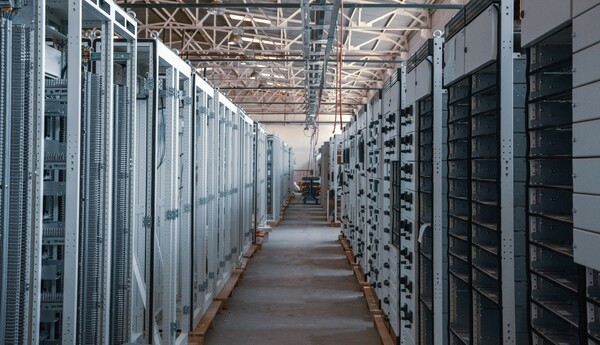
아마존웹서비스(Amazon Web Services, AWS)가 고객의 클라우드 사용에 따른 물 취수량을 확인할 수 있도록 AWS 지속가능성 콘솔(AWS Sustainability Console)의 환경정보 공개 범위를 확대했다. [사진출처(Photo Source) = unsplash]
아마존웹서비스(Amazon Web Services, AWS)가 고객의 클라우드 사용에 따른 물취수량을 확인할 수 있도록 AWS 지속가능성 콘솔(AWS Sustainability Console)의 환경정보 공개 범위를 확대했다.
고객은 자신의 워크로드와 관련된 연간 물취수량을 리전과 서비스, AWS 계정별로 조회할 수 있다. 해당 정보는 콘솔 왼쪽 패널의 탄소배출량 항목과 함께 물할당(Water allocation) 항목에 표시된다.
물취수량은 상수도나 지하수 등에서 끌어온 전체 물의 양을 뜻한다. 사용한 뒤 환경으로 돌려보낸 양은 물 방류량, 취수했지만 돌려보내지 않고 주로 증발 등으로 손실된 양은 물 소비량으로 구분된다. 이번에 콘솔에서 제공하는 정보는 물 취수량을 기준으로 한다.
데이터는 독립적인 검토를 거친 AWS 고객 물취수량 산정 방법론(AWS Customer Water Withdrawal Methodology)에 따라 계산된다. 탄소배출량 산정에 적용해 온 할당 방식을 물 야에 맞게 조정했다.
조회 결과는 CSV 파일로 내보낼 수 있으며 프로그램 방식의 접근과 독립적인 권한 설정도 지원한다. 이를 통해 지속가능성 공시 요건 확대에 대응하고 보고 자동화와 규정 준수 절차 간소화에 활용할 수 있다는 설명이다.
이번 기능은 2026년 3월 출시한 AWS 지속가능성 콘솔에 추가됐다. 이 콘솔은 지속가능성 보고 기능을 한곳에 통합한 독립형 서비스로, 담당 조직이 결제 권한 없이도 스코프1·2·3 탄소배출량 데이터에 접근할 수 있도록 설계됐다.
셀린 레스코프(Céline Lescop) AXA 그룹 오퍼레이션(AXA Group Operations) 글로벌 디지털 지속가능성 총괄은 “환경 모니터링을 클라우드 서비스의 물발자국까지 확대하고 있다”며 “이는 기존 온실가스 배출량과 에너지 소비량 측정을 보완해 환경 영향을 전체적으로 파악할 수 있게 한다”고 말했다. 이어 “부정적인 상충관계를 식별하고 방지해 한 자원의 문제를 다른 자원으로 옮기는 대신 종합적인 해결책을 마련할 수 있다”고 밝혔다.
아마존은 2022년 데이터센터 운영에 사용하는 양보다 더 많은 물을 지역사회와 환경에 돌려주는 워터 포지티브(Water Positive)를 2030년까지 달성하겠다고 발표했다. 물사용 절감과 재생수 활용, 물보충사업을 통해 2025년 말 기준 목표의 75%를 달성했다.
관련 방법론은 절감과 재사용, 보충 등 3개 축으로 구성된다. 절감과 재사용은 시설의 담수 수요를 최소화하는 데 초점을 맞추고, 보충은 지역사회와 환경에서 이용할 수 있는 물의 양이나 수질을 개선하는 사업에 투자하는 방식이다.
남아프리카공화국과 중동, 피닉스(Phoenix) 등 물스트레스 지역에서는 데이터센터 냉각에 물을 사용하지 않는다. 다른 지역의 데이터센터는 전체 시간의 약 90% 동안 외부 공기를 이용해 냉각하며, 기온이 가장 높은 날의 가장 더운 시간에만 물을 사용하는 증발식 냉각을 가동한다.
서버가 견딜 수 있는 온도 기준도 지속해서 높여 냉각에 필요한 물을 줄였다. 맞춤형 냉각 기술과 시스템 개선을 통해 데이터센터의 물 효율을 업계 평균보다 7배 이상 높였다고 회사 측은 설명했다.
AWS는 현재 전 세계 데이터센터 26곳의 냉각에 재생수를 사용하고 있으며, 이를 9개 지역 130곳 이상으로 확대하고 있다.
재생수는 지방자치단체가 하·폐수를 처리해 다시 사용할 수 있도록 만든 물이다. AWS는 지역 수도사업자 및 이해관계자와 협력해 퍼플 파이프(Purple Pipe)로 불리는 전용 관로를 구축하고, 식수로 사용할 수 있는 담수 대신 재생수를 데이터센터 냉각에 활용한다. 이를 통해 수도사업자는 처리수의 활용처를 확보하고 AWS는 지역 식수원에 대한 의존도를 줄일 수 있다.
세계 각지에서는 물보충사업 50건 이상도 진행하고 있다. 모든 사업이 완료되면 연간 2천100만㎥ 이상의 물을 지역사회에 돌려줄 것으로 예상된다.
사업 범위는 미국의 유역 복원부터 인도와 브라질, 칠레의 농업 효율화까지 포함한다. 유역 복원과 기반시설 개선, 물스트레스 지역의 깨끗한 물공급을 통해 물접근성과 가용성, 수질을 높이는 것이 목표다.
물취수량 기능이 포함된 AWS 지속가능성 콘솔은 추가 비용 없이 이용할 수 있다. AWS 관리 콘솔(AWS Management Console)을 통해 접속할 수 있으며 2022년 1월까지의 과거 데이터도 제공된다.
[원문보기]
Advancing Water Stewardship at AWS: New Water Withdrawals Data Now Available in the AWS Sustainability Console
At Amazon, we know that water is a precious resource. In 2022, AWS announced the commitment to being water positive by 2030.
That means we’ll return more water to communities and the environment than we use in our data center operations. Our data centers are 7 times more water-efficient than the industry average, and in 2025 we reached 75% of our water positive goal through reducing water use, sourcing reclaimed water, and investing in replenishment projects around the world.
AWS is also committed to helping customers measure and reduce the environmental footprint of their own workloads by giving them visibility into carbon emissions and water withdrawal data associated with their AWS workloads.
In March 2026, we launched the AWS Sustainability console — a standalone service that consolidates AWS sustainability reporting into one place, giving sustainability teams independent access to Scope 1, 2, and 3 carbon emissions data without requiring billing permissions.
Today, we are taking the next step in transparency by adding annual water withdrawals data associated with your AWS workloads to the AWS Sustainability console. It appears in the Water allocation section alongside Carbon emissions on the left panel.
Note: water withdrawals (total volume drawn from sources like municipal supplies or groundwater), water discharged (water returned to the environment after use), and water consumed (the difference — water withdrawn but not returned, typically lost through evaporation). The data presented in this post reflects water withdrawals.
AWS customers can now view water withdrawals associated with their workloads by AWS Region, service, and AWS account on an annual basis. The water withdrawal data is calculated using our AWS Customer Water Withdrawal Methodology, which has been independently reviewed. See the third-party assurance statement. This is the same allocation approach we use for carbon, adapted for water.
By incorporating water withdrawal data into the console, we are extending the same principles that guide our carbon reporting — granular visibility into sustainability related data by AWS Region, service, and AWS account, configurable csv exports, programmatic access, and independent permissions to water stewardship, enabling organizations to automate reporting and simplify compliance as sustainability disclosure requirements expand.
“We are expanding our environmental monitoring to include the water footprint of our cloud services,” said Céline Lescop, Global Digital Sustainability Executive Lead, AXA Group Operations.
“It completes our existing measurements of GHG emissions and energy consumption, giving us a full picture of our environmental impact and allows us to identify and prevent negative trade-offs, ensuring we create holistic solutions rather than shifting problems from one resource to another.”
How AWS is Reducing Water Consumption
Our Water Positive Methodology governs how we implement our water positive goals by employing three pillars: reduce, reuse, and replenish. Our first two pillars focus on minimizing freshwater demands from our facilities, while the third involves investing in replenishment projects that improve the quantity or quality of water available to communities and the environment. We prioritize minimizing freshwater demands within our own facilities before pursuing replenishment.
Reducing Water Use Through Efficiency: AWS water efficiency gains are the result of years of investment in custom cooling technology, smarter systems, and a commitment to minimize water use wherever possible. In water-stressed regions such as South Africa, the Middle East, and Phoenix, we don’t use water for cooling. Across the rest of our locations, about 90% of the time our data centers use free air cooling.
Only during the hottest hours of the hottest days do we turn to evaporative cooling with water, which also avoids putting additional strain on the electrical grid when communities need power most. We’ve also steadily raised the temperature thresholds our servers can tolerate, further reducing water needs.
The result: our data centers are over 7 times more water-efficient than the industry average. To learn more, visit our recent story on AWS data center water usage.
Reusing Water Through Reclaimed Sources: Reclaimed water is municipal wastewater that has been treated and repurposed for beneficial uses like data center cooling, preserving valuable drinking water for communities. AWS currently uses reclaimed water at 26 data centers worldwide, and we are expanding this to more than 130 locations across nine jurisdictions.
AWS partners with local utilities and stakeholders to source reclaimed water through dedicated infrastructure, often called “purple pipe” systems, and use it to cool data centers instead of freshwater. This model delivers mutual benefits: Utilities find a productive use for treated wastewater while AWS reduces dependence on local drinking water supplies.
Replenishing Water Through Community Projects: Water replenishment is the third pillar of AWS’s water-positive strategy. We invest in projects that increase water access, availability, and quality by restoring watersheds, improving infrastructure, and bringing clean water services to water-stressed communities.
AWS currently supports more than 50 Water Replenishment Projects across the globe, expected to return over 21 billion liters of water annually to local communities once complete. These projects span diverse geographies and contexts, from watershed restoration in the United States to agricultural efficiency programs in India, Brazil, and Chile.
Water is finite and saving it is everyone’s responsibility
Amazon is using our scale and innovation-focused approach to support our aim of being responsible water stewards everywhere we operate. That’s why we’re sharing water allocation data with our customers, and why we continue to invest in reduce, reuse, and replenishment projects around the world. We encourage every organization to look for opportunities to be more water-efficient whether through optimizing cloud workloads, adopting water-smart building technologies, or supporting community water initiatives.
The addition of water withdrawal data in the sustainability console helps our customers measure, track and reduce the use of water associated with AWS usage.
The AWS Sustainability console including the water withdrawals data is available today at no additional cost. You can access it from the AWS Management Console. Historical data is available going back to January 2022, so you can start exploring your emissions trends right away.
If you want to learn more about the AWS commitment to sustainability, visit the AWS Sustainability page and visit Amazon’s Spotlight on Water to learn more about our approach towards protecting water resources.
[출처 = 아마존웹서비스(AWS)(https://aws.amazon.com/ko/blogs/infrastructure-sustainability/advancing-water-stewardship-at-aws-new-water-withdrawals-data-now-available-in-the-aws-sustainability-console/) / 2026년 7월 16일]
|  즐겨찾기 추가
 시작페이지로 설정
























