[미국] EPA, 라운드테이블 개최…물인프라에 대한 효율적 투자 방안 모색
주 정부·상수도 운영기관·소규모 지역사회 참여…물인프라 투자 가속화 방안 논의
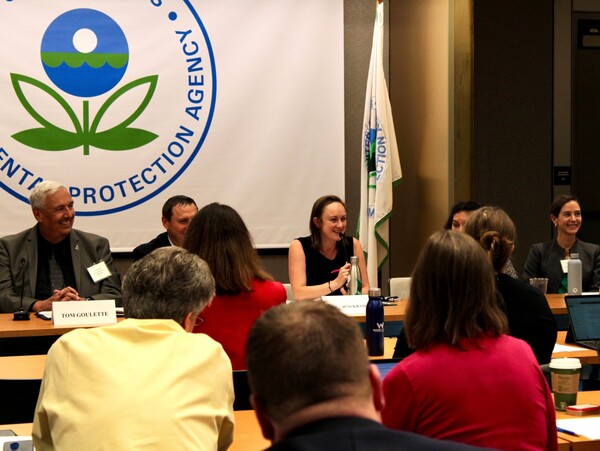
미 환경보호청(은 현지시각 7월 9일 중요한 상하수도 및 빗물 프로젝트의 지연을 초래할 수 있는 프로그램 실행상의 문제점을 파악하고 해결하기 위해 주 회전 기금을 포함한 물인프라 프로그램에 대한 라운드테이블을 개최했다. [사진출처 = 환경보호청(EPA)]
미국 환경보호청(EPA)은 현지시각 7월 9일 중요한 상하수도 및 빗물 프로젝트의 지연을 초래할 수 있는 프로그램 실행상의 문제점을 파악하고 해결하기 위해 주 회전 기금(SRF)을 포함한 물인프라 프로그램에 대한 라운드테이블을 개최했다고 밝혔다.
제스 크레이머(Jess Kramer) EPA 수자원 담당 부청장은 주정부, 상수도 협회, 기술 지원 제공 기관 및 소규모 지역사회 대표들과 함께 기금이 효율적이고 효과적으로 투자돼 더욱 강력한 물인프라를 통해 미국인에게 혜택을 줄 수 있도록 실질적인 조치를 모색했다.
특히, 소규모 지역사회가 기금 신청 시 직면하는 어려움을 해결하는 데 초점을 맞춘 여러 조치가 논의됐다.
제스 크레이머 부청장은 "물인프라는 종종 미국인의 눈에 잘 띄지 않고 간과되기 쉽지만, 매일 가정, 학교, 병원 및 기업에 안전한 상수도를 공급한다. 또한 물인프라는 지역사회의 안전을 위해 하수와 빗물을 관리한다"고 설명하고, "이번에 처음으로 개최된 라운드테이블은 다양한 분야의 실무 책임자들이 한자리에 모여 성공 사례를 축하하고, 당면 과제를 논의하며, 향후 이러한 프로그램들을 강화할 약속을 확인하는 자리였다"고 강조했다.
이어 "트럼프 행정부의 EPA는 인류 건강 보호와 경제 성장에 필수적인 이러한 투자를 가속화하기 위해 주 정부 및 파트너들과 지속적으로 협력할 것"이라고 말했다.
이번 라운드테이블은 단순한 논의가 아닌 실질적인 성과와 프로그램 개선에 초점이 맞춰졌다. 크레이머부청장은 결과 중심적인 토론을 이끌었고, 참석자들은 모범 사례와 향후 추진 방향을 제시하는 데 도움이 되는 귀중한 의견을 제시했다.
EPA는 대출 기관과 수혜자 모두를 위한 자료가 포함된 온라인 툴박스를 개발하고, 기금이 지역사회에 효율적이고 신속하게 전달될 수 있도록 주 정부와 지속적으로 협력할 예정이다. 또한 EPA는 주 정부, 수자원 업계, 기술 지원 제공 기관과 함께 실무 그룹을 구성하여 이번 원탁회의에서 도출된 주요 이니셔티브를 추진할 계획이다.
SRF와 「물인프라 금융 및 혁신법(WIFIA)」 대출 프로그램, 소규모 및 취약 지역 사회의 신흥 오염물질 보조금 프로그램과 같은 기타 프로그램들은 모든 미국인이 깨끗하고 안전한 물을 이용할 수 있도록 보장하는 데 중요한 역할을 한다.
특히, 식수 및 청정수 SRF 프로그램은 출범 이후 7만6천 개의 프로젝트를 지원하기 위해 2천650억 달러(약 398조4천10억 원) 이상을 제공했다. 이 프로그램들은 주정부가 중요한 물인프라 개선을 위해 사용할 수 있는 자금을 늘리고 확대하기 위해 설계되었으며, EPA는 이러한 자금이 책임감 있게 사용되도록 보장하고 있다.
[원문보기]
EPA Hosts States, Water Systems, and Small Communities to Collaboratively Accelerate Investments in Water Infrastructure
Yesterday, the U.S. Environmental Protection Agency (EPA) convened a roundtable on water infrastructure programs, including the State Revolving Funds, to identify and address challenges in program implementation that can result in delays in vital drinking water, wastewater, and stormwater projects.
EPA Assistant Administrator for Water Jess Kramer was joined by states, water associations, technical assistance providers, and representatives from small communities to identify real actions that will be taken to ensure that infrastructure funding is invested efficiently and effectively to benefit Americans through stronger water infrastructure. Several actions specifically focused on addressing challenges that small communities face when applying for funding.
“While water infrastructure is often out of sight and out of mind for the American public, it delivers safe drinking water to homes, schools, hospitals, and businesses every day. Water Infrastructure also manages wastewater and stormwater to keep our communities safe,” said EPA Assistant Administrator for Water Jess Kramer.
“This first-of-its-kind roundtable gathered a diverse set of action leaders in the same room to celebrate successes, discuss challenges, and identify commitments that will strengthen these programs going forward. The Trump EPA will continue to work collaboratively with states and our partners to accelerate these investments, which are essential to protect human health and grow the economy.”
This roundtable was about results and program improvement, not idle talk. Assistant Administrator Kramer led an outcome-driven discussion and attendees offered valuable contributions that will inform best practices and next steps.
For example, EPA will develop an online toolbox with resources for both lenders and recipients and will continue to work with states to ensure funding is reaching communities efficiently and quickly. EPA will also join states, the water sector, and technical assistance providers in forming workgroups that will drive progress on key initiatives identified in the roundtable.
The State Revolving Funds (SRFs) and other programs, like the Water Infrastructure Finance and Innovation Act (WIFIA) loan program and the Emerging Contaminants in Small and Disadvantaged Communities grant program, play a key role in ensuring that all Americans have access to clean and safe water.
These programs have been highly successful. For example, the Drinking Water and Clean Water SRF programs have provided over $265 billion to support 76,000 projects since their creation. They are designed to grow and increase funds available to states for critical water infrastructure upgrades, and the Trump EPA will make sure those funds are used responsibly.
EPA and states share the goal of stewarding taxpayer dollars to effectively and efficiently deliver them to communities to implement projects that upgrade water infrastructure. While the majority of the nation’s SRF programs effectively disburse funding to projects in a timely manner, some programs’ funding can remain uncommitted to new projects for extended periods of time.
The roundtable hosted by EPA was the first step in collaboratively working with states, the water sector, and communities to develop a common understanding of opportunities to strengthen program implementation and accelerate the pace of funding disbursements for projects to meet community needs faster.
“The National Rural Water Association’s 31,000 water and wastewater utility members applaud Assistant Administrator Jessica Kramer’s leadership in bringing states, water systems, and technical assistance providers together to accelerate investments in water infrastructure," said National Rural Water CEO Matt Holmes.
"More than 92% of the nation's community water systems serve fewer than 10,000 people, and these small communities are committed to meeting every federal mandate despite lacking the economies of scale of larger systems. Small and rural communities face an average water and wastewater infrastructure need of approximately $13,800 per person, nearly double the $7,800 per capita need in urban counties. This collaborative effort is an important step toward improving access to affordable financing and ensuring these critical resources reach the communities that need them most.”
“Communities across the country need significant investments in water infrastructure in the coming years—over $1 trillion according to EPA. States appreciate Congressional support for community drinking water and wastewater system modernization investments that are essential to advancing public health, clean and safe water, and economic development and they are eager to work with EPA and others to continue improving the very successful State Revolving Fund programs,” said ECOS Executive Director Ben Grumbles. “Yesterday’s roundtable was an important step forward to expand the number of communities that benefit from these investments.”
“The Drinking Water State Revolving Fund remains one of the most effective tools to address aging infrastructure, emerging challenges, and community needs - financing tens of thousands of critical drinking water and wastewater projects over the years. These funding programs work because they combine federal investment with state leadership and local implementation,” said Association of State Drinking Water Administrators Executive Director Anthony DeRosa
. “ASDWA appreciates EPA's efforts in bringing states, communities, technical assistance providers, and water sector partners together to discuss what is working and where we can improve. By working collaboratively to reduce barriers, share best practices, and strengthen implementation, we can help ensure these critical investments reach communities more quickly and efficiently while maintaining strong stewardship of taxpayer dollars.”
“RCAP commends Assistant Administrator Jess Kramer's leadership in convening states, technical assistance providers, water systems, communities, and industry partners for a frank and productive discussion about improving access to federal water infrastructure funding and accelerating project delivery,” said Rural Community Assistance Partnership CEO Olga Morales-Pate.
“We are proud to partner with EPA and the states to help ensure these investments reach rural projects efficiently and deliver safe, reliable water and wastewater services to the communities that need them most. Assistant Administrator Kramer created an environment where partners could openly discuss what's working, what's not, and what needs to change. Putting those issues on the table—and committing to act on the feedback—is how we develop real solutions. RCAP was proud to bring rural community leaders to the table to ensure the voices and perspectives of rural America helped shape the conversation as EPA and its partners chart a path forward.”
[출처 = 환경보호청(EPA)(https://www.epa.gov/newsreleases/epa-hosts-states-water-systems-and-small-communities-collaboratively-accelerate) / 2026년 7월 10일]
|  즐겨찾기 추가
 시작페이지로 설정
























