[미국] “AI 붐, 2036년까지 유럽 데이터센터 용수 관련 지출 68억 유로 증가”
예상 지출액의 약 62%는 냉각시스템·용수 처리 및 재사용 인프라·상수도 연결·전처리 시설 등을 포함한 자본투자에 사용 전망
AI 도입 가속화와 더욱 유리한 인허가 조건 힘입은 고성장 시나리오에서는 지출이 71억 유로(약 12조 4천312억 원)까지 증가
차세대 확장 물결은 스페인·이탈리아·폴란드 및 북유럽 국가들에서 두드러져
미국 글로벌 시장조사기관 블루필드 리서치, 「2026∼2036년 유럽 데이터센터 용수 시장 동향·전망」 보고서서 예측
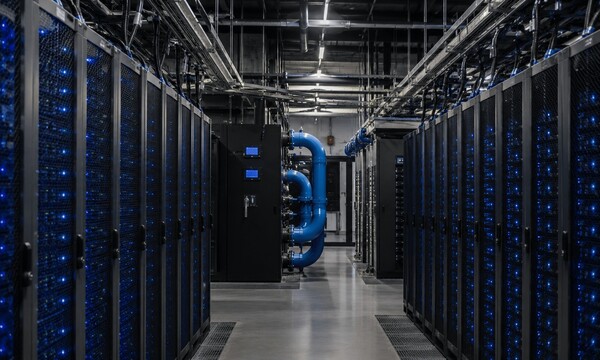
세계적인 물 시장 데이터 및 분석 기관인 블루필드 리서치(Bluefield Research)의 새로운 보고서 ‘유럽 데이터센터 용수 : 시장 동향, 기회 및 전망, 2026∼2036(Europe Water for Data Centers: Market Trends, Opportunities, and Forecasts, 2026∼2036)’에 따르면, 유럽 데이터센터 부문의 용수 관련 지출이 오는 2036년까지 68억 유로(약 11조 9천59억 원)에 달할 것으로 예상된다. [사진출처(Photo source) = 블루필드 리서치(Bluefield Research)]
세계적인 물 시장 데이터 및 분석 기관인 미국 보스턴에 있는 블루필드 리서치(Bluefield Research)의 새로운 보고서 ‘유럽 데이터센터 용수 : 시장 동향, 기회 및 전망, 2026∼2036(Europe Water for Data Centers: Market Trends, Opportunities, and Forecasts, 2026∼2036)’에 따르면, 유럽 데이터센터 부문의 용수 관련 지출이 오는 2036년까지 68억 유로(약 11조 9천59억 원)에 달할 것으로 예상된다.
이러한 증가는 AI의 성장으로 인해 전력망, 수자원 및 인허가 시스템에 대한 부담이 가중되고 있기 때문이다. 유럽은 향후 10년간 데이터센터 개발이 크게 성장할 것으로 예상된다. 그러나 이러한 성장을 달성하기 위해서는 전력 공급뿐만 아니라 용수, 냉각 인프라 및 규제 승인에 대한 접근성이 필수적이다.
특히, 예상 지출의 약 62%는 냉각 시스템, 용수 처리 및 재사용 인프라, 상수도 연결, 전처리 시설 등을 포함한 자본 투자에 사용될 것으로 전망된다.
블루필드 리서치(Bluefield Research)의 지네브 무멘(Zineb Moumen) 수석 분석가는 “인공지능(AI)과 하이퍼스케일 컴퓨팅의 급속한 확장은 유럽 전역에서 디지털 인프라와 수자원 시스템의 상호 작용 방식을 재편하고 있다”라면서 “물은 데이터 센터 건설 위치와 방식에 점점 더 큰 영향을 미치는 중요한 설계, 운영 및 인허가 고려사항이 되고 있다”고 말했다.
이러한 분야의 성장은 규제 및 물리적 제약이 강화되는 가운데 진행되고 있다. 전력 및 용수 사용에 대한 새로운 유럽연합(EU) 보고 요건은 더욱 엄격해진 지역 인허가 제도, 심화되는 지역 수자원 부족, 그리고 부담이 가중되는 에너지 시스템과 맞물려 있다. 결과적으로, 물 가용성은 전력 접근성과 더불어 프로젝트 타당성, 부지 선정 및 개발 일정을 결정하는 핵심 요소로 부상하고 있다.
시장 전망 및 투자 시나리오
블루필드의 기본 시나리오에 따르면, 누적 용수 관련 지출은 2036년까지 68억 유로에 달할 것으로 예상되지만, AI 도입 가속화와 더욱 유리한 인허가 조건에 힘입은 고성장 시나리오에서는 이 지출이 71억 유로(약 12조 4천312억 원)까지 증가할 수 있다. 성장세가 둔화되더라도 시장 규모는 47억 유로(약 8조 2천290억 원)에 달할 것으로 예상된다.
지네브 무멘(Zineb Moumen) 수석 분석가는 “유럽 데이터센터 시장 전반에 걸쳐 자본 집약도와 자원 압박이 심화됨에 따라 수자원 인프라 투자의 중요성을 간과할 수 없게 되었다”라면서 “프로젝트 개발을 용이하게 할 뿐만 아니라 인허가 확보, 효율적인 운영, 그리고 장기적인 확장까지 지원하는 인프라 솔루션이 가장 지속 가능한 기회를 창출할 것”이라고 강조했다.
[그림 1] 2026∼2036년 유럽 데이터센터 지출(CAPEX) 및 운영비용(OPEX) 기준 예측
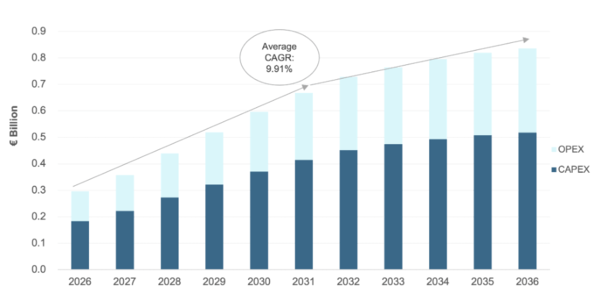
[그래픽 출처(graphic source) = 블루필드 리서치(Bluefield Research)]
지역별 성장 패턴은 인프라 제약을 반영
독일, 영국, 프랑스는 2036년까지 데이터센터 관련 수자원 지출의 40.5%를 차지할 것으로 예상된다. 그러나 향후 이들 시장의 성장은 전력망 접근성, 인허가 요건, 에너지 효율 목표, 열 재활용 의무 등과 같은 요인에 의해 더욱 좌우될 것으로 예측했다.
차세대 확장 물결은 스페인, 이탈리아, 폴란드, 그리고 북유럽 국가들에서 나타나고 있으며, 각 국가는 고유한 제약과 기회를 지닌 독특한 시장 유형을 대표한다.
- 스페인 : 물 부족 지역의 물 탄력적 개발
- 이탈리아 : 토지 이용 계획 및 지역 인허가 제약
- 폴란드 : 전력망 현대화 및 열회수 시스템 통합
- 북유럽 국가 : 저탄소 전력 공급 및 지속 가능한 냉각 전략
전력 생산으로 인한 간접 용수 사용
냉각 시스템에 사용되는 용수가 일반적으로 가장 주목받지만, 데이터센터의 물 사용량 중 상당 부분은 전력 생산 과정에서 간접적으로 발생한다.
블루필드 리서치(Bluefield Research)는 유럽 데이터센터의 전력 소비와 관련된 간접 용수 사용량이 2036년까지 30% 증가할 것으로 추정했다. 이러한 간접 용수 사용량은 국가별로 큰 차이를 보인다.
예를 들어, 독일처럼 화력 발전에 크게 의존하는 시장은 오스트리아, 스웨덴, 덴마크처럼 탄소 배출량이 적은 전력 생산 방식을 채택한 시장에 비해 간접 용수 사용량이 더 높다.
유럽의 전력 시스템은 고도로 상호 연결되어 있어 물 관련 문제가 특히 복잡하다. 데이터센터는 원자력, 수력, 천연가스, 재생 에너지, 수입 전력 등 다양한 에너지원에 의존할 수 있다. 최근의 폭염은 이러한 시스템의 취약성을 부각시켰는데, 여러 지역에서 강물 수온 상승으로 원자력 발전량이 제한되었기 때문이다.
무멘 수석 분석가는 “전력 생산과 관련된 간접적인 물 사용량은 대부분의 운영자가 아직 계획에 반영하지 않고 있는 위험 요소이다”라면서 “AI 워크로드가 확장되고 서버 밀도가 높아짐에 따라 운영자는 확보할 수 있는 메가와트(MW) 용량뿐만 아니라 해당 메가와트에 내재된 물 사용량까지 파악해야 한다”고 설명한다.
액체 냉각, 플랫폼 전략으로 부상
AI 워크로드가 증가함에 따라 컴퓨팅 밀도와 열 부하가 높아지고 있으며, 액체 냉각 기술은 틈새 기술에서 차세대 데이터 센터 설계의 핵심 요소로 자리 잡고 있다. 블루필드 리서치(Bluefield Research)는 액체 냉각 기술이 2036년까지 유럽 데이터센터 냉각 시장의 약 20%를 차지할 것으로 전망했다.
이러한 변화는 냉각, 수처리 및 인프라 시장 전반의 경쟁 구도를 재정립하고 있다. 운영업체들이 전력 및 용수 제약 조건 내에서 성능 향상을 위해 노력함에 따라, 에코랩(Ecolab)과 버티브(Vertiv)와 같은 인프라 공급업체들은 인수합병을 통해 역량을 확장하고 있다. 이들은 냉각, 수처리 및 시스템 최적화를 아우르는 통합 플랫폼을 구축하고 있다.
동시에, 데이터 센터 운영업체들이 성능 향상, 수질 관리 및 규정 준수를 지원할 수 있는 파트너를 찾으면서 수처리 업체들도 매력적인 인수 대상이 되고 있다.
무멘 수석 분석가는 “유럽 데이터 센터 시장은 더 이상 냉각 시스템을 단독으로 제공할 수 없는 단계에 접어들고 있다”라면서 “AI 도입이 확대됨에 따라 운영자는 액체 냉각 및 수질 관리부터 유틸리티 통합 및 운영 성과에 이르기까지 전체 열 생태계를 관리해야 하고, 이러한 역량을 통합 솔루션으로 제공할 수 있는 기업이 성장에 가장 유리한 위치에 서게 될 것”이라고 강조했다.
세계 물시장 데이터 및 통찰력(Insights)을 제공하는 미국 보스턴에 있는 글로벌 시장조사기관인 블루필드 리서치(Bluefield Research)는 전 세계 물 시장에 대한 데이터, 분석 및 통찰력을 제공하고 있으며, 여기에는 인프라, 정책 및 기술 전반에 걸쳐 지방자치단체 및 산업 부문을 포괄한다.
특히, 글로벌 물 시장 정보 분야의 선도적인 제공업체인 블루필드는 전략적 의사 결정권자들이 물 시장의 미래 방향과 그 이유를 이해하도록 돕고 있다.
[원문보기]
AI Boom to Drive €6.8 Billion in Water Spend for European Data Centers by 2036
26 June 2026 Barcelona, Spain: Water-related spend across Europe’s data center sector is projected to reach €6.8 billion by 2036. This increase is driven by the growth of AI, which is placing additional pressure on power grids, water resources, and permitting systems, according to a new report from Bluefield Research, titled Europe Water for Data Centers : Market Trends, Opportunities, and Forecasts, 2026-2036.
Europe is expected to see significant growth in data center development over the next decade. However, achieving this growth will depend not only on access to power but also on water, cooling infrastructure, and regulatory approvals.
Approximately 62% of the projected spending is expected to be directed toward capital investments, including cooling systems, water treatment and reuse infrastructure, municipal connections, and pretreatment facilities.
“The rapid scaling of AI and hyperscale computing is reshaping how digital infrastructure and water systems interact across Europe,” says Zineb Moumen, an analyst at Bluefield Research. “Water is becoming a critical design, operational, and permitting consideration that increasingly influences where and how data centers are built.”
The growth of the sector is unfolding amid tightening regulatory and physical constraints. New European Union reporting requirements for power and water use are converging with stricter local permitting regimes, rising regional water stress, and strained energy systems. As a result, water availability is emerging as a key factor alongside power access in determining project feasibility, site selection, and development timelines.
Market Outlook and Investment Scenarios
Under Bluefield’s baseline scenario, cumulative water-related spending is forecast to reach €6.8 billion by 2036. In a higher-growth scenario, driven by accelerated AI adoption and more favorable permitting conditions, this spending could climb to €7.1 billion. Even in a slower-growth outlook, the market is projected to reach €4.7 billion.
“As capital intensity and resource pressures rise across Europe’s data center market, the investment case for water infrastructure is becoming impossible to ignore,” says Moumen. “The most durable opportunities will arise from infrastructure solutions that not only facilitate project development but also help secure permits, operate efficiently, and scale over time.”
Regional Growth Patterns Reflect Infrastructure Constraints
Germany, the U.K., and France are expected to account for 40.5% of cumulative water-related spend for data centers through 2036. However, future growth in these markets will increasingly be shaped by factors such as grid access, permitting requirements, energy efficiency targets, and obligations for heat reuse.
The next wave of expansion is emerging in Spain, Italy, Poland, and the Nordic countries, each representing a distinct market archetype with its own mix of constraints and opportunities:
- Spain : Water-resilient development in water-stressed regions
- Italy : Land-use planning and regional permitting constraints
- Poland : Grid modernization and heat-recovery integration
- Nordics : Low-carbon power availability and sustainable cooling strategies
Indirect Water Use from Electricity
Water use in cooling systems typically receives the most attention, but a growing share of data centers’ water footprint originates indirectly through electricity generation.
Bluefield Research estimates that the indirect water use associated with electricity consumption in European data centers will increase by 30% through 2036. This exposure varies significantly by country.
For example, markets that rely more heavily on thermal power generation, like Germany, exhibit a higher indirect water intensity compared to those with lower-carbon electricity mixes, such as Austria, Sweden, and Denmark.
Europe’s exposure is particularly complex due to the highly interconnected nature of electricity systems. Data centers may rely on power generated from a diverse mix of sources, including nuclear, hydroelectric, natural gas, renewable energy, and imported electricity. Recent heatwaves have highlighted the vulnerability of these systems, as elevated river temperatures have constrained nuclear generation output in several markets.
“The indirect water footprint tied to electricity is the exposure most operators are not yet pricing into their planning,” Moumen explains. “As AI workloads scale and server densities increase, operators will need to understand not only how many megawatts they can secure, but what water exposure is embedded within those megawatts.”
Liquid Cooling Becomes a Platform Strategy
As AI workloads increase computing densities and thermal loads, liquid cooling is shifting from a niche technology to a core component of next-generation data center design. Bluefield Research projects that liquid cooling technologies will account for approximately 20% of Europe’s data center cooling market by 2036.
This transition is redefining competitive dynamics across the cooling, water treatment, and infrastructure markets. As operators strive to improve performance while navigating power and water constraints, infrastructure providers such as Ecolab and Vertiv are expanding their capabilities through acquisitions. They are building integrated platforms spanning cooling, water treatment, and system optimization.
At the same time, water treatment providers are becoming attractive acquisition targets as data center operators seek partners capable of supporting performance, water quality management, and regulatory compliance.
“Europe’s data center market is entering a phase where cooling can no longer be provided as a standalone system,” says Moumen. “As AI deployments scale, operators must manage the entire thermal ecosystem-from liquid cooling and water quality to utility integration and operational performance. The companies best positioned for growth will be those that can deliver these capabilities as an integrated solution.”
About Bluefield Research
Bluefield Research is a leading provider of global water market data and insights, covering the municipal and industrial sectors across infrastructure, policy, and technology. Bluefield helps strategic decision-makers understand where the water market is going?and why.
The Insight Report, Europe Water for Data Centers: Market Trends, Opportunities, and Forecasts, 2026?2036, provides an 11-year forecast across 31 European countries. The full report is available for purchase and can be downloaded immediately from Bluefield’s website.
[출처 = 블루필드 리서치(Bluefield Research)(https://www.bluefieldresearch.com/ns/ai-boom-to-drive-6-8-billion-in-water-spend-for-european-data-centers-by-2036/) / 2026년 6월 26일]
|  즐겨찾기 추가
 시작페이지로 설정
























