[] [2026] [미국] 스탠퍼드대 “급성장 도시에서도 저비용 물 공급 가능 경로 제시”
이름
관리자
작성일
2026-03-18
조회수
1912
파일첨부
[미국] 스탠퍼드대 “급성장 도시에서도 저비용 물 공급 가능 경로 제시”
저소득층 물부담 완화 가능…정책 조합 시 효과 극대화
2050년 도시 인구 절반 물부족 전망…인도 푸네 사례로 해법 제시
국제학술지 『Earth’s Future(지구의 미래)』 최근호에 게재
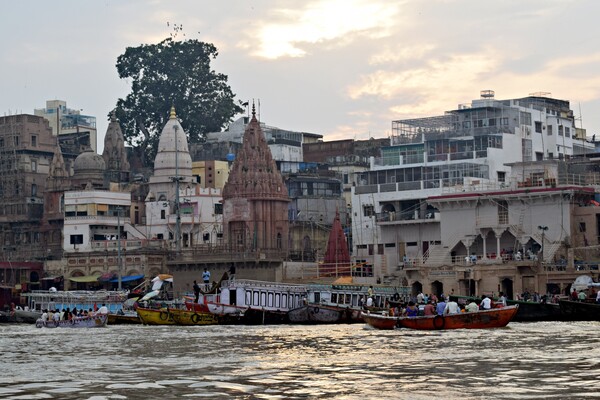
스탠퍼드대학교(Stanford University) 연구진은 급성장 도시를 대상으로 한 모델링 연구를 통해 정책 조합으로 물부족과 저소득층 부담을 동시에 완화할 수 있다고 밝혔다. [사진출처(Photo Source) = Pixabay]
2050년까지 전 세계 도시 인구의 최대 절반이 물부족에 직면할 것으로 전망된다. 인도 내 인구 700만 명 규모의 가뭄 취약 도시를 대상으로 한 이번 연구는 물공급과 수요, 정책을 통합 분석한 이번 연구는 취약계층에 부담이 집중되는 구조를 완화할 수 있음을 제시했다.
연구에 따르면, 현재 정책이 유지될 경우 인도 푸네(Pune)의 저수지는 21세기 중반까지 고갈되고 지하수 수위도 크게 낮아질 것으로 전망됐다. 저소득층의 부담은 특히 클 것으로 분석됐다. 이들은 기본적인 위생과 건강 유지를 위해 필요한 물의 절반에도 못 미치는 수준만 공급받으면서, 물비용은 소득의 약 5분의 1에 이를 것으로 나타났다.
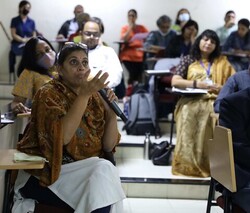
연구진은 2019년과 2022년 인도 푸네(Pune)에서 약 50명의 지역 이해관계자가 참여한 워크숍을 열어 잠재적인 정책 개입 방안을 도출했다. [사진제공(Photo Source) = 스티븐 고어릭(Steven Gorelick)]
그러나 연구는 이러한 결과를 피할 수 있으며, 추가로 필요한 물의 양도 현재 지역의 공급 수준을 크게 넘지 않는다고 밝혔다.
다만 푸네가 2050년까지 인구 1천100만 명 규모의 메가시티로 성장할 것으로 예상되는 가운데, 물요금과 이용 행태에 영향을 미칠 수 있는 거의 모든 정책 수단을 총동원해야 할 것으로 분석됐다.
스티븐 고어릭(Steven Gorelick) 스탠퍼드대학교(Stanford University) 지구시스템과학과 교수는 “가뭄에 대응할 실질적인 해법을 도출할 수 있었던 것은 매우 다양한 분야 전문가들의 폭넓은 참여와 협력 덕분”이라고 말했다. 인도의 물문제를 10년 이상 연구해 온 그는 이번 연구의 공동 책임저자다.
고어릭 교수는 공동연구진이 경제학, 도시사회학, 수문학, 기후 과학, 농업 등 다양한 분야의 전문성을 결집했으며, 지역의 물문제와 잠재적 해결 방안을 보다 정확히 이해하기 위해 지역 이해관계자들과의 지속적인 협력도 병행했다고 설명했다.
상징적 사례 도시
푸네는 기후변화로 강수 패턴이 변화하고 가뭄이 심화되는 가운데, 향후 수십 년간 급성장하는 다른 도시들이 직면할 것으로 예상되는 문제를 보여주는 대표적 사례로 꼽힌다.
2000년 이후 케이프타운(Cape Town), 상파울루(São Paulo), 첸나이(Chennai) 등 전 세계 주요 도시 80곳 이상에서 극심한 가뭄과 물부족 사태가 발생했다. 2050년까지 전 세계 도시 인구의 3분의 1에서 최대 절반이 물부족에 직면할 것으로 전망되며, 이 가운데 약 4분의 1은 인도에 거주할 것으로 예상된다.
푸네는 노후화된 상수도 시스템과 연결되지 않은 비공식 거주지 거주 인구 100만 명 이상, 다년간 가뭄이 반복되는 기후 조건 등 복합적인 문제를 안고 있다. 여기에 관개용 사탕수수 재배 중심의 강력한 농업 부문과 도시 물이용자 간 갈등도 점차 심화되는 상황이다.
불평등 구조 모델링
연구진은 수문·농업·인구 관련 데이터를 확보하기 위해 현직 및 전직 공무원, 학계, 컨설턴트, 비정부기구(NGO)와 긴밀히 협력했다. 또한 이해관계자들은 다년간 가뭄에 대응하기 위한 정책 개입 방안을 제시하며 연구에 참여했다.
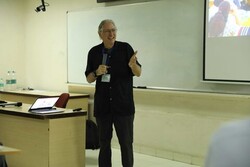
스티븐 고어릭(Steven Gorelick) 스탠퍼드 도어 지속가능성대학(Stanford Doerr School of Sustainability) 사이러스 F. 톨먼 석좌교수가 2022년 인도 푸네(Pune)에서 열린 물분야 이해관계자 워크숍에서 발언하고 있다. [사진제공(Photo Source) = 스티븐 고어릭(Steven Gorelick)]
연구진은 2040년경부터 전 세계 온실가스 배출이 감소하는 시나리오와 2100년까지 높은 수준이 유지되는 시나리오를 가정해, 사람과 산업, 농업 부문의 21세기 중반 물공급 변화를 예측하기 위한 복수의 모델을 구축했다.
또한 가구와 기업, 농업 부문의 도시 확장과 경제적 의사결정을 반영하고, 이를 연계해 인간과 자연 시스템 간의 복잡한 상호작용을 통합적으로 분석했다.
연구진은 기후 변화 경로와 경제 성장, 푸네의 인구 변화 등 주요 불확실성을 반영해 모델을 검증했다. 이어 다양한 미래 시나리오를 바탕으로 제안된 정책 개입이 물공급과 비용, 접근성에 어떤 영향을 미치는지 분석했다.
제1 저자인 안쿤 왕(Ankun Wang) 스탠퍼드 도어 지속가능성대학(Stanford Doerr School of Sustainability) 지구시스템과학 박사과정생은 “가뭄과 도시화 시나리오 전반에서 새로운 정책이 도입되지 않을 경우, 저소득층의 물비용은 급증하고 공급량은 기본적인 인간 생활에 필요한 1인당 최소 수준의 절반에 가까운 수준까지 감소하는 것으로 나타났다”고 말했다.
스티븐 고어릭 스탠퍼드대(Stanford University) 글로벌 담수 이니셔티브(Global Freshwater Initiative) 책임자이자 사이러스 F. 톨먼 석좌교수는 “정책을 시행하기에 앞서 효과적인 해법뿐 아니라 효과가 없을 것으로 예상되는 방안도 함께 식별하는 것이 중요하다”고 강조했다.
이어 “이번 모델은 정책결정자들이 실질적으로 효과가 있는 조치에 집중하고, 겉보기에는 타당해 보이지만 실제로는 실패할 가능성이 높은 방안을 채택하지 않도록 방향을 제시한다”고 덧붙였다.
복합 정책의 시너지 효과
분석 결과, 제안된 정책 개입은 개별적으로 시행할 때보다 동시에 추진될 때 가장 큰 효과를 내는 것으로 나타났다. 누수 보수와 물도난 단속, 다량 사용자를 대상으로 한 물 요금 인상, 지하수 취수 제한, 지하수 양수를 위한 전기요금 인상 등의 개별 조치는 저소득층의 물이용 부담을 소폭 완화하는 데 그치는 것으로 분석됐다. 또한 주요 댐의 물을 재배분하는 방안 역시 단독으로 시행할 경우 효과는 제한적인 것으로 나타났다.
모형 분석에 따르면 가장 큰 영향을 미치는 단일 정책은 농업용수를 농민이 탱커트럭을 통해 도시 가구에 판매할 수 있도록 하는 규제 시장을 도입하는 것이다. 연구진은 이 조치만으로도 푸네 저소득층의 물비용 부담을 소득의 18% 수준에서 4%까지 낮출 수 있다고 밝혔다.
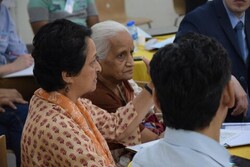
수년에 걸쳐 지역 이해관계자들의 의견을 수렴한 것은 지역의 물문제와 잠재적 해결 방안을 보다 정확히 이해하는 데 도움이 됐다. [사진제공(Photo Source) = 스티븐 고어릭(Steven Gorelick)]
안쿤 왕은 “물공급과 접근성의 형평성을 개선할 수 있는 중요한 시너지 효과를 확인했다”고 말했다. 그는 복잡한 모델링 체계를 구축하고 검증하는 데 5년을 투입했다.
아울러 “이번 연구는 계획가와 정책결정자들이 목표를 보다 효율적으로 달성할 수 있도록 한다”고 설명했다.
연구진은 정책 개입에 대한 정식 비용-편익 분석을 수행하지는 않았지만, 정책을 포괄적으로 도입할 경우 푸네 모든 주민이 하루 최소 40리터의 물을 이용할 수 있으며, 이를 위해 필요한 총 물공급 증가는 약 1% 수준에 그치는 것으로 나타났다.
향후 추진 방향
푸네에서는 이미 일부 정책이 추진되고 있다. 도시는 현재 뭄바이(Mumbai)로 흘러가는 주요 댐의 물 일부를 이전하는 방안을 승인했다. 또한 당국은 수도 계량기 설치와 탱커트럭 허가 제도를 도입하며, 농업 지역에서 도시로 물을 이전하는 규제 체계의 기반을 마련하고 있다.
연구진은 이번에 개발한 분석 프레임워크가 유사한 압력을 겪고 있는 다른 급속 도시화 지역, 특히 글로벌 사우스(Global South) 전반에서 물정책을 평가하는 데 활용될 수 있다고 밝혔다.
고어릭 교수는 “도시 인구가 급증하고 도시가 확장되며 기후 압력이 심화되는 상황에서, 전 세계 도시들이 적용할 수 있는 프레임워크를 확보하게 됐다”고 말했다.
이번 연구에는 앞서 언급되지 않은 스탠퍼드대 소속 연구진으로는 로자먼드 네일러(Rosamond Naylor) 명예교수(현역)가 참여했다. 네일러 명예교수는 도어 지속가능성대학 환경사회과학 분야 교수이자, 스탠퍼드 우즈 환경연구소(Stanford Woods Institute for the Environment)와 프리먼 스포글리 국제연구소(Freeman Spogli Institute for International Studies) 명예 시니어 펠로우를 맡고 있다. 공동 저자인 안줄리 제인 피게로아(Anjuli Jain Figueroa)는 도어 지속가능성대학의 박사후연구원이다.
추가 저자로는 헬름홀츠 환경연구센터, 국제응용시스템분석연구소, 오스트리아 개발연구재단, 킹압둘라 과학기술대학교 소속 연구진이 참여했다.
이번 연구는 벨몬트 포럼 지속가능 도시화 글로벌 이니셔티브(SUGI)의 식량-물-에너지 넥서스(Food-Water-Energy Nexus) 프로그램의 일환으로 수행됐다. 연구 조정은 미국 국립과학재단(U.S. National Science Foundation)의 지원을 받았다. 또한 오스트리아 연구진흥청(Austrian Research Promotion Agency)과 독일 연방 교육연구부(BMBF)도 추가로 지원했다.
연구는 Drought-Driven Water Insecurity in an Emerging Indian Megacity: A Coupled Multi-Agent Systems Approach for Policy Evaluation(가뭄에 따른 물 안보 위기: 인도 신흥 메가시티를 대상으로 한 정책 평가용 통합 다중 에이전트 시스템 접근법)라는 제목으로 3월 5일 국제학술지 『Earth’s Future(지구의 미래)』에 게재됐다.
[원문보기]
New research shows path to affordable water in fast-growing cities
By 2050, up to half the world’s urban population will face water scarcity. A new model of water supply, demand, and policies in a drought-prone city of 7 million in India shows how policies could prevent the poor from bearing the heaviest burden.
A new study, published March 5 in the journal Earth’s Future, finds that Pune’s reservoirs will likely dry up and groundwater levels will plummet by the middle of this century if the city maintains current policies.
Most low-income residents will face water costs approaching nearly one-fifth of their income, while having access to less than half the water needed for basic hygiene and health.
But the research shows these outcomes can be avoided, and it won’t take much more water than the region already has in regular supply. It will, however, require pulling just about every lever within reach to influence water costs and human behaviors as Pune hurtles toward megacity status, with a population expected to reach 11 million people by 2050.
“Finding viable solutions to deal with drought was the product of integrating expert contributions from a remarkably broad range of disciplinary experts,” said Steven Gorelick, a senior author of the study and Stanford professor of Earth system science who has studied water issues in India for well over a decade.
Collaborators brought expertise in economics, urban sociology, hydrology, climate science, agriculture, and “durable engagement with local stakeholders to better understand regional water challenges and potential solutions,” he said.
An emblematic city
Pune is an early example of the kinds of challenges likely to hit other fast-growing cities in coming decades as climate change shifts rainfall patterns and intensifies droughts.
Extreme droughts and water shortages have struck more than 80 major cities since 2000, from Cape Town to São Paulo to Chennai. By 2050, one-third to nearly half of the global urban population is projected to face water scarcity, with one-quarter living in India.
Pune enters this era with an aging water supply system, more than a million people living in informal settlements without piped water, a climate already prone to multi-year droughts, and growing tensions between urban water users and a powerful agricultural sector dominated by irrigation-intensive sugarcane production.
Modeling inequality
The research team worked closely with local current and former civil servants, academics, consultants, and NGOs to secure hydrologic, agricultural, and demographic data. Stakeholders also contributed by identifying potential policy interventions to overcome a multi-year drought.
The scientists developed multiple models to forecast mid-century changes in water supply for people, industry, and agriculture under climate scenarios where global emissions begin to decline around 2040 or remain high through 2100.
They projected urban expansion and economic decisions by households, businesses, and farmers, linking these components to represent complex interactions across human and natural systems.
The researchers tested these models against major uncertainties, including climate trajectories, economic development, and Pune’s population. They then analyzed how proposed policy interventions would affect water supply, costs, and access across possible futures.
“Across drought and urbanization scenarios, in the absence of new policies, the model indicates low-income residents would see water costs surge and supply decline to almost half the minimum needed per person per day for basic human needs,” said lead study author Ankun Wang, a PhD student in Earth system science at the Stanford Doerr School of Sustainability.
“It is just as important to identify which solutions will not work as those that will work, before any are implemented,” added Gorelick, who is the Cyrus F. Tolman Professor and director of the Global Freshwater Initiative at Stanford. “The model provides guidance for policymakers to focus on measures that are beneficial while not adopting seemingly good options that are actually likely to fail.”
Multiplying benefits
The analysis found the proposed interventions are most effective when implemented in concert. Individual interventions, such as fixing leaks and cracking down on water theft, raising water prices for the heaviest users, capping groundwater extractions, or doubling electricity costs for pumping groundwater, could only slightly improve water affordability for the poorest households. Even reallocating water from a major dam provides limited relief when implemented alone.
The single most influential policy change, the modeling suggests, would establish a regulated market where farmers can sell irrigation water to urban households via tanker trucks. This alone could slash water costs for Pune’s poor from 18% to 4% of their income, the authors found.
“We discovered important synergies that identify unseen improvements in equality of water supply and access,” said Wang, who spent five years assembling and testing the complex modeling framework. “This enables planners and policymakers to efficiently achieve their goals.”
Although the researchers did not conduct a formal cost-benefit analysis of interventions, they found that under comprehensive adoption of policy interventions, all Pune residents could gain access to at least 40 liters of water per day with only about a 1% increase in the total water supply.
A path forward
Several policies are already moving forward in Pune. The city has approved transferring some water from a major dam that currently flows to Mumbai. Officials are installing water meters and licensing tanker trucks, laying a foundation for regulated water transfers from farming regions.
The authors say their new framework could be used to evaluate water policies in other rapidly urbanizing regions facing similar pressures, particularly across the Global South. Gorelick said, “We now have a framework that cities around the world can adapt as urban populations surge, cities expand, and climate pressures intensify.”
Stanford-affiliated authors not mentioned above include Rosamond Naylor, an emeritus professor (active) of environmental social sciences in the Doerr School of Sustainability, and an emeritus senior fellow (active) at the Stanford Woods Institute for the Environment and the Freeman Spogli Institute for International Studies. Co-author Anjuli Jain Figueroa is a former postdoctoral researcher at the Doerr School of Sustainability.
Additional authors are affiliated with Helmholtz Centre for Environmental Research-UFZ, the International Institute for Applied Systems Analysis, the Austrian Foundation for Development Research-ÖFSE, and King Abdullah University of Science and Technology.
This work was conducted as part of the Belmont Forum Sustainable Urbanization Global Initiative (SUGI)/Food-Water-Energy Nexus theme, for which coordination was also supported by the U.S. National Science Foundation. Additional support came from the Austrian Research Promotion Agency and the Federal Ministry of Education and Research (BMBF).
 즐겨찾기 추가
 시작페이지로 설정