[지부티] 세계은행, 농촌 물접근 확대에 3천500만달러 보조금 승인
농촌 12만7천명 상수도 서비스 접근 확대…16만7천명 기후 회복력 강화
아프리카 뿔 지역 지하수 회복력 프로그램 4억5천500만달러 참여
IGAD, 국경 간 데이터·지식 공유 강화 위해 150만달러 추가 지원
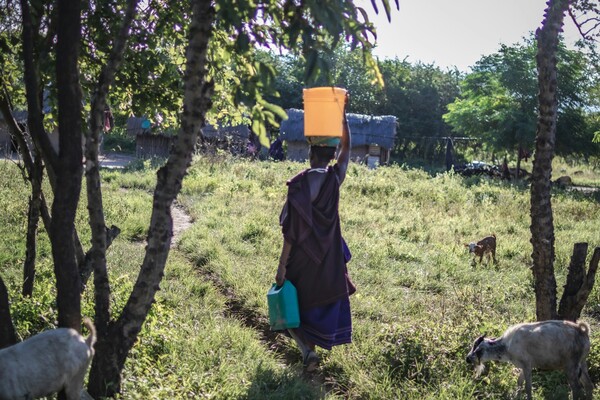
세계은행(World Bank)은 아프리카의 뿔 지역(Horn of Africa) 주요 개발 과제 해결을 위한 노력의 일환으로, 지부티 농촌 지역의 안전하고 신뢰할 수 있는 상수도 서비스 접근 확대를 위해 지부티 정부에 3천500만달러 규모의 보조금을 승인했다. [사진출처(Photo Source) = unsplash]
세계은행(World Bank)은 아프리카의 뿔 지역(Horn of Africa) 주요 개발 과제 해결을 위한 노력의 일환으로, 지부티 농촌 지역의 안전하고 신뢰할 수 있는 상수도 서비스 접근 확대를 위해 지부티 정부에 3천500만달러 규모의 보조금을 승인했다.
이번 지부티 지하수 회복력 및 물공급 프로젝트(Djibouti Groundwater Resilience and Water Supply Project, DJIRESA)는 에티오피아, 케냐, 소말리아가 참여하는 4억5천500만달러(약 6천770억4천만 원) 규모 지하수 회복력 프로그램의 일환이다.
정부간개발기구(Intergovernmental Authority on Development, IGAD)는 지역 조정 기관으로 참여하며, 국경 간 지식 공유 및 데이터 관리 강화를 위해 150만달러(약 22억3천200만 원)를 추가로 지원받을 예정이다. 이번 사업으로 지부티 농촌 지역 12만7천명에게 안정적인 상수도 서비스를 제공하고, 최소 16만7천명의 가뭄·홍수 등 기후위기 대응 능력을 강화할 것으로 예상된다.
이를 위해 농촌 상수도 시설의 건설 및 재정비를 지원해 안전한 물접근을 확대·복원할 계획이며, 운영 및 유지관리 체계를 전문화해 유지관리 부족으로 상수도 시설이 가동 중단되는 농촌 지역의 구조적 문제를 개선할 방침이다.
아울러 맞춤형 교육과 지역 사무소 설립을 통해 농촌 수자원 관리 부서의 역량을 강화하고, 국가 지하수 정보관리 시스템을 구축해 IGAD 지역 플랫폼과 연계할 예정이다. 수자원 마스터플랜 수립도 함께 지원한다.
일리야스 무사 다왈레(Ilyas Moussa Dawaleh) 지부티 경제재정부 장관은 “물에 대한 접근은 국민의 복지와 국가 발전에 필수적이며, 이번 투자는 농촌 지역 주민들의 삶에 실질적인 변화를 가져올 것”이라며 “국민 삶의 질 향상과 서비스의 공평한 접근을 국가 우선순위로 두는 지부티 비전 2035(Djibouti’s Vision 2035)와도 부합한다”고 밝혔다.
지부티의 1인당 연간 재생가능 수자원은 185m³로, 절대적 물부족 기준인 500m³를 크게 밑도는 수준이다. 일부 지역에서는 지하수가 자연 보충 속도보다 빠르게 취수되고 있으며, 이는 기후변화로 인한 가뭄·홍수 빈도 증가와 지하수 염도 상승으로 더욱 심화되고 있다. 이 같은 영향은 농촌 지역에서 특히 크게 나타나고 있으며, 기본 식수 접근률은 도시 지역 83%에 비해 농촌 지역 47%에 그쳐 장기간의 투자 불균형을 보여준다.
파투 폴(Fatou Fall) 세계은행 지부티 공동 상주대표는 “지부티 농촌 지역의 물접근 개선은 인도적·경제적 측면 모두에서 필수 과제다. 가뭄은 국가 GDP의 최대 4% 손실을 초래할 수 있으며, 그 부담은 유목민과 농촌 지역사회가 가장 크게 지고 있다”며 “이번 프로젝트는 이러한 취약성을 직접적으로 해결하는 동시에, 수자원을 지속가능하게 관리할 수 있는 제도와 데이터 시스템 구축을 지원할 것”이라고 말했다.
[원문보기]
$35 million Grant to Expand Safe Water Access for Rural Communities in Djibouti
WASHINGTON, March 16, 2026 – As part of a broader regional effort to address one of the Horn of Africa's most pressing development challenges, the World Bank has approved a $35 million grant for the Government of Djibouti to expand access to safe and reliable water resources for rural communities in Djibouti.
The Djibouti Groundwater Resilience and Water Supply Project (DJIRESA) marks the country’s entry into the Horn of Africa – Groundwater for Resilience Program, a World Bank-supported $455 million regional initiative that also includes Ethiopia, Kenya, and Somalia. The Intergovernmental Authority on Development (IGAD) serves as the regional coordinating body and will receive an additional $1.5 million to strengthen cross-border knowledge sharing and data management.
At the country level, the project is expected to enhance climate resilience for at least 167,000 people and provide access to reliable basic water services for 127,000 people in rural areas of Djibouti. It will finance the construction and rehabilitation of rural water systems, expanding and restoring access to safe water.
To ensure sustainability, the project will professionalize operations and maintenance, addressing a chronic challenge in rural Djibouti, where many water systems fall out of service due to inadequate upkeep. It will also strengthen the capacity of the Rural Hydraulic Directorate through targeted training and the establishment of new regional offices. To underpin sound decision-making, the project will establish a national Groundwater Information Management System, linked to the IGAD regional platform and will support the formulation of a Water Resources Master Plan.
"Access to water is essential to the well-being of our citizens and to the country's development," said Ilyas Moussa Dawaleh, Minister of Economy and Finance of Djibouti. "This investment will make a tangible difference in the lives of rural communities and is consistent with Djibouti's Vision 2035, which places human development and equitable access to services at the center of our national priorities."
Djibouti has renewable water resources of only 185 cubic meters per person per year — well below the 500 cubic meter threshold for absolute water scarcity. In some areas, groundwater is already being extracted faster than it can be replenished, a trend intensified by climate change through more frequent droughts, floods, and rising groundwater salinity. The consequences are felt most acutely in rural areas, where only 47 percent of residents have access to basic drinking water, compared to 83 percent in urban areas — a gap that reflects decades of unequal investment.
"Improving water access in rural Djibouti is both a humanitarian and an economic imperative. Drought can cost the country up to 4 percent of GDP, and it is pastoral and rural communities who bear the heaviest burden,” said Fatou Fall, World Bank Group Joint Resident Representative for Djibouti. “This project directly addresses those vulnerabilities while building the institutions and data systems Djibouti needs to sustainably manage its water resources for generations to come."
[출처 = 세계은행(World Bank)(https://www.worldbank.org/en/news/press-release/2026/03/16/-35-million-grant-to-expand-safe-water-access-for-rural-communities-in-djibouti) / 2026년 3월 16일]
|  즐겨찾기 추가
 시작페이지로 설정
























