[북아메리카] [2026] [캐나다] 워터루대 연구진, 태양광으로 플라스틱 폐기물 아세트산으로 전환
이름
관리자
작성일
2026-02-24
조회수
1953
파일첨부
[캐나다] 워터루대 연구진, 태양광으로 플라스틱 폐기물 아세트산으로 전환
워터루대학교 연구진 연구 결과, 국제학술지 『Advanced Energy Materials』 발표
수중 환경에서 작동하는 태양광 기반 플라스틱 전환 공정 제시
미세플라스틱 축적 저감 가능성 제시
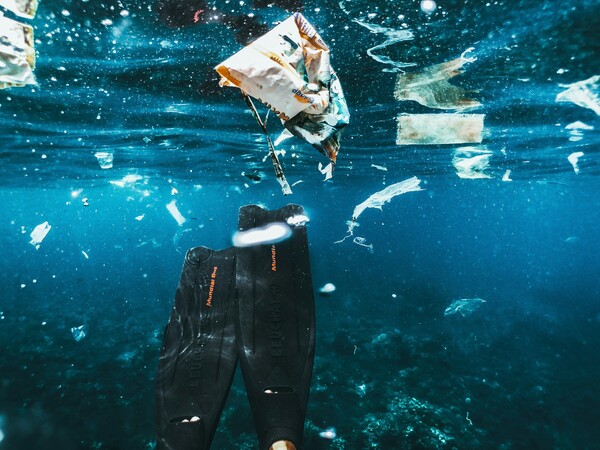
캐나다 워터루대학교 연구진이 태양광을 이용해 플라스틱 폐기물을 식초의 주성분인 아세트산으로 전환하는 광촉매 기술을 개발했다. [사진제공(Photo Source) = Unsplash]
캐나다 워터루대학교 연구진이 태양광을 이용해 플라스틱 폐기물을 식초의 주성분인 아세트산으로 전환하는 광촉매 기술을 개발했다.
해당 기술은 물속에서 반응이 진행되는 공정으로, 수중 플라스틱 오염 문제 대응 가능성도 제시한다. 이번 연구는 플라스틱 오염 저감과 동시에 부가가치 화학물질을 생산할 수 있는 새로운 접근법으로 평가된다.
연구진은 태양광을 활용해 플라스틱 폐기물을 아세트산으로 전환하는 방법을 발견했다고 밝혔다. 해당 기술은 광촉매 반응을 기반으로 하며, 자연에서 유기물이 분해되는 과정에서 영감을 얻은 생체모사 공정을 적용했다.
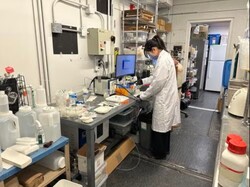
연구를 주도한 워터루대학교 박사과정생 웨이 웨이(Wei Wei)가 플라스틱 업사이클링 연구를 진행하고 있다. [사진제공(Photo Source) = University of Waterloo]
이번 연구는 우이민(Yimin Wu) 워터루대학교 기계·메카트로닉스공학과 교수이자 신에너지 소재 및 지속가능성 분야 탕 패밀리 석좌교수의 지도를 받아 박사과정생 웨이 웨이(Wei Wei)가 주도했다.
초기 연구 단계에서는 워터루 나노기술연구소와 워터 인스티튜트(Water Institute)의 공동 시드펀드 지원을 받았다.
연구진은 탄소 나이트라이드(Carbon Nitride)에 철 원자(Fe)를 삽입한 촉매를 활용해 생체모사 연속 광촉매 공정을 구현했다. 해당 공정은 일부 곰팡이가 효소를 이용해 유기물을 분해하는 메커니즘에서 착안한 것이다.
이 물질은 태양광에 노출되면 일련의 화학 반응을 유도해 플라스틱 고분자를 높은 선택도로 아세트산으로 전환한다. 반응은 물속에서 진행되며, 이로 인해 수중 환경에서의 플라스틱 오염 문제 해결에 활용 가능성이 제시됐다.
아세트산은 식품 생산, 화학 제조, 에너지 응용 분야 등에서 널리 사용된다. 연구 결과에 따르면 해당 기술은 PVC, PP, PE, PET 등 일반적인 플라스틱 폐기물에서 아세트산을 생산할 수 있으며, 혼합 플라스틱 조성에서도 효과가 유지됐다.
연구진은 이 기술이 실제 폐기물 흐름에 적용 가능하며, 플라스틱 소각의 대안이 될 수 있다고 설명했다. 또한 플라스틱 업사이클링을 통해 보다 순환적인 자원 이용 전략을 뒷받침할 수 있다고 밝혔다.
우이민 교수는 “태양광을 활용해 미세플라스틱 폐기물을 고부가가치 제품으로 전환함으로써 플라스틱 오염 문제를 해결하는 것이 목표였다”며 “이 방법은 풍부하고 무료인 태양에너지를 이용해 대기 중에 추가적인 이산화탄소를 배출하지 않고 플라스틱 오염을 분해할 수 있게 한다”고 말했다.
이번 연구에는 기술·경제성 분석도 포함됐다. 해당 분석을 공동 집필한 로이 브라우어(Roy Brouwer) 워터 인스티튜트 사무총장은 “비즈니스적·사회적 관점 모두에서 이 혁신과 관련된 재정적·경제적 이점은 유망해 보인다”고 밝혔다.
연구진은 이 공정이 플라스틱을 화학적 수준에서 분해하기 때문에 수계에서 미세플라스틱이 축적되는 것을 방지하는 데도 기여할 수 있다고 설명했다.
이번 연구는 글로벌 환경 문제에 대한 지속 가능하고 순환적인 해결책을 지원하는 워터루대학교의 글로벌 퓨처스 이니셔티브와도 연계돼 있다. 연구진은 현재 실험실 단계인 이 기술이 향후 태양광 기반의 대규모 재활용 및 환경 정화 기술로 확장 적용될 수 있으며, 재료와 제조 공정의 공학적 개선을 통해 성능을 더욱 향상시킬 수 있을 것으로 보고 있다.
이번 연구 결과는 ‘Bio-Inspired Cascade Photocatalysis on Fe Single-Atom Carbon Nitride Upcycles Plastic Wastes for Effective Acetic Acid Production’라는 제목의 논문으로 국제학술지 『Advanced Energy Materials』에 최근 게재됐다.
[원문보기]
Waterloo researchers turning plastic waste into vinegar
Sunlight-powered process converts plastic waste into a valuable chemical without added emissions
Researchers at the University of Waterloo have discovered a way to turn plastic waste into acetic acid, the main ingredient of vinegar, using sunlight.
The breakthrough offers a promising new approach to reducing plastic pollution through photocatalysis, while simultaneously creating a useful, value-added chemical product through a process inspired by nature.
“Our goal was to solve the plastic pollution challenge by converting microplastic waste into high-value products using sunlight,” said Dr. Yimin Wu, a professor of mechanical and mechatronics engineering and the Tang Family Chair in New Energy Materials and Sustainability.
The research was led by Waterloo PhD student Wei Wei under Wu’s guidance, with early-stage support from a joint seed fund from the Waterloo Institute for Nanotechnology and the Water Institute.
Plastic waste, notably microplastics, has been found across many of the planet’s ecosystems, raising concerns about threats to terrestrial and marine life as well as human health.
To tackle this problem, the team developed a bio-inspired cascade photocatalysis using iron atoms embedded in carbon nitride, like how certain types of fungi break down organic matter using enzymes.
When exposed to sunlight, the material drives a series of chemical reactions that transform plastic polymers into acetic acid with high selectivity. The reaction takes place in water, making it particularly relevant for addressing plastic pollution in aquatic environments.
Acetic acid is widely used in food production, chemical manufacturing and energy applications. The study shows it can be produced from common plastic wastes, including PVC, PP, PE and PET, and remains effective across mixed plastic compositions.
This makes the approach well suited to real-world waste streams, offering a promising alternative to plastic incineration, and could support more circular approaches to material use while providing a new strategy for upcycling plastics.
“Both from a business and societal perspective, the financial and economic benefits associated with this innovation seem promising,” said Roy Brouwer, executive director of the Water Institute and a coauthor of the article supporting the techno-economic analysis.
“This method allows abundant and free solar energy to break down plastic pollution without adding extra carbon dioxide to the atmosphere,” Wu said.
The findings also point to new possibilities for addressing microplastics directly. Because the process degrades plastics at the chemical level, it could help prevent the accumulation of microplastics in water systems.
The research aligns with the University of Waterloo’s Global Futures initiative, which supports work aimed at advancing sustainable, circular solutions to global environmental challenges.
While still at the laboratory stage, the team envisions that this approach could be adapted for scalable, solar-driven recycling and environmental cleanup and the photocatalytic upcycling system can be further enhanced through strategic engineering of the materials and manufacturing processes.
The study, Bio-Inspired Cascade Photocatalysis on Fe Single-Atom Carbon Nitride Upcycles Plastic Wastes for Effective Acetic Acid Production, was recently published in Advanced Energy Materials.
 즐겨찾기 추가
 시작페이지로 설정