[오스트리아] “글로벌 수질모니터링 시장, 2030년까지 85억5천만 달러(12조3천847억원) 규모”
호주 글로벌 스타트업 기업 분석 플랫폼 '스타트어스 인사이트(Startus Insights)', '2030년까지 글로벌 수질 모니터링 시장' 발표 예정
EU, PFAS(과불화합물) 한도 적용한 「식수 지침」, 1월 12일부터 시작화
미국 EPA, PFOA(과불화옥탄산)·PFOS(과불화옥탄술폰산)에 대해 4조분의1(ppt) 같은 강제 가능 한도 설정
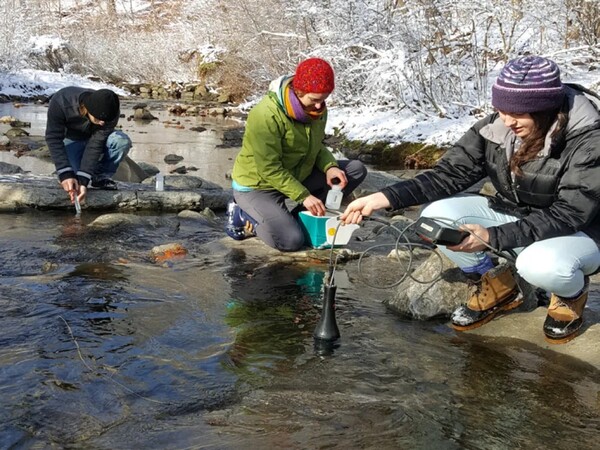
EU(유럽연합) 및 미국에서 PFAS(과불화합물) 규정이 강화됨에 따라 수질 모니터링이 적용되는 검사에서 가능성이 검증되고 있어 오스트리아 빈에 있는 글로벌 스타트업 분석 플랫폼인 '스타트어스 인(Startus Insights)'은 글로벌 수질 모니터링 시장이 오는 2030년까지 85억5천만 달러(12조 3천847마력) 규모로 성장할 수 있다고 전망했습니다. [사진출처(사진출처) =업스트림 피츠버그(UpstreamPgh)]
올해 EU(유럽 연합), 미국 등에서 PFAS(과불화화합물) 규정부터 강화됨에 따라 수질 모니터링에서 검사를 받는 확인으로 전환됩니다. 오스트리아 빈에 있는 글로벌 스타트업 기업 분석 플랫폼인 '스타트어스 인사이트(Startus Insights)'는 '수질 모니터링 시장 범위 : 2030년까지 85억 5천만 달러 시장 보고서(Water Quality Monitoring Market Report : A USD 855B Market by 2030)'라는 보고서를 2월 12일 발표했다.
이 보고서는 ‘스타트어스 인사이트(Startus Insights)’의 데이터와 마켓 시그널(Market Signals)을 활용해 센서와 실험실 분석부터 원격 측정(Telemetry) 및 보고에 이르기까지 모니터링 스택(Stack)을 매핑(Mapping)하여 파일럿(Pilot), 파트너십, 표준화할 위치를 강조했다. 이 보고서 내용을 소개한다.[번역 및 정리 = 배철민 편집국장 겸 글로벌물산업정보센터장]
유틸리티 및 산업 운영자를 위한 주요 요점
「EU 식수 지침(EU Drinking Water Directive)」은 EU 회원국들이 PFAS에 대해 한도를 적용하도록 요구하며(예 : ‘PFAS 합산’은 0.1㎍/L, ‘총 PFAS’는 0.5㎍/L), 이 매개변수 값은 2026년 1월 12일부터 의무화되었다. 이는 많은 수자원 공급자가 추적하고 보고해야 하는 최소 매개변수 집합을 사실상 확장한 것이다.
미국에서는 PFAS에 대한 EPA(환경보호청)의 첫 번째 국가 식수 기준이 PFOA(과불화옥탄산, Perfluorooctanoic acid)와 PFOS(과불화옥탄술폰산, Perfluorooctanesulfonic acid)에 대해 4조분의 1(ppt) 같은 강제 가능한 한도를 설정했다. 이로 인해 검사 확대와 치료 배포로 시작하는 준수 주기가 형성되었다.
EPA는 또한 약 6만6천 개의 공공 수도 시스템 중 6∼10%가 조치를 취해야 할 것으로 추정하며, 이는 약 1억 명에게 영향을 미칠 수 있다고 추정한다. 공급업체의 경우, 일반적인 PFAS 추세가 아니라 측정 가능한 일정 중심의 모니터링 물결이다.
2022년에는 전 세계적으로 22억 명이 안전하게 관리되는 식수 서비스가 부족했다. 이로 인해 수질 모니터링이 단순한 ESG 라인 항목이 아니라, 유틸리티와 산업 운영자 모두에게 준수 및 위험 관리 기능으로 전환되었다.
더불어, 공중보건 노출은 구조적으로 여전히 크다. WHO(세계보건기구)는 최소 17억 명이 배설물로 오염된 식수를 사용하고 있는 것으로 추정하고 있다. 이는 미생물 및 대리 매개변수 모니터링(탁도, 잔류 소독제, 전도성)을 더욱 촉진하는 직접적인 원동력이다.
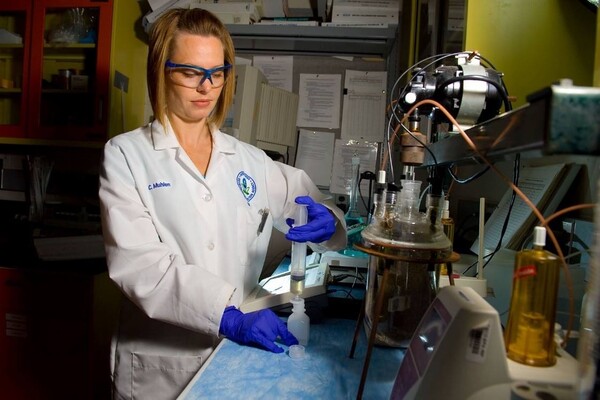
미국에서는 PFAS에 대한 EPA(환경보호청)의 첫 번째 국가 식수 기준이 PFOA(과불화옥탄산)와 PFOS(과불화옥탄술폰산)에 대해 4조분의 1(ppt) 같은 강제 가능한 한도를 설정했다. 이로 인해 검사 확대와 치료 배포로 시작하는 준수 주기가 형성되었다. [사진출처(Photo source) = 미국 환경보호청(EPA)]
시장 전망 및 수요 동인 : 수질 모니터링
인도와 미국에 기반을 둔 글로벌 시장조사기관 그랜드 뷰 리서치(Grand View Research)는 글로벌 수질센서 시장(Global Water Quality Sensor Market)을 2024년 기준 57억3천만 달러(DIR 8조3천억 원)로 평가했으며, 2025년부터 2030년까지 연평균(CAGR) 약 8.1% 증가해 오는 2030년까지 91억 달러(13조1천814억 원)를 예상하고 있다.
이는 다중 매개변수 프로브, 광학 분석기, 인라인 센서가 전체 모니터링 예산이 제한되는 상황에서도 ‘수동 테스트만(Manual testing only)’ 워크플로우(workflow)를 계속 넘어설 것임을 시사했다.
글로벌 디지털 수자원 지출은 2021년 2천590억 달러(375조1천615억 원)에서 2030년 5천520억 달러(799조5천720억 원)로, 연평균 8.8%로 증가가 예상된다. 이는 45개 주요 시장에서 10년간 누적 3억8천750만 달러(5천612억9천375만 원)의 기회를 의미한다.
스타트어스 인사이트(Startus Insights)의 데이터베이스는 약 2천500개 기업을 추적하며, 이 중 290개 이상의 스타트업(Startups)도 포함되어 있다. 이는 모니터링 기술(Monitoring Technologies), 분석 플랫폼(Analytics Platform), 규제 준수 솔루션(Regulatory Compliance Solution) 등 전문적이면서도 활발한 혁신 생태계를 지원하고 있음을 의미한다.
지난 1년간 업계는 0.96%의 성장률을 기록하며 규제에 따른 꾸준한 성장을 반영했다. 노동력 측면에서 보면, 이 부문은 전 세계적으로 약 12만5천400명의 전문가를 고용하고 있으며, 지난 1년간 45명 이상의 신규 직원이 추가되었다.
이러한 환경 속에서 290개 이상의 스타트업의 존재는 집중적이면서도 활발한 혁신 계층을 의미한다. 이 시장은 2025년 60억 달러(8조6천910억 원)에서 2030년까지 85억 달러(약 12조 3천123억 원)로 증가할 것으로 예상되며, 2025년부터 2030년까지 연평균 성장률(CAGR)은 7.2%이다.
신흥 기업들과 그들이 다르게 하는 점
■ 포트워터컨트롤(Port Water Control) - AI 기반 유출 탐지 스페인의 스타트업인 포트워터컨트롤(Port Water Control)은 AI와 이미지 인식을 적용해 항구(Port)의 지표수 상태를 모니터링하는 항구 수역용 자동 유출 감지 시스템을 구축했다. 스타트업은 수면의 이미지를 지속적으로 촬영하는 지능형 샘플링 유닛인 ‘넵튠스(Neptunes)’를 설치했다. 이들은 이를 분석하여 실시간으로 유출이나 오염 흔적을 식별한다.
그 후 시스템은 오염이 확산되기 전에 신속한 대응과 데이터 기반 환경 관리를 지원하는 조기 경고를 생성한다. 또한, 집계된 모니터링 데이터는 항만에 반복되는 유출 패턴과 수질에 미치는 운영 영향에 대한 측정 가능한 통찰력을 제공한다.
■ 오터 인텔리전스(Otter Intelligence) - 하·폐수 최적화 네덜란드의 스타트업 오터 인텔리전스(Otter Intelligence)는 하·폐수 처리 및 수질 모니터링을 위한 데이터 및 AI 기반 최적화 플랫폼을 개발했다. 이 기관은 플랜트 및 수질 데이터를 지속적으로 수집 및 분석하여 시스템 동작을 모델링하고, 편차를 감지하며, 실시간 처리 과정을 최적화했다.
그 결과, △스마트 화학 투여 △고급 데이터 시각화 △예측 유지보수를 통한 직접 알림 기능을 지원한다. 또한 단일 시스템 내에서 의제 최적화, 원격 모니터링, 즉각적인 보고, AI 챗봇 기반(Chatbot-Based) 운영 조언도 제공한다.
■ 만타 바이오시스템즈(Manta Biosystems) - 미생물 탐지 시스템 미국에 본사를 둔 스타트업 만타 바이오시스템즈(Manta Biosystems)는 물 속에서 생존 가능한 미생물과 바이러스를 검출하고 샘플을 처리하는 자동화된 분자 모니터링 플랫폼인 만타 비젼(Manta Vision)을 제공한다.
이 시스템은 완전 자동화된 카트리지 기반 ‘중합효소 연쇄반응(Polymerase Chain Reaction, PCR)’ 워크플로우로 작동한다. 이 과정에서 샘플은 여과 및 용해되며, 핵산은 정제되어 시약과 결합되며, 반정량적 PCR 분석을 통해 실험실 정보 관리 시스템과 통합되는 디지털 판독물을 생성한다. 이를 통해 플랫폼은 최대 24개의 표적을 고민도, 최소 실무 시간, 일회용 소모품을 통한 오염 위험을 줄이는 다중 탐지를 지원한다.
■ 워터센스(WaterSense) - 자율 부유 실험실 이탈리아 스타트업 워터센스(WaterSense)는 강과 호수에 대한 실시간 내륙 수질 데이터 인텔리전스를 제공하는 자율 부유식 실험실 네트워크를 구축한다. 이 스타트업은 여러 깊이에서 지속적으로 물을 끌어오는 에너지 독립형 모듈식 스테이션을 배치한다. 이들은 내부 제어된 조건 하에서 실험실 수준의 측정을 수행하고, AI가 위성 관측을 분석, 예측, 통합하는 클라우드 플랫폼으로 데이터를 전송한다.
따라서 스타트업은 수동 샘플링 대신 실시간 모니터링, 스마트 알림, 예측적 조기 경보, 지도, 보고서, API(Application Programming Interface), 예측 모델을 통한 표준화된 데이터 접근을 도입했다. 또한, 독자적인 안티바이오파울링(Anti-Biofouling) 기술이 안정적인 장기 정확도를 보장한다. 또한, 하이브리드 태양광과 선택적 수력 발전은 외부 인프라 없이도 유지보수 없이 운영할 수 있게 한다.
■ 워터스코프(WaterScope) - 박테리아 검사 에티오피아 스타트업 워터스코프(WaterScope)는 현장 배치 가능한 식수 검사 시스템을 구축했다. ISO 9308-1 멤브레인 여과 공정을 압축적이고 디지털 워크플로우로 정교하게 개선하여 박테리아 오염을 탐지한다.
과정은 슬라이더 안에 멤브레인과 흡수 패드를 조립하는 것으로 시작된다. 이 슬라이더는 금속 카트리지 안에 고정되어 모터 구동 진공 펌프에 연결되어 멤브레인을 통해 물 샘플을 끌어당긴다.
물이 막을 통과할 때 최대 100mL의 샘플 부피에서 박테리아가 포집된다. 이 단계는 정확한 하류 분석을 위해 미생물을 농축시킨다. 다음으로 액체 영양 매체를 흡수 패드에 첨가한다. 카트리지는 통합 인큐베이터에 넣어 박테리아 군락이 통제된 조건에서 성장한다.
내장된 현미경은 초기 박테리아 성장의 고해상도 이미지를 포착한다. 머신러닝 알고리즘(Machine Learning Algorithm)은 박테리아 군락을 자동으로 식별하고 집계한다. 결과는 내장된 IoT(사물인터넷) 모듈을 통해 중앙 대시보드로 업로드 된다. 이 대시보드는 실시간 지도 작성, 추세 분석, 수질 데이터의 과거 추적을 가능하게 한다.
혁신 신호
특허 활동은 혁신 강도가 크게 가속화되고 있음을 나타낸다. 이 분야에서 활동하는 기업들은 약 2만1천900건의 특허를 보유하고 있으며, 약 1만4천100명의 출원자가 출원했다. 연간 특허 성장률 17.02%는 빠르게 증가하는 연구개발 활동을 보여준다.
이는 기술 경쟁의 심화와 스마트 센서, AI 기반 분석, 통합 수자원 관리 시스템 등 차세대 모니터링 플랫폼의 등장을 시사한다. 이러한 성장은 규제 조사, 공중 보건 문제, 그리고 물 안전 및 환경 모니터링에서 조기 경보 시스템의 필요성을 반영한다.
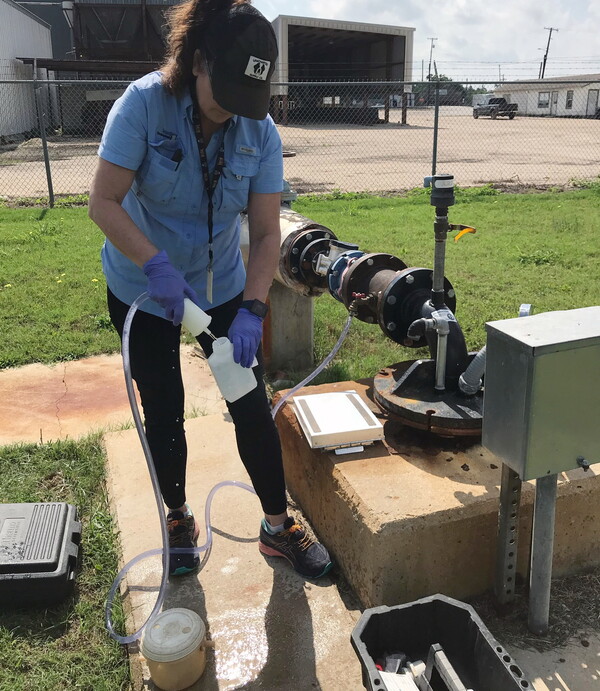
EPA는 약 6만6천 개의 공공 수도 시스템 중 6∼10%가 조치를 취해야 할 것으로 추정하며, 이는 약 1억 명에게 영향을 미칠 수 있다고 추정한다. 공급업체의 경우, 일반적인 PFAS 추세가 아니라 측정 가능한 일정 중심의 모니터링 물결이다. [사진출처(Photo source) = 미국 환경보호청(EPA)]
신속한 미생물 검출
신속한 미생물 검출 부문에는 전 세계적으로 약 1천900명의 전문가를 고용하는 55개 이상의 기업이 포함되어 있다. 지난해 신규 직원은 단 2명에 불과했지만, 연간 7.17%의 성장률은 더 빠르고 현장 배치 가능하며 실시간 오염 감지 시스템에 대한 수요 증가에 따른 강한 모멘텀을 나타낸다. 이러한 증가는 규제 감시, 공중보건 우려, 그리고 수자원 안전 및 환경 모니터링에서 조기 경보 시스템의 필요성을 반영한다.
바이오 모니터링
바이오 모니터링(Biomonitoring)은 230개 이상의 기업이 참여하는 중간 규모이지만 안정화되고 있는 부문이다. 약 2만5천700명의 전문가를 고용하고 있으며, 지난 1년간 8명 이상의 신규 직원을 추가했다. 연간 성장률이 -0.12%인 바이오 모니터링은 성숙의 조짐을 보이고 있다. 혁신 노력은 최적화, 데이터 통합, 규제 정렬에 중점을 둔다.
자금 조달, 투자 및 거래 활동
필요한 자본의 규모는 모니터링 및 준수 계측에 대한 장기 수요를 창출한다. 미국 의회 연구 서비스(US Congressional Research Service) 요약본에는 EPA가 추산한 하수 및 빗물 인프라 수요가 6천300억 달러(912조5천550억 원)에 달한다고 언급했다. 이 수치는 자본 투자 프로그램이 확대되는 동안 운영 역량을 늘리기 위해 자동화 샘플링, 지속적인 모니터링, 디지털 보고가 도입되는 이유를 보여준다.
M&A는 치료, 기기, 디지털 모니터링 전반에 걸친 역량을 통합하는 과정이다. 자일럼(Xylem)이 75억 달러(약 10조8천60억 원) 규모로 에보쿠아(Evoqua)를 인수함으로써 장비, 서비스 및 모니터링 관련 포트폴리오를 더 큰 플랫폼 벤더 아래에 묶어 놓았다.
네트워크 모니터링도 함께 활용되고 있다. 예를 들어, 미국의 글로벌 계량기 전문기업인 배저 미터(Badger Meter)는 스마트커버 시스템즈(SmartCover Systems)를 1억8천500만 달러 (2천679억7천250만 원) 규모로 인수했으며, 이 시스템은 수거 시스템(하수도 및 리프트 스테이션 모니터링)에 대한 실시간 모니터링을 네트워크 모니터링 스위트에 추가했다.
구매자들에게 이는 모니터링 포트폴리오가 식수, 하수, 빗물 위로 통합되고 있다는 신호이다. 수질 모니터링 산업에 대한 투자 활동은 신중하지만 일관되게 지지되는 시장을 반영한다. 이 프로젝트는 거래 규모가 적당하고 금융, 전략, 공공 부문 투자자들의 폭넓은 참여가 특징이다.
675명 이상의 투자자가 에코시스템(Ecosystem)에서 활발히 활동하고 있으며, 280개 이상의 기업에서 총 840회 이상의 투자 라운드를 완료했다. 주요 투자자들이 투자한 총 가치는 2억5천250만 달러(3천657억4천600만 원)를 초과하며, 주요 수질 모니터링 혁신 기업 전반에 걸쳐 집중적인 자본 투입을 보여준다.
[표 1] 글로벌 10대 수질모니터링 투자기업
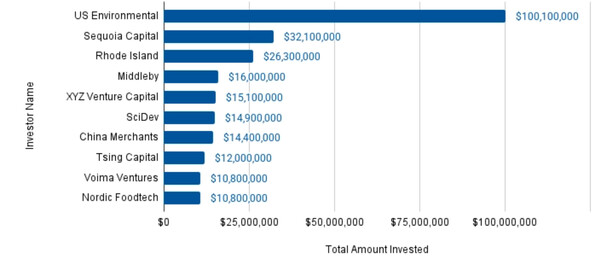
[그래픽 출처(graphic source) = 스타트어스 인사이트(Startus Insights)]
포함 및 제외 사항
2026년 수질 모니터링 전망은 ‘스타트어스 인사이트 검색 플랫폼(StartUs Insights Discovery Platform)’을 기반으로 구축되어 900만 개 이상의 기업, 2만5천 개 이상의 기술 및 트렌드, 1억9천만 건의 특허와 뉴스, 과학 출판물, 시장 보고서를 함께 참고했다.
여기서 추적되는 시장 신호는 2026년 운영 환경과 명확히 연계되어 있으며, 규제가 최소 매개변수 세트를 확장하고 검증 부담을 증가시키는 상황이다. EU(유럽연합)에서는 PFAS 총 및 합 PFAS 한도값(0.5㎍/L 및 0.1㎍/L)이 2026년 1월 12일부터 의무화되어 유틸리티와 산업 현장이 검증된 방법, 고빈도 모니터링, 조화로운 보고 방향으로 나아가고 있다.
[원문보기]
Water Quality Monitoring Market Report: A USD 8.55B Market by 2030
Water quality monitoring is shifting from periodic testing to continuous verification as PFAS rules tighten in 2026. This report maps the monitoring stack - from sensors and lab analytics to telemetry and reporting - using StartUs Insights data and market signals to highlight where to pilot, partner, and standardize.
Key Takeaways for Utilities and Industrial Operators
The EU Drinking Water Directive requires Member States to apply limits for PFAS (e.g., 0.1 μg/L for “Sum of PFAS” and 0.5 μg/L for “Total PFAS”) with those parametric values becoming mandatory from 12 January 2026. This effectively expands the minimum parameter set that many water suppliers must track and report.
In the US, the EPA’s first national drinking-water standard for PFAS sets enforceable limits such as 4 parts per trillion (ppt) for PFOA and PFOS. This creates a compliance runway that begins with expanded testing and then treatment deployment.
EPA also estimates 6-10% of ~66 000 public water systems may need to take action, and may affect ~100 million people. For vendors, this is a measurable, schedule-driven monitoring wave rather than a generic PFAS trend.
In 2022, 2.2 billion people lacked safely managed drinking-water services globally. This keeps water quality monitoring from being a nice-to-have ESG line item and turns it into a compliance and risk-management function for utilities and industrial operators alike.
Moreover, public health exposure remains structurally large. The WHO estimates that at least 1.7 billion people use a drinking water source contaminated with faeces. This is a direct driver for faster microbial and proxy-parameter monitoring (turbidity, residual disinfectant, conductivity).
Market Outlook and Demand Drivers: Water Quality Monitoring
Grand View Research sizes the global water quality sensor market at USD 5.73B (2024) and projects USD 9.1B by 2030 (about 8.1% CAGR from 2025 to 2030). This suggests that multi-parameter probes, optical analyzers, and inline sensors will keep outgrowing “manual testing only” workflows even where overall monitoring budgets are constrained.
Global digital water spend rising from USD 25.9B (2021) to USD 55.2B (2030) at an 8.8% CAGR. This represents a USD 387.5B cumulative opportunity over the decade across 45 leading markets.
Our database tracks approximately 2.5K companies, including 290+ startups. This indicates a specialized yet active innovation ecosystem supporting areas such as monitoring technologies, analytics platforms, and regulatory compliance solutions.
Over the last year, the industry recorded a 0.96% growth rate to reflect steady, regulation-driven expansion.
From a workforce perspective, the sector employs approximately 125.4K professionals globally, with 45+ new employees added in the last year.
Within this landscape, the presence of 290+ startups points to a focused but active innovation layer. The market is expected to increase from USD 6 billion in 2025 to USD 8.5 billion by 2030, at a compound annual growth rate (CAGR) of 7.2% from 2025 to 2030.
Emerging Players and What They Do Differently
■ Port Water Control - AI based Spill Detection : Spanish startup Port Water Control builds an automatic spill detection system for harbor waters that applies AI and image recognition to monitor surface water conditions in ports. The startup installs Neptunes, intelligent sampling units that continuously capture images of the water surface. They analyze them to identify spills or signs of pollution in real time.
Then, the system generates early alerts that support rapid response and data-driven environmental management before contamination spreads. Also, aggregated monitoring data provides ports with measurable insight into recurring spill patterns and operational impacts on water quality.
■ Otter Intelligence - Wastewater Optimization : Dutch startup Otter Intelligence develops a data- and AI-driven optimization platform for wastewater treatment and water quality monitoring. It continuously collects and analyzes plant and water quality data to model system behavior, detect deviations, and optimize treatment processes in real time.
As a result, the platform enables smart chemical dosing, advanced data visualization, and direct alerts with predictive maintenance. It also offers agenda optimization, remote monitoring, instant reporting, and AI chatbot-based operational advice within a single system.
■ Manta Biosystems - Microbial Detection System : US-based startup Manta Biosystems offers MantaVision, an automated molecular monitoring platform that detects viable microorganisms and viruses in water and processes samples.
The system operates as a fully automated cartridge-based polymerase chain reaction (PCR) workflow. In this, samples are filtered and lysed, nucleic acids are purified and combined with reagents, and semi-quantitative PCR analysis produces a digital readout that integrates with laboratory information management systems.
With this, the platform supports multiplex detection of up to 24 targets with high sensitivity, minimal hands-on time, and reduced contamination risk through single-use consumables.
■ WaterSense - Autonomous Floating Laboratories : Italian startup WaterSense builds an autonomous floating laboratory network that delivers real-time inland water quality data intelligence for rivers and lakes. The startup deploys energy-independent modular stations that continuously draw water from multiple depths. They perform laboratory-grade measurements under controlled internal conditions, and transmit data to a cloud platform where AI analyzes, forecasts, and integrates satellite observations.
Thus, the startup replaces manual sampling with live monitoring, smart alerts, predictive early warnings, and standardized data access through maps, reports, APIs, and forecasting models.
Additionally, proprietary anti-biofouling technology ensures stable long-term accuracy. Also, hybrid solar and optional hydro power enable maintenance-free operation without external infrastructure.
■ WaterScope - Bacterial Testing : Ethiopian startup WaterScope builds a field-deployable drinking water testing system. It detects bacterial contamination by refining the ISO 9308-1 membrane filtration process into a compact, digital workflow.
The process begins by assembling a membrane and an absorbent pad inside a slider. This slider is secured within a metal cartridge and connected to a motorized vacuum pump that draws a water sample through the membrane.
As water passes through the membrane, bacteria are trapped from sample volumes of up to 100 mL. This step concentrates microorganisms for accurate downstream analysis.
Next, liquid nutrient media is added to the absorbent pad. The cartridge is then placed into an integrated incubator where bacterial colonies grow under controlled conditions.
A built-in microscope captures high-resolution images of early bacterial growth. A machine learning algorithm automatically identifies and counts bacterial colonies.
The results are uploaded through an embedded IoT module to a central dashboard. This dashboard enables real-time mapping, trend analysis, and historical tracking of water quality data.
Innovations Signals
Patent activity signals a strong acceleration in innovation intensity. Companies operating in the sector hold approximately 21.9K patents, filed by around 14.1K applicants.
A yearly patent growth rate of 17.02% highlights rapidly increasing R&D activity. It suggests heightened technological competition and the emergence of next-generation monitoring platforms, including smart sensors, AI-enabled analytics, and integrated water management systems.
Rapid Microbial Detection
The rapid microbial detection segment includes 55+ companies operating in its space, employing around 1900 professionals globally. Although only 2 new employees were added in the last year, the segment’s annual growth rate of 7.17% signals strong momentum driven by rising demand for faster, field-deployable, and real-time contamination detection.
This growth reflects regulatory scrutiny, public health concerns, and the need for early-warning systems in water safety and environmental monitoring.
Biomonitoring
Biomonitoring represents a mid-sized but stabilizing segment, with 230+ companies. It employs approximately 25 700 professionals, and added 8+ new employees in the last year.
With an annual growth rate of -0.12%, biomonitoring shows signs of maturity. Innovation efforts emphasize optimization, data integration, and regulatory alignment.
Funding, Investment, and Deal Activity
The scale of required capital creates long-cycle demand for monitoring and compliance instrumentation. A US Congressional Research Service summary notes EPA’s estimate of USD 630 billion in wastewater and stormwater infrastructure needs.
This number underlines why automated sampling, continuous monitoring, and digital reporting are being adopted to stretch operational capacity while capex programs ramp.
M&A is consolidating capabilities across treatment, instruments, and digital monitoring. Xylem’s completion of its ~USD 7.5 billion acquisition of Evoqua bundles equipment, services, and monitoring-adjacent portfolios under a larger platform vendor.
Network monitoring is also being bought in. For instance, Badger Meter announced the USD 185 million acquisition of SmartCover Systems, which adds real-time monitoring for collection systems (sewer line and lift station monitoring) to its network monitoring suite.
For buyers, this is a signal that monitoring portfolios are converging across drinking water, wastewater, and stormwater rather than staying siloed.
Investment activity in the water quality monitoring industry reflects a measured but consistently supported market. It is characterized by moderate deal sizes and broad participation from financial, strategic, and public-sector-aligned investors.
More than 675 investors are active in the ecosystem, collectively closing over 840 funding rounds across more than 280 companies.
The combined value invested by top investors exceeds USD 252.5 million, showing concentrated capital deployment across major water quality monitoring innovators.
What’s Included and Excluded
이 2026년 수질 모니터링 전망은 StartUs Insights Discovery Platform을 기반으로 구축되었으며, 900만 개 이상의 기업, 2만 5천 개 이상의 기술 및 트렌드, 1억 9천만 개 이상의 특허와 뉴스, 과학 논문, 시장 보고서를 분석했습니다.
이는 현장 및 인라인 센서, 샘플링 및 QA/QC 워크플로, 실험실 분석 기능, 원격 측정, 엣지 연결 및 데이터 계층을 포함하여 측정에서 의사 결정에 이르는 전체 과정을 포괄합니다.
여기서 추적하는 시장 신호는 규제가 최소 매개변수 세트를 확장하고 검증 부담을 증가시키는 2026년 운영 환경과 명확하게 연관되어 있습니다.
EU에서는 2026년 1월 12일부터 PFAS 총량 및 PFAS 합계에 대한 제한값(0.5μg/L 및 0.1μg/L)이 의무화되었으며, 이로 인해 상수도 사업자와 산업 현장은 검증된 방법, 더 높은 빈도의 모니터링 및 표준화된 보고 체계를 준수해야 합니다.
[출처 = 스타트어스 인사이트(Startus Insights) ( https://www.startus-insights.com/innovators-guide/water-quality-monitoring-market-report/ ) / 2026년 2월 12일]
|  즐겨찾기 추가
 시작페이지로 설정
























