[해외조사연구보고서] “디지털화·기후변화로 인해 전 세계적으로 물관리가 재편되고 있다”
에코랩(Ecolab), 전세계 물관리 보고서 ‘2025 워터마크 연구(2025 Watermark™ Study)’ 결과 발표
소비자, AI 작동하는데 필요한 상당한 전력 소비 인정…물 발자국 인식하는 소비자는 거의 없어
기후변화·물 관련 자연재해로 기업이 물 위험 완화해야 한다는 요구 높아…기업이 물보호에 대한 투자 늘려야
각 지역의 60% 이상의 소비자들이 물부족 문제 효과적으로 해결할 수 있다고 믿어
물 솔루션 및 서비스를 제공하는 글로벌 지속가능성 선도기업인 미국의 에코랩(Ecolab)은 10월 30일 전 세계 물관리에 대한 보고서를 담은 ‘2025 워터마크 연구(Third Annual Ecolab Watermark™ Study)’ 결과를 발표했다.
물 솔루션 및 서비스를 제공하는 글로벌 지속가능성 선도기업인 미국의 에코랩(Ecolab)은 10월 30일 전 세계 물관리에 대한 보고서를 담은 ‘2025 워터마크 연구(2025 Ecolab Watermark™ Study)’ 결과를 발표했다. 이 보고서 내용을 요약했다.
에코랩의 ‘2025 워터마크 연구(Watermark™ Study)’에 따르면, 15개국 소비자 대다수는 AI의 전력 수요를 이해하고 있지만, AI 기술 제조 및 데이터 센터 운영에 필요한 물의 양과 같은 AI의 숨겨진 영향을 인식하는 사람은 훨씬 적은 것으로 나타났다.
제3회째를 맞은 ‘2025 워터마크 연구(2025 Ecolab Watermark™ Study)’ 의 올해 연구는 인공지능(AI)의 급속한 성장으로 인한 새로운 사업 기회와 필수 천연자원에 미치는 영향에 대한 소비자의 우려를 포함하여 시의적절한 글로벌 동향(Global Trends)과 물이 연관되어 있음을 강조했다.
미국에서는 소비자의 46%만이 ‘AI 운영에 물을 사용한다’고 인식하는 반면, 전력 사용을 인식하는 소비자는 55%에 불과했다. 아시아 태평양 및 라틴 아메리카를 포함한 다른 지역에서는 이러한 격차가 더욱 두드러졌다.
에코랩(Ecolab)의 크리스토프 벡(Christophe Beck) 회장 겸 CEO는“2050년까지 세계 인구는 약 30% 증가하고 에너지 소비량은 47% 증가할 것”이라면서 “물 수요는 계속해서 급증할 것이지만, 2030년까지 세계는 이미 56%의 물 부족에 직면할 것으로 예상된다”라고 말했다.
크리스토프 벡 회장은 특히 “AI 붐은 이러한 미래를 형성하는 데 기여하고 있으며, 새로운 사업 성장과 혁신적인 혁신의 잠재력을 열었다. 동시에 매주 새로운 데이터센터가 설립되고 매달 새로운 제조 공장이 가동되고 있다. 이러한 시설에 필요한 에너지는 더 많이 생산할 수 있지만, 가장 중요한 자원인 물은 더 많이 생산할 수 없다”라고 강조했다.
그는 이어 “현재 산업폐수의 20%만 재사용되고 있으며, 마이크로일렉트로닉스(Microelectronics) 산업에서는 10% 미만에 불과하다. 우리는 폐수를 엔지니어링상의 결함이자 사업 성장의 원동력으로서의 기회 손실로 보고 있다”고 덧붙였다.
벡 회장은 또한 “에코랩은 AI 자원 문제에 대한 해결책이 그 자체에 있다고 믿는다. AI를 데이터 분석, 실시간 모니터링, 온도 조절에 적용함으로써 산업용 수자원 관리 시스템이 세차장보다 적은 물을 사용하는 데이터 센터를 구축할 수 있다”고 말했다.
[그림 1] 인공지능(AI) 운영을 지원하는 데 사용되는 각 자원은 어느 정도인가?
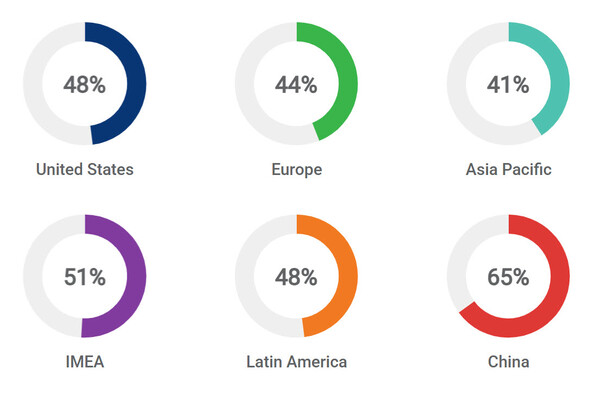
에코랩의 ‘2025 워터마크 연구(Watermark™ Study)’에 따르면, 많은 소비자들이 AI(인공지능)를 작동하는 데 필요한 상당한 전력을 소비한다는 것을 인정하고 있다. 하지만, 물 발자국을 인식하는 소비자는 거의 없는 것으로 나타났다. [그림출처(picture source) = 에코랩(Ecolab)]
‘2025 워터마크 연구(Watermark™ Study)’에 따르면, 대부분의 소비자들은 기업이 AI가 천연자원에 미치는 영향을 완화하는 기술과 인프라에 투자해야 한다는 데 동의했다. 또한, 소비자들이 기업이 물 사용량을 책임감 있게 관리할 것이라고 생각하지 않는다는 숨겨진 신뢰 격차도 드러났다.
실제로 대다수의 소비자는 ‘물 재이용 또는 재활용과 같은 스마트 물관리(Smart Water Management)가 물부족 문제 해결을 위한 기업의 최우선 과제가 되어야 한다’고 생각하고 있었다. 하지만 ‘기업과 정부가 이러한 전략을 일상 업무에 활용하고 있다’고는 생각하지 않고 있는 것으로 조사됐다. 특히 미국(43%와 42%), 유럽(44%와 41%), 아시아·태평양(48%와 48%), 라틴 아메리카(48%와 46%)에서는 신뢰도가 낮았다.
에코랩(Ecolab)의 에밀리오 테누타(Emilio Tenuta) 최고지속가능성책임자(CSO)는 “전 세계 소비자들은 회복 탄력적인 미래를 위해 스마트 물관리가 필수적임을 인식하고 있으며, 기업들이 혁신적인 기술과 투명한 실행을 통해 이를 실현하기를 기대하고 있다”고 말했다.
테누타 CSO는 특히 “기업들은 AI의 힘을 활용하여 지역 사회의 요구를 충족하는 영향력 있는 물 솔루션을 제공하는 동시에 혁신과 사업 성장을 촉진할 기회를 가지고 있다”고 강조했다.
‘워터마크 연구(Watermark™ Study)’는 또한 전 세계의 물 관련 극한 기상현상과 물 가용성에 대한 소비자 인식을 면밀히 조사했다. 물부족에 대한 우려는 여전히 높지만, 소비자들은 이러한 문제가 해결될 수 있다는 낙관적인 전망을 가지고 있다.
에코랩의 ‘워터마크 연구(Watermark™ Study)’는 2025년 3월 모닝 컨설트(Morning Consult)와 협력하여 실시되었다. 응답자는 아시아 태평양, 중국, 유럽, 라틴 아메리카, 인도, 중동, 아프리카, 미국 지역의 일반 성인 표본에서 선정되었다. 이 온라인 연구는 각 지역 내 일부 국가를 선정하여 물 관리가 가장 중요한 지역의 전 세계적 현황을 파악했다.
에코랩(Ecolab)이 발표한 ‘워터마크 연구(Watermark™ Study)’의 주요 내용은 다음과 같다.
물 : 디지털화의 숨겨진 비용
AI의 물 발자국(Water Footprint)에 대한 전 세계 대중의 인식은 여전히 제한적이다. 중국에서는 소비자의 81%가 AI의 에너지 사용을 인지하고 있지만, 물사용에 대해서는 77%만이 인지하고 있었고, 이러한 패턴은 지역별로도 나타났다.
IMEA(인도, 중동, 아프리카)는 78% 대 61%, 라틴 아메리카는 68% 대 51%, 아시아 태평양은 60% 대 43%, 유럽은 59% 대 46%, 미국은 55% 대 46%이다. 모든 지역에서 물 소비량에 대한 인식은 에너지 사용에 대한 인식보다 낮으며, 이는 지속가능한 디지털 전략에 물을 통합해야 할 필요성을 강조한다.
소비자들은 기업이 AI를 활용하여 보다 책임감 있는 자원 사용을 장려하는 것을 지지하지만, 기업의 물 및 에너지 관리에 대한 신뢰도는 상당히 낮다. IMEA(인도, 중동, 아프리카)의 경우, 76%는 기업이 AI를 책임감 있게 사용해야 한다고 답했지만, 기업의 물관리를 신뢰하는 비율은 63%에 불과했다.
중국에서는 72%와 77%, 라틴 아메리카에서는 70%와 49%, 유럽에서는 54%와 37%, 아시아 태평양 지역에서는 51%와 37%, 미국에서는 49%와 39%이다. 이러한 신뢰 격차는 규제와 투명성에 대한 수요가 증가하고 있는 서구 시장에서 특히 두드러졌다.
[그림 2] 물부족 문제를 어느 정도 효과적으로 해결할 수 있다고 생각하나?
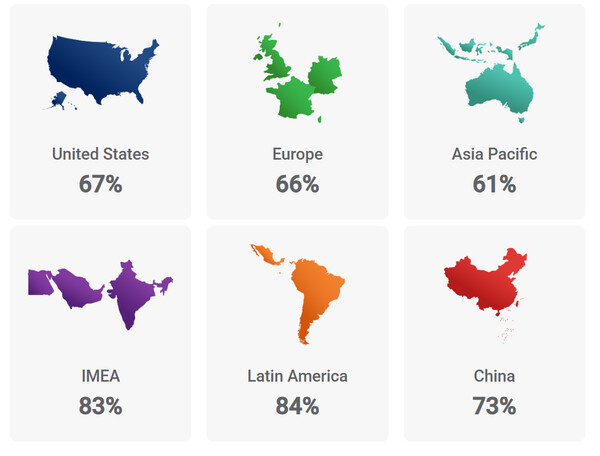
각 지역의 60% 이상의 소비자들이 물 부족 문제를 효과적으로 해결할 수 있다고 믿기 때문에 이러한 우려를 해결할 수 있는 능력에 대해 낙관적인 신호가 나타나고 있다. [그림출처(picture source) = 에코랩(Ecolab)]
스마트 물관리 : 기대 vs 현실
‘2025 워터마크 연구(Watermark™ Study)’는 소비자의 기대와 기업에서 인식하는 물 관련 행동 간의 괴리를 강조한다. 중국에서는 ‘소비자의 74%가 기업이 운영 전반에 걸쳐 물을 줄이거나 재사용하거나 재활용하고 있다’고 생각했다. IMEA에서는 이 수치가 67%, 아시아 태평양 및 라틴 아메리카에서는 48%, 유럽에서는 44%, 미국에서는 43%로 조사됐다.
대부분의 응답자는 ‘기후변화에 대응하여 기업이 물 보호에 대한 투자를 늘려야 한다’는 데 동의하고 있다. 기술 투자와 관련하여 라틴 아메리카가 84%로 가장 높은 비중을 차지했으며, IMEA(82%), 중국(77%), 유럽(72%), 아시아 태평양(71%), 미국(68%)이 그 뒤를 이었다. 이러한 추세는 수자원 인프라 투자에서도 유사했다.
우수한 기업 관행 모니터링에 대한 대중의 관심 또한 높다. 라틴 아메리카 응답자의 82%, IMEA(인도, 중동, 아프리카) 응답자의 78%, 중국 소비자의 68%가 ‘책임감 있는 수자원 관리 관행을 실천하는 기업에 대한 정보를 적극적으로 찾아볼 의향이 있다’고 답했다. 유럽, 아시아 태평양, 미국에서는 이 수치가 61%에 달했다.
물 파트너십 : 공동의 책임
에코랩은 어떤 주체도 단독으로 수자원 문제를 해결할 수 없다고 강조한다. 이 보고서는 소비자들이 기업, 정부, 개인, NGO의 물 보존 역할에 대해 어떻게 인식하고 있는지 살펴보며, 지역별 차이가 두드러진다.
중국에서는 80%가 ‘기업이 수자원 관련 조치를 취하고 있다’고 생각하고 있었으며, 79%는 ‘개인의 책임을’, 84%는 ‘정부의 참여를’, 79%는 ‘NGO의 기여’를 중요하게 생각하고 있는 거승로 나타났다. IMEA(인도, 중동, 아프리카) 조사에 따르면, 63%는 기업 활동을, 69%는 개인의 책임을, 79%는 정부의 노력을, 67%는 NGO를 신뢰하는 것으로 나타났다.
아시아·태평양 지역에서는 약 절반만이 ‘모든 행위자가 충분한 조치를 취하고 있다’고 생각하고 있다. 라틴 아메리카에서는 ‘이러한 인식이 더 중요하며, 기업이 물 관련 활동을 하고 있다’고 믿는 사람은 42%에 불과하지만, NGO의 인식은 더 높게(60%) 나타났다. 유럽과 미국에서도 유사한 추세가 나타나 ‘개인과 NGO가 기업이나 정부보다 더 많은 활동을 하고 있다’고 인식되었다.
지역별로 데이터는 명확한 패턴을 보여준다. 시민들은 ‘개인과 NGO가 물 보존 노력을 주도하고 있다’고 생각하는 반면, 정부와 기업은 ‘개선의 여지가 있다’고 생각하고 있는 것으로 나타났다.
기후변화와 사회적 요구
또한 이 데이터는 시민들이 ‘기후변화를 물부족 증가와 연관짓는다’는 것을 보여준다. IMEA 조사에서 81%가 이러한 연관성을 느꼈으며, 중국(80%), 라틴 아메리카(79%), 유럽 및 아시아 태평양(69%), 미국(65%) 순으로 나타났다.
행동에 대한 요구도 마찬가지로 높았다. 라틴 아메리카에서는 87%가 ‘기업이 기후변화 대응을 우선시해야 한다’고 답했으며, 88%는 정부에도 동일한 조치를 기대한다. 이러한 추세는 모든 지역에서 일관되게 나타났지만, 그 정도는 지역마다 달랐다.
전 세계적인 어려움에도 불구하고, 이 연구는 상당한 수준의 낙관론을 보여준다. 라틴 아메리카인의 84%는 ‘물부족 문제가 해결될 수 있다’고 믿고 있으며, 그 다음으로는 IMEA(83%), 중국(73%), 미국(67%), 유럽(66%), 아시아 태평양(61%) 순이었다.
깨끗한 물과 물 사용량이 많은 산업 : 2025년 동향
물 안보는 여전히 세계적인 주요 관심사이자 대중의 인식을 보여주는 핵심 지표이다. 에코랩은 기술 및 규제의 발전에도 불구하고, 특히 극심한 기상현상의 영향을 받거나 대규모 농업 및 산업 부문이 있는 지역에서 깨끗하고 안전한 물에 대한 접근성이 여전히 중요하다고 지적한다.
수질 및 수자원 가용성에 대한 우려는 널리 퍼져 있다. 중국 소비자의 96%가 우려를 표명했으며, 그 다음으로는 라틴 아메리카(92%), 미국(79%), 유럽(69%), IMEA(67%), 아시아 태평양(63%) 순이었다.
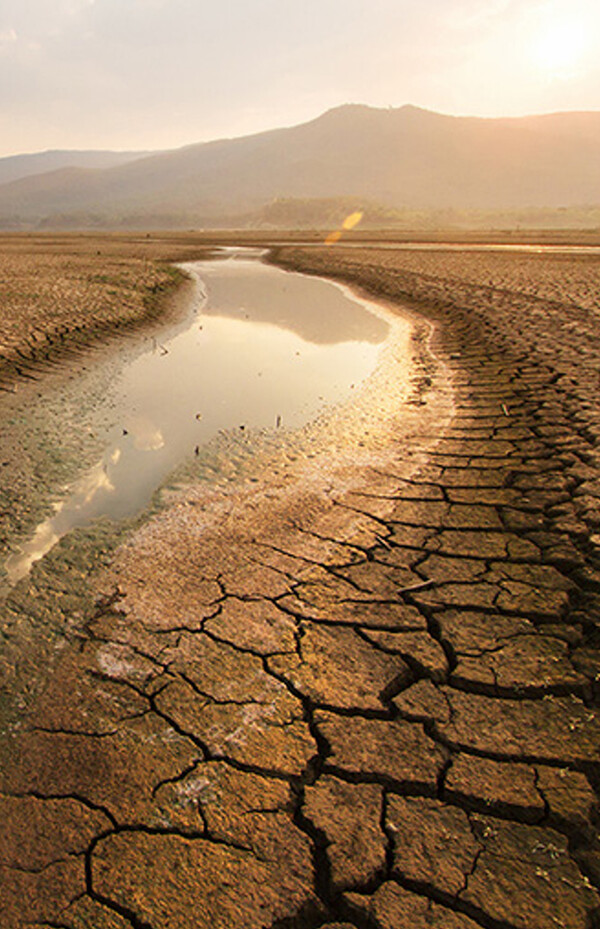
모든 지역의 소비자 중 65% 이상이 변화하는 날씨와 증가하는 자연재해로 인해 물의 가용성과 수질을 포함한 물 스트레스가 증가한다고 인식하고 있었다. [사진출처(Photo source) = 에코랩(Ecolab)]
디지털 시대의 일반적인 도전 과제
자체 디지털 전환을 겪고 있는 물 부문의 경우, 기술만으로는 지속 가능성을 보장할 수 없다는 메시지는 분명하다. AI, 데이터 센터, 디지털 인프라 모두 운영을 위해 물이 필요할 뿐만 아니라 점점 더 불안정해지는 환경에서도 회복력을 보장해야 한다.
디지털 물 발자국을 가시화하고 순환 솔루션에 대한 투자, 투명성 개선, 민관 파트너십 강화는 기술 혁신과 물관리가 함께 발전하기 위해 필수적이다. AI 시대에는 더 이상 에너지만이 전략적 요소가 아니며 디지털화도 목말라 있다.코랩 소개
수백만 고객의 신뢰받는 파트너인 에코랩(Ecolab)은 사람과 생명에 필수적인 자원을 보호하는 물, 위생 및 감염 예방 솔루션과 서비스를 제공하는 글로벌 지속가능성 선도 기업이다. 100년의 혁신을 기반으로 에코랩은 연매출 160억 달러(약 23조2천880억 원)를 달성하고 있으며, 4만8천 명 이상의 직원을 고용하고 전 세계 170개국 이상에서 사업을 운영하고 있다.
에코랩(Ecolab)은 포괄적인 과학 기반 솔루션, 데이터 기반 통찰력, 그리고 세계적 수준의 서비스를 제공하여 식품 안전을 강화하고, 깨끗하고 안전한 환경을 유지하며, 물과 에너지 사용을 최적화하고 있다. 에코랩의 혁신적인 솔루션은 식품, 헬스케어, 생명과학, 병원 등 다양한 산업 분야의 고객들의 운영 효율성과 지속가능성을 향상시키고 있다.
[원문보기]
2025 Ecolab Watermark™ Study Reveals Hidden Impact of Artificial Intelligence
Water drop on a circuitboard : Ecolab Watermark™ Study
New findings connect rapid AI growth to new business opportunities and global water security
Ecolab, a global sustainability leader offering water solutions and services, today announced findings from its third annual Ecolab Watermark™ Study, which reports on water stewardship around the world.
This year’s research highlights water’s connection to timely global trends, including new business opportunities from the rapid growth of artificial intelligence (AI) and consumer concern about its impact on vital natural resources.
According to the Watermark Study, a majority of consumers across fifteen countries understand the power demands of AI, but far fewer recognize the hidden impact of AI - the amount of water required to manufacture AI technology and operate data centers.
In the United States (U.S.), just 46% of consumers acknowledge the use of water in AI operations compared to 55% recognizing the use of power. In other regions, including Asia Pacific and Latin America, the gap is even more pronounced.
“By 2050, the world will have nearly 30% more people and require 47% more energy. Water demand will continue to surge-yet by 2030, the world already faces a projected 56% water deficit,” said Christophe Beck, chairman and chief executive officer at Ecolab.
“The AI boom is helping to shape this future, unleashing the potential for new business growth and transformative innovation. At the same time, every week a new data center opens, and every month a new fab comes online. While we can create more of the energy these facilities need, we cannot create more of our most vital resource - water.”
“Right now, just 20 percent of industrial wastewater is reused and less than 10 percent in the microelectronics industry. We see wastewater as an engineering flaw and a missed opportunity as a driver for business growth.”
“At Ecolab, we believe the solution to the AI resource challenge lies within itself. By applying AI to data analytics, real-time monitoring, and temperature adjustments, we believe industrial water management systems can deliver data centers that use less water than a car wash.”
The Watermark Study reveals that most consumers agree businesses should invest in the technologies and infrastructure that mitigate the impact of AI on natural resources. It also revealed a hidden trust gap - consumers doubt that businesses will responsibly manage their water use.
In fact, a majority believe smart water management, such as reusing or recycling water, should be a top priority for businesses to help address water scarcity. Yet they don’t believe that businesses and governments are using these strategies in their daily operations. Belief is particularly low in the U.S. (43% and 42%), Europe (44% and 41%), Asia Pacific (48% and 48%) and Latin America (48% and 46%).
“Global consumers recognize smart water management is essential for a resilient future, and they expect businesses to lead with both transformative technologies and transparent action to make it a reality,” said Emilio Tenuta, chief sustainability officer at Ecolab.
“Businesses have an opportunity to harness the power of AI and deliver impact-driven water solutions that meet the needs of local communities, while also driving innovation and business growth.”
The Watermark Study also took a closer look at consumer perceptions of water-related extreme weather events and water availability around the world. Although concerns about water scarcity remain high, consumers are optimistic that the challenge can be addressed.
The Ecolab Watermark Study was conducted in partnership with Morning Consult in March 2025. Respondents came from a sample of general population adults based in the regions of Asia Pacific, China, Europe, Latin America, India/Middle East/Africa and the U.S. The online study included a selection of countries within each region to provide a global overview of water stewardship where it matters most.
Water : the hidden cost of digitalization
Global public awareness of AI’s water footprint remains limited. In China, 81% of consumers recognize AI’s energy use, but only 77% recognize its water use. The pattern repeats across regions : IMEA (India, Middle East, Africa) at 78% vs. 61% ; Latin America at 68% vs. 51% ; Asia-Pacific at 60% vs. 43%; Europe at 59% vs. 46% ; and the United States at 55% vs. 46%. In every region, awareness of water consumption lags behind awareness of energy use, underscoring the need to integrate water into sustainable digital strategies.
Although consumers support companies using AI to promote more responsible resource use, confidence in corporate water and energy management is significantly lower. In IMEA, 76% say companies should use AI responsibly, yet only 63% trust their water management. In China, the figures are 72% and 77% ; in Latin America, 70% and 49% ; in Europe, 54% and 37% ; in Asia-Pacific, 51% and 37%; and in the United States, 49% and 39%. The confidence gap is particularly wide in Western markets, where demand for regulation and transparency is rising.
Smart water management: expectation vs. reality
The study highlights a disconnect between public expectations and perceived corporate action on water. In China, 74% of consumers believe companies are reducing, reusing, or recycling water across their operations. In IMEA, the figure is 67%; in Asia-Pacific and Latin America, 48%; in Europe, 44%; and in the United States, 43%.
Most respondents agree that companies should increase investment in water protection in the face of climate change. Regarding technology investment, Latin America leads at 84%, followed by IMEA (82%), China (77%), Europe (72%), Asia-Pacific (71%), and the United States (68%). The trend is similar for investment in water infrastructure.
Public interest in monitoring good corporate practices is also high: 82% of Latin Americans, 78% of IMEA respondents, and 68% of Chinese consumers say they would actively seek information on companies with responsible water practices. In Europe, Asia-Pacific, and the United States, this figure is 61%.
Water partnerships: a shared responsibility
Ecolab emphasizes that no single actor can address water challenges alone. The report explores how consumers perceive the roles of businesses, governments, individuals, and NGOs in water conservation?and regional differences are notable.
In China, 80% believe companies are taking action on water, 79% recognize individual responsibility, 84% acknowledge government involvement, and 79% value NGO contributions. In IMEA, 63% perceive corporate action, 69% see individual responsibility, 79% recognize government effort, and 67% credit NGOs.
In the Asia-Pacific, only around half believe any actor is taking sufficient action. In Latin America, the perceptions are more critical, with only 42% believing companies are acting on water, though NGOs receive higher recognition (60%). Europe and the United States show similar trends, with individuals and NGOs viewed as doing more than companies or governments.
Across regions, the data suggests a clear pattern: citizens see individuals and NGOs as leading water conservation efforts, while governments and companies are seen as having room to improve.
Climate change and social demand
The data also indicates that citizens associate climate change with growing water stress. In IMEA, 81% make this connection, followed by China (80%), Latin America (79%), Europe and Asia-Pacific (69%), and the United States (65%).
Demand for action is similarly high. In Latin America, 87% say companies should prioritize climate efforts, and 88% expect the same from governments. The trend is consistent across all regions, though at varying levels.
Despite global challenges, the study finds a notable degree of optimism: 84% of Latin Americans believe water scarcity can be resolved, followed by IMEA (83%), China (73%), the United States (67%), Europe (66%), and Asia-Pacific (61%).
Clean water and water-intensive industries: trends for 2025
Water security remains a major global concern and a key indicator of public perception. Ecolab notes that, despite technological and regulatory progress, access to clean and safe water remains critical-particularly in regions affected by extreme weather or with large agricultural and industrial sectors.
Sustainability cannot be separated from responsible consumption and water protection
Concern over water quality and availability is widespread: 96% of consumers in China express concern, followed by Latin America (92%), the United States (79%), Europe (69%), IMEA (67%), and Asia-Pacific (63%).
A common challenge for the digital age
For a water sector undergoing its own digital transformation, the message is clear: technology alone does not guarantee sustainability. AI, data centers, and digital infrastructure all require water-not only to operate, but also to ensure resilience in increasingly unstable environments.
Making the digital water footprint visible, investing in circular solutions, improving transparency, and strengthening public-private partnerships will be essential to ensure that technological innovation and water management advance together. In the age of AI, energy is no longer the only strategic factor: digitalization is also thirsty.
About Ecolab
A trusted partner for millions of customers, Ecolab (NYSE:ECL) is a global sustainability leader offering water, hygiene and infection prevention solutions and services that protect people and the resources vital to life. Building on a century of innovation, Ecolab has annual sales of $16 billion, employs more than 48,000 associates and operates in more than 170 countries around the world.
The company delivers comprehensive science-based solutions, data-driven insights and world-class service to advance food safety, maintain clean and safe environments, and optimize water and energy use. Ecolab’s innovative solutions improve operational efficiencies and sustainability for customers in the food, healthcare, life sciences, hospitality and industrial markets. www.ecolab.com
[출처 = 에코랩(Ecolab)(https://www.ecolab.com/news/2025/10/2025-ecolab-watermark-study-reveals-hidden-impact-of-artificial-intelligence) / 2025년 10월 30일]
[보고서 원문 = 에코랩(Ecolab)(https://watermark.ecolab.com/ecolab/Reports/2025_Ecolab_infographic.pdf)]
|  즐겨찾기 추가
 시작페이지로 설정
























