[영국] 환경청, '2026 가뭄 전망 보고서' 발표…"2026년 가뭄 심화 전망"
올해 건조한 봄 및 여름 폭염으로 겨울철 강수량 부족 시 2026년 가뭄 심화 전망
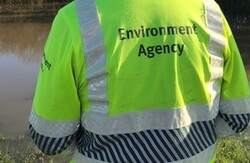 영국 환경청(Environment Agency)은 현지시각 11월 14일 '2026년 가뭄 전망 보고서'를 발표했다. 이 보고서는 올겨울 강구량이 평년보다 적을 시 2026년 가뭄이 더욱 심화될 것이라는 경고가 담겼다.
특히, 영국의 올해 강수량(1월1일~10월 31일)은 평년 강수량의 83% 수준으로, 132년 만에 가장 건조한 한 해를 보냈으며, 1884년 기상 관측 이래 가장 더운 여름으로 기록하고, 4번의 폭염이 발생했다.
환경 규제 당국은 이 보고서에서 올해 낮은 강수량으로 낮아진 하천 수위를 회복하기 위해 겨울철 필요한 강수량을 분석했다.
최근 잉글랜드 북서부 지역에 많은 강우량이 내렸지만 건조한 봄과 여름철 폭염으로 영국 전역의 가뭄 상황은 여전히 불안정하다.
가뭄은 수위가 완전히 회복되어야만 끝나며, 영국은 올해 10개월 중 8개월 동안 평균 이하의 강수량을 기록했다. 이는 토양이 메말라 집중호우 시 빗물이 온전히 침투되지 않아 발생하는 돌발 홍수의 가능성을 의미한다.
영국 기상청(Met office)은 11월부터 1월까지 향후 3개월 동안은 평년보다 가뭄이 심할 가능성이 높다고 밝혔다. 이는 가뭄이 악화돼 정원 내 관개 금지 조치, 환경에 대한 심각한 압박, 작물 수확량 감소로 이어질 수 있다.
이번 보고서는 겨울철 세 가지 강수 시나리오를 분석하고, 각 시나리오가 내년에 전통적으로 가뭄이 심해질 시기를 앞두고 영국 지역 전체의 물안보에 미치는 영향에 대한 분석을 담고 있다. 평균 강수량에 못 미치면 영국 대부분 지역은 소비자, 농부, 기업, 그리고 자연에 광범위한 영향을 미치는 가뭄을 겪게 될 것으로 전망된다.
환경청은 올해도 가뭄이 지속될 것으로 예상됨에 따라 영국인들에게 겨울철에도 물을 현명하게 사용할 것을 촉구하고 있다.
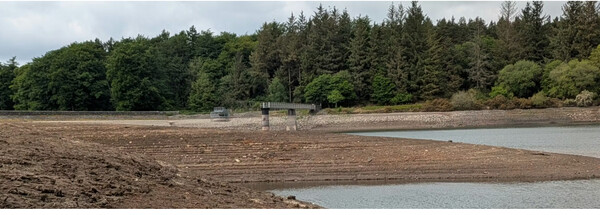
영국 환경청(Environment Agency)이 11월 14일 발표한 '2026년 가뭄 전망 보고서'에 따르면, 올겨울 강수량이 평년보다 적을 시 2026년 가뭄이 더욱 심화될 것이라고 예상했다. [사진출처(Photo source) = 영국 환경청(Environment Agency)]
헬렌 웨이크햄(Helen Wakeham) 환경청 수자원국장은 "겨울 내내 지속적인 강수량이 없다면 내년에는 가뭄이 발생할 것"이라면서 "가뭄의 심각성은 날씨와 올해처럼 매우 건조한 해 이후 겨울에 우리가 취하는 조치에 달려 있다"고 말했다.
이어 "올여름 물사용량을 줄이고 일부 지역의 제한 조치를 준수하는 시민들의 노고가 빛났다. 비가 오더라도 이번 겨울에도 최대한 효율적으로 물을 사용하시기를 당부드린다. 우리의 야생 동물, 강, 그리고 공공 상수도의 생명은 바로 이 물사용에 달려 있다"고 덧붙였다.
엠마 하디(Emma Hardy) 영국 환경농림식품부(Defra) 장관은 "최근 강우량은 환영하지만, 올해 내내 지속된 가뭄은 공공 상수도, 농업, 그리고 환경에 계속해서 위험을 초래하고 있다. Defra는 전국 가뭄 그룹(National Drought Group) 및 상수도 회사들과 협력하여 전국 지역 사회에 필요한 물 공급을 유지하기 위해 계속 노력하고 있다"고 강조하며,
"기후 변화로 인해 앞으로 더 빈번하고 심각한 가뭄과 홍수가 발생할 것이다. 그렇기 때문에 정부는 장기적인 물 부족 회복력을 확보하기 위해 9개의 새로운 저수지를 건설하고 누수를 줄이기 위한 새로운 배관에 투자하는 등 과감한 조치를 취하고 있다"고 말했다.
윌 랭(Will Lang) 기상청 수석 기상학자는 "향후 3개월 동안의 날씨를 확실하게 예측하는 것은 불가능하지만, 가뭄이 지속될 가능성이 평년보다 높다. 3개월 동안 평균적인 강우량이 지속될 가능성이 여전히 가장 높다. 영국의 강우 패턴은 변동성이 크기 때문에 어떤 지역은 강우량이 증가하는 반면, 어떤 지역은 강우량이 감소하여 장기간 지속된 가뭄으로부터 제한적인 완화 효과를 볼 수 있다는 점에 유의해야 한다"고 말했다.
이번 보고서에 담긴 강우 시나리오 및 예상 영향은 다음과 같다.
겨울철 평균 강수량 회복(평년 강수량의 100% 수준)
겨울철 평균 강수량의 회복된다면 영국 대부분은 2026년 봄까지 가뭄에서 회복되거나 정상 상태로 회복된다. 다만, 케임브리지셔와 베드퍼드셔 일부 지역은 장기간 건조한 날씨를 유지할 것으로 예상된다.
특히, 공공 상수도 공급 및 농업용 관개 저수지의 수위는 완전히 복구되며, 내륙 수로(Canal network)는 부활절 즈음에 친수활동 성수기에 맞춰 복구될 것으로 예상된다. 하지만 양서류 번식기 부진 등 자연에 대한 일부 영향은 지속될 것으로 예상된다.
겨울철 평균 강수량 저조(평년 강수량의 80% 수준)
이 시나리오에서는 현재 낮은 강 유량, 지하수위, 저수지 수위로 인해 겨울철 가뭄이 심화될 것으로 예상된다. 3월 말까지 도싯에서 이스트 요크셔에 이르는 넓은 지역이 가뭄에 시달릴 것으로 예상되며, 남동부, 남서부, 이스트 앵글리아 지역은 장기간 건조한 날씨가 지속될 것으로 예상된다. 북서부 지역만 정상적인 상태로 전망된다.
이러한 강우 시나리오는 일부 작물에 대한 위험을 증가시켜 새의 번식 성공률 감소, 산불 위험 증가, 잠재적인 수운 폐쇄를 초래할 수 있다.
겨울철 평균 강수량 매우 저조(평년 강수량의 60% 수준)
이 시나리오에서는 2026년 봄까지 영국 전역이 가뭄에 시달린다. 관개용 작물의 물이 줄어들고 채소 생산이 감소하며 잔디 성장에 영향을 미친다.
대부분의 수도 회사는 공급 구역 전체 또는 일부에 영향을 미치며, 이는 정원 내 관개 금지 및 용수 제한 조치가 필요함을 의미한다. 또한 골프 클럽 및 축구 경기장과 같은 레저 부문에서도 영구적인 환경 피해와 상당한 영향을 미칠 가능성이 있다.
또한 이 보고서는 모든 분야에 걸친 더 많은 협력을 촉구하고 있다. 수도 회사는 지속적으로 고객의 물절약 참여를 유도해야 하며, 누수 및 동파에 대비하기 위한 노력이 필요하다. 또한 새로운 수원을 발굴하고 물절약 게획을 가속화할 수 있도록 노력해야 한다.
농부들은 가뭄에 강한 작물이나 관개가 필요 없는 품종을 더 많이 포함하도록 작물 재배 패턴을 조정해야 하는지 결정해야 한다. 또한 가능한 한 빨리 저수지를 채우고 이웃과 협력하여 물권리를 공유하거나 가능한 한 물을 공유해야 한다.
환경청은 가뭄에 대한 국가의 대응을 계속 주도할 계획이다. 규제 당국은 또한 모니터링을 강화하고 추상화기에 대한 점검을 강화하며 내년 봄철 가뭄 대비를 위해 수도 회사와 계속 협력할 방침이다. 아울러 물사용과 미래 가뭄 예측 방법에 대한 장기 연구를 위한 추가 자금을 지원할 것을 촉구하고 있다.
[원문보기]
Report warns of widespread drought in 2026 without a wet winter
Record dry spring and summer heatwaves mean that without winter rain there will be drought next year with impacts on nature, agriculture and navigation
England will experience worse levels of drought next year if this winter is drier than normal, the Environment Agency has warned.
The environmental regulator has today (Friday 14 November) released its Drought Prospects Report, examining the wet weather needed through the winter to ensure the country’s current low water levels recover by spring 2026.
Despite recent rainfall, the drought situation across the country is still precarious following a record dry spring and a continued run of heatwaves and dry weather throughout the summer.
Drought is only over when water levels are fully replenished, and England has seen below average rainfall for eight out of ten months so far this year. This means that flooding in drought is possible, including flash floods as dry soils struggle to soak up intense downpours.
The Met Office has forecast heavy rain into Saturday but indicated a higher-than-usual likelihood of dry conditions over three months from November to January. This could cause drought conditions to worsen, leading to hosepipe bans, significant pressures on the environment and a risk to crop yields.
The new report analyses three different rainfall scenarios over winter and what each one would mean for water security across England’s regions ahead of next year’s traditionally drier months. Without average rainfall, most of England will experience a drought with widespread impacts felt by consumers, farmers, businesses, and nature.
The Environment Agency is urging the public to continue to play their part and use water wisely through winter, in anticipation of another drought year.
Director of Water at the Environment Agency, Helen Wakeham, said:
"There will be a drought next year, unless we get sustained rainfall through the winter."
"The severity of that drought will depend both on the weather and the actions we take over winter following this very dry year."
"The public have been brilliant in using a little less water this summer and following the restrictions in some parts of the country. I would urge people to continue to be as efficient as possible with their water use this winter - even if it is raining outside. Our wildlife, our rivers and our public water supplies depend on it."
Water Minister Emma Hardy said:
"I welcome the recent rainfall but the prolonged dry weather throughout this year continues to pose risks to public water supplies, farming, and the environment. We continue to work with the National Drought Group and water companies to maintain supplies for communities across the country."
"Climate change means we will face more frequent, severe droughts and flooding in the years ahead. That’s why this government is taking decisive action to secure our long-term water resilience, which includes building nine new reservoirs and investing in new pipes to reduce leakage."
Will Lang, Chief Meteorologist at the Met Office, said:
"While it’s not possible to definitively forecast weather for the next three months, the chances of a dry period are higher than normal."
"A more average three-month period for rainfall is still the most likely scenario. It’s important to note that rainfall patterns in England can be variable, so while some may see more rainfall, others will see less, possibly giving limited relief from long-standing dry conditions."
The Drought Prospects Report looks at the rainfall scenarios below and the likely impacts.
Rainfall scenarios:
Average Winter Rainfall (100% of average rainfall)
With average winter rainfall, most of England would be in recovery from drought or have returned to normal conditions by spring 2026. The exception is parts of Cambridgeshire and Bedfordshire, which would remain in prolonged dry weather.
Public water supplies and irrigation reservoirs for agriculture would be fully recovered. The canal network would be recovered in time for the peak boating season, which begins around Easter. Some residual effects on nature would remain, such as a poor breeding season for amphibians.
Dry Winter (80% of average rainfall)
This scenario would see drought conditions increase over the winter months because of the current low river flows, groundwater, and reservoir levels. By the end of March, a large area spanning from Dorset to East Yorkshire would be in drought. The south east, south west and East Anglia would be in prolonged dry weather with only the north west experiencing normal conditions.
This rainfall scenario would increase the risks to some crops, with a reduced breeding success of birds, an increased risk of wildfires and potential navigation closures.
Very Dry Winter (60% of average rainfall)
By spring 2026 all of England would be in drought. There would be reduced water for irrigating crops, reduced vegetable production and an impact on grass growth.
Most water companies would see impacts in either all or part of their supply area, meaning an expectation of hosepipe bans and non-essential use bans. There would also be the potential for permanent environmental damage as well as significant impacts in the leisure sector, such as golf clubs and football pitches.
The Environment Agency’s report also pushes for more collaboration across all sectors, with a list of recommended actions. Water companies should continue to engage and help customers use a little less water. They must also continue their efforts to reduce leakage and be ready for cold snaps, which can cause pipes to burst. They should also identify new sources of water and look to accelerate water saving schemes, where possible.
Farmers should decide if they need to adjust their cropping patterns to include more drought tolerant crops or varieties which do not need as much irrigation. They should also look to fill their reservoirs as soon as possible and work with their neighbours to share water rights, or share water, where possible.
The Environment Agency will continue to lead the nation’s response to drought. The regulator will also conduct enhanced monitoring, increase checks on abstractors, and continue to work with water companies on preparing for drought next spring.
It has also called for additional funding to be made available for long-term research into water use and ways to forecast future droughts.
[출처 = 영국 정부(UK GOV)(Report warns of widespread drought in 2026 without a wet winter - GOV.UK) / 11월 14일]
|  즐겨찾기 추가
 시작페이지로 설정
























