[해외연구보고서] 하수처리장, 추정치 두배 넘는 온실가스 배출 확인
스웨덴 린셰핑대 연구팀, 12개 하수처리장서 특수 드론 활용해 메탄·아산화질소 배출량 측정
IPCC 모델 수치보다 메탄·아산화질소 배출량 약 2.5배 더 높아…슬러지 저장 과정서 대량 배출
IPCC 모델, 배출량 감축 노력 반영 못 해…실측 기반 보고 필요성 제기
『환경과학기술(Environmental Science & Technology)』 저널에 게재
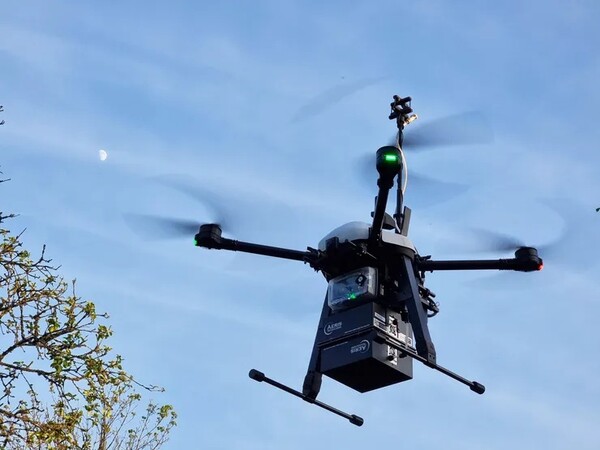
스웨덴 린셰핑대학교(Linköping University)의 새로운 연구에 따르면, 다수의 하수처리장이 기존 추정지보다 두 배 이상 많은 온실가스를 배출하는 것으로 나타났다. [사진제공(Photo Source) = Magnus Gålfalk, Linköping University]
스웨덴 린셰핑대학교(Linköping University)의 새로운 연구에 따르면, 다수의 하수처리장이 기존 추정지보다 두 배 이상 많은 온실가스를 배출하는 것으로 나타났다. 연구진은 특수 제작된 센서를 장착한 드론을 활용해 메탄(NH₄)과 아산화질소(N₂O) 배출량을 직접 측정했다.
이번 연구를 이끈 마그누스 골팔크(Magnus Gålfalk) 린셰핑대 환경변화 연구 부문(Tema M – Environmental Change)의 부교수는 "하수처리장에서 발생하는 특정 온실가스 배출이 그동안 알려지지 않았음을 보여준다"며 "이제 이러한 배출에 대해 더 많이 알게 된 만큼, 이를 줄일 수 있는 방법도 더 잘 파악할 수 있게 됐다"고 설명했다.
이번 연구는 『환경과학기술(Environmental Science & Technology)』 저널에 ‘현장 관측을 통한 혐기성 소화를 이용한 하수처리 과정에서 과소평가된 온실가스 배출의 발견 – 슬러지가 CH₄와 N₂O의 주요 배출원으로 드러나다(In Situ Observations Reveal Underestimated Greenhouse Gas Emissions from Wastewater Treatment with Anaerobic Digestion – Sludge Was a Major Source for Both CH4 and N2O)’라는 제목으로 게재됐다.
유엔 기후변화에 관한 정부간 협의체(IPCC)에 따르면, 가정과 산업에서 발생하는 하수를 처리하는 하수처리장은 인위적으로 발생하는 메탄과 아산화질소 배출량의 약 5%를 차지한다. IPCC는 이를 계산하기 위해 이른바 ‘배출 계수(Emission Factors)’를 사용하는데, 이는 하수처리장에 연결된 가구 수와 연관돼 있다. 이 계산 모델은 각 하수처리장에서의 배출량을 수치로 산출하지만, 실제 측정치가 아닌 추정치에 불과해 문제가 제기돼 왔다.
IPCC 모델의 한계
연구진은 하수처리장이 지속적으로 배출 저감을 위해 노력하고 있음에도 불구하고, 현행 보고 체계에서는 실제 배출량이 줄어들더라도 IPCC 모델상 수치는 동일하게 유지된다고 지적했다.
골팔크 교수는 "실제 측정치를 기반으로 배출량을 보고하는 것이 더 바람직하다"면서 "그렇게 되면 지자체가 배출 저감을 위한 투자 효과를 더 명확히 입증할 수 있을 것"이라고 강조했다.
골팔크 교수는 린셰핑대의 데이비드 바스트비켄(David Bastviken) 교수와 함께 특수 제작된 드론을 사용해 혐기성 소화를 슬러지 처리 방식으로 사용하는 스웨덴 내 12개 하수처리장에서 메탄과 아산화질소 배출을 측정했다. 그 결과, 실제 배출량은 IPCC 계산 모델이 제시하는 수치보다 약 2.5배 더 높은 것으로 나타났다.
슬러지 저장에서의 배출
배출은 주로 소화 후 슬러지를 비료 등으로 사용하기 전에 잠재적으로 유해한 미생물을 줄이기 위해 저장하는 과정에서 발생한다. 이번 연구는 저장 과정에서 방출되는 메탄의 양이 과소평가돼 왔음을 보여준다. 또한 연구진은 상당한 양의 아산화질소가 함께 배출된다는 사실도 새롭게 확인했다.
아산화질소는 매우 강력하지만 잘 알려지지 않은 온실가스로, 이산화탄소 1킬로그램과 비교했을 때 기후에 미치는 영향이 거의 300배에 달한다.
골팔크 교수는 "슬러지 저장 과정에서 배출되는 아산화질소의 기후 영향이 메탄만큼 크다는 사실을 확인했다"며 "이는 이전에는 알려지지 않았던 중요한 추가 배출원으로 반드시 주목해야 한다"고 말했다.
이번 연구는 주로 유럽연구위원회(European Research Council), 호라이즌 2020(Horizon 2020), 스웨덴연구위원회(Swedish Research Council), 포르마스(Formas), 스웨덴 상하수도협회 산하 연구개발 프로그램인 벤스크트 바텐 우트베클링(Svenskt Vatten Utveckling, SVU)의 지원을 받아 수행됐다.
[원문보기]
Unexpectedly high emissions from wastewater treatment plants
Greenhouse gas emissions from many wastewater treatment plants may be more than twice as large as previously thought. This is shown in a new study from Linköping University, where the researchers used drones with specially manufactured sensors to measure methane and nitrous oxide emissions.
“We show that certain greenhouse gas emissions from wastewater treatment plants have been unknown. Now that we know more about these emissions, we also know more about how they can be reduced,” says Magnus Gålfalk, docent at Tema M – Environmental Change at Linköping University, who led the study published in the journal Environmental Science & Technology.
Wastewater treatment plants receiving sewage from households and industries account for approximately 5 per cent of human-induced methane and nitrous oxide emissions, according to the UN Intergovernmental Panel on Climate Change, IPCC.
To calculate this, the IPCC uses so-called emission factors that are linked to how many households are connected to the treatment plant. The calculation model then yields a number for the emissions from each wastewater treatment plant. This number is an estimate and not the result of actual measurements, which has turned out to be problematic.
IPCC model too rigid
According to the researchers, wastewater treatment plants continuously work to reduce the emissions. But with the current reporting system, the emissions remain on the same level, according to the IPCC model, regardless of whether actual emissions are decreasing or not.
“It would be better if the emissions reported were based on actual measurements. This would make it easier for municipalities to show the benefits of investments to mitigate the emissions,” says Magnus Gålfalk.
Together with Professor David Bastviken at LiU, he has used a specially built drone that measured emissions of the greenhouse gases methane (CH4) and nitrous oxide (N2O) at twelve Swedish treatment plants that use anaerobic digestion as a sludge treatment. The measurements showed that methane and nitrous oxide emissions are significantly higher – about 2.5 times – than the IPCC calculation models show.
Emissions from sludge storage
The emissions occurred mainly after digestion when the sludge is stored to reduce the amount of potentially harmful micro-organisms before being used as, for example, fertilizer.
The current study shows that the amount of methane released in storage has been underestimated. And the researchers discovered something else – the measurements also showed that large amounts of nitrous oxide were emitted.
Nitrous oxide is a very powerful but fairly unknown greenhouse gas – it has a climate impact almost 300 times higher than carbon dioxide per kilogram.
“We show that the climate impact from nitrous oxide emissions from sludge storage is as great as that from methane, and this wasn’t known before. So it’s a major extra source to keep an eye on,” says Magnus Gålfalk.
The study was mainly funded by the European Research Council, Horizon 2020, the Swedish Research Council, Formas and Svenskt Vatten Utveckling (SVU; part of the Swedish Water and Wastewater Association).
Article: In Situ Observations Reveal Underestimated Greenhouse Gas Emissions from Wastewater Treatment with Anaerobic Digestion – Sludge Was a Major Source for Both CH4 and N2O, Magnus Gålfalk, David Bastviken, Environmental Science & Technology Vol 59/Issue 34, 2025, published online 21 August 2025. DOI: 10.1021/acs.est.5c04780
[출처 = 스웨덴 린셰핑대학교(Linköping University)(https://liu.se/en/news-item/dronare-avslojar-ovantat-hoga-utslapp-fran-reningsverk) / 2025년 10월 30일]
|  즐겨찾기 추가
 시작페이지로 설정
























