[영국] 영국 정부, 기록적 건조로 2026년까지 가뭄 지속 가능성 경고
환경청과 국가가뭄그룹, 겨울 강수 필요성 강조…수도회사·농업·시민 모두 절수 참여 당부
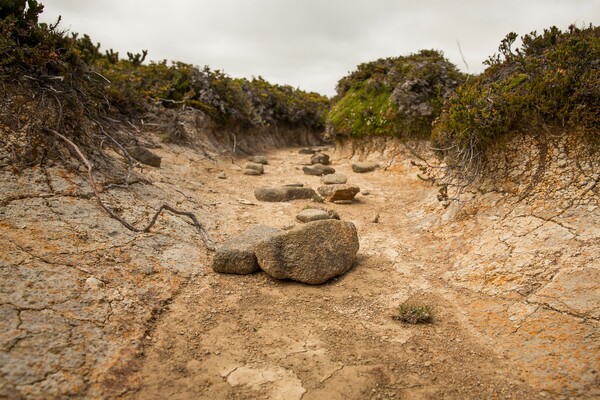
영국 전역이 기록적인 봄철 건조와 무더운 여름의 영향으로 가뭄 상태에 놓인 가운데, 국가가뭄그룹(National Drought Group)은 2026년에도 가뭄이 지속될 수 있다고 경고했다. [사진제공(Photo Source) = Unsplash Matt Palmer]
영국 전역이 기록적인 봄철 건조와 무더운 여름의 영향으로 가뭄 상태에 놓인 가운데, 국가가뭄그룹(National Drought Group)은 2026년에도 가뭄이 지속될 수 있다고 경고했다. 최근 강수량에도 불구하고 겨울로 접어든 현재 상당 지역은 여전히 가뭄 상태다.
전문가 그룹은 오늘 런던 도심에서 회의를 열고, 영국이 내년 3월 말까지 가뭄에서 회복하려면 평균 강수량(482mm)의 최소 100%가 필요하다고 밝혔다. 현재까지 2025년에는 단 두 달만이 이 기준을 충족했다.
헬렌 웨이크햄(Helen Wakeham) 국가가뭄그룹 의장은 “최근 비는 반갑지만, 향후 6개월간 지속되어야 내년 대비가 가능하다”며 “하천, 저수지, 지하수 확보를 위해 더 많은 비가 필요하며, 시민들은 물을 효율적으로 사용해야 한다”고 강조했다.
기상청(Met Office)에 따르면 2025년 여름은 1884년 기록 이후 가장 더운 여름이었으며, 봄은 132년 만에 가장 건조했다. 윌 랭(Dr Will Lang) 수석 기상학자는 “영국 대부분 지역에서 강수 부족이 두드러졌다”며 “10월 28일 기준, 예상 연간 강수량 대비 61%만 기록됐고, 지역별 차이는 여전히 크다”고 말했다.
그는 이어 “늦가을과 초겨울에도 건조한 시기가 늘어날 위험이 있고, 지역별 강수 편차가 계속될 가능성이 높다. 지속적이고 광범위한 강수 없이는 안정적인 가뭄 회복은 불확실하다”고 덧붙였다.
9월에는 영국 전역이 장기 평균 강수량 대비 149%를 기록했지만, 10월(28일까지)은 77%에 머물렀다. 지역별로는 북서부가 190%, 북동부 171%, 남동부 126%, 동부 100%를 기록했다. 최근 비로 캄브리아(Cumbria), 랭커셔(Lancashire), 그레이터맨체스터(Greater Manchester), 머지사이드(Merseyside), 체셔(Cheshire) 등 일부 지역이 가뭄 상태에서 회복 상태로 전환됐다. 그러나 상황은 여전히 불안정하며, 추가 건조가 이어지면 다시 가뭄으로 돌아갈 수 있다.
저수지 평균 저장량은 현재 63.3%로, 이 시기 평균 76%보다 낮다. 웨스트 서식스(West Sussex) 아딩리(Ardingly)와 서머셋(Somerset) 클랫워디(Clatworthy), 윔블볼(Wimbleball) 저수지는 모두 30% 미만이다. 아딩리의 극심한 저수량은 이달 초 환경청(Environment Agency)이 서식스 일부 지역에 가뭄을 선언한 이유였으나, 최근 강수로 상황이 일부 개선됐다.
수도회사들도 대응을 강화하고 있다. 사우스 이스트 워터(South East Water)는 강제 사용 금지(Drought Orders)를 두 건 제출했으며, 우즈강(River Ouse)과 비필수 용수 제한을 포함한다. 요크셔 워터(Yorkshire Water)는 우즈강(Drought Order 1건)과 44건의 가뭄 허가(Drought Permits)를 받았다.
세번 트렌트(Severn Trent)는 카싱턴 워터(Carsington Water) 저수지 보충을 위한 가뭄 허가를 신청했다. 또한 요크셔 워터, 템스 워터(Thames Water), 사우스 이스트 워터, 서던 워터(Southern Water)는 호스파이프 금지 조치를 회복될 때까지 유지하고 있다.
농업 부문에서는 봄·여름 잔디 성장 부진으로 겨울철 가축 사료 확보가 우려되며, 농민들에게 저수지 활용, 인근 농가와의 물 공유 등 유연한 대응이 권장된다.
각 수도회사별 절수 활동도 활발하다. 요크셔 워터(Yorkshire Water)는 4월 이후 1만1천113건의 누수를 수리했고, 약 4천개의 절수 키트를 배포했으며, 500개의 물통을 지역 커뮤니티에 기부했다. 스마트 계량기 설치도 6만3천개를 완료했으며, 총 16만4천개 스마트 계량기 설치로 하루 220만 리터를 절약했다.
사우스 웨스트 워터(South West Water)는 ‘Every Drop Counts – Come Rain or Shine’ 캠페인을 진행하며 절수 팁 제공과 계량기 지원을 하고 있으며, 작년 한 해 1만6천100건의 누수 수리를 통해 하루 1천만 리터 이상을 절약했다. 브리스톨 워터(Bristol Water)도 신규 캠페인을 시작하고, 1천750개의 물통을 무료로 배포했다.
템즈워터(Thames Water)는 스마트 계량기 7만2천개 이상 설치와 580회 이상 ‘Smarter Business’ 방문을 통해 하루 230만 리터 이상을 절약했으며, 5만개 이상의 음향 센서를 통해 누수를 감지하고 있다.
웨섹스워터(Wessex Water)는 ‘Target 20’ 캠페인을 통해 고객들에게 하루 최소 20리터 절수를 권장하고, 25만 명 이상에게 절수 방법을 이메일로 안내했다. 사우스이스트워터(South East Water)는 지난해 대비 누수 수리 건수를 16% 늘렸으며, 애피니티 워터(Affinity Water)는 2025년 4~9월 누수 수리 9천725건으로 2024년 같은 기간 대비 13.45% 증가했다.
국가가뭄그룹은 시민들의 호스파이프 금지 준수로 지역 수자원 보호에 기여한 점을 긍정적으로 평가했다. 니키 러셀(Nicci Russell) 워터와이즈(Waterwise) CEO는 “시민들은 단기 가뭄은 인지하지만 장기적 물 부족 위험은 과소평가하고 있다”며, 절수 행동 확산 필요성을 강조했다.
정부는 9개의 신규 저수지 개발 등 장기적 수자원 회복력 확보 조치를 추진하고 있으며, 겨울철 강수량 확보와 시민·산업·농업의 절수 참여가 필수적 과제로 남아 있다.
[원문보기]
Drought likely to continue into 2026 due to record dry weather
Despite recent rainfall, a large part of the country remains in drought across England as we enter winter.
The National Drought Group has warned England must prepare for an ongoing drought in 2026, unless there is significant rain this autumn and winter.
There are concerns about the country’s water resources because of this year’s record dry spring and warm summer.
The expert group - which includes the Met Office, government, regulators, water companies, the National Farmers’ Union, Canal & River Trust, anglers, and conservation experts – met in central London this morning.
They heard during an Environment Agency presentation that England needs at least 100% of average rainfall (482mm) to largely recover from drought by the end of March next year. For context, only two months of 2025 have seen more than 100% so far.
National Drought Group chair Helen Wakeham said:
The recent rain is very welcome, but it needs to be sustained over the next six months to ensure we are ready for next year.
We need a lot more rain this winter to fill up our rivers, reservoirs, and groundwater. Even if it is wet outside, I urge people to use water as efficiently as possible to protect the environment and public water supplies.
The changing climate means we must prepare for more droughts. Securing our water resources needs to be a national priority. We expect water companies to continue their water-saving messaging, even through the winter, as well as carry on reducing leaks.
All sectors - including water companies, agriculture, navigation, and energy – have been urged to take steps now to increase their resilience for a prolonged drought.
This includes water companies promoting more efficient water use and increasing their efforts to reduce leakage. They must also make sure their assets, such as pipes, pumps and reservoirs, are working well and submit applications for drought permits early to maximise water storage.
Farmers have been urged to check their licences and speak to the EA if they are likely to need flexibility. They have also been asked to look to increase reservoir storage and work with their neighbours to share water, where possible.
Meanwhile the public have been urged to continue to use water wisely, including turning off taps when not in use or fitting a water butt to capture winter rainfall. Everyone has a part to play, to help mitigate the impacts of the dry year.
The meeting heard:
September saw 149% of long-term average rainfall across England but, despite Storm Benjamin, October (up to 28th) has seen 77%.
There has been a regional divide with rainfall. The north west received 190% in September and the north east 171%. The south east received 126% and the east 100%.
The rain has helped the two areas of Cumbria and Lancashire, and Greater Manchester, Merseyside and Cheshire both move out of drought status into drought recovery today. While this signals an improvement in this area, the position is fragile and with further dry weather, these areas could move back to drought.
Average reservoir storage is now 63.3% compared to the average for this time of year of 76%.
Ardingly, in west Sussex, and Clatworthy and Wimbleball both in Somerset, are below 30%
The very low level in Ardingly was the reason the EA declared drought in parts of Sussex earlier this month, but recent rainfall has helped.
South East Water (SEW) has submitted two Drought Orders to Defra. The first, for the River Ouse, and the second for a non-essential use ban which, if implemented, would see water restrictions on some businesses. Both are still being considered by Defra.
Yorkshire Water has applied for, and been granted, one Drought Order for the River Ouse and 44 Drought Permits.
Severn Trent has applied for a Drought Permit to help refill Carsington Water reservoir. This is under consideration.
Temporary Use Bans (aka hosepipe bans) imposed by Yorkshire Water, Thames, South East Water and Southern Water need to remain in place until their water resources situation recovers.
Recent rainfall has helped ease pressure on the agricultural sector but there are concerns heading into winter on feed availability for livestock due to poor grass growth over the spring and summer.
Navigation on the Canal & River Trust network is gradually improving including key lock flights on the Oxford and Grand Union Canal now open.
The Met Office declared the summer of 2025 as the hottest since records began in 1884, while the spring was the driest in 132 years.
Met Office Chief Meteorologist, Dr Will Lang, said:
This year has been characterised by notable rainfall deficits across much of England.
By 28th October, provisional data shows England had only 61% of its expected annual rainfall, when we’d normally have about 80% at this time of the year (based on 1991–2020 average). While recent rainfall has helped, regional variations remain, and drought conditions continue to affect several areas.
Looking ahead, there is an increased risk of dry spells through late autumn and early winter and regional differences in rainfall continue to be likely. Without sustained and widespread precipitation, a consistent recovery from drought remains uncertain.
We continue to work closely with the Environment Agency and other partners to monitor conditions and support preparedness efforts as we move into the winter period.
Water is finite and there are competing demands between public use, businesses, agriculture, and the environment. In dry weather, water still needs to be abstracted from rivers, reservoirs, and groundwater and a drought is only over when these levels are fully replenished. This can take months – sometimes years.
The National Drought Group praised the public for following the hosepipe bans, where in place, as this has kept more water in local rivers and lakes.
The Environment Agency continues to work with Government, including Defra and the Cabinet Office, on the drought response, which is still deemed a “nationally significant incident.”
Water Minister Emma Hardy said:
It’s been encouraging to see the scorched summer lawns returning to green in recent weeks. But we know the prolonged lack of rainfall continues to pose risks to public water supplies, farming, and the environment.
We are closely monitoring all regions - especially those still experiencing drought – and working with the National Drought Group and water companies to maintain supplies.
We face increasing pressure on our water resources. That is why this Government is taking decisive action, including the development of nine new reservoirs to help secure long-term water resilience.
Last week, Waterwise ran its annual Water Night campaign, encouraging people to turn off non-essential taps between 5-10pm in a symbolic gesture to notice daily water habits. Several landmarks, including Mont Orgueil Castle in Jersey and The Mersey Gateway Bridge were lit in blue as a show of support.
Over the course of the spring and summer, water companies – particularly in the drought areas of Yorkshire, East and West Midlands and parts of Sussex - have also taken the below actions to conserve supplies.
Yorkshire Water has repaired 11,113 leaks since the start of April – one every 26 minutes.
Yorkshire Water has sent out around 4,000 water saving kits to customers and donated 500 water butts to local community groups.
Yorkshire Water has upgraded 63,000 water meters to make them smart. In total, the firm has installed 164,000 smart meters, saving 2.2million litres per day by identifying leaks.
South West Water has launched its Every Drop Counts – Come Rain or Shine campaign providing practical tips for saving water and supporting customers with water meter advice.
South West Water repaired over 16,100 leaks last year, reducing leakage by over 10 million litres a day.
Bristol Water has also launched a new Come Rain or Shine campaign and is giving away 1,750 free water butts to customers.
Thames Water has accelerated its smart meter rollout, installing more than 72,000 since July.
Thames Water has carried out over 580 Smarter Business visits since July, saving over 2.3 million litres per day.
Thames Water now has over 50,000 acoustic sensors to detect leaks.
Wessex Water’s Target 20 campaign has been encouraging customers to save at least 20 litres of water per day, roughly 15% of average daily use.
Wessex Water emailed over 250,000 customers with tips on how to save water.
South East Water has increased leakage repairs by 16% compared to last year, fixing 12,326 leaks between April and September.
South East Water has also speeded up the fixing of leaks – reducing the time taken to fix from an average of 15 days to 12.
Affinity Water repaired 9,725 leaks between April and September 2025 - representing a 13.45% increase compared to the same period in 2024.
ADDITIONAL NDG PARTNER QUOTES:
Nicci Russell, CEO of Waterwise, said:
"Our Water Night survey revealed that while 90% of participants were aware of regional droughts experienced across the UK this year, awareness of the long-term risks of water scarcity is far lower."
"Only 23% of respondents said they ‘know well’ that the UK could face a significant water shortfall in coming years, with more than half having heard the risk but lacking details. The findings highlight a critical knowledge gap - people notice immediate drought events but may underestimate the scale of the long-term challenge."
"Even if water companies plugged all the gaps, we still need everyone at home and at work to reflect how valuable water is in their own behaviour. So, making it easy for all of us to waste less water, and explaining why, is more important than ever."
[출처 = 영국 정부(UK GOV)(https://www.gov.uk/government/news/drought-likely-to-continue-into-2026-due-to-record-dry-weather) / 2025년 10월 31일]
|  즐겨찾기 추가
 시작페이지로 설정
























