[네덜란드] 하·폐수 처리에서 아산화질소가 문제가 되는 이유
네덜란드 KWR 수자원연구소, 위트레흐트 하수처리장서 아산화질소(N₂O) 실시간 모니터링
국제 학술지 『네이처 저널』“N₂O, 지구 온난화 잠재력(GWP)이 CO₂보다 거의 300배 더 큰 온실가스”
배출량 일정하지 않고, 온도·질소 부하·처리시설의 통기 수요 패턴과 같은 요인의 영향 받는 상당한 변동성과 역동적인 계절적 패턴 보이는 것이 N₂O 측정 과제
아쿠아텍트레이드, ‘하수처리 시설의 실시간 N₂O 모니터링 필요성’ 연구조사보고서 발표
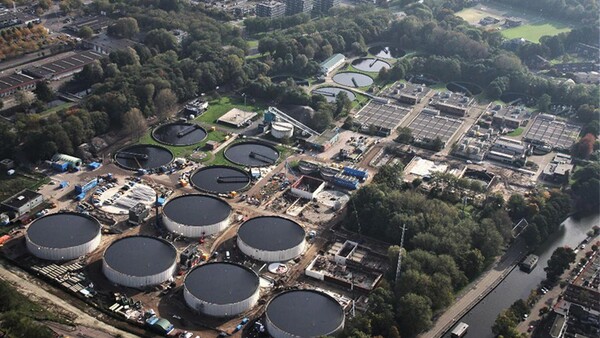
네덜란드의 KWR 수자원연구소(KWR Water Research Institute)는 하수처리장의 아산화질소 배출 모니터링, 모델링 및 감소 프로젝트의 일환으로 2023년부터 라인란덴 수자원관리청(Hoogheemraadschap De Stichtse Rijnlanden)이 운영관리하는 위트레흐트 하수처리장(Utrecht Wastewater Treatment Plant)에서 모니터링 작업을 수행하고 있다. [사진출처(Photo source) = 하스코닝DHV(Royal HaskoningDHV)]
수자원 기술 분야의 전문가를 위한 세계 최고의 플랫폼인 아쿠아텍트레이드(https://www.aquatechtrade.com/)는 최근 ‘하수처리 시설의 실시간 아산화질소 모니터링 필요성(Real-time nitrous oxide monitoring in sewage treatment plants)’에 대한 연구조사보고서를 게재했다. 이 보고서 내용을 요약했다.
네덜란드의 KWR 수자원연구소(KWR Water Research Institute)는 네덜란드의 두 번째 현장에서 하·폐수처리장에서 발생하는 아산화질소(Nitrous Oxide, N₂O) 배출에 대한 모니터링을 지속적으로 실시하고 있다.
KWR 수자원연구소는 하수처리장의 아산화질소 배출 모니터링, 모델링 및 감소 프로젝트의 일환으로 2023년부터 라인란덴 수자원관리청(Hoogheemraadschap De Stichtse Rijnlanden)이 운영관리하는 위트레흐트 하수처리장(Utrecht Wastewater Treatment Plant)에서 모니터링 작업을 수행하고 있다.
이 프로젝트는 에머슨 프로세스 매니지먼트 B.V.(Emerson Process Management B.V.), 다우나 머신 B.V.(Douna Machinery B.V.), 드 스티흐체 리냐덴 워터 보드(De Stichtse Rijnladen Water Board), 드렌츠 오버이셀 델타 워터 보드(Drents Overijsselse Delta Water Board), 노오르지엘베스트 워터 보드(Noorderzijlvest Water Board), 델랜드 워터 보드(Delfland Water Board) 등의 파트너 그룹과 함께 진행되고 있다.
이제, 원래 처리장에는 두 번째 하수처리장인 니위웨 워터웨그(Nieuwe Waterweg ; 호크 오브 홀랜드, 델플랜드 워터 보드(Hoke van Holland, Hoogheemraadschap van Delfland)가 합류했다. 두 하수처리장 모두 아산화질소 배출량을 추적하지만 공정 구성은 다르다.
이 프로젝트의 결과는 오르후스 반드(Aarhus Vand)가 조정한 탄소중립 파트너십 연구(Net Zero Partnership Study)를 포함하여 아산화질소 방출과 관련된 문제를 해결하기 위한 광범위한 연구에 추가된다.
국제 학술지 『네이처 저널(Nature Journal)』에 발표된 연구에 따르면 아산화질소는 지구 온난화 잠재력(Gglobal Warming Potentia, GWP)이 이산화탄소(CO₂)보다 거의 300배 더 큰 온실가스이다.
특히, 대기 중 배출량은 이산화탄소보다 낮지만, 2020년에 발표된 연구에 따르면 아산화질소 배출은 ‘21세기 말까지 지구 온도가 3℃ 이상 상승할 것’으로 예상된다.
하수처리시설은 농업 비료만큼 많은 아산화질소 배출을 하지 않지만, 여전히 중요한 배출원이다. 네덜란드 기업 로얄 하스코닝DHV(Royal HaskoningDHV)에서 제작한 백서 ‘하수 처리장에서의 아산화질소 배출 감소(Reducing Nitrous Oxide Emissions at Wastewater Treatment Plants)’는 이러한 문제를 더욱 자세히 조사했다.
자일럼(Xylem)의 혁신연구소 가속기 프로그램 책임자인 올리버 퍼커링(Oliver Puckering) 박사는 2023년 아쿠아테크 온라인(Aquatech Online)과의 인터뷰에서 “아산화질소 배출량을 효율적으로 모니터링하는 것은 하·폐수 유틸리티가 포괄적인 탄소 재고와 의미 있는 감축 목표를 추구하는 데 있어 중요한 문제”라고 말했다.
올리버 퍼커링 박사는 특히 “2019년 기후변화에 관한 정부 간 패널(IPCC) 가이드라인은 아산화질소 배출량 추정을 위한 계층적 접근 방식을 도입했다. 그러나 이러한 가이드라인은 종종 실제 배출량을 과소평가하여 감축 계획에 정밀한 한계를 초래했다”고 강조했다.
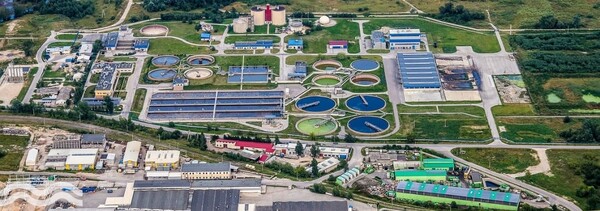
국제 학술지 『네이처 저널(Nature Journal)』에 발표된 연구에 따르면 아산화질소는 지구 온난화 잠재력Gglobal Warming Potentia, GWP)이 이산화탄소(CO2)보다 거의 300배 더 큰 온실가스이다. 특히, 대기 중 배출량은 이산화탄소보다 낮지만, 2020년에 발표된 연구에 따르면 아산화질소 배출은 ‘21세기 말까지 지구 온도가 3℃ 이상 상승할 것’으로 예상된다. [사진출처(Photo source) = 아쿠아텍트레이드(Aquatechtrade)]
퍼커링 박사는 아산화질소 측정의 과제에 대해 “배출량은 일정하지 않으며, 처리장의 온도, 질소 부하 및 폭기 수요 패턴과 같은 요인에 의해 상당한 변동성과 역동적인 계절 패턴을 보인다”고 말했다.
이 프로젝트는 기체 상태에서 실시간 및 연속적인 아산화질소 배출량을 측정하여 일일(하루) 및 계절적 변화를 포착하고 있으며, 기존 모델링 기법으로는 모니터링이 어렵고 정확한 예측이 어려웠다.
가스는 이동식 가스 분석기에 연결된 폐쇄형 후드를 사용하여 수집되고 있다. 후드는 프로젝트를 위해 특별히 제작되었으며, 온도와 압력에 대한 센서가 샘플링 조건을 기록하고 고품질의 대표 가스 샘플을 수집할 수 있도록 예방 유지보수 메커니즘이 장착되어 있다.
수집된 데이터는 수자원위원회 파트너(Water Board Partner)가 액상 아산화질소 처리 과정 및 측정에 대한 다른 정보와 결합하여 아산화질소 배출량과 아산화질소 형성을 유도하는 조건에 대한 예측을 할 수 있는 디지털 트윈(Digital Twin)에 도달하고 있다. 이 디지털 트윈은 제어 및 아산화질소 배출 완화 전략을 개발하는 데 사용할 수 있다.
이 프로젝트는 파트너가 하·폐수 처리장의 아산화질소 발자국에 대해 보다 정확하게 이해하는 데 도움이 된다. 이 데이터는 온실가스 생산 및 배출과 관련된 기본 프로세스에 대한 귀중한 통찰력을 제공하는 모델을 만드는 데 사용된다.
이 자료는 궁극적으로 최종 사용자가 하수처리장에서 아산화질소 배출을 최소화할 수 있는 다양한 완화 전략의 효과를 평가할 수 있게 해줄 수 있다. 따라서 최종 목표는 아산화질소 형성 과정, 배출 속도 및 완화 기술의 효과에 대한 충분한 지식을 확보하여 하수처리장 및 공정에서 측정 가능하고 강력한 배출량 감소를 제공한다.
[원문보기]
Real-time nitrous oxide monitoring in sewage treatment plants
Dutch water research institute KWR is extending its real-world monitoring of nitrous oxide emissions from wastewater treatment plants at a second site in the Netherlands.
A project to monitor and model nitrous oxide emissions
KWR has been carrying out a monitoring operation at WWTP Utrecht (Hoogheemraadschap De Stichtse Rijnlanden) since 2023 as part of the Monitoring, modelling and reduction of nitrous oxide emissions from WWTPs project.
The project is being run with a group of partners: Emerson Process Management B.V., Douna Machinery B.V., De Stichtse Rijnladen Water Board, Drents Overijsselse Delta Water Board, Noorderzijlvest Water Board, and Delfland Water Board.
Now, the original plant has been joined by a second wastewater treatment plant: Nieuwe Waterweg (Hoek van Holland, Hoogheemraadschap van Delfland). Both plants will be tracking nitrous oxide emissions but using different process configurations.
Findings from the project will add to a wider body of research that looks to address the problems associated with nitrous oxide release, including the Net Zero Partnership Study coordinated by Aarhus Vand.
Why is nitrous oxide such a problem for wastewater treatment
Nitrous oxide is a greenhouse gas that has a global warming potential (GWP) that is almost 300 times greater than carbon dioxide, according to a study published in the journal Nature.
And while the level of emissions in the atmosphere are lower than carbon dioxide, the study (published in 2020) suggested that nitrous oxide emissions were on a path to cause 'a global temperature increase above three degrees by the end of this century'.
While sewage treatment plants do not produce as many nitrous oxide emissions as, for example, agricultural fertiliser, they are still a significant source of emissions.
A whitepaper, produced by Royal HaskoningDHV, entitled 'Reducing nitrous oxide emissions at wastewater treatment plants' looked into these issues in further detail.
Speaking to Aquatech Online in 2023, Xylem's Innovation Labs Accelerator Programme lead, Dr Oliver Puckering, said at the time: "Efficient monitoring of nitrous oxide emissions is a vital concern for wastewater utilities in their pursuit of comprehensive carbon inventories and meaningful mitigation targets. The 2019 Intergovernmental Panel on Climate Change (IPCC) guidelines introduced a tiered approach for nitrous oxide emissions estimation. However, these guidelines often underestimate actual emissions, leading to precision limitations in mitigation planning."
He spoke further on the challenges of measuring nitrous oxide, stating that "emissions are far from constant; they exhibit considerable variability and dynamic seasonal patterns influenced by factors like temperature, nitrogen loads and aeration demand patterns in treatment plants."
What does the project involve?
The project is measuring real-time and continuous nitrous oxide emissions in the gaseous phase, capturing both daily and seasonal variations, and it is these variations that conventional modelling techniques struggle to monitor and that have made it difficult to make accurate predictions.
The gas is being collected using a closed hood connected to a mobile gas analyser. The hoods are purpose-made for the project, with sensors for temperature and pressure which record the sampling conditions and is equipped with preventive maintenance mechanisms to ensure the collection of high-quality and representative gas samples.
The collected data is being combined with other information about the treatment process and measurements of nitrous oxide in the liquid phase by the water board partners to arrive at digital twins with which predictions can be made about nitrous oxide emissions and the conditions that drive nitrous oxide formation. These digital twins can be used to develop control and nitrous oxide emission mitigation strategies.
What does the project hope to learn?
The project will help the partners gain a more accurate understanding of the nitrous oxide footprint of wastewater treatment plants. The data will be used to be create models that will provide valuable insights into the underlying processes involved in the production and emissions of the greenhouse gas.
This knowledge will ultimately allow end-users to evaluate the effectiveness of the different mitigation strategies they employ can minimise nitrous oxide emissions from treatment plants.
The end goal, therefore, will be to gain enough knowledge of the processes involved in nitrous oxide formation, emission rates, and the effectiveness of mitigation techniques to offer measurable and robust reductions in emissions from sewage treatment plants and processes.
[출처 = 아쿠아텍트레이드(Aquatechtrade)(https://www.aquatechtrade.com/news/wastewater/nitrous-oxide-monitoring-modelling-mitigation-project-extension-netherlands) / 2025년 2월 20일]
 즐겨찾기 추가
 시작페이지로 설정
























