[북아메리카] [2026] [미국] “기후 건조화는 인간에 의한 유입량을 넘어 전 세계 강·하천의 질산염 농도를 증가시킨다”
이름
관리자
작성일
2026-11-16
조회수
660
파일첨부
[미국] “기후 건조화는 인간에 의한 유입량을 넘어 전 세계 강·하천의 질산염 농도를 증가시킨다”
현재 5억명이 질산염 농도가 건강에 부정적인 영향 초래할 수 있는 수준을 초과하는 강·하천 근처에 거주
질산염, 강·하천 조류 번식 촉진…‘블루 베이비 증후군(청색증)’으로 알려진 영아의 심각한 질병 위험 높일 수 있어
펜실베이니아 주립대 리리(Li Li) 교수 연구팀, 7천개 이상의 강 구간에서 수집된 수백만 건의 질산염 측정값 집계
연구 결과 보고서, 국제 과학 학술지 『사이언스(Science)』 11월 12일자에 발표
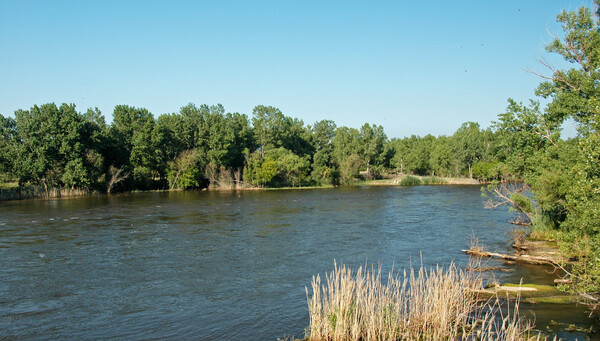
미국 펜실베이니아 주립대학교 리리(Li Li) 토목·환경공학 교수를 주축으로 한 연구팀은 새로운 연구에서 건조한 기후 조건은 농업이나 도시 개발이 거의 없는 지역에서도 강의 질산염 농도가 높다는 것과 연관되어 있다는 것을 발견했다. 사진은 미국 미주리 강의 지류인 플랫강(Platte River). [사진출처(Photo source) = 플리커(flicker), 제임스 세인트 존(James St. John)]
일반적으로 질산염(Nitrate, NO₃-)은 농경지, 하수구, 도시에서 유출되는 유출수를 포함하며, 이들은 해로운 조류 번식을 촉진시키고, ‘블루 베이비 증후군(Blue Baby Syndrome, 청색증)’으로 알려진 영아의 심각한 질병 위험을 높일 수 있다. 하지만, 농경지가 거의 없는 인구가 드문 지역을 흐르면서도 놀랄 만큼 높은 수준의 질소를 함유하고 있어 수생 생물, 식수, 인간 건강에 해를 끼칠 수 있다.
미국 펜실베이니아 주립대학교 리리(Li Li) 토목·환경공학 교수를 주축으로 한 연구팀은 새로운 연구에서 건조한 기후 조건은 농업이나 도시 개발이 거의 없는 지역에서도 강의 질산염 농도가 높다는 것과 연관되어 있다는 것을 발견했다. 이 보고서 내용을 요약했다. [번역 및 정리 = 배철민 편집국장 겸 글로벌물산업정보센터장]
이번 연구를 주도한 펜실베이니아 주립대 리리(Li Li) 교수. [사진출처(Photo source) = 펜실베이니아 주립대학교(The Pennsylvania State University)]
농업용 비료에 흔히 사용되는 산소(O₂)와 질소(N)의 화학 혼합물인 질산염(NO₃-)은 매우 건조한 환경에서 주변 수역 내 농도가 독성을 띨 정도로 높아질 수 있다.
이러한 현상은 그동안 주로 농업 유출수나 인간 활동으로 인한 폐기물 때문인 것으로 간주되어 왔다.
그러나 펜실베이니아 주립대학교(Pennsylvania State University) 과학자들이 주도한 새로운 연구에 따르면 도시화나 농업 개발이 이루어지지 않은 지역이라 하더라도 덥고 건조한 기후는 강과 하천의 질산염 농도를 높이는 원인이 되는 것으로 조사됐다.
리리(Li Li) 토목·환경공학 교수를 주축으로 한 연구팀은 인공지능(AI) 알고리즘을 이용해 전 세계 7천 개 이상의 강 지점에서 기록된 데이터 패턴을 겹쳐 분석하여, 데이터가 희소한 지역에서 질산염 농도를 신뢰성 있게 매핑(Mapping)할 수 있는 머신러닝(Machine Learning, ML) 모델을 구축했다.
연구팀은 전 세계적으로 최초의 연구라고 밝혔으며, 질산염 오염이 인간 활동만으로 유발되는 것이 아니라 기후 조건도 중요한 역할을 한다는 점을 시사한다. 연구팀은 11월 12일 미국과학진흥회(American Association for the Advancement of Science)에서 발간하는 과학 학술지 『사이언스(Science)』에 ‘기후 건조화는 인간에 의한 유입량을 넘어 전 세계 강·하천의 질산염 농도를 증가시킨다(Climate aridity amplifies global riverine nitrate beyond human inputs)’라는 제목으로 연구 결과를 발표했다.
펜실베이니아 주립대학교 공과대학의 배리 및 셜리 아이셋(Barry and Shirley Isett) 토목·환경공학 교수이자 논문의 주요 저자인 리리(Li Li) 박사는 “현재 약 5억 명이 질산염 농도가 건강에 부정적인 영향을 초래할 수 있는 수준을 초과하는 강 근처에 살고 있다”라면서 “이 발견은 질산염 오염이 단순히 지역 관리 문제를 넘어 기후와 직접적으로 관련된 더 광범위한 문제임을 시사하며, 기후는 점점 더 덥고 건조해지고 있다”고 강조했다.
질산염은 전 세계 강, 하천, 호수, 지하수에서 가장 흔한 무기물 오염 형태 중 하나로, 2021년부터 2023년 사이에 미국 인구의 약 18%가 질산염 농도가 높은 식수에 노출되었다. 생태계에 해를 끼칠 뿐만 아니라, 식수 내 높은 수준의 질산염은 여러 건강 문제를 초래할 수 있는데, 특히 ‘메트헤모글로빈혈증(Methemoglobinemia)’- 흔히 ‘블루 베이비 증후군(Blue Baby Syndrome, 청색증)으로 알려진 영아의 혈액이 산소를 효과적으로 운반하지 못하는 치명적인 상태이다.
리리 교수는 “일반적으로 질산염 핫스팟(Nitrate Hotspots)은 농업에 사용되는 비료나 도시 폐수 같은 인간 투입에서 비롯된다고 생각한다”라면서 “대규모 수질 연구가 많지 않아서, 사람들은 전통적으로 기후가 질산염 수치에 미치는 영향을 고려하지 않지만, 우리의 새로운 모델은 인간의 투입이 중요한 역할을 하긴 하지만, 연평균 기온과 연평균 강수량과 같은 장기 기후도 환경 질산염 수치에 기여한다는 것을 알려주고 있다”고 강조했다.
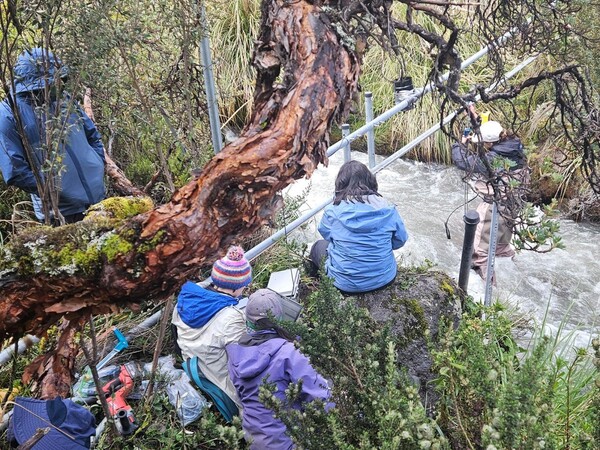
펜실베이니아 주립대 리리(Li Li) 교수 연구팀은 현장 조사와 기존 수질 모니터링 장비가 해당 지역의 오염 데이터를 수집할 수 있지만, 연구팀은 지구의 외딴 지역에서 통찰을 수집해 전 지구 수질 모델을 구축하는 것은 어렵다고 설명했다. [사진출처(Photo source) = 펜실베이니아 주립대 리리(Li Li) 교수]
펜실바니아주립대 토목·환경공학 박사후 연구원이자 논문의 제1저자인 카얄비지 사다야판(Kayalvizhi Sadayappan)은 “질산염은 자연적으로 저용량으로 존재하지만, 네브래스카(Nebraska)에서 오하이오(Ohio)까지 이어지는 미국 중서부 일부인 옥수수 벨트 같은 농경지가 많이 경작된 지역은 지구상에서 가장 높은 질산염 농도를 보이는 곳 중 하나다”라면서 “현재 규제 기준은 건강 부정적 영향을 막기 위해 존재하지만, 질산염이 낮은 농도에서도 여전히 위험을 낼 수 있다”고 말했다.
사다야판 연구원은 이어 “질산염에 대해서는 주로 ‘블루 베이비 증후군(청색증)’과 같은 급성 질환을 예방하기 위해 1리터(L)당 10밀리그램(mg)의 질산염이라는 규제 기준이 설정되어 있다”라면서 “이것은 1970년대부터 표준이었지만, 과학자들은 이제 암이나 생식 관련 문제와 같은 느리고 만성적인 질환이 훨씬 낮은 수준의 노출, 예를 들어 물당 2.5mg의 질산염과 연관될 수 있음을 관찰하고 있다”고 덧붙였다.
이 모델은 7천 개 이상의 강 구간에서 수집된 수백만 건의 질산염 측정값을 집계하여 이 데이터에서 관찰된 패턴을 바탕으로 예측을 훈련하는 방식으로 작동한다.
리리 교수는 “이 중 일부 수치가 학습 데이터에서 제외되어 모델이 처리하지 않은 실제 데이터와 예측을 비교할 수 있도록 하며, 팀이 모델의 정확성을 평가할 수 있도록 한다”고 설명했다.
연구팀은 약 1천 개의 모델을 구축했으며, 각 모델은 선정된 모니터링 사이트 하위 집합에서 학습하여 모델 불확실성을 추가로 평가했다. 훈련 후 모델은 데이터가 적은 지역에서도 질산염 농도를 예측할 수 있어, 전 세계 약 290만 개 강 구간의 질산염 농도 전 세계 지도를 재구성할 수 있다.
사다야판 연구원은 “이 지도에 한계가 있다고 설명하며, 대부분의 질산염 측정값은 북미와 유럽처럼 풍부한 자원이 있는 온대 기후 지역에서 이루어지는 반면, 북아프리카와 같은 건조 지역에서는 훨씬 적은 데이터 포인트가 제공된다”고 지적했다. 이 데이터 격차는 오랫동안 전 세계 수질 모델링 과정을 복잡하게 만들었다.
사다야판 연구원은 “전 세계 지도를 재구성하기 위해 개별 강 구간에 대해 기후 특성, 토지 이용 특성, 토양 정보 등 26가지 변수에 대한 정보를 추출했다”라면서 “이 정보가 각 모델이 토지 특성과 질산염 농도를 연결할 수 있게 한다”고 설명했다.
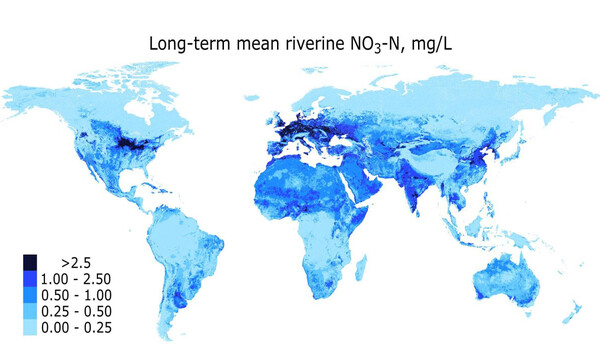
[그림 1] 장기 평균 하천의 질산성 질소(NO₃-N) 농도
연구팀의 예측된 강 질산염 농도 전 세계 지도는 인간 투입이 많은 예상 핫스팟을 넘어 건조하고 외진 지역에서 예상치 못하게 높은 농도가 있음을 보여준다. [그림출처(picture source) = 펜실베이니아 주립대 리리(Li Li) 교수]
펜실바니아주립대 연구팀은 농업과 도시 활동이 거의 없거나 전혀 없는 지역에서도 건조 기후의 강에서 질산염 오염 수준이 일관되게 높았다고 보고했다.
지구상에서 가장 건조하고 외진 지역 중 하나인 북아프리카의 사하라 사막은 동남아시아와 같은 습한 지역과 비슷하거나 더 높은 질산염 농도를 보였으며, 그 습한 환경에는 광범위한 도시나 농업 개발이 있었음에도 불구하고 그곳에 있다.
리리 교수에 따르면, 가장 좋은 설명은 건조 기후에서 자연적으로 발생하는 질산염이 수년에 걸쳐 축적된다는 점인데, 이는 제한된 수분 이동 때문에 씻겨 내려가지 않기 때문이다.
“솔직히 말해서, 그 발견은 우리를 조금 놀라게 했다. 인간의 투입이 여전히 가장 큰 영향을 미치지만, 세계에서 가장 외진 지역, 특히 계절에만 흐르는 작은 상류 하천에서도 질산염 수치가 높게 나타난다”라고 사다야판 연구원은 말했다.
리리 교수는 “이번 발견이 변화를 가져오는 것”이라고 강조했다. 질산염 오염은 이전에는 지역에서 관리되는 문제로 여겨졌으나, 전 세계적으로 기후 건조가 심화되면 전 세계적으로 질산염 오염 문제가 악화될 수 있다는 것이다.
리리 교수에 따르면, 질산염과 기후의 관계, 이 오염이 환경에 어떻게 축적되는지, 그리고 잠재적 노출이 장기적으로 건강에 미치는 영향에 대한 더 나은 이해는 향후 허용 가능한 노출 수준에 관한 규제 결정에 근본적인 역할을 할 수 있다고 한다.
그녀는 “홍수와 가뭄에 대한 논의는 많은데, 그 영향이 더 쉽게 보이기 때문이지만, 수질 문제는 시각적으로 관찰하기 어려워서 정말, 정말 심각해질 때까지 관찰하기 어렵다”라면서 “이 분야에서의 연구가 특히 데이터가 부족한 지역에서 수질 문제에 대한 인식과 데이터 수집을 계속해서 높여주길 바란다”고 말했다.
이 연구는 미국 국립과학재단(National Science Foundation, NSF)의 지원으로 EAR-2346471 수상 번호, IEE 올해의 인물(IEE support for Person of the Year ) 및 이셋 교수직 지원을 받았다.
[원문보기]
Nitrate pollution in rivers linked to dry climates, not just human activity
Although nitrate pollution in rivers has traditionally been attributed to agricultural waste or human input, new research from scientists at Penn State suggests that a dry climate contributes to increased pollution, even in some of the most remote parts of the world
Nitrate, a chemical mixture of oxygen and nitrogen often used in farm fertilizers, can rise to toxic levels in surrounding water under very dry conditions. This relationship has traditionally been attributed to agricultural runoff or human waste in the environment, but new research led by scientists at Penn State shows that a hot and dry climate elevates concentrations of nitrate in rivers and streams, even in areas without urban or agricultural development.
Using artificial intelligence (AI) algorithms to overlay data patterns recorded from over 7,000 river sites around the world, the team built a machine learning model that can reliably map nitrate concentrations across regions with scarce data.
Their research, which the team said is the first of its kind at a global scale, suggests that nitrate pollution is not driven by human activity alone - climate conditions also play a critical role. They published their findings today (Nov. 12) in Science.
“Right now, roughly a half billion people are living in proximity to rivers where nitrate concentrations exceed levels that can potentially lead to negative health effects,” said Li Li, the Barry and Shirley Isett Professor of Environmental Engineering and corresponding author on the paper. “This finding implies that nitrate pollution is beyond a local management issue: it’s a broader problem directly related to climate, which is becoming increasingly hotter and drier.”
Nitrate is one of the most prevalent forms of inorganic pollution found in rivers, streams, lakes and groundwater worldwide, with about 18% of the U.S. population exposed to drinking water with elevated nitrate levels between 2021 and 2023.
In addition to harming ecosystems, high levels of nitrate in drinking water can lead to a host of health conditions, most notably methemoglobinemia - commonly known as blue baby syndrome - a potentially fatal condition where an infant’s blood cannot effectively carry oxygen.
“Generally, we think nitrate hotspots derive from human input like fertilizer used in agricultural or wastewater from cities,” said Li, who holds an additional affiliation with Penn State’s Institute of Energy and the Environment. “There’s not a lot of very-large-scale water quality work, so people don’t traditionally think about climate in terms of affecting nitrate levels.
However, our new model is telling us that although human input plays a major role, long-term climate such as average annual temperature and average annual rainfall of an area contributes to environmental nitrate levels, as well.”
Nitrate occurs naturally in low doses, but heavily farmed areas like the Corn Belt, a portion of the U.S. Midwest spanning from Nebraska to Ohio, exhibit some of the highest nitrate concentrations on Earth, said Kayalvizhi Sadayappan, a postdoctoral scholar in civil and environmental engineering and first author on the paper. Current regulatory standards exist to protect against adverse health impacts, but Sadayappan said that nitrate can still carry risks at lower levels.
“For nitrate, we have a regulatory standard set at 10 milligrams of nitrate per liter of water, primarily to prevent acute diseases like blue baby syndrome,” Sadayappan said.
“This has been the standard since the 1970s, but scientists are now observing that slower, chronic conditions like cancers or issues related to reproduction can be linked to exposure at much lower levels, like 2.5 milligrams of nitrate per liter of water.”
The model works by aggregating millions of individual nitrate readings taken from over 7,000 river segments, training predictions based off patterns observed in this data. Li explained that a portion of these readings are withheld from the training data set so that predictions can be compared to real data the model has not processed, allowing the team to evaluate the model’s accuracy.
The team built approximately 1,000 models, each trained on a selected subset of monitoring sites, to additionally assess model uncertainty. After training, the model can make predictions of nitrate concentrations, even in locations with little data, allowing the team to reconstruct a global map of nitrate concentration in about 2.9 million river segments around the world.
This map has limitations, Sadayappan explained, noting that most nitrate measurements come from regions with temperate climates, such as North America and Europe with rich resources for monitoring, while far fewer data points are available in arid regions like north Africa. This data gap has long complicated the process of modeling global water quality broadly.
“To reconstruct a global map, we extracted information about 26 different variables for individual river segments, including climate characteristics, land-use characteristics and soil information,” said Sadayappan, explaining that this information enables each model to link land characteristics to nitrate concentration.
The team reported that even in parts of the world with little or no agricultural and urban activity, rivers in arid climates showed consistently elevated levels of nitrate pollution.
The Sahara Desert in northern Africa, one of the most arid, remote locations on Earth, displayed comparable if not higher nitrate concentrations than humid locations, like southeast Asia, even if those humid environments had extensive urban or agricultural development.
According to Li, the best explanation is that naturally occurring nitrate builds up in arid climates over years, since limited water movement prevents it from being washed out.
“Honestly, the finding surprised us a bit,” Sadayappan said. “Human inputs still have the biggest impact, but nitrate levels are elevated even in some of the world’s most remote regions, particularly in small headwater streams that flow only seasonally.”
Li said she sees this finding as transformative. Nitrate pollution has previously been considered a locally managed issue, but increasing climate aridity around the globe could exacerbate the issue of nitrate pollution around the world.
According to Li, better understanding of nitrate’s relationship to climate and how this pollution builds up in the environment, as well as the long-term health impacts of potential exposure, could play a fundamental role in future regulatory decisions about acceptable exposure levels.
“There’s a lot of discussion about floods and droughts because their impacts are easier to see, but it can be difficult to notice water quality issues because you can’t visually observe the issues until they get really, really bad,” Li Li said.
“We hope that work in this space will continue to increase awareness and more data collection, especially in data-sparse regions, around this problem of water quality.”
This work was supported by the U.S. National Science Foundation under award number EAR-2346471, IEE support for Person of the Year and the Isett Professorship. The content is solely the responsibility of the authors and does not necessarily represent the official views of the funders.
[출처 = 펜실베이니아 주립대학교(The Pennsylvania State University)(https://iee.psu.edu/news/nitrate-pollution-rivers-linked-dry-climates-not-just-human-activity) / 2026년 11월 12일]
[연구논문 출처 = 『사이언스(Science) 』(https://www.science.org/doi/10.1126/science.aeg2366) / 2026년 11월 12일]
 즐겨찾기 추가
 시작페이지로 설정