[EU] EC, “전 세계 담수 저수지서 PFAS 광범위 검출”
5개 대륙 74개 저수지 분석…아시아 지표수서 PFAS 검출 빈도 높아
유럽 어류 조직서 생물농축 두드러져…아프리카 일부 저수지도 고농도 오염
오염원·사용 이력 따라 3가지 유형 확인, 단쇄 PFAS 확산에 우려 제기
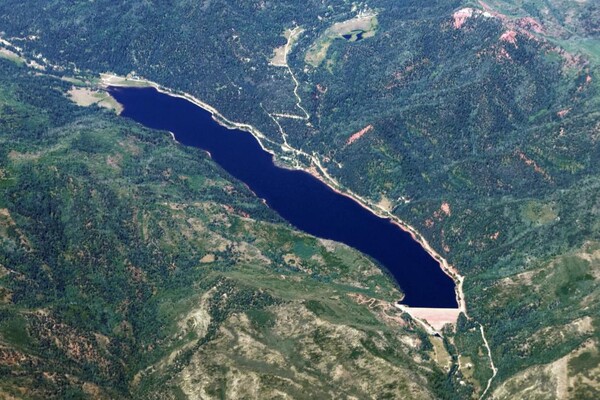
전 세계 담수 저수지에서 과불화화합물(PFAS)이 광범위하게 검출되고 있으며, 오염물질의 종류와 유입 경로, 과거 사용 이력 등에 따라 대륙별 오염 양상이 다르게 나타난다는 연구 결과가 나왔다. [사진출처(Photo Source) = Wikimedia Radomianin]
전 세계 담수 저수지에서 과불화화합물(PFAS)이 광범위하게 검출되고 있으며, 오염물질의 종류와 유입 경로, 과거 사용 이력 등에 따라 대륙별 오염 양상이 다르게 나타난다는 연구 결과가 나왔다.
유럽연합 집행위원회(EC) 환경총국은 지난 10월 27일 과학정보 서비스 ‘환경정책을 위한 과학(Science for Environment Policy)’을 통해 전 세계 담수 저수지의 PFAS 오염 특성을 분석한 연구 결과를 소개했다. 이번 연구는 국제학술지 『Water Research』에 게재된 것으로, 5개 대륙 74개 저수지의 시료 데이터를 분석해 PFAS의 분포 특성과 주요 오염원을 규명했다.
PFAS는 산업용 제품과 생활용품 등에 폭넓게 사용되는 1만 종 이상의 합성화학물질로, 환경에서 쉽게 분해되지 않고 이동성이 높아 ‘영원한 화학물질(Forever Chemicals)’로 불린다. 제품의 제조부터 폐기에 이르는 전 과정에서 환경으로 배출될 수 있으며, 장기간 노출될 경우 인체 건강과 생태계에 악영향을 미칠 수 있다.
특히 담수 저수지는 식수 공급과 수생생물의 서식지 등 중요한 기능을 수행하지만, 하천의 자연적인 흐름을 차단하고 물질의 이동 경로를 변화시키는 특성상 오염물질이 축적되기 쉬운 환경이다. 이에 따라 저수지 내 PFAS의 분포와 축적 특성을 파악하는 것이 수질관리와 생태계 보호를 위한 주요 과제로 떠오르고 있다.
연구진은 기존 PFAS 조사자료가 지역별로 불균등하게 분포하고 측정 항목과 조사 방식에도 차이가 있어 전 세계적인 오염 현황을 종합적으로 파악하는 데 한계가 있다고 지적했다. 이를 보완하기 위해 자료 수집·결측값 보완·다중 규모 통계분석으로 구성된 ‘DIM(Data compilation–Imputation–Multiscale statistics)’ 분석체계를 활용했다.
분석 대상은 수생태계에서 이동성이 높고 생물농축 가능성이 있는 음이온성 PFAS다. 연구진은 지표수와 퇴적물, 어류 조직 등의 자료를 종합해 대륙별 오염 특성을 비교하고 오염물질의 유입 경로와 축적 양상을 분석했다.
분석 결과, PFAS는 전 세계 담수 저수지에서 광범위하게 검출됐지만 지역에 따라 검출 빈도와 농도, 축적 특성에는 차이가 있었다. 아시아 지역 저수지에서는 지표수의 PFAS 검출 빈도가 가장 높았으며, 유럽에서는 어류 조직 내 PFAS 생물농축이 두드러졌다.
아프리카 일부 저수지에서는 가장 빈번하게 보고된 PFAS 14종의 농도가 다른 지역보다 상대적으로 높게 나타났다. 다만 이번 연구에 포함된 아프리카 저수지는 5곳에 불과해 조사자료가 충분하지 않은 것으로 나타났다. 연구진은 이러한 결과가 중·저소득 국가의 PFAS 노출 위험이 실제보다 낮게 평가되고 있을 가능성을 보여준다고 설명했다.
대륙별 차이는 PFAS 사용 및 규제 이력, 폐기물 관리 방식뿐 아니라 지역별 조사 대상과 측정 방식의 차이에서도 비롯된 것으로 분석됐다. 아시아는 지표수, 유럽은 퇴적물, 북미는 어류를 중심으로 PFAS 감시가 이뤄지는 경향이 있어 조사자료의 구성 자체가 분석 결과에 영향을 미칠 수 있다는 것이다.
연구진은 PFAS의 주요 오염원과 축적 특성을 바탕으로 전 세계 담수 저수지의 오염 양상을 세 가지 유형으로 구분했다.
첫 번째는 과불화옥탄산(PFOA)이 우세한 초기 오염 유형이다. 생활하수와 산업폐수 등을 통해 PFAS가 유입되는 형태로, 5개 대륙에서 확인됐다. 이 유형은 지표수에서 중간 수준의 PFAS 농도를 보인 반면, 퇴적물과 어류 조직에서는 상대적으로 낮은 농도가 나타났다.
두 번째는 PFOA와 과불화옥탄술폰산(PFOS)이 함께 우세한 지속적 오염 유형이다. 주로 아시아에서 확인됐으며, 산업단지와 도시지역의 유출수 등 복합적인 오염원과 관련이 있었다. 지표수뿐 아니라 퇴적물과 어류 조직에서도 PFAS 농도가 높게 나타나 오염물질이 수생태계 전반에 축적되는 특성을 보였다.
세 번째는 과불화부탄산(PFBA)이 우세한 장기 축적 유형이다. 대기 중 오염물질의 침적과 산업폐수 배출, 수생태계 내부에서의 물질 재순환 등이 주요 원인으로 분석됐다. 유럽과 중국 동부에서 주로 확인됐으며, 퇴적물과 어류 조직에 축적된 PFAS의 오염 부담이 가장 큰 것으로 나타났다. 특히 탄소사슬 길이가 짧은 단쇄 PFAS가 우세한 특징을 보였다.
연구진은 최근 장쇄 PFAS에 대한 규제가 강화되면서 대체물질로 사용이 확대된 단쇄 PFAS의 환경적 위험에도 주목했다. 단쇄 PFAS는 장쇄 PFAS보다 생물농축 가능성은 낮지만, 이동성과 잔류성이 높고 지표수와 대기 사이를 이동하기 쉬운 특성이 있다. 또한 기존 수처리 방식으로 제거하기 어려워 장기적인 수질관리 측면에서 새로운 과제가 될 수 있다고 지적했다.
유럽연합(EU)은 일부 유해 PFAS의 사용을 이미 금지했으며, 화학물질 등록·평가·허가·제한 제도(REACH)를 통해 소방용 포말에 포함된 PFAS를 제한하고 다른 용도로 규제를 확대하는 절차를 추진하고 있다. 음용수 지침에 따라 회원국의 식수 내 PFAS 감시 기준도 강화하고 있다.
연구진은 이번 분석을 통해 전 세계 담수 저수지의 PFAS 오염이 단일한 양상이 아닌 지역별 오염원과 수문학적 특성, 과거 사용 이력 등이 복합적으로 작용한 결과임을 확인했다고 밝혔다.
아울러 국가와 지역에 따라 PFAS 조사자료의 양과 질에 큰 차이가 있는 만큼, 국제적으로 통일된 감시·보고체계를 마련할 필요가 있다고 강조했다. 특히 사람과 동물, 생태계의 건강을 통합적으로 고려하는 ‘원헬스(One Health)’ 접근을 바탕으로 국제협력을 강화하고, PFAS 오염 저감과 관리정책 수립에 필요한 과학적 근거를 확충해야 한다고 제언했다.
[원문보기]
Polluting ‘forever chemicals’ build up differently across continents, finds study of global freshwater reservoirs
Issue 641: Freshwater reservoirs are contaminated by persistent ‘forever chemicals’. A new study reveals how chemicals build up in these water bodies, finding three key patterns of contamination based on chemical type, source, and history of use.
Ecosystems across the globe are increasingly threatened by contamination from per- and polyfluoroalkyl substances (PFAS), a group of more than 10,000 synthetic chemicals nicknamed ‘forever chemicals’ due to their persistence and mobility in the environment. PFAS are used extensively in many industrial and consumer applications and are released across the entire product lifecycle from manufacturing to disposal. Long-term exposure to these chemicals poses risks to human health and the environment.
In Europe, some PFAS are identified as substances of very high concern by the European Chemical Agency; the European Food Safety Authority, which has established guidelines for ‘tolerable’ weekly doses of PFAS in food; and as part of the Drinking Water Directive, which recently implemented rules on how Member States must monitor PFAS levels in drinking water in order to meet EU limits. Several of the most harmful PFAS substances have already been banned in the EU, with a REACH restriction covering all PFAS in fire-fighting foams and an on-going restriction process aiming to address other uses. The Chemicals Industry Action Plan (adopted in 2025) aims to support a transition away from PFAS where alternatives are available.
However, existing data on PFAS is limited, fragmented, inconsistent, and geographically uneven, say the authors of a new study, making it difficult to comprehensively understand how they are distributed and – crucially – where they come from. To address this knowledge gap, the researchers developed a new data-driven workflow to get a better picture of anionic PFAS occurrence in freshwater reservoirs across the globe. Anionic PFAS (containing a negatively charged atom) may be of particular concern in aquatic ecosystems, where they are highly mobile and show potential to bioaccumulate (build up and become concentrated within organisms over time).
Artificial lakes, such as freshwater reservoirs, fulfil many societal needs. However, their construction causes river networks to become fragmented and disrupted, altering how they transport material downstream and creating enclosed environments that are particularly prone to accumulating contaminants such as PFAS. This is a significant concern given their role as a source of drinking water and place of aquatic habitats for many species.
The researchers compiled sample data from 74 reservoirs across five continents to elucidate how PFAS contamination occurs on various scales (from global to within a single reservoir). The study used a ‘DIM’ workflow (Data compilation–Imputation–Multiscale statistics) – a data-driven framework designed to account for missing or inconsistent data in fragmented datasets and assess phenomena across differing spatial scales. This method helped researchers to find patterns of PFAS contamination and pinpoint potential sources of contamination, and to identify which knowledge gaps persist, indicating how future research can improve PFAS surveillance and pollution mitigation.
The results show that PFAS are widely detected in freshwater reservoirs worldwide, but that their occurrence is not uniform. This may partly reflect how continents prioritise different aspects in their monitoring of PFAS, focusing for example on surface waters (Asia), sediments (Europe), or fish (North America); and how this monitoring is conducted, such as more or less widely or frequently. Differences in legacy (historical) use of the chemicals, regulation, PFAS use, and waste management are also factors.
Based on the available data, European fish tissues showed the greatest bioaccumulation of PFAS; Asian reservoirs showed the most frequent PFAS detections in surface water; and some African reservoirs had comparatively high concentrations of the 14 most frequently reported PFAS. While African reservoirs are underrepresented in monitoring studies, with just five assessed in this study, the results found unexpectedly high contamination levels, suggesting that exposure risks in low- and middle-income countries may be under-appreciated.
The study identifies three distinct patterns (‘paradigms’) of contamination:
Early-stage contamination dominated by perfluorooctanoic acid (PFOA), linked to domestic and industrial discharge via wastewater (e.g. sewage). This was seen on five continents, with lower PFAS concentrations in sediments and fish and intermediate concentrations in water.
Ongoing contamination dominated by both PFOA and perfluorooctane sulfonate (PFOS), from mixed sources. This was found predominantly in Asia, linked to industrial zones and urban runoff, and showed elevated levels of PFAS in water, sediments, and fish.
Longer-term (legacy) buildup of contamination dominated by perfluorobutanoic acid (PFBA), driven by deposition from the atmosphere, industrial discharge, and internal cycling (where chemicals are redistributed and recirculated within the environment). This was primarily seen in Europe and eastern China, which showed the highest PFAS burdens in sediments and fish, and was dominated by PFAS with shorter carbon chains (‘short-chain’ versus ‘long-chain’ PFAS).
These paradigms reveal marked differences in anionic PFAS contamination across global reservoirs, shaped by regionally dominant PFAS sources, hydrology, and legacy use. The shift towards short-chain PFAS is concerning; while less bioaccumulative, these chemicals are highly mobile, persistent, prone to moving between surface water and the atmosphere, and resist conventional treatment. They have proliferated in recent years as a substitute for long-chain PFAS, which have been subject to more widespread and stringent restrictions on a global scale (including under the EU’s strict REACH and persistent organic pollutant regulations, which protect human health and the environment from chemical risks).
The researchers note that their results highlight critical knowledge gaps in the monitoring and reporting of PFAS worldwide. We need international collaboration – as part of a unified One Health approach that sustainably balances the health of people, animals, and ecosystems – to bridge these gaps, they say, and inform effective PFAS governance.
[출처 = EU 집행위원회(EU Commission)(https://environment.ec.europa.eu/news/polluting-forever-chemicals-build-differently-across-continents-finds-study-global-freshwater-2026-10-27_en) / 2026년 10월 27일]
|  즐겨찾기 추가
 시작페이지로 설정
























