[아르메니아] 아르메니아·UNEP, 산악·담수생태계 보호 위한 국제협력 플랫폼 출범
전 세계 담수 흐름의 55~60% 공급하는 산악생태계 보전·복원 및 물안보 강화 추진
‘예레반 플랫폼’ 통해 국가 간 정책협력·재원조달·기술지원 확대 모색
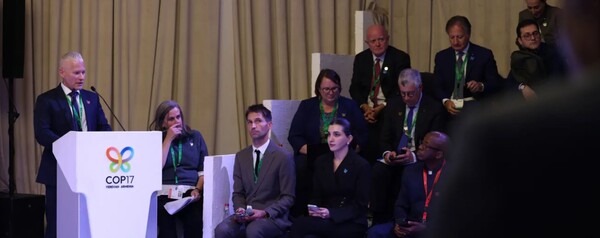
아르메니아 정부와 유엔환경계획(UNEP)이 산악지역과 이에 연결된 담수생태계의 보전·복원을 촉진하기 위한 국제협력체계를 구축했다. [사진출처(Photo Source) = UNEP]
아르메니아 정부와 유엔환경계획(UNEP)이 산악지역과 이에 연결된 담수생태계의 보전·복원을 촉진하기 위한 국제협력체계를 구축했다. 전 세계 담수 공급과 생물다양성 유지에 중요한 역할을 하는 산악생태계의 보호 수준을 높이고, 물부족과 가뭄 등 기후위험에 대응하기 위해 국가 간 협력과 재정·기술 지원을 확대한다는 구상이다.
UNEP는 10월 28일 아르메니아 예레반에서 열린 제17차 유엔 생물다양성협약 당사국총회(CBD COP17) 고위급 회의에서 아르메니아 정부와 공동으로 ‘산악 및 관련 담수생태계에 관한 예레반 플랫폼(Yerevan Platform on Mountains and Related Freshwater Ecosystems)’을 출범했다고 밝혔다. 이번 플랫폼은 아르메니아가 COP17 의장국으로서 추진하는 4대 핵심 이니셔티브 중 하나다.
산악지역은 전 세계 약 12억명의 생계를 뒷받침하는 동시에 지구의 주요 담수 공급원으로 기능한다. 산악지역과 연결된 담수생태계는 전 세계 연간 담수 흐름의 55~60%를 공급하며, 하류지역의 물공급을 조절하고 가뭄위험을 줄이는 등 중요한 생태계 서비스를 제공한다.
생물다양성 측면에서도 보전 가치가 높다. 전 세계 36개 생물다양성 핵심지역 중 25개에 주요 산악생태계가 포함돼 있으며, 전 세계 양서류·조류·포유류 종의 85%가 이들 산악생태계에 서식한다. 그러나 현재 보호구역으로 지정된 산악지역은 전체의 19%에 불과해 보전·복원을 위한 투자와 국제적 지원이 부족한 상황이다.
특히 산악생태계의 훼손은 해당 지역에 거주하는 주민뿐 아니라 하류지역의 물안보와 식량안보에도 영향을 미친다. 산악지역이 지닌 수자원 공급·조절 기능이 약화될 경우 물부족과 산사태 등 자연재해에 대한 취약성이 커질 수 있어 통합적인 관리 필요성이 제기되고 있다.
이에 예레반 플랫폼은 산악국가와 해당 지역에서 공급되는 물에 의존하는 하류국가가 정기적으로 협의할 수 있는 국제협력 창구로 운영된다. 각국이 직면한 환경문제와 정책적 수요를 공유하고, 생태계 보전·복원에 필요한 재원과 전문기술을 연계하는 역할을 맡는다.
주요 협력 분야는 △안정적인 수자원 확보 및 담수생태계 보호 △훼손된 산악 서식지 복원 △지역사회 생계 지원 △국가별 정책 이행 및 역량 강화 △혁신기술과 우수사례 공유 등이다. 산악지역의 특성과 국가별 수요를 고려해 맞춤형 기술지원을 제공하고, 관련 국제기구 및 재정지원 기관과의 협력도 확대할 계획이다.
이와 함께 각국의 생물다양성 목표 달성을 지원하고, 유엔기후변화협약(UNFCCC)에 따른 국가온실가스감축목표(NDC)와 국가적응계획(NAP)의 이행에도 기여할 방침이다. 특히 기존 국제·지역 협력체계를 활용해 정책과 현장사업 간 연계를 강화하고, 실질적인 투자와 사업 추진으로 이어질 수 있는 기반을 마련한다는 목표다.
함바르줌 마테보시안(Hambardzoum Matevosyan) 아르메니아 환경부 장관 겸 COP17 의장은 “건강한 산악생태계는 생물다양성과 물안보, 농업, 주민의 생계에 필수적”이라며 “산악지역과 관련 담수생태계 보호는 국가와 분야를 넘어 협력을 강화해야 하는 공동의 과제”라고 강조했다. 이어 “산악과 담수생태계가 국가계획과 기후전략, 국가예산에서 부차적인 사안이 아닌 핵심 우선순위로 다뤄져야 한다”고 밝혔다.
잉거 안데르센(Inger Andersen) UNEP 사무총장은 산악지역이 생물다양성·기후변화·사막화에 관한 3대 리우협약의 교차점에 있다고 설명하며, 산악생태계 보호가 국제 환경정책에서 충분한 비중을 차지하지 못했다고 지적했다. 그는 “산악지역에서 발생하는 변화의 영향은 산악지역에만 머물지 않는다”며 “산악생태계는 물공급을 조절하고 식량안보를 뒷받침하며, 하류지역에 거주하는 10억명 이상의 생계를 유지하는 데 기여한다”고 말했다. 또한 예레반 플랫폼을 통해 산악국가와 하류국가의 협력을 강화하고, 위험에 노출된 지역사회의 조기경보체계와 재해 대비 역량을 높이겠다고 밝혔다.
한편, 이번 플랫폼 출범에 앞서 COP17에서는 생물다양성협약 당사국총회 최초로 산악생태계를 주제로 한 특별행사가 개최됐다. 각국 정부와 유엔기구, 연구기관, 원주민·지역사회 단체, 금융기관 등이 참여해 산악생태계의 보전 현황과 투자 확대 방안을 논의했다.
참석자들은 알프스·카르파티아산맥, 힌두쿠시·히말라야, 안데스산맥, 캅카스산맥 등 지역별 협력 사례를 공유하고, 공공·민간·비영리 부문의 재원을 산악생태계 보호에 활용하는 방안도 검토했다.
예레반 플랫폼은 향후 주요 생물다양성 국제회의와 연계한 고위급 대화를 정례화하고, 가용 재원에 따라 국가별 요청에 맞춘 기술지원을 추진할 예정이다. 아울러 2027년 10월 키르기스스탄 비슈케크에서 열리는 제2차 세계산악정상회의와 연계해 국제협력을 이어가며, 차기 유엔 생물다양성협약 당사국총회(CBD COP18)에서 추진 경과를 공유할 계획이다.
[원문보기]
Armenia, in partnership with UNEP, launches global initiative to drive action on mountain and related freshwater ecosystems
Yerevan, 28 October 2026 – The Republic of Armenia, in its capacity as Convention on Biological Diversity (CBD) COP17 Presidency, in partnership with the UN Environment Programme (UNEP), launched a new initiative to accelerate global efforts to conserve and restore mountains and their related freshwater ecosystems that supply clean water, food and stable climates to over a billion people around the world.
Mountains generate most of the planet's freshwater, yet they remain among the least protected and least funded ecosystems on Earth, a gap that leaves both mountain communities and everyone living downstream increasingly exposed to water shortages, landslides, and the collapse of the natural systems they depend on.
Launched during the high-level segment of the UN Biodiversity Conference (COP17), as one of the four flagship initiatives of the COP17 Armenian Presidency, the “Yerevan Platform on Mountains and Related Freshwater Ecosystems” is designed to address this gap.
In collaboration with partners such as the Mountain Partnership, the Platform will bring together mountain countries and the downstream nations that rely on their water in a recurring dialogue to identify where support, funding and expertise are most needed. It will also serve as a mechanism to provide practical, targeted support where it is needed most, from safeguarding water supplies and restoring degraded habitats to supporting the communities who look after these landscapes.
Mountains support the livelihoods of around 1.2 billion people worldwide, including indigenous peoples and local communities. 25 of the world’s 36 biodiversity hotspots include critical mountain ecosystems that contain 85% of the world’s species of amphibians, birds, and mammals; yet only 19% of mountain areas are protected. Together with their related freshwater ecosystems, mountains constitute strategic natural infrastructures, serving as water towers and providing 55-60% of global annual freshwater flows. They provide numerous ecosystem services, including regulation of downstream water supply, reducing drought risk, supporting a variety of livelihoods, and holding cultural and ecological values that are extremely difficult or impossible to replace once lost.
"This flagship is personal for me and for every Armenian in this room. Our villages, our monasteries, our pastures and our history were built on slopes" said Hambardzoum Matevosyan, COP17 President-designate, Minister of Environment of the Republic of Armenia. “Healthy mountain ecosystems are essential for biodiversity, water security, agriculture and people’s livelihoods. Protecting mountains and their related freshwater ecosystems is therefore a shared priority that calls for stronger cooperation among countries and across sectors. Success means ensuring mountains and freshwater appear not as a footnote, but as a priority, in national plans, in climate strategies and in national budgets."
"Mountains are at the very crossroads of the three Rio Conventions: biodiversity, climate change and desertification. Yet too often, mountains have been treated as a footnote in global environmental agreements," said Inger Andersen, Executive Director of UNEP. "The reality is what happens in mountains does not stay in the mountains. Mountains help regulate water availability, underpin food security, and sustain the livelihoods of more than a billion people living downstream. The Yerevan Platform will give mountain and downstream countries a seat at the table to ensure we protect these vital ecosystems by strengthening early-warning systems and preparedness in exposed communities. UNEP is proud to support Armenia’s leadership in this effort.”
"Mountain regions are a critical part of the Kunming-Montreal Global Biodiversity Framework, reflected in Targets 2 and 3 which call for the protection, restoration and management of at least 30% of terrestrial ecosystems. Mountains, which host 25 of the world’s 36 biodiversity hotspots as well as rare species, constitute areas of particular importance for biodiversity and ecosystem functions and services. They are vital for the communities who live among them, and countless others living downstream and nearby” said Astrid Schomaker, Executive Secretary of the Convention on Biological Diversity. “As we reach the halfway point for the 2030 deadline to reach the Global Biodiversity Framework targets, the CBD is pleased to support the launch of the Yerevan Platform on Mountains and their Freshwater Ecosystems, offering a space for strengthened international cooperation and renewed momentum in support of mountain biodiversity."
First-ever CBD COP dedicated Mountain Day
The launch followed a thematic Mountain Ecosystems Day at CBD COP17, convened by UNEP and the Mountain Partnership Secretariat and other partners, in collaboration with the COP17 Presidency, and the Government of Armenia. Participants from governments, UN agencies, research institutions, indigenous peoples' organizations, pastoralist networks, youth movements and the finance community collectively took stock of the state of the world's mountains and what it will take to protect them.
Across four sessions, participants reviewed the latest science on mountain biodiversity, explored how public, private and non-profit funders can invest in mountain ecosystems, heard directly from indigenous peoples, local communities, pastoralists and youth about their role in caring for mountain landscapes, and examined how regional initiatives, from the Alps and Carpathians to the Hindu Kush Himalaya, the Andes and the Caucasus, can be built on to protect mountains worldwide.
“Livestock mobility is how pastoralist communities adapt to climate variability. Mobility sustains our livelihoods and keeps rangelands in ecological balance. In extreme droughts, mountains give our herds pasture and water when the lowlands have none. Restrictions on movement and on access to ancestral land are dismantling these systems” said Basele Stephen Galgesa, Executive Director, Pastoralist Goals Foundation of Kenya. “We hope the Yerevan Platform will promote change to connect mountain and pastoralist communities, put indigenous knowledge at the centre of biodiversity and climate policy, and recognize our land rights and our right to move. In the International Year of Rangelands and Pastoralists, we remind the world that we are rights-holders and stewards of ecosystems, and our knowledge and practice build the resilience of mountain and rangeland ecosystems.”
The road ahead
Developing and launching this Platform is an important milestone ahead of the Bishkek +25 Second Global Mountain Summit which will convene world leaders from mountain regions, in October 2027. This Summit in Bishkek will be a timely opportunity, since the first Global Mountain Summit in 2002, to take stock about the major achievements towards protecting and restoring mountain ecosystems for critical biodiversity and community livelihoods, whilst identifying ongoing gaps in implementation.
Over the coming years, the Platform will be strengthened through regular high-level dialogues to be held alongside major biodiversity meetings to drive greater action for mountain biodiversity. Where resources allow, partners will also provide technical support in response to what countries ask for, rather than a one-size-fits-all approach, so that help is matched to the real needs of different mountain regions. Progress will be reviewed, and an update will be presented at the next UN Biodiversity Conference (CBD COP18).
[출처 = 유엔환경계획(UNEP)(https://www.unep.org/en/news-and-stories/press-release/armenia-partnership-unep-launches-global-initiative-drive-action) / 2026년 10월 28일]
|  즐겨찾기 추가
 시작페이지로 설정
























