[해외전문가 제언] “사전 예보와 자금 지원, 남아시아 엘니뇨 대응에 도움”
극단적인 기상 현상으로 인한 최악의 피해 완화하기 위해 더 정확한 예보와 선제적인 자금 확보가 핵심
남아시아, 20억명의 인구 거주…전 세계 쌀 생산량의 3분의1 담당하는 주요 쌀 수출 지역
IWMI 활동중인 캐롤린 프라이·기리라지 아마르나트, ‘남아시아의 엘니뇨 대응 방안’ 기고
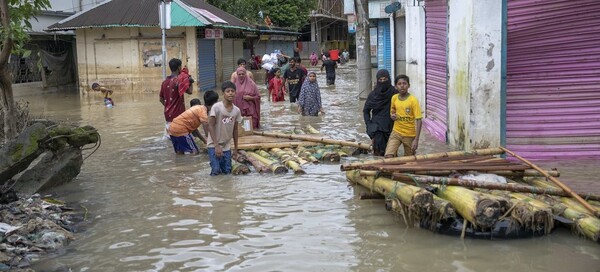
엘니뇨(El Niño) 현상으로 태평양 해수면 온도가 전례 없는 수준까지 치솟으면서 남아시아 각국 정부는 비상 태세에 돌입했다. 10년 전에도 같은 자연 현상으로 인해 이 지역 곳곳에서 극심한 강수 부족과 파괴적인 홍수가 거의 동시에 발생한 바 있다. [사진출처(Photo source) = 유니세프/살라후딘 아흐메드(UNICEF/Salahuddin Ahmed)]
국제수자원관리연구소(IWMI)에서 활동중인 캐롤린 프라이(Carolyn Fry)와 기리라지 아마르나트(Giriraj Amarnath)는 10월 20일 ‘사전 예보와 자금 지원, 남아시아의 엘니뇨 대응에 도움 될 수 있다(Advance forecasts and financing could help South Asia weather El Niño)’라는 기고문을 IWMI 홈페이지에 게재했다. 기고문 내용을 소개한다. [번역 및 정리 = 배철민 편집국장 겸 글로벌물산업정보센터장]

국제수자원관리연구소(IWMI)에서 활동중인 캐롤린 프라이(Carolyn Fry, 왼쪽)와 기리라지 아마르나트(Giriraj Amarnath, 오른쪽)는 10월 20일 ‘사전 예보와 자금 지원, 남아시아의 엘니뇨 대응에 도움 될 수 있다(Advance forecasts and financing could help South Asia weather El Niño)’라는 기고문을 IWMI 홈페이지에 게재했다. [사진출처(Photo source) = 국제수자원관리연구소(IWMI)]
엘니뇨(El Niño) 현상으로 태평양 해수면 온도가 전례 없는 수준까지 치솟으면서 남아시아 각국 정부는 비상 태세에 돌입했다. 10년 전에도 같은 자연 현상으로 인해 이 지역 곳곳에서 극심한 강수 부족과 파괴적인 홍수가 거의 동시에 발생한 바 있다.
이번 엘니뇨(El Niño)는 이전보다 더 큰 혼란을 초래할 가능성이 있다. 현재 태평양 해수면 온도는 3.08℃에 도달했다. 이는 1991∼2020년 평균치를 크게 웃도는 수치이며, 2015년 11월 엘니뇨 당시 기록했던 역대 최고 편차인 3.02℃마저 넘어선 것이다.
남아시아에는 20억 명의 인구가 거주하고 있으며, 전 세계 쌀 생산량의 3분의 1가량을 담당하는 주요 쌀 수출 지역이기도 하다. 따라서 이상 기후로 수확에 차질이 생길 경우 그 영향은 광범위하게 미칠 수 있다.
엘니뇨가 가장 강력해질 것으로 예상되는 2026년 말에서 2027년 초까지 각국 정부가 어떻게 대비하느냐에 따라 지역적, 나아가 전 세계적으로 나타날 영향의 규모가 결정될 것이다.
또 다른 자연 기상 현상인 ‘인도양 쌍극자(Indian Ocean Dipole, IOD)’도 변수로 작용하고 있다. 현재 IOD는 ‘양의 위상(Positive phase)’을 보이고 있는데, 이는 인도양 서부의 해수면 온도를 높이고 동부의 온도는 낮추는 결과를 가져온다.
IOD는 몬순 바람과 강우량을 강화하여 엘니뇨(El Niño)로 인한 가뭄 현상을 일부 상쇄할 수도 있지만, 반대로 습한 환경과 건조한 환경 사이를 급격하게 오가는 불안정한 상황을 초래할 위험도 있다. 한편, 기후 변화는 이미 몬순 강우 패턴을 더욱 불규칙하게 만들고 있으며, 해당 지역 전반에 걸쳐 폭염으로 인한 피해를 가중시키고 있다.
엘니뇨(El Niño)가 IOD 및 기후 변화와 결합하여 언제, 어디서, 어떤 강력한 영향을 미칠지 파악하기까지 남은 시간은 불과 몇 주뿐이다. 이를 위해서는 정책 결정자들에게 정확한 중단기 기상 예보가 필요하다.
또한 폭염, 홍수, 가뭄으로 피해를 볼 수 있는 농민들에 대한 정보, 그들의 생계에 미칠 잠재적 영향, 농작물 생산 감소가 식량 가격에 미칠 파장, 그리고 취약 계층이 어디에 분포해 있는지에 대한 구체적인 데이터가 뒷받침되어야 한다. 또한, 적절하고 효과적인 ‘선제적 대응(Anticipatory action)’을 수립하기 위해서는 이러한 모든 데이터에 대한 면밀한 분석이 필요하다.
앞으로 어떤 일이 벌어질지 불확실한 상황 속에서도 긍정적인 점은, 지난번 강력한 엘니뇨 현상이 발생했던 10년 전과 비교해 기상 예보와 데이터 분석 기술이 비약적으로 발전했다는 것이다.
특히 ‘구글 제미나이 2.5 플래시(Google Gemini 2.5 Flash)’와 같은 인공지능(AI) 기술이 이러한 발전을 가속화했다. 예를 들어, 국제수자원관리연구소(International Water Management Institute, IWMI)가 개발한 ‘ENSO 전망 도구(ENSO Outlook Tool)’는 AI를 활용하여 기후 신호를 경보, 상황 보고서, 작물 관련 권고 사항 등으로 변환한다.
이는 각국 정부 기관과 현장 실무자들이 의사결정을 내릴 때 유용한 지침이 된다. 누구나 무료로 이용할 수 있는 이 도구는 사용하기 쉬운 인터페이스를 통해 계절별 기상 전망과 그것이 각 국가에 미치는 영향을 제시한다.
이 도구는 20개 이상의 기관에서 수집한 데이터를 기반으로 하며, 단순히 데이터셋(Dataset)를 나열하는 것을 넘어 국가, 하위 행정 구역, 유역, 그리고 지역 단위별로 분석 결과를 제공한다. 기상, 재난 관리, 수자원, 관개, 농촌 개발 등 다양한 분야에서 더 많은 데이터가 확보됨에 따라, 더욱 통합적인 분석이 가능해지고 있다.
주어진 시간이 제한적인 만큼, 기관 간의 협력은 필수적이다. 우리의 목표는 사후 대응에만 의존하는 것이 아니라, 과학적 근거를 바탕으로 선제적 대응이 이루어지도록 하는 것이다.
‘ENSO 전망 도구(ENSO Outlook Tool)’에 따르면 지금부터 12월 사이에 남아시아 지역에서 약 7억6천만 명의 사람들이 물 부족이나 과잉(평년보다 많거나 적은 강수량)으로 인한 ‘물 스트레스(Water Stress)’를 겪을 것으로 예상된다. 실제로 이 기간 동안 해당 지역 대부분이 물 스트레스를 경험할 것으로 보인다. 대체로 남동부 지역은 평년보다 적은 강수량이, 북서부 지역은 평년보다 많은 강수량이 예상된다.
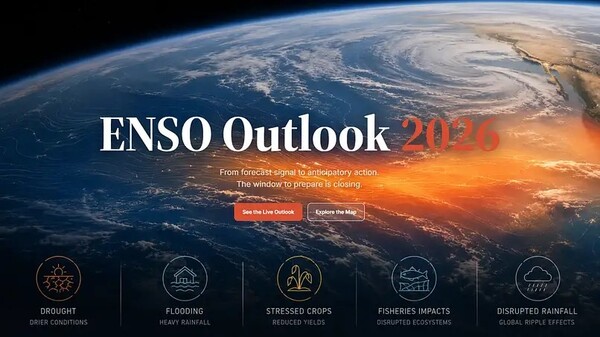
국제수자원관리연구소(IWMI)가 개발한 ENSO 전망은 현재 ENSO 상황과 그것이 물, 농업, 식량 안보에 미치는 영향을 추적하는 허브 역할을 한다. [그림출처(picture source) = 국제수자원관리연구소(IWMI)]
수많은 사람이 영향을 받을 수 있는 상황에서, 기상 관련 정보가 정책 결정권자들의 영역에만 머물지 않고 현장의 농민과 지역사회까지 전달되는 것이 매우 중요하다. 이는 올해 ‘국제 재난 위험 경감의 날(International Day for Disaster Risk Reduction)’의 핵심 주제인 ‘회복력은 가정에서 시작된다(resilience starts at home)’와도 맥을 같이 한다.
하지만 지역사회가 효과적으로 대비할 수 있도록 돕는 일은 단순히 기상 예보를 전달하는 것만으로는 부족하다. 정보는 사회 구성원 모두가 이해하고 신뢰할 수 있는 방식으로 제공되어야 하며, 이를 바탕으로 가족과 자산, 생계를 보호하기 위한 적절한 조치를 취할 수 있어야 한다. 또한, 사람들이 전달받은 경보에 따라 실제로 행동에 나설 수 있도록 필요한 자원도 함께 제공되어야 한다.
인도 재난경감연구소(All-India Disaster Mitigation Institute) 미히르 바트(Mihir Bhatt) 소장은 “정보만으로는 재난 대비 태세를 갖출 수 없다”고 경고한다.
그는 “일용직 노동자는 재난 경보를 이해하고도 계속 일을 해야 할 수 있다. 당장 수입이 끊기면 가족의 생계가 어려워지기 때문”이라면서 “소규모 사업을 운영하는 여성은 폭염으로 인해 재고가 손상될 수 있다는 사실을 알면서도, 조기 대응이나 재정적 지원이 뒷받침되지 않는다면 작업 시간을 조정하거나 보관 시설을 개선할 여력이 없을지도 모른다”라고 강조했다.
그러나 효과적인 사전 대응을 실행하는 데 있어 재정 지원은 여전히 취약한 부분으로 남아 있다. 그 이유는 엘니뇨(El Niño)에 대한 강력한 계절 예보가 나왔더라도, 기존의 조기 대응 체계에 따라 지역사회를 직접 지원할 수 있는 인도주의적 활동 자금(대부분 공공 부문에서 조달됨)을 즉각 집행하기에는 충분하지 않은 경우가 많기 때문이다. 예보를 통해 위험이 커지고 있다는 점은 알 수 있지만, 정확히 어디에서, 언제, 어느 정도의 심각한 피해가 발생할지까지는 특정하기 어렵기 때문이다.
스리랑카 적십자사(Sri Lanka Red Cross Society) 마헤시 구나세카라(Mahesh Gunasekara) 사무총장 겸 CEO는 “스리랑카는 이러한 복잡성을 잘 보여주는 사례”라고 말했다.
그는 “슈퍼 엘니뇨(Super El Niño)는 단 하나의 재난만을 야기하지 않다. 여러 재난에 각기 다른 방식으로 영향을 미친다. 시즌 초기에는 가뭄과 물 부족을 겪을 수 있고, 이후에는 강우 패턴 변화로 홍수나 산사태 위험이 커질 수 있다”고 말했다.
그는 이어 “강수량과 기온이 높아지면 뎅기열(Dengue fever)이나 치쿤구니야열(Chikungunya) 같은 질병이 확산할 수도 있다”라면서 “스리랑카 적십자사에게 슈퍼 엘니뇨 예보는 인도주의적 활동을 즉각 시작하라는 신호라기보다는, 여러 재난 유형을 고려한 대응 계획을 수립하라는 신호에 가깝다”라고 강조했다.
구나세카라(Gunasekara)에 따르면, 조기 재정 지원은 세 가지 조건이 충족될 때 비로소 가능해진다. 첫째, 엘니뇨(El Niño)가 해당 국가에 미치는 인도주의적 영향을 확실하게 예측할 수 있다는 강력한 과학적 근거가 있어야 한다.
둘째, 계절 예보를 강수량 부족이나 질병 발생 임계치와 같이 측정 가능한 재난별 지표로 변환할 수 있는, 사전에 정의되고 검증된 ‘발동 기준(Trigger thresholds)’이 필요하다.
셋째, 발동 체계는 단계적으로 구성되어야 한다. 즉, 계절 예보가 나오면 ‘대비 자금(Readiness Financing)’이 먼저 투입되어 각국 적십자사가 몇 달 전부터 미리 대비할 수 있도록 해야 한다. 이후 예보의 신뢰도가 높아지고 실제 관측 데이터가 확보되면, 사전에 설정된 임계치에 따라 ‘조기 대응 자금(Early-action Funding)’이 집행될 수 있다.
이러한 접근 방식은 현재 남미에서 시험적으로 도입되고 있다. 소액 금융 기관인 ‘방카미아(Bancamia)’는 기후 핀테크 기업인 아트람(Atram)과 협력하여 콜롬비아의 농촌 지역에서 시범 프로젝트를 운영하고 있다.
소규모 사업체들은 왓츠앱(WhatsApp)을 통해 극단적인 기상 상황에 대한 맞춤형 경보를 며칠 앞서 받아볼 수 있으며, 필요시 개인적인 비상 대응 계획을 실행하는 데 사용할 수 있는 즉각적인 신용 한도(조건부 신용 대출)도 함께 제공받는다. 예보된 기상 현상이 실제로 발생하면 자금이 즉시 지원되지만, 그렇지 않은 경우에는 자금이 지급되지 않는다.
민간 금융 영역에서 보험은 엘니뇨로 인해 사람이나 생계 수단이 입을 수 있는 피해 위험을 완화하는 역할을 한다. 하지만, 기상 예보가 재난 발생 지점을 항상 정확하게 예측할 수는 없더라도, 그 정확도는 이미 상당히 높아진 상태이다.
이로 인해 보험 가입자들 사이에서 ‘역선택(안티셀렉션, Anti-selection)’ 현상이 발생할 수 있는데, 이는 보험 가격 결정 체계 전반에 부정적인 영향을 미친다. 남아시아 국가 전체를 아우르는 국가 차원의 ‘위험 공동 풀(Sovereign risk pool)’을 조성한다면, 해당 지역 전역에서 보다 합리적인 보험 가격 체계를 구축하는 방안이 될 수 있다.
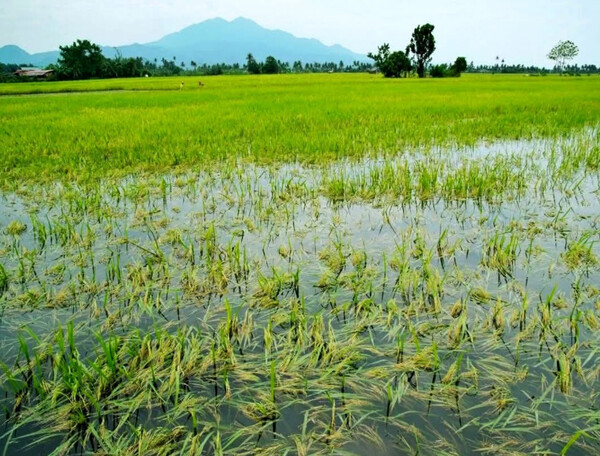
남아시아에는 20억 명의 인구가 거주하고 있으며, 전 세계 쌀 생산량의 3분의 1가량을 담당하는 주요 쌀 수출 지역이기도 하다. 따라서 이상 기후로 수확에 차질이 생길 경우 그 영향은 광범위하게 미칠 수 있다. [사진출처(Photo source) = 라이스지식은행(Rice Knowledge Bank )]
보험 중개 기업 에이온(Aon)의 인도 정부 사업 부문 책임자인 비벡 스리바스타바(Vivek Srivastava)는 “보험 업계가 직면한 과제는 엘니뇨(El Niño)를 예측하기가 더 쉬워졌다는 점이 아니라, 기존 보험 상품들이 ‘예측’이 아닌 ‘확실성’을 전제로 설계되었다는 점”이라고 말했다.
그는 “미래에 성공을 거둘 곳은 보험 접근 방식 전반을 재설계하여, 미리 확보된 몇 달간의 경고 기간이 역선택을 유발하는 대신 새로운 가치를 창출할 수 있도록 만드는 기업들이 될 것”이라고 덧붙였다.
‘ENSO 전망(ENSO Outlook)’과 같은 도구를 통한 정확한 예측과 분석은 과학자와 정책 입안자 사이의 간극을 좁혀주고 있으며, 사회 전반에 걸쳐 탄탄한 재난 계획 수립과 대비를 뒷받침하고 있다. 그러나 무엇보다 필요한 것은 재난 발생 전 금융 지원(Pre-disaster Financing)이 향후 더 큰 피해를 막을 수 있다는 사실을 받아들이는 인식의 전환이다.
이러한 ‘예측 기반 금융(Forecast-based Financing)’을 활용한다면, 남아시아 국가들은 극단적인 기상 현상이 예고될 때마다 즉각적인 조치를 취하여 사람들과 생계 수단, 그리고 자산을 보호할 수 있다.
[원문보기]
Advance forecasts and financing could help South Asia weather El Niño
We explore why better forecasts and making money available now are key to mitigating the worst impacts of extreme weather
With El Niño heating up the Pacific Ocean to unprecedented levels, governments in South Asia are on high alert. Ten years ago, the same natural phenomenon dispatched rainfall shortages and catastrophic flooding almost simultaneously to different parts of the region.
The current event could prove even more disruptive. Pacific sea-surface temperatures have already reached 3.08 degrees Celsius. Above both the 1991-2020 average, and surpassing even the previous most extreme anomaly on record of 3.02 degrees Celsius, set during the November 2015 El Niño.
South Asia jointly hosts two billion people, produces almost a third of the world’s rice and is a major exporter of the crop. Harvests disrupted by unseasonal weather therefore can have far-reaching effects. How governments prepare between now and when El Niño is set to be at its most intense in late 2026 and early 2027 could determine the impacts felt both locally and globally.
Another natural weather phenomenon, the Indian Ocean Dipole (IOD), is also at play. This is currently in a positive phase, which has the effect of warming sea-surface temperatures in the western Indian Ocean and cooling waters to the east. Although it can potentially offset the drought-enhancing effects of El Niño by intensifying monsoon winds and rainfall, it could also prompt a volatile swing between wet and dry conditions. Meanwhile, climate change is already making monsoon rainfall more erratic and increasing heat stress across the region.
Nations only have a matter of weeks left in which to work out when, where and how El Niño’s strongest impacts — in combination with the IOD and climate change — will be felt. This calls for decision makers to have accurate medium- and short-term weather forecasts, alongside information on those farmers who may be affected by heat, floods or droughts, the potential impacts on their livelihoods, how reduced crop production might affect food prices, and where vulnerable populations lie. And it calls for careful analysis of all this data to inform appropriate and effective anticipatory action.
A positive amid the uncertainty of what lies ahead is that weather forecasting and data-analytics – boosted by artificial intelligence (AI) from Google Gemini 2.5 Flash – have advanced rapidly in the decade since the last strong El Niño.
For example, the International Water Management Institute’s (IWMI) ENSO Outlook tool uses AI to translate climatic signals into alerts, briefings and crop-based advisories that national agencies and field officers alike can use to guide decision-making. Freely available, it presents seasonal forecasts and their implications for individual countries through an easy-to-use interface.
The tool builds on data from more than 20 agencies, going beyond presenting datasets to providing analysis at the country, sub-national, river-basin and regional levels. As more data points become available — from meteorology, disaster management, water resources, irrigation and rural development departments — we can deliver increasingly integrated analyses. Given the limited time available, collaboration is essential. Our aim is to use scientific evidence to enable anticipatory action rather than relying solely on reactive measures.
The ENSO Outlook tool indicates that between now and December, water stress — including both above and below normal rainfall levels — will likely affect some 760 million people across South Asia. In fact, most of the territory is forecast to experience water stress during this period. In general, below normal rainfall is forecast for southeastern areas, with above normal rainfall anticipated in northwestern parts.
With so many people potentially affected, it is critical that meteorological intelligence moves beyond policymaking circles to reach farmers and communities on the ground. Indeed, this is the underlying theme of this year’s International Day for Disaster Risk Reduction, “resilience starts at home.”
Enabling communities to prepare effectively requires more than simply issuing forecasts, however. The information must be provided in ways that all members of society can understand, trust and use to take appropriate action to safeguard their families, assets and livelihoods. And resources must be provided to ensure they are able to act on warnings they receive.
‘Information alone cannot create preparedness,’ warns Mihir Bhatt, Director of the All-India Disaster Mitigation Institute. ‘A daily wage worker may understand the warning and still continue working because the family cannot afford to lose income.
A woman running a small business may know that heat can damage her stock, but she may not have the money to change working hours or to improve her storage facility without early action and early financial support. Early finance is a very important part of early warning.
When it comes to taking effective anticipatory action, however, financing remains a weak spot. This is because a strong seasonal El Niño forecast is generally not sufficient to release funding for humanitarian activities (which mostly comes from the public sector) that could directly support communities under existing early action protocols. While the forecasts indicate that the risk is increasing, they do not pinpoint exactly where, when or how severe the impacts will be.
‘Sri Lanka is a good example of this complexity,’ says Mahesh Gunasekara, Secretary General/CEO of Sri Lanka Red Cross Society. ‘A super El Niño does not create a single hazard for us. It influences multiple hazards in different ways.
We may experience drought and water shortages early in a season, while later rainfall patterns may increase the risk of floods and landslides, and the higher rainfall and temperature can also affect diseases such as dengue fever and chikungunya. For Sri Lanka Red Cross Society, the super El Niño forecast is a multi-hazard planning signal rather than a direct trigger for humanitarian action.’
According to Gunasekara, the early release of finance will only become possible once three criteria are filled. First, there must be strong scientific evidence showing El Niño reliably predicts humanitarian impacts in the country. Second, pre-defined validated trigger thresholds are required that translate the seasonal forecast into measurable hazard-specific indicators, such as rainfall deficits or diseases-outbreak thresholds.
And third, the trigger system must be layered, so the seasonal forecast should trigger ‘readiness financing’, allowing national societies to prepare several months in advance. With higher-confidence forecasts and as the observed data becomes available, those predefined thresholds can be triggered to release ‘early-action funding’.
This approach is currently being trialed in South America, where microfinance bank Bancamía is running a pilot project in a rural part of Colombia with climate fintech company Atram.
Small businesses can obtain personalized extreme weather alerts via WhatsApp a few days in advance, along with an immediate contingent line of credit they could use, if required, to activate a personal emergency plan. If the forecast impacts occur, money becomes immediately available; if not, no funds are released.
Within private finance, insurance also has a part to play in mitigating the risk of damage to people or livelihoods from El Niño. However, while forecasts might not always be capable of pinpointing exactly where a hazard may strike, they have become sufficiently accurate to restrict the number of people taking out weather insurance – known as ‘anti-selection’ – which has an adverse effect on the overall pricing mechanism. Creating a sovereign risk pool covering all countries of South Asia could be one way to make the pricing more viable across the region.
‘The insurance industry’s challenge is not that El Niño is becoming more predictable, it is that our products were built for certainty, not foresight,’ says Vivek Srivastava, National Head of Government Business in India for risk insurance broker Aon. ‘The winners [in the future] will be those who redesign the entire insurance [approach] so that the additional months of warning creates value rather than adverse selection.’
Accurate forecasts and analysis through tools such as ENSO Outlook are closing the divide between scientists and policymakers and underpinning robust disaster planning and preparation at all levels of society.
However, what is really needed is a shift towards acceptance that pre-disaster financing can prevent greater losses further down the line. With such forecast-based financing, South Asian nations could take immediate action to protect people, livelihoods and assets – whenever extreme weather appears on the horizon.
[출처 = 국제수자원관리연구소(International Water Management Institute, IWMI) (https://www.iwmi.org/blogs/how-advance-forecasts-and-financing-could-help-south-asia-weather-el-nino/) / 2026년 10월 20일]
|  즐겨찾기 추가
 시작페이지로 설정
























