[영국] “영국 영유아 부모 3명 중 1명은 물티슈 변기에 버린다”
4세 미만 자녀 둔 부모 31%가 물티슈 변기에 버려…이 중 10%는 매일 버려
물티슈 변기에 버리는 사람 중 37% “그래도 괜찮다”고 잘못 생각…부모들 대상 교육 더 필요한 실정
템즈워터(Thames Water), 하수도 막힘 방지 및 환경보호 위해 모든 물티슈 쓰레기통에 버리도록 장려하는 ‘언블록토버(Unblocktober)’ 캠페인 지원
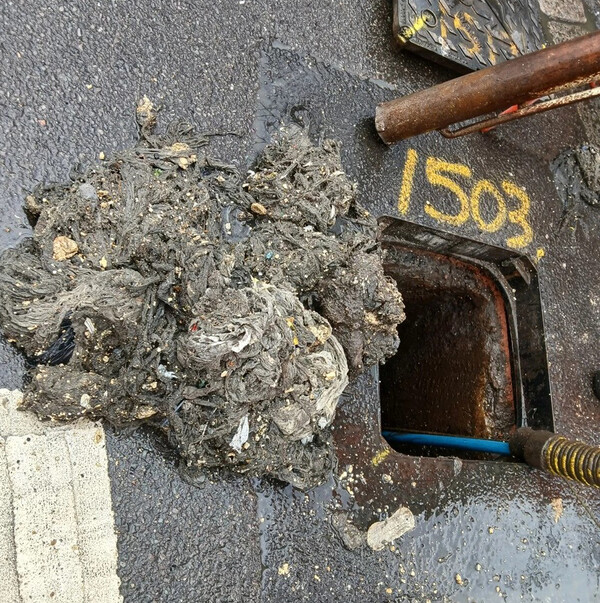
영국 최대 상하수도 공급 및 관리업체인 템즈워터(Thames Water)의 새로운 조사에 따르면, 4세 미만 자녀를 둔 영국 부모 3명 중 1명꼴(31%)이 물티슈(Wet Wipes)를 변기에 버리는 것으로 밝혀졌다. 물티슈는 하수관 내에서 기름이나 유지류가 달라붙어 거대한 덩어리(팻버그, fatberg)를 형성하는 뼈대 역할을 할 수 있다. 이렇게 만들어진 돌처럼 단단한 덩어리는 하수관을 막아 침수 위험을 높이고 하천 오염을 유발한다. [사진출처(Photo source) = 템즈워터(Thames Water)]
영국 최대 상하수도 공급 및 관리업체인 템즈워터(Thames Water)의 새로운 조사에 따르면, 4세 미만 자녀를 둔 영국 부모 3명 중 1명꼴(31%)이 물티슈(Wet Wipes)를 변기에 버리는 것으로 밝혀졌다.
템즈워터는 하수도 막힘을 방지하고 환경을 보호하기 위해 모든 물티슈를 쓰레기통에 버리도록 장려하는 ‘언블록토버(Unblocktober)’ 캠페인을 지원하고 있다.
이번 조사에 따르면, 놀랍게도 영유아 부모의 10%는 매일 물티슈를 변기에 버리고 있으며, 4분의 1 이상(26%)은 최소 한 달에 한 번씩 변기에 버리는 것으로 나타났다. 젊은 부모일수록 물티슈를 변기에 버리는 경향이 더 높았는데, 18∼34세 부모의 38%가 그렇다고 답한 반면, 35∼54세 부모는 26%가 그렇다고 답했다.
물티슈는 하수관 내에서 기름이나 유지류가 달라붙어 거대한 덩어리(팻버그, fatberg)를 형성하는 뼈대 역할을 할 수 있다. 이렇게 만들어진 돌처럼 단단한 덩어리는 하수관을 막아 침수 위험을 높이고 하천 오염을 유발한다.
물티슈는 하수관을 막을 뿐만 아니라, 하수처리 시설에서 펌프를 감싸거나 처리 장비를 고장내기도 하며, 이를 제거하는 데 막대한 비용이 든다. 변기에 버려진 물티슈는 처리된 하수가 안전하게 자연으로 방류되기 전에 반드시 걸러내어 별도로 처리해야 한다.
템즈워터는 영유아 부모들에게 환경을 보호하고 하수도 침수 및 막힘 위험을 줄이기 위해 일상 습관을 조금만 바꿔달라고 당부하고 있다. 물티슈를 변기에 버리는 주된 이유 중 하나는 정보 부족이다. 실제로 물티슈를 변기에 버리는 사람 중 3분의 1 이상(37%)은 “그렇게 해도 안전하다”고 잘못 알고 있다.
편의성 또한 주요 원인 중 하나로, 28%는 “물티슈를 변기에 버리는 것이 간편해서 그렇게 한다”고 답했으며, 약 4분의 1(26%)은 “위생상의 이유나 냄새를 피하기 위해 변기에 버린다”고 밝혔다.
4세 미만 자녀를 둔 부모 중 3분의 2(66%)는 “ ‘변기에 버릴 수 있다(flushable)’고 표시된 물티슈는 변기에 버려도 괜찮다”고 생각하며, 36%는 “ ‘생분해성(biodegradable)’이라고 표시된 제품은 변기에 버려도 안전하다”고 믿고 있다.
안타깝게도, 포장에 이러한 문구가 광고되어 있더라도 해당 물티슈들은 여전히 거대한 기름 덩어리(팻버그, Fatberg)를 형성하고 하수처리 시설에 손상을 줄 수 있다. 이러한 부모 중 6명 중 1명(17%)은 “아기용 물티슈를 변기에 버리는 것이 화장지처럼 안전하다”고 생각하는데, 이는 사실이 아니다.
행동 변화와 더불어 간단한 해결책도 있다. 공공 화장실에 쓰레기통을 더 많이 설치하면 물티슈로 인한 오염을 크게 줄일 수 있다. 4세 미만 자녀를 둔 부모 중 3분의 1 이상(36%)은 쓰레기통이 없으면 물티슈를 변기에 버릴 가능성이 더 높은 것으로 나타났다.
템즈워터(Thames Water)의 테사 페이어스(Tessa Fayers) 폐기물 및 바이오 자원 부문 책임자는 “많은 부모들이 물티슈를 변기에 버리고 있다는 점은 매우 우려스럽다”라면서 “나 또한 부모로서 어린 자녀를 키울 때 편리함이 중요하다는 것을 잘 안다”라고 말했다.
테사 페이어스(Tessa Fayers) 책임자는 특히 “제품 포장 문구가 혼란스러울 수 있다는 점도 이해한다. ‘변기에 버릴 수 있다’거나 ‘생분해성’이라고 광고되는 물티슈라도 하수도에서 충분히 빨리 분해되지 않기 때문에 배수관 막힘의 원인이 될 수 있다”라면서 “물티슈를 변기에 버리는 대신 쓰레기통에 버리는 작은 변화만으로도, 가정에서는 하수도 막힘을 예방하고 지역 내 침수나 오염 사고 위험을 줄이는 데 기여할 수 있다”라고 강조했다.
이번 조사 결과는 템즈워터가 ‘언블록토버(Unblocktober)’ 캠페인을 지원하는 가운데 발표되었다. ‘언블록토버’는 물티슈를 비롯해 변기에 버려서는 안 될 물건들을 변기에 버리지 않도록 장려하는 한 달간의 전국적인 캠페인이다.
‘언블록토버’는 일상 습관을 조금만 바꿔도 환경에 큰 긍정적인 영향을 미치고 하수도 막힘을 예방할 수 있다는 점을 알리고 있다.
템즈워터의 ‘차단하지 말고 버료주세요(Bin It Don’t Block It)’ 캠페인은 고객들에게 변기에는 오직 세 가지, 즉 소변(Pee), 대변(Poo), 그리고 화장지(Paper)만 버려야 한다는 점을 상기시키고 있다.
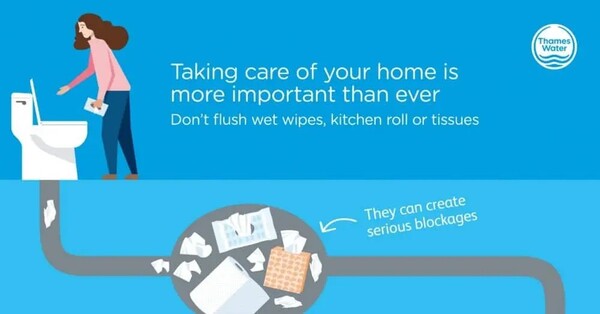
템즈워터(Thames Water)는 하수도 막힘을 방지하고 환경을 보호하기 위해 모든 물티슈를 쓰레기통에 버리도록 장려하는 ‘언블록토버(Unblocktober)’ 캠페인을 지원하고 있다. [그림출처(picture source) = 템즈워터(Thames Water)]
막힘을 예방하기 위한 협력
배수구와 하수도가 막히면 도로가 침수되고, 하수가 집 안으로 역류하며, 수리비용이 많이 들 수 있다. 많은 막힘은 일상용품을 변기에 버리거나 싱크대에 부을 때 발생하는데, 그중에서도 물티슈가 가장 흔한 원인 중 하나다.
물티슈는 변기에 버리지 말고 쓰레기통에 버려야 한다. 젖은 물티슈 하나를 변기에 버리는 것이 무해해 보일 수 있지만, 물티슈가 배관에 쌓여 막힘을 일으킬 수 있다. 여기에는 플러셔블, 생분해성, 플라스틱 프리라고 표시된 물티슈도 모두 포함된다. 다음에는 물티슈를 쓰레기통에 버리고, 우리 동네를 지키는 데 동참해 주세요.
배수구를 깨끗하게 유지하고 하수가 원활히 흐르도록 하기 위해 무엇을 변기에 버리거나 흘려보내면 안 되는지 알아보세요.
[원문보기]
Time for a change - one in three infant and toddler parents flush wet wipes
31 per cent of parents of under fours flush wipes down the toilet, with 10 per cent doing so every day
More parental education is needed as 37 per cent of wipe flushers believe they are safe to flush
Thames Water is supporting Unblocktober, encouraging people to bin all wipes to prevent sewer blockages and protect the environment
New research from Thames Water reveals almost one in three (31 per cent) parents, with children under the age of four, flush wipes down the toilet.
Shockingly, 10 per cent of parents of infants and toddlers, flush wipes down the toilet every single day, while more than a quarter (26 per cent) do so at least once a month.
Younger parents are the most likely to flush wipes, with 38 per cent of parents aged 18-34 admitting to doing so, compared with 26 per cent of parents aged 35-54.
Wipes can become the scaffolding for fatbergs with fat, oils and grease building up around them to form rock-hard blockages in pipes, which increases the risk of flooding and contributes to river pollution.
Wipes don’t just block sewers, at sewage treatment works they wrap around pumps and jam treatment equipment, costing millions to remove. Every wipe flushed must be screened out and dealt with before treated wastewater can be safely returned to the environment.
Thames Water is asking parents of infants and toddlers to make a small change to their routine to help the environment and reduce the risk of sewer flooding and blockages. A lack of knowledge is a key reason for wipes being flushed, as more than a third (37 per cent) of those who dispose of wipes this way mistakenly think it is safe to do so.
Convenience is also a key factor, with 28 per cent saying they flush wipes because it is easy to do, while around a quarter (26 per cent) cite hygiene reasons or avoiding odours.
Two thirds (66 per cent) of parents under fours believe if a wipe says it is flushable it is fine to dispose of down the toilet and 36 per cent believe if it says it is biodegradable it is safe to flush.
Unfortunately, despite advertising on the packaging using these phrases these wipes can still cause fatbergs and damage sewage treatment works. One in six (17 per cent) of these parents believe baby wipes are just as safe to flush as toilet paper, which just isn’t the case.
Along with behavioural change there are simple solutions. Installing more bins in public toilets could significantly reduce wet wipe pollution. More than a third (36 per cent) of parents with children under four are more likely to flush them if there isn’t a bin available.
Tessa Fayers, Director of Waste and Bioresources at Thames Water, said:
"It's a real worry that so many parents are flushing wipes down the toilet."
"As a parent myself, I understand that convenience matters when you have young children. I also know that the packaging can be confusing. Wipes marketed as 'flushable' or 'biodegradable' can contribute to blockages because they do not break down quickly enough in the sewer. Making one simple change and binning all wipes instead of flushing them, families can help prevent sewer blockages and reduce the risk of flooding or pollution incidents in their neighbourhood.”
The findings come as Thames Water supports Unblocktober, a national month-long campaign encouraging people to stop flushing wipes and other non-flushable items down the toilet.
Unblocktober encourages people to make small changes to everyday habits that can have a significant positive impact on the environment and help prevent sewer blockages.
The company’s Bin It Don’t Block It campaign reminds customers that only the three Ps should be flushed down the toilet: pee, poo and (toilet) paper.
Working together to prevent blockages
Blocked drains and sewers can lead to flooded streets, sewage backing up into homes and costly repairs. Many blockages are caused by everyday items being flushed down toilets or poured down sinks when they shouldn't be, with wet wipes being one of the most common causes.
Wet wipes belong in the bin, not down the toilet. It might seem harmless to flush one wet wipe, but wipes can build up in pipes and cause blockages. That includes all wet wipes, even those labelled flushable, biodegradable or plastic-free. Next time, put your wet wipe in the bin and help protect your neighbourhood.
Learn what can and can't be flushed or poured away to help keep drains clear and wastewater flowing.
[출처 = 템즈워터(Thames Water)(https://www.thameswater.co.uk/news/2026/oct/time-for-a-change-one-in-three-infant-and-toddler-parents-flush-wet-wipes) / 2026년 10월 21일]
|  즐겨찾기 추가
 시작페이지로 설정
























