[EU] 글로벌 스마트 물관리 시장, 2032년 411억 9천만 달러(55조 9천772억원) 전망
글로벌 시장조사기관 리서치앤마켓츠(ResearchAndMarkets) ‘2032년까지 글로벌 스마트 물관리 시장’ 보고서 최근 발표
2026년 213억 2천만 달러(28조 9천7389억원)에서 연평균 성장률(CAGR) 11.5% 기록 예측
자일럼·지멘스·슈나이더 일렉트릭·수에즈·ABB 등 글로벌 물기업 분석
아시아·태평양(APAC) 지역, 도시화 · 물부족 · 스마트 시티 프로그램 추진 · 지속가능한 물 인프라 확충 힘입어 가장 높은 연평균 성장률 기록 예측
유럽 아일랜드 더블린(Dublin)에 소재한 글로벌 시장조사기관인 리서치앤마켓츠(ResearchAndMarkets)가 최근 발표한 ‘하드웨어 및 최종 사용자별 스마트 물관리 시장 - 2032년까지의 글로벌 전망(Smart Water Management Market by Hardware, End User - Global Forecast to 2032)’이라는 보고서에서 글로벌 스마트 물관리 시장(Global Smart Water Management Market)은 2026년 213억 2천만 달러(28조 9천7389억 원)에서 2032년 411억 9천만 달러(55조 9천772억 원)로 연평균 성장률(CAGR) 11.5%를 기록하며 성장할 것으로 전망된다. 이 보고서 내용을 요약했다. [번역 및 정리 = 배철민 편집국장 겸 글로벌물산업정보센터장]
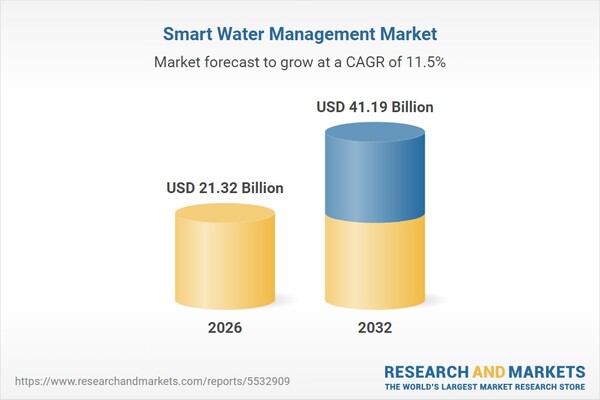
글로벌 시장조사기관인 리서치앤마켓츠(ResearchAndMarkets)가 최근 발표한 ‘하드웨어 및 최종 사용자별 스마트 물관리 시장 - 2032년까지의 글로벌 전망’이라는 보고서에서 글로벌 스마트 물관리 시장은 2026년 213억 2천만 달러(28조 9천7389억 원)에서 2032년 411억 9천만 달러(55조 9천772억 원)로 연평균 성장률(CAGR) 11.5%를 기록하며 성장할 것으로 전망된다. [그림출처(picture source) = 리서치앤마켓츠(ResearchAndMarkets)]
글로벌 스마트 물관리 시장의 성장은 IoT(사물인터넷) 센서, 스마트 수도계량기, AI 분석, 클라우드 플랫폼, 누수 감지 기술 및 디지털 물 인프라에 대한 정부 투자가 견인하고 있다.
계량기 데이터 관리 소프트웨어가 시장을 주도할 것으로 예상되는 가운데, 지원 및 유지보수 서비스 부문이 가장 빠르게 성장할 전망이다. 아시아·태평양(APAC) 지역은 도시화, 물 부족 현상, 스마트 시티 프로그램 추진 및 지속 가능한 물 인프라 확충에 힘입어 가장 높은 연평균 성장률을 기록할 것으로 예측된다.
글로벌 스마트 물관리 시장은 2026년 213억 2천만 달러(28조 9천7389억 원)에서 2032년 411억 9천만 달러(55조 9천772억 원)로 연평균 성장률(CAGR) 11.5%에 이를 것으로 예상된다. 예측 기간 동안 연평균 성장률(CAGR)은 10.4%이다.
수도 사업자들(Water Utilities)이 물 공급 최적화, 무수량(Non-Revenue Water, NRW) 감축, 운영 효율성 향상을 추구함에 따라 IoT(사물인터넷) 기반 센서, 스마트 수도계량기, 클라우드 기반 분석 및 AI 기반 모니터링 시스템의 도입이 가속화되고 있다.
정부기관과 수도사업자들은 노후된 수도관망(Pipeline Networks), 물 부족, 그리고 강화된 환경 규제에 대응하기 위해 디지털 물 인프라(Digital Water Infrastructure)에 대한 투자를 확대하고 있다.
실시간 모니터링, 예지 보전(Predictive Maintenance), 데이터 기반 자산관리는 신속한 누수 감지, 안정적인 서비스 제공 및 운영비용 절감을 가능하게 한다. 지속 가능한 물관리에 대한 수요는 지자체, 산업 및 상업 분야 전반에 걸친 관련 기술 도입을 지속적으로 뒷받침할 것으로 예상된다.
계량기 데이터 관리 소프트웨어가 시장 주도 예상
소프트웨어 유형별로는 계량기 데이터 관리 소프트웨어 부문이 예측 기간 동안 스마트 물관리 시장에서 가장 큰 점유율을 차지할 것으로 전망된다. 이러한 성장은 광범위한 스마트 계량 인프라(Advanced Metering Infrastructure, AMI) 구축, 수도 사업의 디지털화, 그리고 정확한 요금 청구·누수 탐지·소비 분석에 대한 수요 증가에 힘입어 이루어지고 있다.
계량 데이터 관리 플랫폼(Meter Data Management Platforms)은 물 공급망 전반에서 발생하는 방대한 양의 스마트 수도계량기 데이터를 수집, 검증, 저장, 처리 및 분석한다. 이 플랫폼은 물 사용량에 대한 실시간 가시성을 제공하고, 수요 예측을 지원하며, 무수량(NRW)을 줄이고, 규제 관련 보고 업무를 간소화한다.
요금 청구, 고객 정보 및 자산 관리 시스템과의 통합은 운영 효율성을 높이고 고객 서비스를 개선한다. 스마트 수도 인프라와 데이터 기반의 수도사업 관리에 대한 지속적인 투자가 이 분야의 시장 주도권을 유지하는 데 기여할 것으로 전망된다.
가장 빠른 성장이 예상되는 지원 및 유지보수 서비스
지원 및 유지보수 부문은 예측 기간 동안 가장 높은 성장률을 기록할 것으로 전망된다. 디지털 수도 시스템의 도입이 확대됨에 따라 스마트 계량기, 센서, 통신망, 소프트웨어 플랫폼 등을 아우르는 시스템 모니터링, 예방적 유지보수, 소프트웨어 업데이트, 사이버 보안 및 기술 지원에 대한 수요가 증가하고 있다.
노후화된 인프라, IoT 도입 확대, 그리고 더욱 엄격해진 규제 요건으로 인해 수도 사업자들은 가동 중단 시간을 최소화하고 효율성을 높이기 위해 전문 서비스 제공업체와 협력하고 있다.
지원 및 유지보수 서비스는 데이터 정확성, 규제 준수, 자산 수명 및 운영 연속성을 강화하는 동시에 클라우드 기반 플랫폼과 AI(인공지능) 기반 분석을 가능하게 한다. 회복력 있고 비용 효율적인 운영과 내부 유지보수 부담 완화에 대한 수도 사업자들의 관심이 장기적인 서비스 수요를 견인할 것으로 예상된다.
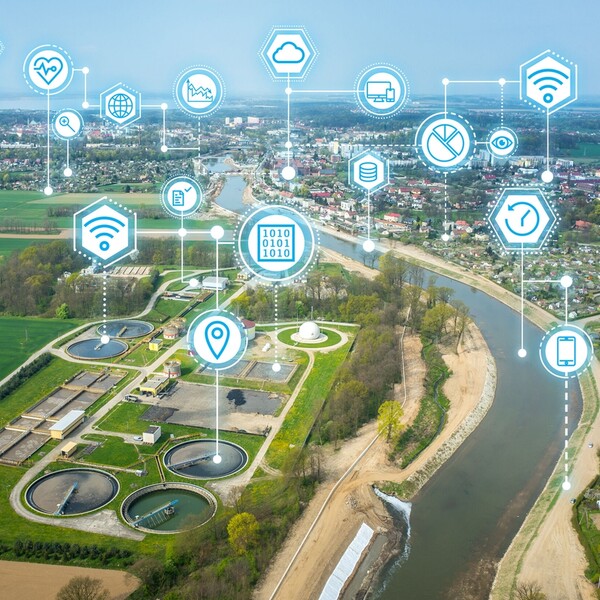
글로벌 스마트 물관리 시장의 성장은 IoT(사물인터넷) 센서, 스마트 수도계량기, AI 분석, 클라우드 플랫폼, 누수 감지 기술 및 디지털 물 인프라에 대한 정부 투자가 견인하고 있다. [사진출처(Photo source) = 엔드레스+하우저( Endress+Hauser)]
아시아·태평양 지역, 가장 높은 연평균 성장률(CAGR) 기록할 전망
아시아·태평양(APAC) 지역은 스마트 물관리 시장에서 가장 빠르게 성장하는 지역이 될 것으로 전망된다. 급격한 도시화, 인구 증가, 그리고 심화되는 물 부족 현상은 디지털 수도망, 첨단 계량 시스템 및 지능형 모니터링 기술에 대한 강력한 수요를 창출하고 있다.
중국, 인도, 일본, 호주 및 동남아시아 전역의 정부와 수도 사업자들은 물 손실을 줄이고 배수 효율을 높이며 물 안보를 강화하기 위해 스마트 수도 인프라에 투자하고 있다.
IoT 지원 센서, 스마트 수도계량기, AI 기반 분석 및 클라우드 플랫폼의 도입은 수질 모니터링, 누수 탐지 및 수도관망 최적화를 지원한다. 디지털 인프라, 지속 가능한 물관리 및 스마트 시티 개발을 촉진하는 정부 차원의 이니셔티브 또한 이 지역의 도입 속도를 가속화하고 있다.
시장 동인, 기회, 제약 및 도전 과제
·주요 성장 요인 : IoT, 스마트 계량 인프라(AMI), 엣지 컴퓨팅(Edge Computing), 클라우드 플랫폼 및 실시간 감지 기술의 빠른 도입으로 무수량(유수율 미달분) 감축 및 수질기준 준수를 겨냥한 정부 규제, 심화되는 물 부족과 기후 회복력 강화 노력, 그리고 이에 대한 관심이 증대.
·성장 기회 : AI 기반 예측 분석, 디지털 트윈, 스마트 시티 및 디지털 유틸리티 프로그램의 확장.
·시장 제약 요인 : 긴 조달 주기, 예산 제약, 분산된 통신 표준 및 상호 운용성 문제.
·산업 분야 과제 : 기존(레거시) 상수도 인프라와의 통합 및 방대한 양의 센서 및 계량기 데이터 관리.
경쟁 구도
글로벌 스마트 물관리 시장의 참여 기업으로는 △미국의 자일럼(Xylem), 아이트론(Itron), 하니웰(Honeywell), IBM, 넵튠 테크놀로지 그룹(Neptune Technology Group), 하이드로포인트(HydroPoint), 배저 미터(Badger Meter), 스마트 에너지 워터(Smart Energy Water), 오라클(Oracle), 프랙타(Fracta), 아이에카(Ayyeka), 케토스(Ketos) 등이 있다,
또 △독일 지멘스(Siemens), △프랑스 슈나이더 일렉트릭(Schneider Electric)와 수에즈(SUEZ), △스위스의 ABB, 랜디스+기어(Landis+Gyr), GWF, 엔드레스+하우저( Endress+Hauser) △덴마크 캄스트럽(Kamstrup), △이스라엘의 타카두(Takadu), 리슈토트(Lishtot) △인도 제니우스(Xenius), 발트르(Waltr), △영국 아쿠아마티엑스(AquamatiX), △캐나다 프레드센스(FREDsense) 등이 글로벌 시장에서 경쟁을 하고 있다.
경쟁 평가는 시장 점유율, 성장 전략, 기업 프로필, 제품 및 서비스 포트폴리오, 사업 제안, 최근 동향 및 전략적 이니셔티브를 검토한다. 또한 기존 공급업체와 신생 기술 기업들이 지능형 계량, 수질 모니터링, 예측 분석, 인프라 복원력 강화, 공공 서비스 디지털화에 대한 수요를 어떻게 해결하고 있는지도 평가한다.
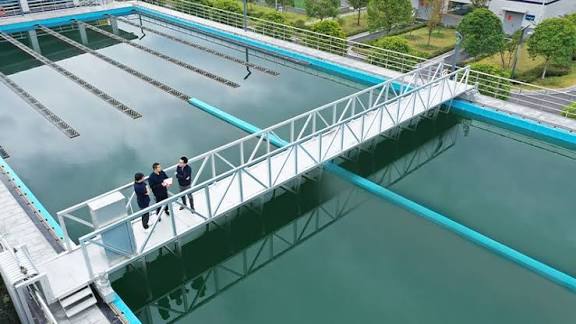
정부 기관과 수도 사업자들은 노후된 수도관망, 물 부족, 그리고 강화된 환경 규제에 대응하기 위해 디지털 물 인프라에 대한 투자를 확대하고 있다. [사진출처(Photo source) = 슈나이더 일렉트릭(Schneider Electric)]
연구 범위
글로벌 시장조사기관인 리서치앤마켓츠(ResearchAndMarkets.com)가 최근 발표한 ‘하드웨어 및 최종 사용자별 스마트 물관리 시장 - 2032년까지의 글로벌 전망(Smart Water Management Market by Hardware, End User - Global Forecast to 2032)’이라는 보고서는 최종 사용자와 지역별로 스마트 물관리 시장 규모와 성장 가능성을 평가했다.
이 보고서에는 차세대 기술, 연구개발 활동, 제품 및 서비스 출시, 지역 시장 기회, 미개척 지역, 최근 투자 및 시장 다각화 전략이 포함된다. 또한 글로벌 도입에 영향을 미치는 시장 동인, 제약, 도전 과제 및 기회에 대한 분석도 제공한다.
1차 연구는 솔루션 공급업체, 1차 기업 및 기타 업계 전문가들의 인사이트를 포함하며, 응답자 구성은 △회사 유형별로 1단계 30%, 2단계 45%, 3단계 25% △직급별로 구분하면, C급 임원 35%, 이사급 임원 30%, 관리자 35% △지역별로는 북미 40%, 유럽 20%, 아시아·태평양 30%, 중동 및 아프리카 5%, 남아메리카 5%이다.
이 보고서는 글로벌 스마트 물 관리 시장과 그 하위 세그먼트에 대한 시장 선도 기업과 신규 진입 기업의 매출 추정치를 제공한다. 이해관계자들은 이 결과를 활용해 경쟁 환경을 평가하고, 시장 내 입지를 강화하며, 시장 진입 전략을 수립할 수 있다.
또한 이 연구는 지방, 산업, 상업용 수자원 관리 분야에서 고성장 기술, 지역별 기회, 변화하는 규제 요건, 새롭게 떠오르는 고객 우선순위를 파악함으로써 투자와 제품 기획을 지원한다.
[원문보기]
Smart Water Management Market - Global Forecast 2026-2032
The global smart water management market is projected to grow from USD 28.84 billion in 2026 to USD 52.15 billion by 2032, at a 10.4% CAGR. Growth is driven by IoT sensors, smart water meters, AI analytics, cloud platforms, leak detection, and government investment in digital water infrastructure.
Meter data management software is expected to lead the market, while support and maintenance services will grow fastest. Asia Pacific is forecast to record the highest CAGR amid urbanization, water scarcity, smart city programs, and expanding sustainable water infrastructure.
Meter data management software is expected to lead the market, while support and maintenance services will grow fastest. Asia Pacific is forecast to record the highest CAGR amid urbanization, water scarcity, smart city programs, and expanding sustainable water infrastructure.
"Smart Water Management Market by Hardware, End User - Global Forecast to 2032" has been added to ResearchAndMarkets.com's offering.
The global smart water management market is estimated at USD 28.84 billion in 2026 and is projected to reach USD 52.15 billion by 2032, registering a compound annual growth rate of 10.4% during the forecast period.
Adoption of IoT-enabled sensors, smart water meters, cloud-based analytics and AI-powered monitoring systems is accelerating as utilities seek to optimize water distribution, reduce non-revenue water and improve operational efficiency.
Government agencies and water utilities are increasing investments in digital water infrastructure to address aging pipeline networks, water scarcity and stricter environmental regulations.
Real-time monitoring, predictive maintenance and data-driven asset management enable faster leak detection, more reliable service and lower operating costs. Demand for sustainable water resource management is expected to support continued deployment across municipal, industrial and commercial applications.
Meter Data Management Software Expected to Lead the Market
By software, the meter data management software segment is expected to account for the largest smart water management market share during the forecast period. Growth is supported by widespread advanced metering infrastructure deployment, water utility digitalization and rising demand for accurate billing, leak detection and consumption analytics.
Meter data management platforms collect, validate, store, process and analyze high volumes of smart water meter data across distribution networks. They provide real-time visibility into water consumption, support demand forecasting, reduce non-revenue water and simplify regulatory reporting.
Integration with billing, customer information and asset management systems also streamlines operations and enhances customer service. Continued investment in smart water infrastructure and data-driven utility management is expected to sustain the segment's leadership.
Support and Maintenance Services to Record the Fastest Growth
The support and maintenance segment is projected to register the fastest growth rate during the forecast period. Expanding digital water deployments are increasing demand for system monitoring, preventive maintenance, software updates, cybersecurity and technical support covering smart meters, sensors, communication networks and software platforms.
Aging infrastructure, increasing IoT adoption and stricter regulatory requirements are encouraging utilities to work with specialized service providers to minimize downtime and improve efficiency.
Support and maintenance services strengthen data accuracy, regulatory compliance, asset life and operational continuity while enabling cloud-based platforms and AI-driven analytics. Utilities' focus on resilient, cost-effective operations and reduced in-house maintenance requirements is expected to drive long-term service demand.
Asia Pacific Forecast to Register the Highest CAGR
Asia Pacific is projected to be the fastest-growing regional smart water management market. Rapid urbanization, population growth and intensifying water scarcity are creating strong demand for digital water networks, advanced metering systems and intelligent monitoring technologies.
Governments and utilities across China, India, Japan, Australia and Southeast Asia are investing in smart water infrastructure to reduce water losses, improve distribution efficiency and strengthen water security.
Deployment of IoT-enabled sensors, smart water meters, AI-based analytics and cloud platforms is supporting water quality monitoring, leak detection and network optimization. Government initiatives promoting digital infrastructure, sustainable water resource management and smart city development are further accelerating regional adoption.
Market Drivers, Opportunities, Restraints and Challenges
Key drivers: Rapid adoption of IoT, advanced metering infrastructure, edge computing, cloud platforms and real-time sensing technologies; government regulations targeting non-revenue water reduction and water quality compliance; increasing water scarcity and climate resilience initiatives; and greater focus on leak detection and predictive maintenance.
Growth opportunities: AI-powered predictive analytics, digital twins and expansion of smart city and digital utility programs.
Market restraints: Long procurement cycles, budget constraints, fragmented communication standards and interoperability issues.
Industry challenges: Integration with legacy water infrastructure and management of massive volumes of sensor and meter data.
Competitive Landscape
Major smart water management market players include Xylem (US), Siemens (Germany), Schneider Electric (France), SUEZ (France), ABB (Switzerland), Itron (US), Honeywell (US), IBM (US), Neptune Technology Group (US), Kamstrup (Denmark), Landis+Gyr (Switzerland), Oracle (US), Badger Meter (US), Smart Energy Water (US), HydroPoint (US), GWF (Switzerland), Xenius (India), Takadu (Israel), AquamatiX (UK), Lishtot (Israel), FREDsense (Canada), Fracta (US), Ayyeka (US), Ketos (US) and Waltr (India).
The competitive assessment examines market shares, growth strategies, company profiles, product and service portfolios, business offerings, recent developments and strategic initiatives.
It also evaluates how established vendors and emerging technology companies are addressing demand for intelligent metering, water quality monitoring, predictive analytics, infrastructure resilience and utility digitalization.
Research Coverage
The study assesses smart water management market size and growth potential by offering, end user and region. Coverage includes upcoming technologies, research and development activity, product and service launches, regional market opportunities, untapped geographies, recent investments and market diversification strategies. It also provides analysis of market drivers, restraints, challenges and opportunities affecting global adoption.
Primary research includes insights from solution vendors, Tier 1 companies and other industry experts. The respondent breakdown is as follows:
By company type: Tier 1, 30%; Tier 2, 45%; and Tier 3, 25%.
By designation: C-level executives, 35%; director-level executives, 30%; and managers, 35%.
By region: North America, 40%; Europe, 20%; Asia Pacific, 30%; Middle East and Africa, 5%; and Latin America, 5%.
Stakeholder Benefits
The report provides market leaders and new entrants with revenue estimates for the global smart water management market and its subsegments. Stakeholders can use the findings to assess the competitive landscape, strengthen market positioning and develop go-to-market strategies.
The research also supports investment and product planning by identifying high-growth technologies, regional opportunities, changing regulatory requirements and emerging customer priorities across municipal, industrial and commercial water management.
About ResearchAndMarkets.com
ResearchAndMarkets.com is the world's leading source for international market research reports and market data. We provide you with the latest data on international and regional markets, key industries, the top companies, new products and the latest trends.
[보고서 출처 = 리서치앤마켓츠(ResearchAndMarkets)(https://www.researchandmarkets.com/report/smart-water-management?utm_source=GNE&utm_medium=PressRelease&utm_code=rl_rq7gc3&utm_campaign=2354869+-+Smart+Wate&utm_exec=clshmsai) / 2026년 9월 25일]
|  즐겨찾기 추가
 시작페이지로 설정
























