[유럽] [2026] [WMO 보고서] “최근 수자원 추세는 미래에 심각한 영향을 미친다”
이름
관리자
작성일
2026-09-21
조회수
994
파일첨부
[WMO 보고서] “최근 수자원 추세는 미래에 심각한 영향을 미친다”
2025년은 35년만에 가장 건조한 강 유량 중 하나…아시아·아프리카, 물 관련 재해로 가장 큰 피해 입어
지난 10년간 지구 육상 물 저장량 감소…4년 연속 전 지역에서 광범위한 빙하 손실
WMO, ‘2025년 글로벌 수자원 현황 보고서(State of Global Water Resources 2025)’ 발표
2025년 및 지난 5년간의 수문 순환과 극한 기상현상에 대한 포괄적인 과학적 연례 평가
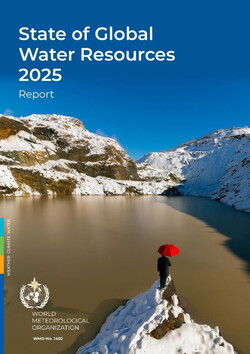
세계기상기구(WMO)가 지난 9월 17일 발표한 ‘2025년 글로벌 수자원 현황 보고서(State of Global Water Resources 2025)’에 따르면, 2025년 전 세계 영토의 42%가 역사적 기준 이하의 수자원을 보유한 것으로 나타났다. 사진은 보고서 표지. [사진출처(Photo source) = 세계기상기구(WMO)]
세계기상기구(WMO)가 지난 9월 17일 발표한 ‘2025년 글로벌 수자원 현황 보고서(State of Global Water Resources 2025)’에 따르면, 2025년 전 세계 영토의 42%가 역사적 기준 이하의 수자원을 보유한 것으로 나타났다.
WMO(World Meteorological Organization)가 매년 실시하는 전 세계 담수 자원 분석 결과, 화석 연료로 인한 오염으로 인해 물 순환에 심각한 교란이 발생한 것으로 확인되었다. 이로 인해 강·하천 바닥이 줄어들고 빙하가 사라지며 홍수와 가뭄 사이의 심각한 변동이 발생하고 있다. 『2025년 글로벌 수자원 현황 보고서』 내용을 요약했다. [번역 = 배철민 편집국장 겸 글로벌물산업정보센터장]
2025년 전 세계 수자원 현황
세계기상기구(WMO)가 발간한 ‘2025년 글로벌 수자원 현황 보고서’에 따르면, 2025년 전 세계 강과 하천들은 30년 만에 가장 건조한 해 중 하나를 기록했다. 이는 지구 담수 저장량과 빙하량의 감소가 계속되고 있음을 보여주며, 이는 미래의 사람들과 경제에 심각한 영향을 미칠 추세이다.
WMO 보고서는 물 순환이 점점 더 불규칙하고 예측 불가능해져 물이 너무 적거나 너무 많이 공급되는 상황을 오가고 있음을 보여준다. 지난 7년간 1991년 이후 ‘정상(Normal)’ 유량을 가진 강·하천이 가장 적었다.
위성에서 수집된 데이터에 따르면, 담수 자원은 2016년 이후 계속 감소해 왔으며, 2025년까지 전 세계 영토의 42%가 과거 기준보다 낮은 수자원 부족 상태를 겪을 것으로 예상된다.
특히, 아시아와 아프리카는 지난 5년간 기록된 모든 물 관련 ‘극한 기상현상(Extreme Weather Phenomenon)’의 최소 절반과 보고된 관련 사망자의 80% 이상을 차지했다고 보고서는 밝혔다.
예를 들어, 아프리카 나이지리아와 콩고에서는 대규모 홍수가 발생했고, 남아시아와 동남아시아 일부 지역은 열대성 사이클론(Ropical Cyclones)과 강한 몬순 비(Intense Monsoon Rain)를 겪었다. 미국에서는 2025년 7월, 텍사스에서 발생한 대규모 홍수로 130명 이상이 목숨을 잃었고, 카리브해의 허리케인( Hurricane) ‘멜리사(Melissa)’는 90명 이상의 사상자를 냈다.
반면 동유럽, 지중해, 중동 지역은 심각한 가뭄으로 고통받고 있다. 이 보고서는 2025년에 엘니뇨(El Niño)로 인해 극한 기상현상이 심화될 수 있으며, 일부 지역에서는 가뭄 위험이, 다른 지역에서는 홍수 위험이 커질 수 있다고 강조한다.
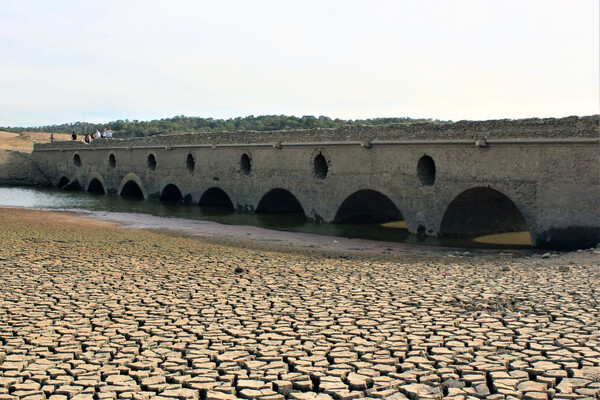
동유럽, 지중해, 중동 지역은 심각한 가뭄으로 고통받고 있다. ‘2025년 글로벌 수자원 현황 보고서’는 2025년에 엘니뇨(El Niño)로 인해 극한 기상현상이 심화될 수 있으며, 일부 지역에서는 가뭄 위험이, 다른 지역에서는 홍수 위험이 커질 수 있다고 강조한다. [사진출처(Photo source) = 세계기상기구(WMO) / 안토니우 프란시스쿠 히베이루 드 올리베이로(Antonio Francisco Ribeiro de Oliveira)]
이 보고서는 강·하천 유출량, 지하수, 증발산, 육지 수자원 저장량, 눈과 얼음 등 물 순환 전반과 영향력이 큰 극한 현상에 대해 과학적 근거에 기반한 종합적인 평가를 제공한다. 이 보고서에서는 2025년의 종합평가 내용을 다루었으며, 처음 발간된 이후 지난 5년간의 연구 결과를 요약했다.
물 순환의 일부는 빠른데, 예를 들어 강수량, 하천 유량, 토양 수분은 며칠 또는 몇 주 내에 날씨에 반응한다. 반면 지하수, 빙하, 계절적 적설과 같은 요소는 변화 속도가 느려 계절 단위에서 수십 년, 혹은 그 이상에 걸쳐 축적되거나 고갈된다.
보고서 작성자들은 60개국 이상의 수자원 데이터를 활용했지만, 특히 아시아와 아프리카처럼 극한 기상현상이 두드러지는 지역에서는 정보에 상당한 공백이 있다고 지적했다. 과학자들은 또한 수자원의 급격한 감소로 인해 생물다양성과 생태계가 위협받고 있다고 지적했다.
셀레스트 사울로(Celeste Saulo) WMO 사무총장은 “전통적으로 이러한 느린 속도의 수자원 저장소는 지구의 ‘저축 계좌(Savings account)’와 같은 역할을 해왔다. 즉, 단 한 번의 가뭄이나 건기가 곧바로 물 위기로 이어지지 않도록 악조건을 흡수하는 완충 장치였던 것”이라고 말했다.
사울로 사무총장은 특히, “우리는 저축 계좌를 고갈시키고 있다. 전 세계 육상 수자원 저장량은 2014년부터 2016년 사이 감소 추세를 보이고 있는데, 이는 10년간 지속되는 신호이다. 4년 연속으로 지구상의 모든 주요 빙하 지역에서 빙하 질량을 잃었다”고 강조했다.
사울로 사무총장은 이어 “지하수도 비슷한 상황이다. 전 세계 모니터링된 우물의 거의 3분의 2가 2025년에 역사적 정상을 벗어난 상태였고, 균형은 2024년에 비해 회복보다는 적자 쪽으로 더 이동했다”라면서 “동시에 우리는 수자원 관련 재해가 더 많이 발생하고 있고, 엘니뇨(El Niño)가 강화되면 일부 지역에서는 가뭄 위험이 커지고, 다른 지역에서는 홍수 위험이 커질 것”이라고 경고했다.
‘2025년 글로벌 수자원 현황 보고서(State of Global Water Resources 2025)’는 주요 우려 사항을 강조한다.
① 2025년은 전 세계 하천 유량 측면에서 지난 35년 중 가장 건조한 해 중 하나였으며, 전 세계 유역 면적의 36%에서 유량이 평년 수준을 밑돌았다. 이는 관측된 기상 데이터를 기반으로 13개 글로벌 수문학적 모델을 시뮬레이션한 결과에 따른 것이다.
② 이 보고서에 따르면, ‘정상’ 상태를 보인 유역의 비율은 7년 연속으로 전체의 소수에 불과했다. 1991∼2020년 평균인 46%와 비교해 34∼38% 수준에 머물렀다.
③ 지하수, 호수 및 하천, 토양 수분, 식생, 그리고 얼음과 눈에 저장된 물의 총량인 ‘육상 수자원 저장량(Terrestrial Water Storage)’은 2010년대 중반 이후 감소세를 보이고 있다.
④ 2025년은 전 지역에서 광범위한 빙하 소실이 4년 연속으로 이어진 해였다. 이는 홍수와 같은 단기적 위험과 장기적인 물 안보 위기를 초래한다. 2023년부터 2025년까지 매년 빙하 질량이 감소했으며, 전 세계 빙하 질량의 누적 손실량은 물 1천400기가톤(Gt)에 달했다. 이는 올림픽 규격 수영장 약 5억6천만 개를 채우거나 연간 담수 취수량의 약 3분의 1에 해당하는 양이다.
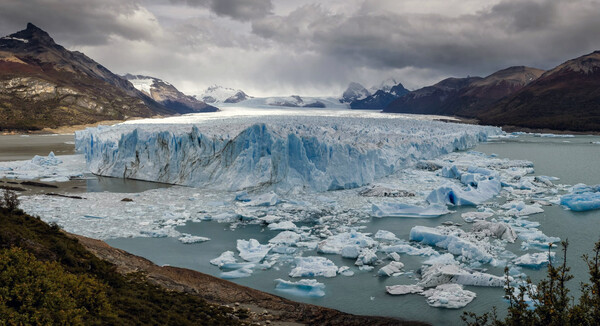
2025년은 전 지역에서 광범위한 빙하 소실이 4년 연속으로 이어진 해였다. 이는 홍수와 같은 단기적 위험과 장기적인 물 안보 위기를 초래한다. 2023년부터 2025년까지 매년 빙하 질량이 감소했으며, 전 세계 빙하 질량의 누적 손실량은 물 1천400기가톤(Gt)에 달했다. 이는 올림픽 규격 수영장 약 5억6천만 개를 채우거나 연간 담수 취수량의 약 3분의 1에 해당하는 양이다. 사진은 아르헨티나 로스 글라시아레스 국립공원의 빙하 모습. [사진출처(Photo source) = 세계기상기구(WMO) / 이그나시오 브루노(Ignacio Bruno)]
⑤ 지난 5년 동안 전 세계 각국의 기상 및 수문 당국은 기록적인 홍수와 가뭄을 보고했다. 일부 지역에서는 한 재난이 발생한 후 다음 재난이 닥치기까지 회복할 시간이 전혀 없었다.
셀레스트 사울로(Celeste Saulo) WMO 사무총장은 “물은 국경을 무시한다. 한 강 유역의 수분 균형은 다른 나라에서 일어나는 일에 따라 달라지며, 한 나라에서 빙하량이 감소하면 수백km 하류 인구의 물 가용성도 크게 변한다. 바로 이 때문에 우리는 공유 데이터, 공유 기준, 공유 조기 경보가 필요하며, 이것이 WMO가 수행하기 위해 존재하는 바로 그 기능이다”라고 말했다.
국가 기상·수문 서비스 기관, 데이터 센터, 연구진 및 협력 기관 소속 수십 명의 전문가가 현장 관측 자료, 모델 산출물, 위성 기반 데이터를 공유하며 이 보고서 작성에 기여했다. 2021년 초판 발행 당시 3개였던 수문학적 변수는 현재 15개로 확대되었다.
보고서에 포함된 국가의 범위는 크게 확대되었다. 그러나 아프리카와 아시아는 기상 이변의 영향을 가장 크게 받는 지역임에도 불구하고, 수문학적 관측 데이터 측면에서는 여전히 정보가 가장 부족한 지역에 속한다.
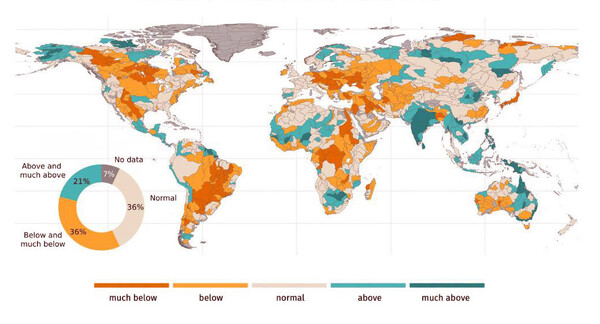
2025년 전 지구 하천 유량의 편차
13개 전 지구 수문학적 모델의 앙상블을 통해 산출한 2025년 하천 유량(1991∼2020년 평균 대비). 경계선은 하천 유역의 윤곽만을 나타낸다. 표시된 경계 및 명칭, 그리고 사용된 명명 방식은 세계기상기구(WMO)나 유엔(UN)의 공식적인 승인이나 인정을 의미하지 않는다. [그림출처(picture source) = 세계기상기구(WMO)]
[원문보기]
WMO : Recent water trends have serious future implications
The WMO State of Global Water Resources report is a comprehensive science-based annual assessment of the hydrological cycle and extreme events in 2025 and over the past five years
Geneva, Switzerland, 17 September 2026 (WMO) - Rivers across the globe in 2025 had one of the driest years in more than three decades, according to a new report from the World Meteorological Organization (WMO). It shows a continuation of the long-term decline in Earth’s freshwater storage and in glacier retreat - trends with serious implications for people and economies in the future.
The WMO State of Global Water Resources Report shows that the water cycle has become more erratic and unpredictable, swinging between too little or too much. The past seven years have seen the fewest rivers with “normal” flows since 1991.
According to data collected from satellites, freshwater reserves have continued to decrease since 2016, and by 2025, 42% of the world's territory is experiencing water resource deficits below historical norms.
Asia and Africa together accounted for at least half of all recorded water-related extreme events and more than 80% of reported associated deaths over the past five years, it says.
For example, massive floods occurred in Nigeria and Congo, while some areas of South and Southeast Asia faced tropical cyclones and intense monsoon rains. In the United States, a catastrophic flood in Texas in July 2025 claimed the lives of more than 130 people, while Hurricane Melissa in the Caribbean resulted in over 90 casualties.
On the other hand, Eastern Europe, the Mediterranean, and the Middle East are suffering from severe drought. The report highlights that in 2025, extreme weather events may intensify due to El Nino, increasing the risk of drought in some regions and flooding in others.
The report provides a comprehensive, science-based assessment of the entire water cycle loop, including river discharge, groundwater, evapotranspiration, land water storage, and snow and ice, as well as high-impact events. It covers the year 2025 and summarizes findings of the past five years since it was first published.
Some parts of this cycle are fast - such as precipitation, river flow, soil moisture - they respond to weather within days or weeks. Others, like groundwater, glaciers and seasonal snowpack, are slow, they accumulate or deplete over seasons to decades or longer.
The authors of the report used data on water resources from more than 60 countries, but note that there are significant gaps in information, especially in areas where the most pronounced extreme weather events are observed, including Asia and Africa. Scientists also point to threats to biodiversity and ecosystems caused by the sharp decline in water reserves.
Traditionally these slow reserves have acted as the planet's savings account: a buffer that absorbs bad years so that a single drought or a single dry season does not translate directly into a water crisis,” said WMO Secretary-General Celeste Saulo.
“We are depleting that savings account. Global terrestrial water storage has shown a declining trend since 2014-2016 - a persistent, decade-long signal. For the fourth consecutive year, every major glaciated region on Earth lost ice mass. Groundwater tells a similar story: nearly two-thirds of monitored wells worldwide showed conditions outside the historical norm in 2025, and the balance shifted further toward deficit compared with 2024, not toward recovery,” said Celeste Saulo.
“At the same time, we are seeing more water-related disasters. The strengthening El Nino will increase the risk of drought in some areas, and flooding in others,” she said.
The report highlights some major areas of concern:
·2025 was one of driest years for river discharge globally in 35 years, with below-normal flows over 36% of global basin area. This is based on data from simulations from 13 global hydrological models, driven by observed weather data.
·For the seventh year in a row, the number of river basins with “normal” conditions was in a clear minority: ranging between 34-38%, compared to the average of 46% between 1991-2020, according to the report.
·Terrestrial water storage - the total amount of water stored in groundwater, lakes and rivers, soil moisture, vegetation and ice and snow - has been in decline since mid-2010s.
·2025 marked the fourth consecutive year with widespread glacier loss across all regions - leading to short term hazards like floods and long-term water insecurity. Between 2023-2025 glaciers lost mass in each reporting year with cumulative global glacier mass loss at 1400 Gigatonnes of water. This is roughly equal to the water required to fill about 560 million Olympic-sized swimming pools, or about one third of annual freshwater withdrawals.
·In each of the past five years, National Meteorological and Hydrological Services around the globe reported record-breaking floods and droughts. Some places have had no recovery time between one event and the next.
“Water respects no borders. A river basin's water balance depends on what happens in another country. A glacier's retreat in one country reshapes water availability for populations hundreds of kilometers downstream. This is precisely why we need shared data, shared standards, and shared early warning - the exact function WMO exists to perform,” said Celeste Saulo.
Dozens of experts from National Meteorological and Hydrological Services, data centres, researchers and partner institutions shared in situ observations, model outputs and space-based data and contributed to the report, which has expanded from three to 15 hydrological variables since the first edition in 2021.
Country coverage has greatly expanded. However, Africa and Asia are still among the least represented regions in terms of hydrological observations in the report, even though they are most affected by extremes.
 즐겨찾기 추가
 시작페이지로 설정