[미국] EPA, 먹는물 속 PFAS 등 1천여 종 잠재오염물질 조사
비표적분석 활용해 의약물질·PFAS 등 기존 검사 사각지대 탐색
미세플라스틱·의약물질 포함 CCL 6·UCMR 6와 연계해 관리 우선순위 설정
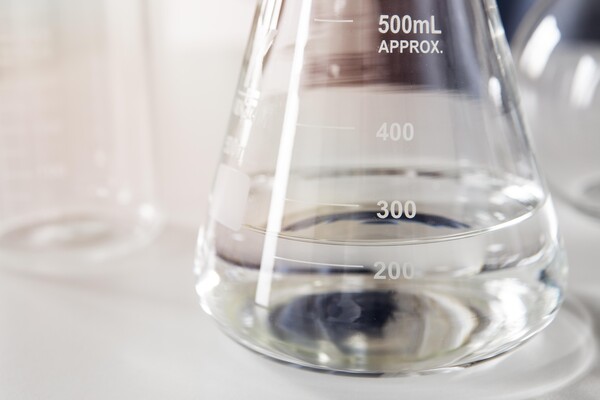
미국 환경보호청(EPA)이 먹는물 속 과불화화합물(PFAS)과 의약물질을 비롯한 1천여 종의 잠재오염물질을 폭넓게 조사하는 새로운 과학 연구에 착수한다. [사진출처(Photo Source) = Magnific]
미국 환경보호청(EPA)이 먹는물 속 과불화화합물(PFAS)과 의약물질을 비롯한 1천여 종의 잠재오염물질을 폭넓게 조사하는 새로운 과학 연구에 착수한다.
이번 연구에는 기존 분석법보다 광범위한 물질을 탐색할 수 있는 비표적분석(Non-Targeted Analysis, NTA)이 활용된다. 특정 화학물질을 미리 정해 측정하는 기존 방식과 달리 비표적분석은 하나의 먹는물 시료에서 수천 종의 잠재오염물질을 동시에 탐색할 수 있어 알려지지 않은 오염물질을 확인하는 데 활용된다.
조사 대상에는 PFAS와 의약물질을 비롯해 기존 검사에서 포착되지 않았을 가능성이 있는 다양한 물질이 포함된다. 연구 결과는 향후 먹는물 안전관리와 연구·규제 우선순위를 설정하는 과학적 근거로 활용될 예정이다.
리 젤딘(Lee Zeldin) EPA 청장은 “미국 국민들이 먹는물에 알려지지 않은 잠재오염물질이 존재할 가능성을 우려하고 있다는 목소리를 분명히 들었다”며 “이번 첨단 연구를 통해 문제를 규명하고 「안전먹는물법(Safe Drinking Water Act)」에 따라 추진 중인 조치를 보완하겠다”고 밝혔다.
로버트 F. 케네디 주니어(Robert F. Kennedy, Jr.) 미국 보건복지부(HHS) 장관도 “미국 국민은 자신이 마시는 물에 무엇이 들어 있는지 알 권리가 있다”며 “의약물질과 PFAS를 비롯해 기존 검사에서 발견되지 않았던 오염물질을 조사하게 될 것”이라고 말했다.
이번 연구는 「안전먹는물법」에 따라 운영 중인 미규제 오염물질 관리체계와도 연계된다. 올해 봄 공개된 제6차 오염물질 후보목록 초안(Draft Sixth Contaminant Candidate List, CCL 6)에는 처음으로 미세플라스틱과 의약물질이 우선 오염물질군으로 포함됐다.
CCL은 현재 먹는물 규제 대상이 아닌 오염물질의 잠재적 건강위험을 파악하고 관련 연구와 정보수집, 재원 투입의 우선순위를 정하는 데 활용된다.
지난 6월에는 제6차 미규제 오염물질 모니터링 규칙(Sixth Unregulated Contaminant Monitoring Rule, UCMR 6)도 제안됐다. UCMR 6는 현재 규제되지 않았지만 먹는물에 존재할 가능성이 있는 미규제 오염물질 30종을 기존 승인 분석법으로 모니터링하도록 하는 내용을 담고 있다.
비표적분석 연구는 이 같은 CCL과 UCMR 체계에서 확인하기 어려운 영역을 보완하는 역할을 한다. 특정 물질 중심의 기존 모니터링과 함께 수천 종의 잠재오염물질을 폭넓게 탐색함으로써 새로운 먹는물 오염위험을 파악하고 향후 관리가 필요한 물질을 선별한다는 계획이다.
[원문보기]
EPA Launches Cutting-Edge Scientific Study to Strengthen Nation’s Understanding of Potential Pollutants in Drinking Water
WASHINGTON – Today, U.S. Environmental Protection Agency (EPA) announced a new scientific study using cutting-edge methods to improve the agency’s understanding of what pollutants may be present in drinking water.
This groundbreaking new research by EPA scientists goes beyond traditional testing methods to screen for a broad array of pollutants, including pharmaceuticals, PFAS, and more than 1,000 potential contaminants. This action advances EPA’s commitment to help Make America Healthy Again while following gold standard science.
“We have heard loud and clear that Americans are concerned about potential unknown pollutants lurking in their drinking water. The Trump EPA is committed to getting to the bottom of this, so that Americans can feel confident about the safety of their drinking water,” said EPA Administrator Lee Zeldin.
“EPA’s state-of-the-art study will shed light on this issue and complement the actions we are already taking under the Safe Drinking Water Act. What we learn will provide clarity and peace of mind while guiding the agency’s continued efforts to Make America Healthy Again.”
“Americans have a right to know what is in the water they drink,” said U.S. Department of Health and Human Services Secretary Robert F. Kennedy, Jr. “For decades, I fought unsuccessfully to get EPA to conduct this kind of comprehensive testing. Thanks to Administrator Zeldin’s courage and President Trump’s bold MAHA agenda, we are finally getting it done. EPA is going to search for pharmaceuticals, PFAS, and other contaminants that have gone undetected—and give Americans the truth about what is in their water.”
This study and EPA’s ongoing efforts implementing the Safe Drinking Water Act are accelerating progress to ensure that all Americans have confidence their drinking water is safe. EPA’s new study represents a major step in aligning EPA research with the concerns of hardworking Americans.
This scientific assessment will use Non-Targeted Analysis, which can identify unknown pollutants present in a drinking water sample. While conventional analytical methods measure a handful of specific chemicals at a time, Non-Targeted Analysis allows researchers to scan for thousands of potential pollutants. The resulting insights will help EPA prioritize future actions to ensure that drinking water is safe.
The agency’s new study complements existing Safe Drinking Water Act programs being implemented by EPA. This spring, the agency released its draft Sixth Contaminant Candidate List (CCL 6), which helps prioritize funding, research, and information collection to better understand the potential health risks of unregulated contaminants in drinking water while advancing the agency’s commitment to gold standard science.
For the first time, EPA designated both microplastics and pharmaceuticals as priority contaminant groups on the draft CCL 6. In June, the agency proposed its Sixth Unregulated Contaminant Monitoring Rule (UCMR 6), which would require monitoring for contaminants not currently regulated but may be present in drinking water.
UCMR 6 would require monitoring using existing approved methods to detect 30 unregulated contaminants. The agency’s non-targeted analysis complements these efforts by filling in gaps not addressed by the Safe Drinking Water Act’s Contaminant Candidate List and Unregulated Contaminant Monitoring processes.
[출처 = 미국 환경보호청(EPA)(https://www.epa.gov/newsreleases/epa-launches-cutting-edge-scientific-study-strengthen-nations-understanding-potential) / 2026년 9월 9일]
|  즐겨찾기 추가
 시작페이지로 설정
























