[세르비아] EBRD·EU·WBIF, 세르비아 전력망 현대화 지원
세르비아 전역 90만 명 이상 고객, 스마트 전력계량기 보급
EU 보조금·EBRD 금융지원·EDS 투자로 계량기 보급·교체
요금 정확성·전력망 효율성 향상 및 에너지 전환 지원
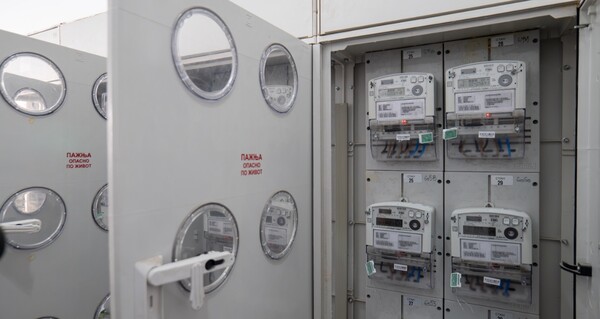
세르비아(Serbia) 전력 배전망에 연결된 90만 명 이상의 고객에게 스마트 전력계량기가 보급됐다. [사진제공(Photo source) = 유럽재건개발은행(EBRD)]
세르비아(Serbia) 전력 배전망에 연결된 90만 명 이상의 고객에게 스마트 전력계량기가 보급됐다.
이번 보급은 세르비아전력배전공사(Elektrodistribucija Srbije, 이하 EDS)의 투자와 유럽재건개발은행(European Bank for Reconstruction and Development, 이하 EBRD), 유럽연합(EU)이 서부발칸투자프레임워크(Western Balkans Investment Framework, WBIF)를 통해 제공한 지원으로 추진됐다.
EBRD·EU 공동 대표단은 스마트 계량기 보급률이 높은 세르비아 주요 도시 중 하나인 니시(Niš)를 방문해 이번 보급이 가정에 제공하는 혜택과 세르비아 전력 배전망 현대화에 미치는 영향을 살펴봤다. 공동 대표단은 프란체스코 코르보(Francesco Corbo) EBRD 서부발칸 및 크로아티아 에너지 부문 지역책임자와 안드레아스 폰 베케라트(Andreas von Beckerath) 주세르비아 EU 대사가 이끈다.
스마트 계량기는 고객 서비스 품질을 높이고 전기요금 청구의 투명성과 정확성을 개선한다. 또한 효율적인 전력망 관리에 필요한 데이터를 제공해 전력 시스템의 신뢰성을 강화하고 세르비아의 전반적인 에너지 전환을 지원한다.
대규모 계량기 교체 사업에는 초기 EU 보조금 1억1천만 유로(약 1천712억 원)가 지원됐다. 이후 EBRD가 4천만 유로(약 622억 원) 규모의 대출을 지원하면서 보급 사업이 이어졌다. 현재 유럽투자은행(European Investment Bank, EIB)의 금융지원을 통해 계량기 40만 개를 추가로 교체하기 위한 준비도 진행 중이다.
EBRD와 EU 대표단은 니시 방문 기간 스마트 계량기 140개가 설치된 주거용 건물을 방문했다.
코르보 EBRD 서부발칸 및 크로아티아 에너지 부문 지역책임자는 “전력 배전망 현대화는 세르비아가 더욱 효율적이고 회복력 있는 저탄소 기반의 에너지 시스템으로 전환하는 데 핵심적이다”며 “EDS의 스마트 계량기 보급을 지원함으로써 전력망의 신뢰성과 효율성을 높이는 동시에 재생에너지의 통합을 확대하고 소비자가 에너지 시스템에 더욱 적극적으로 참여할 수 있는 기반을 마련하고 있다”고 말했다.
폰 베케라트 주세르비아 EU 대사는 “세르비아 국민이 체감할 수 있는 혜택은 명확하고 실질적이다. 전기요금이 정확하게 청구되고 전력 소비 정보를 쉽게 확인할 수 있어 가정의 에너지 비용을 더 효과적으로 관리할 수 있다”고 강조했다.
또한 "이는 세르비아의 에너지 시스템이 새로운 전환점을 맞고 있다는 점에서 중요하다"며, "옥상 태양광 패널과 히트펌프, 전기자동차, 지역 에너지 공동체가 확대되면서 전력이 생산·측정·소비되는 방식도 점차 변화할 것"이라고 덧붙였다.
빌랴나 콤네니치(Biljana Komnenic) EDS 직무대행 이사는 “전력 배전 시스템의 디지털화와 최신 기술 도입을 적극 추진하고 있다”며 “이 프로젝트는 사용자와 회사 모두에 비용 절감과 혜택을 제공한다”고 말했다.
이어 “현재까지 세르비아의 스마트 계량기 설치에 약 2억 유로(약 3천120억 원)가 투자됐으며, 전체 계량기 가운데 약 4분의 1이 원격으로 검침되고 있다”며 “모든 신규 전력 연결에 스마트 계량기를 설치하는 것이 EDS의 전략적 목표”라고 설명했다.
또 “EDS는 이를 통해 전력망 현황을 더욱 정확하게 파악하고 관리 수준을 높일 수 있으며, 사용자는 자신의 전력 소비량을 확인해 에너지 효율을 높일 수 있다”며 “올가을에는 모든 스마트 계량기 사용자가 자신의 전력 소비량을 지속적으로 확인할 수 있는 포털을 개설할 예정”이라고 밝혔다.
[원문보기]
EBRD, EU and WBIF support nationwide rollout of smart electricity meters in Serbia
More than 900,000 customers now connected to smart electricity meters across Serbia
EU grants, EBRD financing and investment by electricity distribution company EDS are supporting modernisation of Serbia’s grid
Smart meters improve billing accuracy, network efficiency and support Serbia’s energy transition
More than 900,000 customers connected to Serbia’s electricity distribution network now have smart meters, following investments by electricity distribution company Elektrodistribucija Srbije (EDS) supported by the European Bank for Reconstruction and Development (EBRD) and the European Union (EU) through the Western Balkans Investment Forum (WBIF).
A joint EBRD and EU delegation – led by Francesco Corbo, the EBRD’s Regional Head of Energy for the Western Balkans and Croatia and Andreas von Beckerath, the EU’s Ambassador to Serbia – visited Niš, one of Serbia’s leading cities for smart meter coverage, to see how the rollout is benefiting households and helping modernise Serbia’s electricity distribution network.
Smart meters improve service quality for customers, increase transparency and accuracy in billing, and provide the data needed for better grid management, strengthening system reliability and supporting Serbia’s wider energy transition.
The large-scale replacement of meters was initially supported by EU grants worth €110 million. The rollout continued with the support of a €40 million EBRD loan, and preparations are under way to replace an additional 400,000 meters with financing from the European Investment Bank.
During the visit to Niš, EBRD and EU representatives visited a residential building where 140 smart meters have been installed.
The EBRD’s Francesco Corbo said: “Modernising electricity distribution networks is key to Serbia’s transition to a more efficient, resilient and low-carbon energy system. By supporting EDS’s rollout of smart meters, we are strengthening network reliability and efficiency while enabling greater integration of renewable energy and more active participation by consumers.”
“For Serbian citizens, the benefits are simple and practical: more accurate bills, easier access to information on consumption, and better control over household energy costs,” added von Beckerath.
“This matters because Serbia’s energy system is entering a new phase. Rooftop solar panels, heat pumps, electric vehicles and local energy communities will increasingly change the way electricity is produced, measured and consumed.”
Biljana Komnenić, Acting Director of EDS, said: “We are actively working on digitalisation and introducing the most modern technologies into the electricity distribution system. This project brings savings and benefits to both users and the company.
So far, around €200 million has been invested in the installation of smart meters in Serbia, and almost every fourth meter is now read remotely. Our strategic decision is that every new connection should have a smart meter.
For EDS, this enables a better overview of the network and improved management, while users can monitor their own consumption and become more energy efficient. This autumn, a portal will be launched to give all smart meter users continuous insight into their consumption.”
[출처 = 유럽재건개발은행(EBRD)(https://www.ebrd.com/home/news-and-events/news/2026/ebrd--eu-and-wbif-support-nationwide-rollout-of-smart-electricit.html) / 2026년 9월 3일]
|  즐겨찾기 추가
 시작페이지로 설정
























