[남아공] 케이프타운 해수담수화 건설 계획 지연으로 물수요 급증
해수담수화 건설 5년 지연…하루 30만㎥의 추가 공급 계획 2036년으로 미뤄져
현재 댐 수위 77%로 ‘조기 가뭄 주의 단계’해당…향후 2년내 수요가 현재 댐 물 할당량 초과 예상
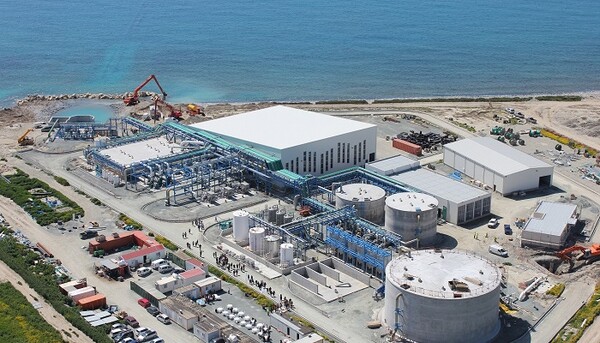
남아프리카공화국 케이프타운시가 파르덴 아일랜드(Paarden Eiland)에 하루 7만㎥ 생산 규모의 해수담수화 시설을 건설이 5년 지연되어 2030년에나 완공이 예상돼 케이프타운시는 물부족에 시달릴 전망이다. [사진출처(Photo source) = 서부 케이프 주 정부(Western Cape Government)]
남아프리카공화국 케이프타운시(City of Cape Town’s)가 파르덴 아일랜드(Paarden Eiland)에 해수담수화 시설을 건설하려던 계획이 트랜스넷(Transnet’s)이 항구를 확장하려는 의도로 무산되었다.
케이프타운시는 지난 8월 21일 최신 물 전망 보고서를 발표하며, 물과 위생 담당 위원회 멤버인 자히드 바드루디엔(Zahid Badroodien)은 “영구 해수담수화 시설의 ‘대체 부지(alternative locations)’를 찾기 위한 노력이 진행 중”이라고 시의회에 전했다.
전망 보고서는 비용 문제 외에도, 적합한 대체 부지를 찾고 필요한 환경 영향 평가를 수행하는 데 시간이 걸리며, 파르덴 아일랜드의 범위 설정 단계는 이미 완료되었지만, 이 과정이 프로젝트를 5년이나 늦출 것이라고 밝혔다.
보고서는 하루 7만㎥ 규모의 해수담수화 시설이 케이프타운의 6개 공급 댐에 더해 하루 30만㎥의 물을 추가하는 것을 목표로 하는 시의 새로운 물 공급 프로그램에서 매우 중요한 부분이라고 지적했다.
담수화 시설 외에도 이 프로그램은 지하수 활용, 하수 재이용, 그리고 베르그강(Berg Rive)의 물을 볼블레이댐(Voelvlei Dam)으로 펌핑해 하루 40만㎥를 추가하는 사업을 포함하고 있다.
현재 이 중에서 실제로 물을 공급하는 유일한 사업은 시어 로우리 고개(Sir Lowry’s) 위쪽 스틴브라스(Steenbras) 지역의 테이블 마운틴 그룹 대수층에서 물을 끌어오는 관정이다.
아틀란티스(Atlantis) 대수층에서 지하수를 추출하는 작업이 케이블 도난으로 인해 지연되었다. 케이프 플랫스(Cape Flats) 대수층에 대한 관정과 수처리 시설이 아직도 건설 중이다.
베르그강-볼블레이 사업도 어려움을 겪었다. 18억5천만 랜드(1천572억5천만 원) 규모의 이 건설 사업은 2023년까지 완공될 예정이었다. 그러나 이 계획은 2027년으로 수정되었다. 워터 아웃룩 보고서(Water Outlook report)는 2030년에나 완공이 예상된다고 밝혔다. 이 사업은 케이프타운시가 아니라 국가 수자원 및 위생부(National Department of Water and Sanitation에서 관리한다.
한편, 케이프타운의 물 사용량이 증가함에 따라 웨스턴케이프댐(Western Cape dam)에서 할당되는 최대 물 공급량이 2년 내에 한계에 도달할 것으로 보인다. 이 댐들은 다른 마을과 농업에도 물을 공급하기 때문에, 이들이 보유한 물이 모두 케이프타운시에 할당되는 것은 아니며, 국가 정부가 정한 할당량을 받는다.
새로운 물 프로그램은 2018년 수도 시스템이 마비되어 물 공급이 중단되는 위기 상황에 놓이는 ‘데이 제로(Day zero)’ 위기 이후에 개발되었지만, 그 사업들은 빠르면 2036년에야 본격적으로 운영될 것으로 예상된다.
강수량이 적은 계절
케이프타운은 평소보다 건조한 우기였으며, 남아프리카 기상청(South African Weather Service, SAWS)은 7월 31일 발표한 성명에서 “6월에 평년보다 적은 강수량이 관측되었고 7월까지 이어졌으며, 이 지역 여러 곳에서 7월 강수량이 기록상 최저치를 기록했다”고 밝혔다.
케이프타운의 공급 댐은 케이프타운에 내리는 비에 의존하지 않고, 스텔렌보스(Stellenbosch)와 우스터(Worcester) 사이의 산에 의존한다.
SAWS 고객 연락 담당자인 로빈-리 배티스(Robin-Lee Batties)는 “8월에 프란스후크(Franschhoek) 지역에 내린 비가 평소보다 적었다”고 말했다. 또한 케이프타운 최대의 공급 댐인 티워터스클루프댐(Theewaterskloof Dam) 인근의 빌리어스도르프(Villiersdorp)는 2011년 기상 관측소가 개설된 이후 7월 강수량이 가장 낮은 수준 중 하나였으며, 8월 강수량 역시 평소보다 적었다고 전했다.
8월 24일(작성 시점 기준) 누적 댐 수위가 77%였지만, 그래프는 하락세를 보이며 시에서 ‘초기 가뭄 주의(early drought caution)’ 단계에 진입했다.
시의 오픈 데이터 포털에 따르면, 댐 수위가 이보다 낮았던 마지막 시점은 2018년 8월 24일로, 당시 수위는 61%였다. 하지만 그들은 그해 여름 말에 20%라는 역사적 최저치에서 회복했는데, 그때 케이프타운은 ‘제로 데이’를 맞이하고 있었다.
지난 여름 최저 수위는 약 45%였는데, 이는 겨울 동안 댐 수위가 약 30%포인트 상승했다는 뜻이다. 그 물의 대부분은 홍수 형태로 들어왔고, 그 대가는 매우 컸다. 앨런 윈드(Alan Winde) 총리는 “이달 초 홍수로 인해 농지, 주택, 도로 및 기타 기반 시설의 손실이 거의 100억 랜드에 달하는 것으로 추산된다”고 밝혔다.
기후 변화의 영향
홍수는 단기간에 많은 비를 내린 저기압이 끊어지면서 발생했다. 케이프타운의 강수량은 주로 남극해(Southern Ocean)에서 올라와 케이프 남서부를 가로지르는 저기압 시스템에서 비롯된다. 하지만, 이 시스템들은 보통 겨울에 북쪽으로 이동해야 하는 남대서양(South Atlantic) 고기압 세포에 의해 더 남쪽으로 밀려났다.
UCT 기후학자 피터 존스턴(Peter Johnston) 박사는 2021년에 “남대서양 고기압 세포가 강해지고 있다는 증거가 있으며, 이는 앞으로 전선의 빈도가 좋지 않을 것임을 시사한다”고 말했다.
웨스턴케이프 정부의 카렌 쉽피(Karen Shippey) 환경 지속 가능성 수석 이사는 8월 27일 브리핑에서 “인간이 초래한 기후 변화로 인해 가뭄이 점점 더 자주 그리고 심해지고 있으며, 더운 날은 늘고 추운 날은 줄어들고, 강수량이 감소하며 바람의 속도와 변동성에도 변화가 생기고 있다”고 말했다.
쉽피는 “2025년에 평균 풍속의 다섯 배에 달하는 돌풍이 있었다”고 말했다. 장기 기후 변화 시나리오는 시와 물 전망 보고서에서도 반복되며, 그 보고서는 “단일 ‘컷오프 저기압’ 폭풍 사건이 점점 더 계절별 강수량 총합을 결정하고 있는가?”라고 말한다. 계절 예측을 더욱 신뢰하기 어렵게 만든다는 것이다.
물 수요 증가
한 번의 건조한 겨울철이 케이프타운의 물 부족을 의미하는 것은 아니지만, 두세 번 연속으로 발생하면 심각한 물 부족 사태가 발생한다. 이것은 2018년 ‘제로 데이’에 이르기까지의 상황이었다. 하지만, 지난 시즌의 강수량도 적었다. 2025년 댐 유역 내 웜머스호크(Wemmershoek)의 누적 강수량은 2016년보다 적었고, 2015년과 2017년에 비해 약간 높은 수준이었다.
한편, 그라운드업(GroundUp)의 계산에 따르면 케이프타운의 평균 물 사용량은 지난 9년 동안 50% 증가했다. 2017년 9월, 시에서 심각한 5단계 물 사용 제한을 시행했을 때 하루 사용량은 약 57만㎥ 이였다. 지난주에 시는 하루에 약 85만㎥를 사용하고 있었다. 이용량은 시가 예상한 것보다 두 배 이상 많다. 이는 같은 기간 케이프타운 인구가 약 22% 증가했다는 통계 추정치를 바탕으로 한 것이다.
“2025∼2026년 물 수요 증가율은 지속 불가능하며, 물 절약 및 수요 관리 전략에서 제안한 10년 평균 증가율의 세 배가 넘고, 대량 물 및 물 전략의 계획 가정보다 두 배 이상 높다”고 물 전망 보고서는 밝혔다.
하지만 2018년 물 부족 이전인 2015년에는 케이프타운이 하루에 최대 120만㎥의 물을 사용했으며, 댐 수위가 20%에 머물렀을 때는 하루 약 50만㎥로 급격히 줄어들었다.
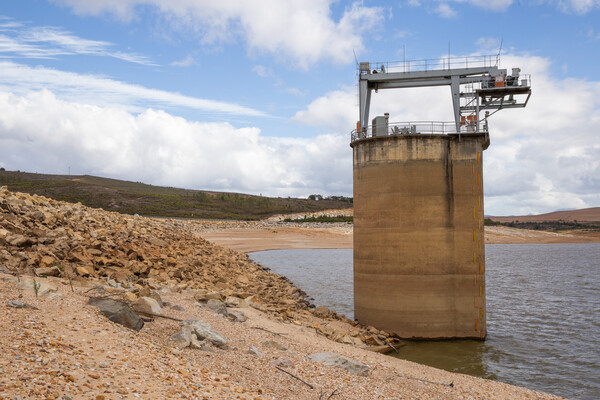
현재 댐 수위 77%로 ‘조기 가뭄 주의 단계’에 해당돼 향후 2년내 수요가 현재 댐 물 할당량 초과할 것으로 예상된다. 사진은 2018년 4월 서부 케이프 지역의 가뭄 당시 테에바테르스클루프 댐의 모습. [사진출처(Photo source) = 아슈라프 헨드릭스(Ashraf Hendricks) / 그라운드업(GroundUp)]
길고 무더운 여름이 다가온다
8월 27일 웨스턴케이프 정부 브리핑에서 윈드는 “엘니뇨-남방진동(El Nino-Southern Oscillation, ENSO) 기후 패턴이 앞으로 몇 달 안에 정점에 이를 것으로 예상된다”고 말했다. 앨런 윈드(Alan Winde) 총리는 “이것이 더운 날과 ‘극심한 더위’, 화재 위험 증가, 그리고 수자원에 대한 부담 증가를 의미할 것”이라고 말했다.
“극심한 엘니뇨 기상 패턴과 기후 변화가 맞물리면서 우리 생물다양성, 물 안보, 그리고 지역 사회에 전례 없는 위협이 되고 있다”라고 DA 주정부 환경담당 대변인 데이브 브라이언트(Dave Bryan)가 의회에서 말했다.
그 결과, 화재 시즌이 4개월에서 8개월로 연장되어 10월부터 5월 말까지 이어지고 있다. 하지만 엘니뇨로 인해 케이프타운 유역은 9월과 10월에 평소보다 더 습한 날씨를 보일 수 있다. SAWS의 8월부터 12월까지 예보에 따르면 겨울 강수 지역에 겨울이 끝나고 봄이 시작되는 시기에 ‘좋은 강수 조건’이 나타날 것으로 보인다.
기상청 보고서에 따르면, 겨울철이 끝나는 시점인 8월부터 10월까지 예상되는 좋은 강수량은 댐과 저수지로 유입되는 지표면 유출수를 증가시켜 물 저장 용량에 긍정적인 영향을 줄 가능성이 높다고 한다.
그럼에도 불구하고 케이프타운시와 주 당국 모두 현재로서는 공급에 즉각적인 위험은 없지만, 앞으로 몇 달간 물 사용 제한이 있을 가능성이 높다고 말한다.
[원문보기]
Cape Town desalination plans delayed while water demand soars
Latest Water Outlook reveals City’s plan for 300-million extra litres a day has slipped to 2036
- The City of Cape Town’s New Water Programme is only expected to be fully operational by 2036, yet demand is expected to exceed the current dam water allocation in the next two years.
- A desalination plant - a critical component of the plan - is delayed by five years.
- Current dam levels are at 77%, which for this time of year indicates an “early drought caution stage”.
- Except for the May floods, winter rainfall was overall very low, and a long, hot summer is predicted.
The City of Cape Town’s plan to build a desalination plant at Paarden Eiland has been scuttled by Transnet’s intention to expand the port.
Tabling the latest Water Outlook report on 21 August, mayco member for water and sanitation Zahid Badroodien told council that the search is on for “alternative locations” for the permanent desalination plant.
Besides possible cost implications, the outlook report states that finding a suitable alternative site and conducting the necessary environmental impact assessment - the scoping phase of which had already been completed for Paarden Eiland - will push the project back five years.
The report notes that a 70-million-litre-per-day desalination plant is a critical part of the City’s New Water Programme, which aims to add 300-million litres of water per day in addition to Cape Town’s six supply dams.
In addition to the desalination plant, the programme includes using groundwater, reusing wastewater, and pumping water from the Berg River into Voelvlei Dam, adding 40-million litres a day.
Currently, the only one of these initiatives delivering any water is the boreholes drawing from the Table Mountain Group aquifer in the upper Steenbras area above Sir Lowry’s Pass.
Abstracting groundwater from the Atlantis aquifer has been set back by cable theft. Boreholes and water treatment on the Cape Flats aquifer are still being built.
The Berg River?Voelvlei scheme has also suffered setbacks. The R1.85-billion build was meant to be completed by 2023. This was revised to 2027. The Water Outlook report states completion is now expected in 2030. The scheme is managed by the national Department of Water and Sanitation, not the City.
Meanwhile, Cape Town’s increasing water usage means its maximum allocation from Western Cape dams will be reached within two years. These dams also supply other towns and agriculture, so not all the water they hold is available to Cape Town, which receives an allocation determined by the national government.
The New Water Programme was developed in the wake of the 2018 ‘day zero’ crisis, but its set of initiatives is only expected to be operating by 2036 at best.
Low rainfall season
Cape Town has had a drier-than-usual rain season, with the South African Weather Service (SAWS) noting in a statement released on 31 July: “Below-normal rainfall was observed in June and persisted into July, with several parts of the region recording their lowest rainfall on record during July.”
Cape Town’s supply dams do not rely on rain falling on Cape Town, but on the mountains between Stellenbosch and Worcester.
SAWS client liaison officer Robin-Lee Batties said August rainfall over Franschhoek had been drier than usual, and Villiersdorp, next to Theewaterskloof Dam, Cape Town’s biggest supply dam, had one of the lowest July rainfall measurements since the opening of the weather station in 2011, and August rainfall has also been lower than usual.
Although cumulative dam levels were at 77% on 24 August (the latest reading at time of writing), the graph has taken a downward trend and has entered what the City calls “early drought caution”.
The City’s Open Data Portal shows the last time the dams were lower than this on 24 August was in 2018 when they were at 61%. But they had risen to that level from a 20% historic low at the end of summer that year, which was when Cape Town was staring down “day zero”.
The low point this past summer was around 45%, meaning the dam levels have risen by about 30 percentage points over the winter. Most of that water came in the form of floods, and at a high cost. The loss of farmland, homes, roads and other infrastructure caused by the floods was estimated to be almost R10-billion, Premier Alan Winde said earlier this month.
Climate change impact
The floods resulted from a cut-off low-pressure system, which released heavy rains over a short period.
Cape Town’s rainfall comes mostly from low-pressure systems that move up from the Southern Ocean and sweep across the southwestern Cape. But these systems have been forced further south by South Atlantic high-pressure cells, which should normally move northwards in winter.
“We have evidence that the South Atlantic High-pressure Cell is increasing in strength; and that doesn’t augur well for the frequency of fronts in the future,” UCT climatologist Dr Peter Johnston stated in 2021.
Western Cape government chief director of environmental sustainability Karen Shippey said at a 27 August briefing that human-induced climate change is resulting in increasingly frequent and intense droughts, more hot days and fewer cold days, reduced rainfall, and a shift in wind speed and variability.
Shippey said last year we had gusts five times the average wind speed.
The long-term climate change scenario is echoed by the City and the Water Outlook report, which states: “Single ‘cut-off low’ storm events are increasingly determining seasonal rainfall totals - making seasonal forecasting even less reliable.”
Rise in water demand
One dry winter season does not mean Cape Town will run out of water, but two or three in succession creates a serious water shortage. This was the case in the lead -up to “day zero” in 2018.
But last season’s rainfall was also low. The cumulative rainfall at Wemmershoek, within the dam catchment area for 2025 was less than that received in 2016, and only slightly higher than the rain received in 2015 and 2017.
Meanwhile, by GroundUp’s calculations, Cape Town’s average water use has risen 50% over the last nine years. In September 2017, when the city implemented severe level 5 water restrictions, usage was about 570-million litres a day. Last week, the City was using about 850-million litres a day.
Consumption is more than double what the City assumed, given that Cape Town’s population growth over the same period has been about 22%, according to best estimates from available statistics.
“The 2025/26 rate of water demand growth is unsustainable and is more than three times the average ten-year growth rate proposed in the Water Conservation and Water Demand Management Strategy, and more than double the Bulk Water and Water Strategy’s planning assumptions,” states the Water Outlook report.
However, before the 2018 water shortage, Cape Town was using as much as 1.2-billion litres of water a day in 2015, which fell drastically to around 500-million litres per day when dam levels were hovering at 20%.
Long, hot summer ahead
At the 27 August Western Cape government briefing, Winde said the El Nino-Southern Oscillation (ENSO) climate pattern is expected to peak in the coming months. Winde said this would likely mean hotter days and “extreme heat”, increased fire risk, and increased strain on water resources.
“The convergence of extreme El Nino weather patterns and climate change presents an unprecedented threat to our biodiversity, water security, and our local communities,” said DA provincial environmental affairs spokesperson Dave Bryant in the provincial legislature.
As a result, the fire season has been extended from four months to eight months, stretching from October to the end of May.
However, El Nino may give Cape Town catchments a wetter than normal September and October.
The SAWS forecast for August to December indicates “favourable rainfall conditions over the winter rainfall areas” for the end of winter and start of spring.
“The anticipated favourable rainfall conditions during August-September-October, which signals the end of the winter season, are likely to boost surface runoff into dams and reservoirs, possibly benefiting water storage capacity,” states the weather service report.
Nevertheless, both City and provincial authorities say while there is no immediate risk to supply at the moment, water restrictions in coming months are likely.
[출처 = 이엔아이 프레스 와이어(ENI Presswire) (https://world.einnews.com/search/Cape+Town+desalination+plans+delayed+while+water+demand+soars/?search%5B%5D=news&search%5B%5D=press&order=relevance&search_market=yes&age=90) 2026년 8월 31일]
[출처 = 그라운드업(groundup)(https://groundup.org.za/article/cape-town-desalination-plans-delayed-as-water-demand-soars/) 2026년 8월 31일]
|  즐겨찾기 추가
 시작페이지로 설정
























