[미국] 내무부, 2027~2028년 콜로라도강 운영지침 확정
파월호·미드호 사상 최저 수위…장기 가뭄 대응 운영체계 마련
하류 유역 물공급 감축·자발적 물절약 등 유연한 대응수단 도입
유역 주·부족과 협의 지속…향후 운영지침에 합의 내용 반영 가능
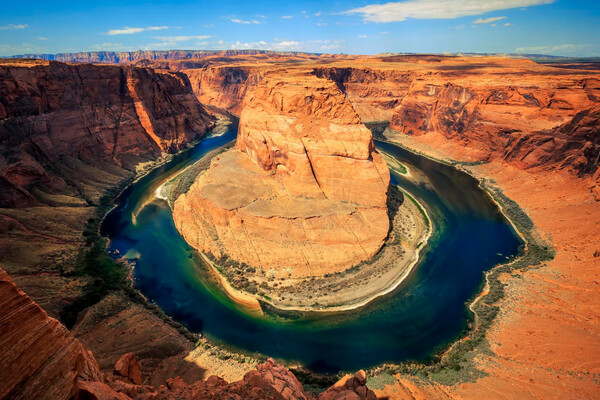
미국 내무부(Department of the Interior)는 ‘2027~2028년 운영지침(2027-2028 Operating Guidelines)’과 ‘포스트-2026 콜로라도강 운영 최종 환경영향평가서(Post-2026 Colorado River Operations Final EIS)’에 대한 의사결정기록을 발표했다고 밝혔다. [사진출처(Photo Source) = Magnific]
미국 내무부(Department of the Interior)는 ‘2027~2028년 운영지침(2027-2028 Operating Guidelines)’과 ‘포스트-2026 콜로라도강 운영 최종 환경영향평가서(Post-2026 Colorado River Operations Final EIS)’에 대한 의사결정기록을 발표했다고 밝혔다.
이번 결정은 파월호(Lake Powell)와 미드호(Lake Mead)의 향후 운영지침을 마련하는 데 활용될 폭넓은 운영 범위를 포함한 10년간의 의사결정 프레임워크(Decision Framework)를 확립한다.
내무부는 두 결정이 콜로라도강(Colorado River) 수계의 안정적인 운영과 필수적인 물공급을 지원하고 주요 연방 기반시설을 보호하는 동시에 유역 주들의 자발적인 조치와 합의에 따른 권고, 장기간 이어지고 있는 가뭄에 대응할 수 있는 유연성을 유지한다고 설명했다.
현재 파월호와 미드호의 합계 저수량은 1963년 글렌캐니언댐(Glen Canyon Dam)의 수문을 폐쇄한 뒤 파월호에 물을 채우기 시작한 이후 가장 낮은 수준이다. 파월호와 미드호 모두 최근 몇 주 사이 사상 최저치를 기록했다.
더그 버검(Doug Burgum) 미국 내무부 장관은 “2027~2028년 운영지침 마련에 필요한 의견과 자발적인 합의를 제공한 7개 유역 주와 30개 유역 부족, 멕시코 및 많은 유역 이해관계자들에게 감사한다”며 “4천만 명의 주민과 수백만 에이커의 농경지와 목장, 미국 서부를 움직이는 산업, 미국에서 가장 빠르게 성장하는 일부 대도시 지역이 콜로라도강에 의존하고 있다”고 말했다.
2027~2028년 운영지침은 수문학적 조건에 대응하고 글렌캐니언댐과 후버댐(Hoover Dam)의 주요 기반시설을 보호하기 위한 유연한 수단을 제공한다. 지침은 7개 유역 주와의 광범위한 협의를 거쳐 마련됐으며 상류 유역과 하류 유역, 유역 부족이 제안한 개념을 반영했다.
2027~2028년 운영지침에 따르면 파월호 방류량은 실제 수문 상황을 기준으로 결정하며, 글렌캐니언댐의 지속적인 운영 안정성을 지원하기 위해 수위를 최소 약 1천70m 이상으로 유지한다.
또 향후 2년 동안 매년 하류 유역 주에 공급하는 콜로라도강 용수량을 약 15억4천185만㎥ 줄인다. 하류 유역 주들이 제안한 분담 합의를 이행할 경우 주별 감축량은 애리조나주(Arizona) 약 9억3천745만㎥, 캘리포니아주(California) 약 5억4천273만㎥, 네바다주(Nevada) 약 6천167만㎥다.
하류 유역 주들은 이와 별도로 2년 동안 최소 약 8억6천344만㎥의 물을 자발적으로 절약해 저장함으로써 수계를 보호하도록 했다.
상류 유역 주들은 하류 유역 주 및 유역 부족과 협의해 내무부 장관의 권한을 활용해 콜로라도강 저장사업(Colorado River Storage Project)의 상류 초기 시설인 콜로라도주의 애스피널(Aspinall), 유타·와이오밍주의 플라밍고지(Flaming Gorge), 콜로라도·뉴멕시코주의 나바호(Navajo) 저수지를 운영하고 글렌캐니언댐 기반시설 보호를 지원하기 위한 합의를 체결할 수 있다. 또한 물이용자가 물을 저장할 수 있도록 해 하류 유역이 가뭄 상황에 대응할 수 있는 수단과 유연성을 제공한다.
부족에 대한 확정 물공급 의무를 이행하고 부족에 미치는 영향을 제한적으로 상쇄할 수 있도록 연방정부가 관리하는 물량도 마련한다.
이와 함께 기반시설의 운영 위험을 최소화하고 콜로라도강에 의존하는 도시·농업·자연 시스템의 위험을 관리하기 위해 추가 조치가 필요한지를 판단할 수 있도록 협의와 조정을 개시하는 수위 기준도 설정했다.
국토개발국(Bureau of Reclamation)은 이날 새로운 지침에 따라 2027년 운영을 결정하는 ‘2026년 8월 24개월 연구(August 2026 24-Month Study)’도 발표했다.
파월호는 10월 1일 시작되는 수문연도를 수위 약 1천79~1천70m에서 시작하게 된다. 이에 따라 운영은 ‘저수위 기반시설 보호 범위(Lower Elevation Infrastructure Protection Range)’에 들어가며, 예상 수문연도 방류량은 약 74억89만~86억3천437만㎥다.
국토개발국은 파월호 수위를 약 1천70m 이상으로 유지하기 위해 수문연도 초기에 약 74억89만~86억3천437만㎥ 범위의 낮은 수준으로 방류를 시작하고, 4월까지 수위를 약 1천70m 이상 유지하도록 방류량을 조정할 예정이다. 2027 수문연도의 최종 방류량은 4월 결정된다.
미드호의 경우 2027년 하류 유역 주에 공급하는 물의 양을 약 15억4천185만㎥ 감축한다.
의사결정 프레임워크는 10년 동안 구체적인 운영지침을 마련할 수 있도록 유연성을 제공하는 운영 범위를 설정한다. 동시에 콜로라도강 유역 협상을 계속할 수 있는 여지를 두고, 협상이 성공할 경우 3~4년 차 또는 그 이후의 운영지침에 합의 내용을 반영할 수 있도록 했다.
운영 요소에는 저수지 간 조정 운영 강화와 수계 저수지에 절약한 물을 저장·공급할 수 있는 기회 확대, 그 밖의 유연한 물관리 수단이 포함된다. 의사결정 프레임워크는 합의에 따른 협정과 자발적인 조치, 적용 기간 전반에 걸친 조정·협의에 대한 약속을 우선한다.
의사결정 프레임워크는 운영지침을 2년 단위로 마련하는 것을 전제로 하며, 유역 상황 변화에 따라 기간을 늘릴 수 있다. 이를 통해 유역 주와 부족, 이해관계자들이 자발적인 조치나 합의가 이뤄질 때마다 운영 매개변수를 조정할 수 있도록 했다.
앤드리아 트래브니첵(Andrea Travnicek) 미국 내무부 수자원·과학 담당 차관보는 “이번 결정은 유역 이해관계자들이 장기간 이어진 가뭄에 대응할 수 있도록 유연한 수단과 자발적인 조치를 반영한 물관리 전략을 제공하는 동시에 합의에 따른 협정을 위한 여지를 남긴다”며 “내무부와 국토개발국은 유역 전체에서 기반시설 현대화와 물절약 프로그램 개발, 변화하는 조건에서 물을 공급하기 위한 혁신적 접근방식을 모색하는 노력을 극대화할 수 있도록 모든 유역 이해관계자들과 계속 협력할 것”이라고 말했다.
현 행정부는 주민들에게 물을 공급하는 것을 높은 우선순위로 두고 있다. 행정부는 물저장과 공급, 처리, 물이용 효율 개선에 대한 투자를 통해 콜로라도강 유역의 물공급을 개선·강화하겠다는 방침을 보여왔다. 특히 하류 유역에는 2025년 1월 이후 30억달러(약 4조1천593억 원) 이상이 투자됐다.
2026년 4월 내무부 장관은 물부족 시기에 콜로라도강 유역 전역에서 추진할 수 있는 잠재적인 물공급·절약 사업에 대해 7개 유역 주에 의견을 요청했다.
행정부는 제출된 내용을 계속 검토하고 있으며, 물저장시설의 확대·최적화, 담수화와 고도수처리, 물이동·교환 및 기반시설과 관련해 근로가정 감세(Working Families Tax Cuts) 자금과 그 밖의 연방 비용분담 프로그램을 활용할 수 있는 기회를 파악하기 위해 유역 주 및 유역 부족과 협력할 예정이다.
미국 「국가환경정책법(NEPA)」에 따른 절차는 2023년 6월 시작됐다. 지난 3년 동안 내무부와 국토개발국은 유역 이해관계자들과 광범위하게 협의했으며, 이 과정에서 제시된 의견은 최종 환경영향평가서에서 분석한 대안과 향후 운영지침의 기준이 되는 의사결정 프레임워크를 선호대안(Preferred Alternative)으로 제시한 내용에 반영됐다. 해당 최종 환경영향평가서는 2026년 7월 31일 공개됐다.
이번에 발표된 2027~2028년 운영지침과 의사결정기록에도 유역 이해관계자들이 제시한 광범위한 의견이 추가로 반영됐다. 최종 환경영향평가서와 의사결정기록, 2027~2028년 운영지침은 국토개발국 웹사이트에서 확인할 수 있다.
콜로라도강 유역은 지난 26년 동안 전례 없는 다년간의 가뭄을 겪으며 유출량과 저수지 수위가 역사적으로 낮은 수준을 보이고 있다. 2026년에는 상황이 더욱 악화됐으며, 이는 2025~2026년 겨울 관측 사상 가장 적은 적설량의 영향을 일부 받았다.
지난주 미드호 수위는 사상 최저치를 기록했다. 내무부는 이를 두고 콜로라도강 유역 전반에서 빠르게 변화하는 상황에 대응할 수 있는 유연한 운영의 필요성을 보여준다고 설명했다.
멕시코에 대한 물공급 문제를 다루는 별도의 양국 간 절차도 마무리 단계에 있다. 내무부는 멕시코와 지속적으로 협력할 방침이다.
내무부는 국무부(Department of State)와 협의하고 국제경계수위원회(International Boundary and Water Commission)를 통해 포스트-2026 운영과 1944년 미·멕시코 수자원 조약(1944 Water Treaty with Mexico) 이행에 필요한 모든 적절한 논의를 진행할 예정이다.
[원문보기]
Interior Department Finalizes Plans for 2027-2028 Colorado River Operations
Secretary Burgum signs 2027-2028 Operating Guidelines and Record of Decision
WASHINGTON — The Department of the Interior issued the 2027-2028 Operating Guidelines and the Record of Decision for the Post-2026 Colorado River Operations Final EIS, establishing a 10-year Decision Framework with a broad operational range that will be used to develop future operational guidelines for Lake Powell and Lake Mead.
Together these decisions provide for reliable operations of the Colorado River system, delivery of vital water supplies, and protect critical federal infrastructure while preserving the flexibility necessary to respond to Basin states’ voluntary actions, consensus recommendations and the continued prolonged drought.
The combined contents of Lake Powell and Lake Mead have not been this low since before Lake Powell began filling following the closure of the gates at Glen Canyon Dam in 1963, with both Lake Powell and Lake Mead hitting record lows the last few weeks.
"We are grateful for the Seven Basin States, the thirty Basin Tribes, Mexico, and many other basin stakeholders who have provided the feedback and voluntary arrangements necessary for the development of the 2027-2028 Operating Guidelines.” said Secretary of the Interior Doug Burgum.
“Forty million people, millions of acres of farmland and ranchland, industries that power the American West, and some of our nation’s fastest growing metropolitan areas depend on the Colorado River."
The 2027-2028 Operating Guidelines respond to hydrologic conditions and provide flexible tools to protect critical infrastructure at Glen Canyon Dam and Hoover Dam. They were developed after extensive engagement with the seven Basin States and incorporate concepts from proposals from both the Upper and Lower Basins and Basin tribes.
These 2027-2028 Operating Guidelines:
• Provide objective criteria to determine releases from Lake Powell based on actual hydrology and maintaining a minimum elevation of 3,510 feet to support continued operational reliability at Glen Canyon Dam.
• Provides for reductions in deliveries of Colorado River water among the Lower Basin States of 1.25 million acre-feet in each year of the next two years. If the Lower Basin States implement their proposed sharing agreement, the reduction per State would be:
Arizona: 760,000 acre-feet
California: 440,000 acre-feet
Nevada: 50,000 acre-feet
• Provide for Lower Basin States to voluntarily conserve and store at least 700,000 acre-feet of water over the two-year period to protect the system, in addition to the 1.25 million acre-feet per year of reductions.
• Provide for the Upper Basin States to enter into an agreement, in consultation with Lower Basin States and Basin tribes, using the Secretary's authorities to operate the Colorado River Storage Project Upper Initial Units (i.e. Aspinall (CO), Flaming Gorge (UT/WY) and Navajo (CO/NM) Reservoirs) to help protect Glen Canyon Dam infrastructure.
• Provide tools and flexibility in the Lower Basin to respond to drought conditions by allowing water users to store water.
• Provides for a Federally managed pool to help meet tribal firming obligations and provide limited offsetting to reduce tribal impacts.
• Provide elevation triggers for coordination and consultations to determine additional actions, if necessary, to minimize operational risks to infrastructure, and manage risks to the urban, agricultural, and natural systems that rely on the Colorado River.
Reclamation also released today the August 2026 24-Month Study, determining the 2027 operations based on the new guidelines. Lake Powell will begin the October 1 water year between elevations 3,540 and 3,510 feet, placing operations in the Lower Elevation Infrastructure Protection Range with an expected water year release between 6.0 and 7.0 million acre-feet.
Reclamation will begin the water year with lower releases between 6.0 and 7.0 million acre-feet in order to attempt to maintain an elevation of 3,510 feet or higher and will adjust releases through April to continue to maintain elevation 3,510 feet.
The water year 2027 release volume will be determined in April. For Lake Mead, water deliveries to the Lower Basin States will be reduced by 1.25 million-acre feet for calendar year 2027.
The Decision Framework establishes an operational range that provides the flexibility to develop specific operating guidelines within the 10-year period while preserving the opportunity for Colorado River Basin negotiations to continue and, if successful, be incorporated into years three or four or longer for future operational guidelines.
Operational elements include enhanced coordinated reservoir operations and expanded opportunities for the storage and delivery of conserved water in system reservoirs and other flexible water management tools. The Decision Framework prioritizes consensus agreements, voluntary actions, and a commitment to coordination and consultation throughout the period of adoption.
The Decision Framework anticipates operating guidelines in two-year periods and can be scaled longer depending on evolving Basin circumstances. This mechanism leaves room for the Basin States, tribes and stakeholders to adjust these parameters with their own voluntary actions and consensus whenever such agreements are reached.
“These decisions provide a water management strategy for Basin stakeholders to respond to the prolonged drought by incorporating flexible tools and voluntary actions while leaving room for consensus agreements,” said Assistant Secretary — Water and Science Andrea Travnicek.
“The Department and Reclamation will continue to work with all Basin stakeholders to identify areas to maximize efforts throughout the Basin to modernize infrastructure, develop conservation programs, and identify innovative approaches to deliver water under changing conditions”.
Since the beginning of the Trump administration, President Trump has made delivering water to people a high priority. The administration has demonstrated a commitment to improving and enhancing water supply within the Colorado River Basin through investments in water storage, distribution, treatment, and improving water efficiency. Specifically in the Lower Basin investments over $3 billion have been made since January 2025.
In April 2026, the Secretary asked for feedback from the seven Basin States on potential water supply and conservation projects throughout the Colorado River Basin during a time of shortage.
The administration continues to review the submittals and will work with the Basin States and Basin Tribes to identify opportunities to use available Working Families Tax Cuts funds, and other federal cost-share programs related to water storage and expansion and optimization; desalination and advanced water treatment; and water movement, exchanges and infrastructure.
[출처 = 미국 국토개발국(Bureau of Reclamation)(https://www.usbr.gov/newsroom/news-release/5392) / 2026년 8월 21일]
|  즐겨찾기 추가
 시작페이지로 설정
























