[영국] 영국 환경청, 잉글랜드 하천·호수 수질평가 결과 공개
지표수 14.3% ‘생태학적 양호’…개별 생태지표 82%는 ‘양호·매우 양호’
지하수 양호 비율 37%→41%…지표수역 4천658곳 전수평가
2030년까지 수질환경 개선에 221억파운드 투입…현장점검·단속 확대
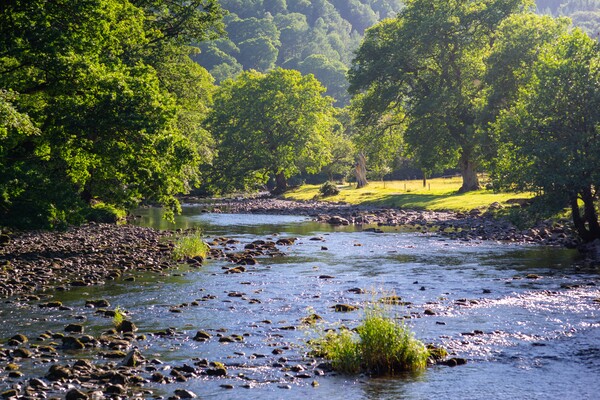
영국 환경청(Environment Agency)은 잉글랜드의 하천과 호수, 하구, 지하수의 건강 상태를 보여주는 최신 물환경규정(Water Environment Regulations, WFDR) 분류자료를 8월 6일 공개했다. [사진출처(Photo Source) = unsplash]
영국 환경청(Environment Agency)은 잉글랜드의 하천과 호수, 하구, 지하수의 건강 상태를 보여주는 최신 물환경규정(Water Environment Regulations, WFDR) 분류자료를 8월 6일 공개했다.
이번 자료는 수도사업자와 농업인, 관계기관이 수환경의 상태가 양호한 지역과 추가적인 개선 조치가 필요한 지역을 파악할 수 있도록 마련됐다.
평가 결과 잉글랜드 지표수의 14.3%가 물환경규정에서 정한 생태학적 양호 상태를 달성한 것으로 나타났다. 물환경규정은 유럽연합(EU)에서 유지된 법률로, 유럽의 하천과 호수, 하구, 지하수의 건강 상태를 평가한다.
조사대상은 지표수역 4천658곳으로, 야생생물과 수질, 물리적 서식지 등을 포괄하는 다양한 기준이 적용됐다. 2019년 조사에서는 지표수의 16.3%가 생태학적 양호 상태를 기록했다. 다만 이번 평가에서는 분석방법을 개선하고 더 광범위한 모니터링 자료를 활용했으며, 문제가 있을 것으로 의심되는 지역을 중심으로 조사해 두 결과를 직접 비교하기 어렵다.
새로운 평가방식과 함께 단일 평가요소가 기준을 충족하지 못하면 해당 수역 전체가 기준 미달로 분류되는 ‘하나라도 미달이면 전체 미달(one-out, all-out)’ 원칙도 적용됐다. 이에 따라 실제 수질이 악화하지 않았더라도 일부 수역의 전체 등급이 2019년보다 낮아진 것으로 나타났다. 반면 개별 생태지표의 82%는 양호 또는 매우 양호 상태를 기록했다. 전체 등급에 변화가 없더라도 많은 수로의 근본적인 건강 상태는 긍정적인 수준인 것으로 분석됐다.
앨런 러벨(Alan Lovell) 환경청 의장은 “최신 물환경 분류자료는 수역이 개선되고 있는 곳과 추가 조치가 필요한 곳을 파악하는 데 도움이 된다”며 “이번 결과는 여전히 지나치게 많은 수역이 우리가 원하는 기준을 달성하지 못하고 있다는 사실을 보여준다”고 말했다. 이어 “더 빠른 개선을 바라는 국민의 기대에 공감하고 있다”며 “개선된 자료와 강화된 권한, 역대 최대 규모의 단속인력을 바탕으로 법 집행 업무를 혁신하고 있다”고 밝혔다. 또 “현재는 이전 어느 때보다 수환경에 대해 많은 정보를 확보하고 있으며, 갱신된 분류자료는 이러한 정보의 중요한 일부”라면서 “모든 근거자료를 활용해 수도사업자와 농업인, 기업, 지방의회가 지속적인 개선 조치에 나서도록 하고 있다”고 말했다.
하천을 비롯한 수역의 수질에는 하수 유출과 농업계 영양물질, 도시·교통 부문의 지표면 유출수 등 다양한 요인이 영향을 미친다. 지표면 유출수에는 쓰레기와 휘발유, 정원용 살충제 등이 포함될 수 있다.
영국 정부는 「수도법 특별조치법(Water Special Measures Act)」을 통해 수도사업자에 대한 처벌을 강화하고 규제기관이 보다 신속하고 효과적으로 대응할 수 있도록 새로운 권한을 도입했다. 최근 요금검토 기간에는 2030년까지 수도사업자의 환경개선 사업에 역대 최대 규모인 221억 파운드(약 42조3천400억 원)의 투자가 확정됐다. 이는 지난 5년간 투자액의 3배가 넘는 규모다.
전체 등급에서 양호 상태를 달성하지 못한 수역 가운데 약 3분의 1은 단 하나의 평가요소가 기준에 미달해 전체 등급이 낮아졌다. 포스강(River Foss)은 인산염 항목에서 보통 등급을 받은 것을 제외하면 모든 생태지표에서 양호 등급을 기록했다. 그러나 인산염 평가로 인해 전체 생태학적 상태는 보통으로 분류됐다. 어류와 식물, 무척추동물에는 건강한 환경을 제공하는 것으로 평가돼 분류기준의 엄격성을 보여준다.
이처럼 엄격한 기준으로 인해 현재 물환경규정의 목표 달성을 향해 나아가고 있는 유럽연합 국가는 없는 것으로 나타났다. 비교 가능한 국가의 생태학적 양호 상태 비율은 독일 8%, 네덜란드 1%다.
2025년 자료를 보면 잉글랜드 지표수 가운데 65.4%는 보통 등급으로, 2019년의 63%보다 높아졌다. 불량 등급은 17%, 매우 불량 등급은 3.1%, 매우 양호 등급은 0.1%로 집계됐다. 암모니아 농도는 평가대상의 92.9%에서 양호 이상의 상태를 기록했다.
지하수의 양호 상태 비율은 41%로, 2019년의 37%보다 소폭 상승했다. 모든 지표수는 화학적 상태 평가에서 여전히 기준을 통과하지 못했다. 주로 환경에 축적된 뒤 소멸하는 데 수십 년이 걸리는 잔류성 오염물질의 영향에 따른 것이다.
이번 자료는 앞으로 수도사업자와 농업인, 지역사회와의 협력을 통해 투자 및 단속 대상을 선정하고 하천과 호수, 지하수의 실질적인 개선을 추진하는 데 활용된다.
로치강(River Roch)의 인산염 등급은 2019년 '불량'에서 2025년 '양호'로 개선됐다. 맨체스터 운하(Manchester Ship Canal) 상류의 하수처리시설이 방류수에서 더 많은 인산염을 제거하도록 한 유역 허가제도가 시행된 데 따른 결과다. 이러한 접근방식은 맨체스터 운하의 수질 악화를 되돌리고 연결된 다른 하천의 개선으로도 이어졌다. 근거에 기반한 표적형 조치가 수질을 개선할 수 있음을 보여주는 사례다.
규정 준수 점검과 법 집행 활동도 크게 확대됐다. 수도사업자 시설에 대한 현장점검은 역대 최대인 1만 건 실시됐으며, 법률 위반에 대한 형사수사도 늘었다. 농장 점검은 현재 연간 4천 건에서 향후 3년간 최대 6천 건으로 확대될 예정이다.
2015년 이후 상하수도사업자를 상대로 마무리된 기소절차는 70건이 넘으며, 이를 통해 총 1억5천800만 파운드(약 3천27억 원) 이상의 벌금이 부과됐다. 지표수역은 수생생물과 수온, 산소농도, 강둑을 비롯한 물리적 서식지의 건강 상태 등을 기준으로 매우 양호, 양호, 보통, 불량, 매우 불량 등급으로 분류된다. 잔류성 화학물질과 미세플라스틱 등을 평가하는 화학적 상태는 통과 또는 미통과로 구분된다.
잉글랜드의 지하수역 272곳은 수량과 오염 수준을 기준으로 양호 또는 불량 등급을 받는다. 분류자료는 6년마다 갱신되며, 이전 자료는 2019년 공개됐다. 이번 자료의 조사기간은 2019년부터 2025년까지다.
[원문보기]
New data to drive action to improve England's rivers and lakes
EA publishes latest data, providing detail on the health of England's rivers, lakes, estuaries and groundwater.
The Environment Agency has today (6 August) published the latest Water Environment (Water Framework Directive) Regulations (WFDR) classifications, providing information to water companies, farmers and stakeholders to see clearly where the water environment is performing well and where further action is needed.
Today’s data shows that 14.3% of England’s surface waters achieved good ecological status, meeting the standards set out under the Water Framework Directive Regulations (WFDR), retained EU legislation which assesses the health of Europe’s rivers, lakes, estuaries and groundwater. All 4,658 surface water bodies were assessed against a range of standards covering wildlife, water quality and physical habitat.
In recent years the Environment Agency has increased its workforce, leading to record numbers of inspections, better data and stronger powers, supporting more investment and better regulation of rivers, lakes and coastal waters.
While the figure reported in 2019 was 16.3%, the two datasets are not directly comparable because this time around, the EA has updated analytical methods, using a wider set of monitoring data and focusing on places it suspected it would find problems. This resulted in the overall figure of 14.3%.
This updated approach coupled with the classification system’s “one-out, all-out” rule where a single failing element can cause an entire water body to fail overall status, means some water bodies now show a lower status than in 2019, even where there isn’t necessarily a genuine decline in water quality.
The underlying data shows 82% of individual ecological indicators are now Good or High demonstrating the underlying health of many waterways is encouraging even where overall classifications haven’t shifted.
Chair of the Environment Agency Alan Lovell said:
The latest Water Environment (WFD) Classification help us understand where water bodies are improving and where further action is needed. The results show that too many water bodies are still not achieving the standards we want to see.
We share the public’s ambition for faster progress which is why we are transforming our enforcement work with better data, stronger powers and our largest ever enforcement workforce.
We now know more about the water environment than ever before, and the updated classifications are an important part of this picture. We are using all our evidence to direct sustained improvement action from water companies, farmers, businesses and councils.
Many factors can affect the quality of rivers and other bodies of water – from sewage spills and agricultural nutrients to urban and transport surface water run-off, which can include litter, petrol and garden pesticides.
The government has introduced stronger powers through the Water (Special Measures) Act, including tougher penalties on water companies and new measures to ensure regulators can act more quickly and effectively. The latest price review period secured a record £22.1 billion for water company environmental improvements by 2030, more than trebling the investment over the past 5 years.
The classification system’s “one-out, all-out” rule means that a single failing element can cause an entire water body to fail overall status. Around a third of water bodies that failed to achieve good status did so because of just one element.
For example, the River Foss scores Good on every ecological indicator except phosphate, where it scores Moderate, bringing down the ecological status classification to Moderate. This means the river has been reported as a healthy environment for fish, plants and invertebrates. It illustrates just how stringent these standards are.
These strict requirements mean no EU country is currently on track to meet WFDR objectives, with comparable countries recording far lower rates of good ecological status, including 8% in Germany and 1% in the Netherlands.
The 2025 dataset also shows:
65.4% are moderate (63% in 2019), 17% are poor, 3.1% are bad and 0.1% are high.
Ammonia levels at good or better status in 92.9% of cases.
Groundwater results are slightly higher than in 2019, with 41% achieving good status, compared to 37% in 2019.
All surface waters continue to fail chemical status, largely due to persistent pollutants that accumulate in the environment and take decades to deplete.
The Environment Agency will use this data to work with water companies, farmers and communities identify to target investment and enforcement to deliver real improvements for rivers, lakes and groundwater.
For example, phosphate levels in the River Roch improved from poor in 2019 to good in 2025, following a catchment permit that required sewage treatment works upstream of the Manchester Ship Canal to remove more phosphate from their discharge.
The approach has reversed deterioration in the Manchester Ship Canal and led to improvements in other connected rivers as well, demonstrating how targeted, evidence-based action can improve water quality.
The Environment Agency has significantly stepped up compliance and enforcement activity, carrying out a record 10,000 inspections of water company sites and increasing criminal investigations into breaches.
The EA is also set to further increase farm inspections from 4000 up to 6000 annually over the next 3 years. Since 2015 we’ve concluded over 70 prosecutions against water and sewerage companies, securing fines of over £158 million.
[출처 = 영국 정부(UK GOV)(https://www.gov.uk/government/news/new-data-to-drive-action-to-improve-englands-rivers-and-lakes) / 2026년 8월 6일]
|  즐겨찾기 추가
 시작페이지로 설정
























