[미국] NGWA, 데이터센터 냉각 위해 지하수 활용 가능성 제시
지하수 열에너지 저장 기술로 계절별 에너지 재활용
지하수 활용, 기술보다 제도·경제적 장벽이 더 큰 걸림돌
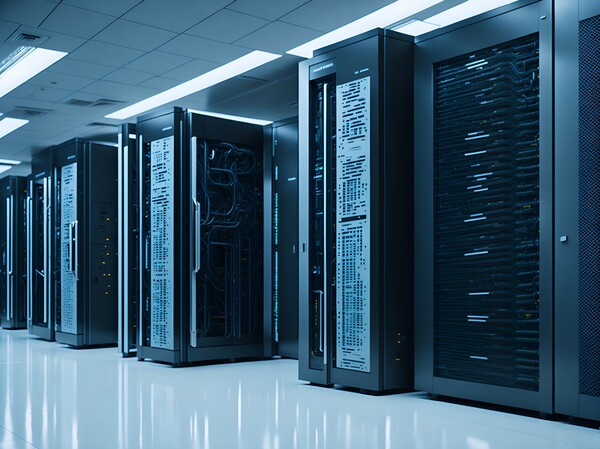
인공지능(AI)과 클라우드 컴퓨팅으로 인해 전력 수요가 전례 없이 급증하는 가운데, 미국 지하수 협회(National Ground Water Association, NGWA)의 학술지 『그라운드워터(Groundwater®)』에 발표된 새로운 연구는 데이터센터 냉각을 위한 해결책으로 지하수를 제시하고 있다. [사진출처(Photo Source) = Pixabay]
인공지능(AI)과 클라우드 컴퓨팅으로 인해 전력 수요가 전례 없이 급증하는 가운데, 미국 지하수 협회(National Ground Water Association, NGWA)의 학술지 『그라운드워터(Groundwater®)』에 발표된 새로운 연구는 데이터센터 냉각을 위한 해결책으로 지하수를 제시하고 있다.
이번 연구의 제목은 '지하수 열에너지 저장: 미국 내 효율적인 데이터 센터 냉각을 위한 지하수 활용'이며, 일리노이 대학교 어바나-샴페인 캠퍼스(University of Illinois Urbana-Champaign) 산하의 프레리 연구소(Prairie Research Institute) 및 일리노이 주립 지질 조사소(Illinois State Geological Survey) 소속 연구원인 우파사나 판데이(Upasana Pandey), 앤드루 스텀프(Andrew J. Stumpf), 위펑 포레스트 린(Yu-Feng Forrest Lin)이 공동 저술했다.
데이터센터는 이미 막대한 전력을 소비하고 있으며, 설계에 따라 그 전력의 10%에서 40%가 냉각에만 사용된다. 냉각 시스템은 상당량의 물을 증발시켜 영구적으로 손실시키는 방식으로 작동한다.
이번 연구는 이러한 문제를 해결하기 위한 대안으로 지하수 열에너지 저장(ATES) 기술을 제안한다. 지하수를 지하 파이프를 통해 데이터센터로 끌어올려 열교환기를 통해 열을 흡수한 후 다시 지하에 저장해 재사용하는 방식이다. 여름철의 잉여 열은 겨울철 사용을 위해 지하에 저장하고, 겨울에 저장된 차가운 지하수는 다음 해 여름, 같은 시설을 냉각하는 데 사용할 수 있다.
위펑 린(Yu-Feng Lin)은 "에너지에 관한 가장 눈에 띄는 논의는 거의 항상 양에 관란 것이다. 즉 발전소가 얼마나 많은 메가와트를 생산할 수 있는지, 또는 데이터센터에 얼마나 많은 전력이 필요한지에 초점을 맞추고 있다"고 말했다.
그는 이어 "그러나 그것은 동전의 한 면일 뿐이다. 완벽한 에너지 전략은 안정성과 효율성도 고려해야 하며, 바로 그 지점에서 지하수가 대부분 사람들이 간과하는 실질적인 이점을 제공한다"며 "지하수는 방대한 양, 놀라울 정도로 안정적인 온도, 흐르면서 열을 전달하는 능력을 갖추고 있어 에너지 수요 관리에 있어 우리가 가진 가장 활용되지 않은 자산 중 하나다"라고 설명했다.
저자들은 뚜렷한 계절별 온도 변화, 풍부한 대수층, 유리한 지하 지질 구조를 ATES(지하 열에너지 저장)에 적합한 지역의 핵심 요소로 꼽으며, 일리노이주와 같은 곳을 유용한 모델로 제시한다.
일리노이주는 여름철 32도에 달하는 고온에서 시설을 냉방하거나 겨울철 영하의 저온에서 난방하는 대신, ATES 시스템을 통해 거의 일정한 지하 온도를 활용해 온도 변화를 획기적으로 줄이고, 그에 따른 에너지 소비도 절감할 수 있다.
연구에서 중요한 점은 이러한 시스템이 식수를 필요로 하지 않다는 점이다. 해수보다 염도가 높은 심층 염수 대수층, 오염된 지하수, 물로 채워진 폐광산 등도 모두 활용 가능한 자원으로 제시하고 있다.
이 연구는 ATES 시스템 도입의 주요 장벽은 기술적 문제보다는 경제적, 제도적인 문제라고 결론짓는다. ATES 시스템은 초기 투자 비용은 높지만 장기적인 운영 비용은 더 낮으며, 필요한 시추 전문 기술은 이미 석유, 가스, 지하수 개발 산업에 상당 부분 존재한다.
연구는 이러한 특성들이 국가 에너지 계획에서 지하수의 중요성을 더욱 부각시키는 핵심 요소라고 지적한다. 풍력 발전을 제외한 거의 모든 발전 방식에는 물이 필요하며, 발전소 위치 선정은 물의 가용성에 따라 결정된다.
ATES 시스템은 지하수가 물사용량을 줄이는 데까지 기여함으로써 에너지 관리의 능동적인 요소가 될 수 있음을 보여준다. 이러한 패러다임의 전환은 '지하수 자원'의 개념을 재정의해 재생 가능한 열에너지 저장 및 열 조절, 특히 데이터센터 운영 및 기타 에너지 집약적인 AI 개발 분야에서 지하수의 역할을 포괄해야 함을 시사한다.
[원문보기]
NGWA Announces New Research Points to Groundwater as Tool for Cooling Data Centers
NGWA Announces New Research Points to Groundwater as Tool for Cooling Data Centers Groundwater® Issue Paper concludes that the main barriers to adoption are economic and institutional rather than technical
As artificial intelligence and cloud computing drive an unprecedented surge in electricity demand, a new study published in NGWA’s journal Groundwater® points to groundwater as a solution to data center cooling.
The Issue Paper, “Aquifer Thermal Energy Storage: Groundwater for Efficient Data Center Cooling in the United States,” was authored by Upasana Pandey, Andrew J. Stumpf and Yu-Feng Forrest Lin of the Illinois State Geological Survey and Prairie Research Institute at the University of Illinois Urbana-Champaign.
Data centers already consume enormous amounts of electricity, and depending on design, between 10 percent and 40 percent of that power goes toward cooling alone, much of it through systems that evaporate, and permanently lose, large volumes of water. The study proposes aquifer thermal energy storage, or ATES, as an alternative: groundwater is pumped through subsurface pipes to absorb heat from a data center via a heat exchanger, then returned underground, where it can be stored and reused. Excess summer heat can be banked underground for winter use, and cold groundwater stored in winter can help cool the same facility the following summer.
“The most visible conversation about energy is almost always about quantity, how many megawatts a plant can generate, or how much power a data center will need,” said co-author, Yu-Feng Lin.
“But that’s only one side of the coin. A complete energy strategy also has to account for stability and efficiency, and that’s where groundwater has real advantages most people overlook. Its enormous volume, its remarkably stable temperature, and its ability to carry heat as it flows make it one of the most underused assets we have for managing energy demand.”
The authors point to pronounced seasonal temperature swings, prolific aquifers, and favorable subsurface geology as key factors that make a region well-suited to ATES, with states like Illinois offering a useful model: rather than cooling a facility from a 90-degree summer high or heating it from a subzero winter low, an ATES system lets a facility draw on the earth’s near-constant underground temperature, cutting the swing dramatically and with it the energy needed to manage it.
Importantly, the study notes that these systems don’t require drinking water — deep saline aquifers, some saltier than seawater, along with contaminated groundwater and water-filled abandoned mines, are all viable sources.
The paper concludes that the main barriers to adoption are economic and institutional rather than technical: ATES systems carry higher upfront costs but lower long-term operating costs, and much of the drilling expertise needed already exists within the oil, gas, and water well industries.
The study identifies these properties as central to why groundwater deserves a bigger seat at the table in national energy planning. Nearly every form of power generation other than wind requires water, and the availability of that water routinely determines where power plants are sited.
The ATES systems demonstrate that groundwater could be an active component of energy management by even reducing water usage. As the paper concluded, “This paradigm shift warrants a redefinition of ‘groundwater resources’ to encompass their role in renewable thermal energy storage and thermal regulation, particularly in data center operations and other energy-intensive AI development.”
Click here to read the Issue Paper.
NGWA will host a members-only webinar, Data Centers and Groundwater: What NGWA Members Need to Know, on August 5. Click here to register.
The Association will also host Data Centers, Groundwater, and Sustainable Water Management Forum on December 7 in Las Vegas, Nevada. Click here to register.
Click here to read NGWA’s position paper and other resources on data centers and groundwater.
[출처 = 미국 지하수 협회(NGWA)(https://www.ngwa.org/publications-and-news/Newsroom/press-releases-2026/ngwa-announces-new-research-points-to-groundwater-as-tool-for-cooling-data-centers) / 2026년 8월 3일]
|  즐겨찾기 추가
 시작페이지로 설정
























