[국제] IWMI, 엘니뇨 예측 기반 선제 대응 지원 ‘ENSO 아웃룩’ 출시
AI로 엘니뇨 기후신호 분석해 국가별 농업·물관리 선제 대응 지원
2027년초까지 작물·가축 위협 전망…동·남아프리카에 가장 큰 피해 예상
보험·사회보호·원헬스 연계한 축산·수산업 피해 대비 강조
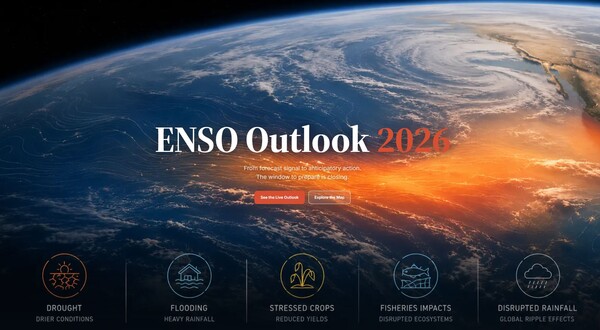
국제물관리연구소(International Water Management Institute, IWMI)는 지난 6월 18일 ‘2026 엘니뇨 웨비나(2026 El Niño Webinar)’에서 각국의 엘니뇨 대비를 지원하기 위한 ‘ENSO 아웃룩(ENSO Outlook)’을 출시했다. [사진출처(Photo Source) = IWMI]
국제물관리연구소(International Water Management Institute, IWMI)는 지난 6월 18일 ‘2026 엘니뇨 웨비나(2026 El Niño Webinar)’에서 각국의 엘니뇨 대비를 지원하기 위한 ‘ENSO 아웃룩(ENSO Outlook)’을 출시했다.
ENSO 아웃룩은 강수량과 토양수분, 식생 건강 등 다양한 엘니뇨 기후신호 자료를 통합하고 인공지능(AI)을 활용해 이러한 신호가 수자원과 농업, 식량시스템 및 생계에 미칠 영향을 예측한다. 전 세계부터 국가 단위에 이르는 자료를 제공해 각국 정부가 농업 서비스와 보험, 금융 등을 가동하기 위한 맞춤형 사전 조치를 취할 수 있도록 지원한다.
토드 로젠스톡(Todd Rosenstock) CGIAR 기후행동 프로그램 책임자는 “예측은 사람과 기관이 행동에 나서도록 돕지 못한다면 그 가치가 크지 않다”며 “CGIAR 기후행동 프로그램과 ENSO 아웃룩을 통해 각국과 협력기관이 계절예측을 식량시스템과 수자원, 취약지역사회를 보호하는 더 빠르고 나은 의사결정으로 전환하도록 지원하고 있다”고 말했다.
과학자들은 현재부터 2027년 초까지 엘니뇨로 인한 극심한 가뭄과 불규칙한 강우가 농작물과 가축을 위협할 것으로 전망하고 있다. 이에 따라 식량안보에 대한 우려도 커지고 있다.
동아프리카와 남아프리카는 지역에 따라 평년보다 적은 강우와 홍수, 극심한 폭염에 직면할 가능성이 있다. 이러한 현상은 분쟁과 높은 연료·비료 가격, 이전 기상충격으로부터의 더딘 회복 등 기존의 취약성과 맞물려 이들 지역에 가장 큰 피해를 줄 것으로 예상된다. 중남미와 카리브해 지역, 남아시아 및 동남아시아도 영향을 받을 가능성이 크다.
이는 심각하게 우려되는 상황이지만 현대 기후예측의 신뢰도가 높아지면서 엘니뇨로 인한 최악의 영향을 예방하기 위해 대응할 수 있는 기회도 마련되고 있다. 엘니뇨는 자연적으로 발생하는 엘니뇨·남방진동(El Niño–Southern Oscillation, ENSO) 기후현상의 온난 단계다.
엘니뇨가 강수에 미치는 영향은 잘 규명돼 있어 농작물 수확량과 가축, 수산업 및 식량안보에 미칠 가능성 있는 영향을 파악하는 데 활용할 수 있다. 여기에 지역사회의 기존 취약성에 관한 자료를 결합하면 효과적인 선제 대응의 기반을 마련하는 데 도움이 된다.
물이용 가능성은 식량안보를 뒷받침하는 만큼 단·중기 예측을 활용해 여러 차원에서 물공급 차질에 대비하는 것이 중요하다. 농민은 물을 많이 사용하는 벼 대신 물 사용량이 적은 옥수수나 조로 적기에 재배작물을 전환할 수 있다. 이는 극심한 가뭄기에 농작물의 고사와 생존을 가르는 차이가 될 수 있다.
이러한 현상을 사전에 파악하면 관계부처가 농작물 생산과 식품가격, 시장 변동성, 보건 등 여러 부문으로 파급되는 복합적인 영향에 대비할 수 있다.
기리라지 아마르나트(Giriraj Amarnath) IWMI 기후회복력 물데이터 연구그룹장 겸 수석연구원은 “엘니뇨는 단순한 기후 문제가 아니라 강수와 가뭄, 홍수, 고온 스트레스, 농작물 생산, 물이용 가능성, 식량안보와 취약지역의 생계에 영향을 미칠 수 있는 세계적인 위험 증폭 요인”이라고 경고했다.
식량안보 논의에서는 곡물이 주로 주목받지만 엘니뇨가 가축과 수산업, 양식업에 미칠 잠재적 영향도 간과해서는 안 된다. 축산물과 수산물 공급이 감소하면 빈곤가구의 영양 섭취와 소득이 가장 먼저 줄어드는 경우가 많지만, 이러한 손실은 대응계획에 충분히 반영되지 않는 경향이 있다.
소규모 어업은 전 세계 자연산 어획량의 약 40%를 생산하고 23억 명이 넘는 사람에게 영양분을 공급한다. 이와 관련한 보호수단 중 하나는 지구관측 자료를 보험금 청구 검증에 활용하는 위성 기반 가축·수산보험이다. 다만 가구가 보험료를 계속 납부할 수 있도록 사회보호제도를 병행해야 한다.
사람과 동물, 생태계의 건강을 균형 있게 최적화하는 것을 목표로 하는 ‘원헬스(One Health)’ 접근법을 적용하는 것도 유용하다. 극한기상이 동물의 면역력에 영향을 미칠 수 있는 만큼 가축의 질병을 감시하고 필요한 경우 예방접종 프로그램을 마련하는 방안이 포함될 수 있다.
애나 오켈로(Anna Okello) CGIAR 식량 프런티어·안보과학 프로그램(Food Frontiers and Security Science Program) 책임자는 “기후충격을 예측하는 능력은 갈수록 향상되고 있지만 진정한 과제는 이러한 예측이 사전에 합의된 조치로 이어지도록 하는 것”이라며 “여러 협력기관의 역할과 책임을 명확히 하고, 무엇보다 영향이 현실화하기 전에 필요한 재원을 확보해야 한다”고 말했다.
현재 발달 중인 엘니뇨로 큰 타격을 받을 것으로 예상되는 국가 가운데 상당수는 취약성이 매우 높고 위기가 빈번하게 발생하는 지역이다. 이러한 지역에서는 기후위험을 예측하는 것만으로 충분하지 않으며, 기상충격이 기존의 분쟁과 취약한 제도, 식량불안과 어떻게 상호작용하는지 파악해야 한다.
이처럼 어려운 여건에서는 기후·비기후 자료를 교차 분석해 우선 대응지역을 찾아내고, 정책결정자의 요구에 맞게 과학정보를 제공하며, 지역 차원의 신뢰를 구축하기 위한 협력관계에 투자해야 한다.
오스카르 오르티스(Oscar Ortiz) CGIAR 지속가능농업 프로그램(Sustainable Farming Program) 책임자는 “페루에서는 엘니뇨의 영향을 직접 겪고 있다”며 “과거와 달라진 점은 이제 실시간 과학정보를 활용해 현황을 직접 관측하고, 북반구와 남반구에 있는 여러 기관이 협력할 수 있게 됐다는 것”이라고 말했다.
전 세계가 발달 중인 엘니뇨에 대응하는 가운데 잠재적 영향을 파악하고 선제적으로 조치하는 것이 중요하다. IWMI의 ENSO 아웃룩은 각국이 기후예측을 조기 대응으로 전환하도록 돕고 식량·토지·물시스템에 관한 실질적인 의사결정을 지원함으로써 식량안보와 생계를 보호한다.
[원문보기]
IWMI launches ENSO Outlook to turn El Niño forecasts into anticipatory action
The reliability of modern climate predictions presents a window of opportunity in which to act to prevent the worst impacts from the phenomenon.
On June 18, the International Water Management Institute (IWMI) launched the ENSO Outlook tool at the 2026 El Niño Webinar, to support nations prepare for the coming El Niño challenges.
Capable of sophisticated analysis, the ENSO Outlook brings together data on a host of El Niño climate signals – from rainfall and soil moisture to vegetation health – and uses artificial intelligence to predict what those signals will mean for water resources, agriculture, food systems and livelihoods. It presents data on scales from global to national, enabling governments to take targeted preparatory actions to unlock farming services, insurance, finance and more.
"Forecasts have little value unless they help people and institutions take action. Through the CGIAR Climate Action Program and the ENSO Outlook, we are helping countries and partners turn seasonal forecasts into earlier, better decisions that protect food systems, water resources and vulnerable communities."
Todd Rosenstock, Director, CGIAR Climate Action Program
With scientists forecasting that El Niño will threaten crops and livestock through severe droughts and erratic rainfall from now until early 2027, concerns over food security are growing.
East and Southern Africa are likely to be hardest hit as they face below-average rains, flooding and extreme heat across different areas that could intersect with existing vulnerabilities — such as conflict, high fuel and fertilizer prices, and weak recovery from prior weather shocks. Also likely to be affected are Latin America and the Caribbean, and South and Southeast Asia.
While this is gravely worrying, the reliability of modern climate predictions presents a window of opportunity in which to act to prevent the worst impacts from the phenomenon – which is the warm phase of the naturally occurring El Niño–Southern Oscillation (ENSO) climate pattern.
El Niño’s well-established influence on rainfall can be used to understand likely impacts on crop yields, livestock, fisheries and food security. When combined with data on communities’ existing vulnerabilities this can help form the basis for effective anticipatory action.
Water availability underpins food security, so using short- and medium-range forecasts to prepare at multiple levels, for disruption to water supplies is vital. For farmers, this could look like making a timely switch from growing water-intensive rice to less thirsty maize or millet, and could be the difference between crop failure or survival during a period of extreme drought.
Being informed of such events in advance can ensure ministries are prepared for compound impacts that ripple across crop production, food prices, market volatility, health and more.
‘El Niño is not just a climate issue, it’s a global risk multiplier that can influence rainfall, drought, flood, heat stress, crop production, water availability, food security and livelihoods in vulnerable regions,’ warns Giriraj Amarnath, research group leader on Water Data for Climate Resilience and principal researcher on Disaster Risk Management and Climate Resilience at IWMI.
While cereals are often the focus of food security, the potential impacts of El Niño on livestock, fisheries and aquaculture must not be overlooked. Depleted animal and aquatic foods often result in the first cuts in nutrition and income for poor families but such losses tend to be undercounted in response planning. For example, small-scale fisheries generate roughly 40% of the world’s wild-caught fish and supply nutrients to over 2.3 billion people.
One protective tool in this regard is satellite-based livestock and fisheries insurance, where earth-observation data is used to help verify claims. However, this requires parallel social protection schemes to ensure households remain able to pay the premiums.
Applying a ‘One Health’ approach – which aims to balance and optimize the health of people, animals and ecosystems – is also valuable. With extreme weather potentially affecting animals’ immunity, this might involve monitoring livestock for disease and establishing vaccination programs where required.
"Whilst we’re increasingly effective at predicting climate shocks, the real challenge is ensuring these forecasts trigger what we determine as pre-agreed actions, where roles and responsibilities of the various partners are known and, importantly, funded before the impacts materialise."
Anna Okello, Director, CGIAR Food Frontiers and Security Science Program
Many countries expected to be hit hard by the evolving El Niño are highly fragile and are often crisis hotspots. For such locations, it is not enough to simply forecast climate risks, as understanding is needed of how weather shocks interact with existing conflict, weak institutions and food insecurity.
Such challenging contexts call for triangulating climate and non-climate datasets to pinpoint hotspots for action; tailoring science to respond to policymakers’ needs; and investing in partnerships to build trust at the local level.
"In Peru, we suffer first-hand El Niño effects. What is different now is that we have the possibility of monitoring firsthand using scientific information in real time, and working in a collaborative way across multiple organizations located in the North and the South."
Oscar Ortiz, Director, CGIAR Sustainable Farming Program
As the world grapples with an evolving El Niño, understanding the potential impacts and taking anticipatory action is critical. IWMI’s ENSO Outlook helps countries translate climate forecasts into early action, supporting practical decisions for food, land and water systems, protecting both food security and livelihoods.
[출처 = 국제물관리연구소(IWMI)(https://www.iwmi.org/news/iwmi-launches-enso-outlook-to-turn-el-nino-forecasts-into-anticipatory-action/) / 2026년 7월 22일]
|  즐겨찾기 추가
 시작페이지로 설정
























