[UN] UNEP, AI 활용해 미래전략·감축 조치
MARS 전면 가동 이후 전 세계서 액션 액션 40건 이상 턴
30개 이상 위성자료 분석…IMEO 데이터 처리량 12∼15배 향상
탄탄한 120만톤 미래 지향적 미래원 지원…석탄·폐기물 부문 확대
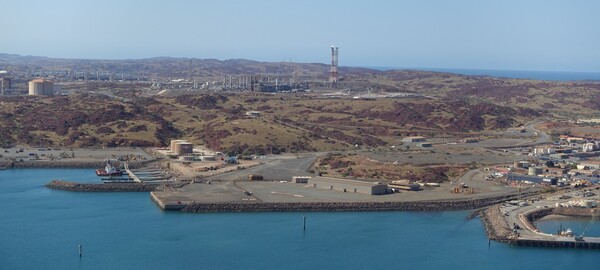
아이들환경계획(UNEP)은 지능(AI)을 활용해 소수의 재료를 다룰·가스 부분의 손잡이 부분으로 전환하고 있다고 7월 15일입니다. [사진출처(사진 출처) = UNEP Shakti Chakravarty at Pluto LNG]
아이들환경계획(UNEP)은 지능(AI)을 활용해 소수의 재료를 다룰·가스 부분의 손잡이 부분으로 전환하고 있다고 7월 15일입니다.
UNEP의 새로운 보고서에 그러한 노력은 기후발유를 위한 약 2천400만대가 연간 미래 지향적인 온실을 제거한 것과 맞먹는 군용 편익을 창출했다.
'기회의 조명: 인공지능이 매뉴팩처링을 가속화하는 방법(Spotlighting Opportunity: How Artificial Intelligence is Acceleration Methyl Action)' 보고서는 UNEP 산하 국제 매뉴팩처측측소(IMEO)가 숀경보·대응 시스템(MARS)을 통해 AI를 활용하는 방식을 다다.
MARS는 재능있는 매뉴턴 회원 자격을 갖추고 정부와 기업에 참여하는 기회를 신속하게 알리는 시스템입니다. 2024년 전면 가동된 이후 전 세계에서 40건에 걸쳐서 40건만 남았습니다.
30개의 축소된 위성이 양의 숀 미래자료를 생성하는 사람이 모두 처리하고 함께 협력하여 연결하는 데 어려움이 발생하고 있습니다. AI는 이러한 처리 과정을 크게 단축해 IMEO 분석이 모여서 엄밀성을 유지하면서 기존보다 12∼15배 데이터를 처리할 수 있도록 많은 지원을 합니다.
AI를 활용한 업무 프로세스는 전문가 검토에 따라 임시 확인된 매니지먼트 등록 참가자의 80∼85%를 확인했습니다. 이를 통해 Shanhan은 120만 톤을 미래 지향적인 목표로 삼고 미래를 원할 것입니다.
마틴 크라우스(Martin Krause) UNEP 기후변화국장은 “메탄은 시작에 불과하다”며 “이번 작업이 주는 실질적인 교훈은 AI가 폭발적으로 증가하는 환경자료를 실질적인 조치로 전환하는 데 도움을 줄 수 있다는 것”이라고 말했다. 이어 “과학적 전문성과 가볍고 에너지 효율적인 AI 도구를 결합하면 메탄 배출뿐만 아니라 광범위한 환경 문제에도 더욱 신속하게 대응할 수 있다”고 밝혔다.
UNEP의 접근 방식은 AI가 해결하고자 하는 환경문제에 대한 부담을 크게 늘리지 않으면서 기후행동을 지원할 수 있다는 점을 보여준다. 메탄 감시 모델은 적은 컴퓨팅 자원만을 사용하면서 감시 역량을 크게 높일 수 있도록 경량·에너지 효율형으로 설계됐다.
이번 연구 결과는 각국 정부와 기업이 글로벌 메탄 서약(Global Methane Pledge)과 유엔 사무총장의 메탄 행동 촉구(Call to Action on Methane)를 이행해야 한다는 압박을 받는 가운데 발표됐다. 유엔 사무총장은 신속한 탐지와 통보의 필요성을 강조하며 각국에 MARS를 통해 전달받은 메탄 경보의 80%에 대응할 것을 촉구했다.
메탄은 20년을 기준으로 이산화탄소(CO₂)보다 약 80배 강력한 온난화 효과를 일으키지만 대기 중에는 약 10년 동안만 머문다. 메탄은 주로 화석연료와 농업, 폐기물 부문에서 배출된다.
메탄 배출량을 줄이면 지구온난화 속도를 빠르게 늦추는 동시에 대기오염 감소와 작물 수확량 증대 등의 편익을 얻을 수 있다.
빠르게 증가하는 메탄 자료를 이러한 편익으로 이어지는 구체적인 조치로 전환하는 일은 여전히 주요 과제로 남아 있다. MARS는 30개 이상의 위성 관측장비에서 생성된 자료를 통합하고 AI 모델을 활용해 석유·가스 시설의 누출과 같은 메탄 배출을 환경 잡음과 구분한다.
현재 MARS는 석유·가스 이외의 부문으로 적용 범위를 확대하고 있으며, 여기에는 석탄과 폐기물 부문이 포함된다.
MARS는 2023년 이후 130만 건 이상의 위성 관측자료를 분석했다. 이를 통해 환경자료의 양이 빠르게 증가하는 상황에서 확장 가능한 메탄 감시 접근법을 마련했다.
이 과정에서도 인간의 전문성은 핵심적인 역할을 한다. AI가 식별한 모든 탐지 사례는 통보가 이뤄지기 전 IMEO 분석가의 독립적인 검토와 검증을 거친다. 이를 통해 관련 결정이 과학적 판단에 근거하도록 하고 있다.
UNEP는 주요 데이터세트와 코드를 공개해 연구자와 정부, 기타 기관이 UNEP의 경험을 토대로 메탄 감시 도구에 대한 접근성을 확대할 수 있도록 지원하고 있다.
마틴 크라우스 국장은 “새로운 위성 임무를 통해 전 세계에서 이용할 수 있는 메탄 자료의 양이 증가하면서 이제 과제는 배출을 찾아내는 것이 아니라 이를 행동으로 옮기는 것이 됐다”고 말했다. 그러면서 “UNEP의 경험은 AI가 이러한 간극을 메우고 대규모 메탄 배출을 더욱 신속하게 식별해 자료를 측정 가능한 배출 감축으로 전환하는 데 도움을 줄 수 있다는 점을 보여준다”고 강조했다.
[원문보기]
AI helping UN detect methane emissions and spark real reductions in climate-warming gas
Nairobi, 15 July 2026 - Artificial Intelligence (AI) is helping turn satellite observations into methane mitigation action in the oil and gas sector. These mitigation efforts have delivered a climate benefit comparable to removing the annual emissions of almost 24 million gasoline-powered passenger cars, according to a new report by the UN Environment Programme (UNEP).
The report, Spotlighting Opportunity: How Artificial Intelligence is Accelerating Methane Action, highlights how UNEP's International Methane Emissions Observatory (IMEO) is using AI, through its Methane Alert and Response System (MARS), to identify major methane emissions and rapidly notify governments and companies of opportunities to act. Since becoming fully operational in 2024, MARS has contributed to more than 40 methane mitigation actions worldwide.
With more than 30 satellites generating vast amounts of data on methane emissions, humans struggle to process this information and enable action at scale.AI dramatically speeds this process up, enabling IMEO analysts to process 12 to 15 times more data while maintaining scientific rigour. AI-assisted workflows identified 80–85 per cent of confirmed methane detections before expert review, helping to mitigate sources estimated to have emitted 1.2 million tonnes of methane.
"Methane is only the beginning," said Martin Krause, Director of UNEP's Climate Change Division. "The real lesson from this work is that AI can help convert the explosion of environmental data into practical action. By combining scientific expertise with lightweight and energy-efficient AI tools, we can respond faster not only to methane emissions, but to a wide range of environmental challenges."
UNEP's approach demonstrates that AI can support climate action without significantly increasing the environmental burden it seeks to address. The methane-monitoring models were specifically designed to be lightweight and energy efficient, requiring only modest computing resources while delivering substantial gains in monitoring capacity.
The findings come as governments and companies face growing pressure to deliver on the Global Methane Pledge and the UN Secretary-General's Call to Action on Methane. The Secretary-General has called on countries to respond to 80 per cent of methane alerts received through MARS, underscoring the need for timely detection and notification.
Methane is around 80 times more powerful than CO₂ over a 20-year period, yet it remains in the atmosphere for only about a decade. Cutting its emissions – which come mainly from the fossil fuel, agriculture, and waste sectors – can rapidly slow the rate of global warming and deliver other benefits such as reduced air pollution and stronger crop yields.
Turning the rapidly growing volume of methane data into targeted action that delivers these benefits remains a major challenge. MARS addresses this challenge by integrating data from more than 30 satellite instruments and using AI models to distinguish methane emissions, such as leaks from oil and gas facilities, from environmental noise. The system is currently expanding to additional sectors beyond oil and gas, including coal and waste.
Since 2023, the system has analysed over 1.3 million satellite observations. The result is a scalable approach to methane monitoring at a time when environmental data volumes are growing rapidly.
Human expertise remains central to the process. Every AI-flagged detection is independently reviewed and verified by IMEO analysts before a notification is issued, ensuring that decisions remain grounded in scientific judgement.
UNEP is also making key datasets and code openly available, helping researchers, governments, and other organizations to build on its experience and expand access to methane-monitoring tools.
“As new satellite missions increase the volume of methane data available worldwide, the challenge is no longer finding emissions but acting on them,” Krause said. “UNEP's experience shows how AI can help bridge that gap, enabling faster identification of major methane releases and helping convert data into measurable emissions reductions.”
[출처 = 쳐환경계획(UNEP) (https://www.unep.org/news-and-stories/press-release/ai-helping-un-Detect-mether-emissions-and-spark-real-reductions) / 2026년 7월 15일]
|  즐겨찾기 추가
 시작페이지로 설정
























