[미국] 버지니아공대, 반도체와 농업 간 물수요 균형 위한 AI 모델 개발
AI·반도체 수요 증가로 물사용량 급증… 물스트레스 높은 지역에 제조시설 집중
농업, 전체 담수의 70% 소비…반도체 산업과 물경쟁 심화
인과적 AI 모델, 미국 50개 주 분석…물가용성·작물 수요·반도체 산업 확장·지역 유역 간 인과관계 규명
농장과 제조 공장 중 선택이 아닌, 두 분야 동시에 지원하는 스마트 해법 모색
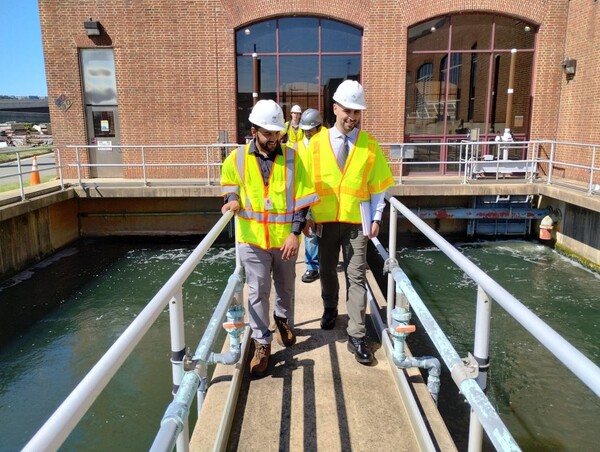
미국 전역에서 가뭄으로 인해 물공급이 부족해지는 상황에서, 버지니아 공과대학교(Virginia Tech) 연구진은 농업과 반도체 제조업 간의 심화되는 물경쟁을 효과적으로 관리할 수 있도록 정책 입안자들을 지원하는 인공지능(AI) 모델을 개발했다. [사진제공(Photo Source) = Virginia Tech]
미국 전역에서 가뭄으로 인해 물공급이 부족해지는 상황에서, 버지니아 공과대학교(Virginia Tech) 연구진은 농업과 반도체 제조업 간의 심화되는 물경쟁을 효과적으로 관리할 수 있도록 정책 입안자들을 지원하는 인공지능(AI) 모델을 개발했다.
생물시스템공학과 및 커먼웰스 사이버 이니셔티브 소속 부교수이자 이번 프로젝트의 책임 연구자인 페라스 바타르세(Feras Batarseh)는 최근 언어 학습 모델을 통한 AI 질의의 급증과 반도체 생산 수요 증가가 이미 물부족에 시달리는 미국 여러 지역의 물공급 시스템에 더 큰 압력을 가하고 있다고 강조했다.
이 모델을 구축하기 위해 A3 연구실 팀원인 박사과정생 로렌 핀커스(Lauren Pincus)와 연구원 댄 소비엔(Dan Sobien)은 미국 50개 주 전체의 반도체 시설, 관개 패턴, 물스트레스 지표를 분석했다. 이번 프로젝트는 농업과 반도체 제조업이 수자원을 두고 가장 직접적으로 경쟁하는 지역을 전국 규모에서 조사한 최초의 연구 중 하나다.
복잡한 물관리 시스템 위한 새로운 AI 모델
기존의 예측 모델과 달리, 연구팀이 개발한 인과적 AI 모델은 물가용성, 작물 수요, 반도체 산업 확장, 지역 유역 간의 인과관계를 식별한다. 예를 들어, 애리조나에 반도체 제조 공장을 추가할 경우 인근 주의 관개 능력에 어떤 영향을 미칠지, 혹은 중서부 지역에서 관개 효율을 개선하면 산업 성장에 필요한 물을 어떻게 확보할 수 있을지를 보여줄 수 있다.
바타르세 교수는 이러한 접근이 필수적이라고 강조했다. 미국의 물 관련 정책 결정은 독립적으로 이뤄지지 않기 때문이다. 그는 "주 단위의 물관리, 유역, 경제 지역, 연방 관할 구역 등 모든 요소가 서로 영향을 미친다"고 설명했다.
이 모델은 농업, 수문학, 기후, 산업 운영 데이터를 통합해 각 주에 최적화된 권장 사항을 제시한다. 이는 주 정부의 물관리 담당자부터 국가 반도체 제조 전략을 수립하는 연방 기관에 이르기까지 다양한 수준의 의사결정을 지원하도록 설계됐다.
물을 둘러싼 경쟁
반도체 제조는 실리콘 웨이퍼를 세척하고 냉각하기 위해 막대한 양의 초순수를 필요로 한다. 많은 시설은 결국 농업과 지역사회에 물을 공급하는 동일한 지표수와 지하수원을 끌어다 쓰는 지방 상수도 시스템에 의존하고 있다.
바타르세 교수는 "국내 제조업 육성이 국가적 우선순위이긴 하지만, 대부분의 반도체 제조 시설은 애리조나, 캘리포니아, 텍사스와 같이 매우 건조한 주에 위치해 있다"고 말했다.
한편, 농업은 여전히 미국에서 가장 많은 물을 사용하는 분야로, 전체 담수 취수량의 약 70%를 차지한다. 옥수수, 면화, 쌀, 콩과 같은 작물은 특히 가뭄에 취약한 지역에서 상당한 관개가 필요하다.
그는 "점적 관개나 스마트 관개와 같은 기술을 활용하면 농업에서 물낭비를 줄일 수 있지만, 작물별 물필요량은 여러 요인에 따라 달라지며 여전히 일반적으로 높다"고 덧붙였다.
콜로라도강과 같은 공유 유역에서는 반도체 산업 활동이 증가하면 관개 능력이 직접적으로 감소할 수 있다. 반대로 관개 효율을 개선하면 물부족을 심화시키지 않고도 산업 성장을 위한 여유량을 마련할 수 있다.
AI, 스트레스 요인이자 해결책
가뭄과 산업 확장에 더해, 미국의 수자원 시스템은 노후화된 인프라와 사이버 보안 취약성 등 추가적인 압박에 직면해 있으며, 이는 수처리와 분배를 방해할 수 있다. 바타르세 교수는 AI가 특히 농업 분야에서 물효율성을 개선하는 강력한 도구가 될 수 있다고 강조했다.
그는 "스마트 관개 기술을 적용해 10~20% 정도 최적화한다면, 반도체 제조와 같은 다른 산업을 위한 여유가 생긴다"고 말했다.
인과적 AI 모델은 바로 이러한 최적화를 지원하도록 설계됐다. 이 모델은 시나리오를 시뮬레이션하고, 정책 옵션을 테스트하며, 경제 성장을 희생하지 않고 물부족 현상을 줄이는 전략을 찾아낸다.
미국의 수자원 시스템에 대한 압력이 커지는 가운데, 바타르세 교수는 "목표는 농장과 제조 공장 중 하나를 선택하는 것이 아니라, 둘 다를 지원하는 더 스마트한 방법을 찾는 것"이라고 강조했다.
그는 인과적 AI와 같은 도구가 정책 입안자들이 물부족이 위기로 번지기 전에 더 나은 결정을 내릴 수 있도록 돕는다고 말했다. 한 지역의 선택이 전국의 농장, 공장, 지역사회에 어떤 파급 효과를 미치는지를 보여줌으로써, 이 모델은 경제 성장과 장기적 수자원 지속 가능성을 균형 있게 달성할 수 있는 더 명확한 길을 제시한다.
[원문보기]
As national drought deepens, a new AI model helps balance water demands
As drought strains water supplies across much of the United States, Virginia Tech researchers have developed an artificial intelligence (AI) model designed to help policymakers manage growing competition between agriculture and semiconductor manufacturing.
Feras Batarseh, associate professor in the Department of Biological Systems Engineering and the Commonwealth Cyber Initiative and the project’s lead researcher, said the recent explosion of AI queries via language learning models and the increased need for chip production is increasing pressure on already-strained water systems in many parts of the country.
To build the model, members of the A3 lab team, Ph.D. student Lauren Pincus and Dan Sobien, research associate, analyzed semiconductor facilities, irrigation patterns, and water stress indicators across all 50 states. The project is one of the first national‑scale studies to examine where agriculture and semiconductor manufacturing compete most directly for water resources.
New AI models built for a tangled water system
Unlike traditional predictive models, the team's causal AI model identifies cause‑and‑effect relationships between water availability, crop needs, semiconductor expansion, and regional basins. It can show, for example, how adding a fabrication plant in Arizona might affect irrigation capacity in neighboring states or how improving irrigation efficiency in the Midwest could free up water for industrial growth.
This approach, Batarseh said, is essential because water decisions in the U.S. rarely operate in isolation.
“You have state water, you have basins, and then you have economic regions and the geographic scope of federal jurisdiction, all of which impact each other,” Batarseh said.
By integrating data from agriculture, hydrology, climate, and industrial operations, the model generates optimized recommendations for each state. It is designed to support decisions at multiple levels — from state water managers to federal agencies shaping national semiconductor manufacturing strategies.
Competition for the same water
Semiconductor fabrication requires enormous volumes of ultra‑purified water to clean and cool silicon wafers. Many facilities rely on municipal water systems, which ultimately draw from the same surface and groundwater sources that support farms and communities.
“While manufacturing at home is a national priority, most of the semiconductor manufacturing facilities are placed in states like Arizona, California, and Texas, which are very dry,” Batarseh said.
Agriculture, meanwhile, remains the nation’s largest water user — consuming about 70 percent of freshwater withdrawals. Crops such as corn, cotton, rice, and soybeans require substantial irrigation, especially in drought‑prone regions.
“While technologies such as drip and smart irrigation could be used to minimize water waste in agriculture, the water need of a crop still varies based on multiple factors and is still generally high,” Batarseh said.
In shared basins like the Colorado River, increased semiconductor activity could directly reduce irrigation capacity. Conversely, improvements in irrigation efficiency could create room for industrial growth without increasing water stress.
AI as both a stressor and a solution
Beyond drought and industrial expansion, U.S. water systems face additional pressures, including aging infrastructure and cybersecurity vulnerabilities that can disrupt water treatment and distribution. Batarseh said AI also offers powerful tools to improve water efficiency — especially in agriculture.
“If smart irrigation techniques are applied and you optimize by 10 or 20 percent, then that gives room for other industries like semiconductor manufacturing,” he said.
The causal AI model is designed to support exactly that kind of optimization. It can simulate scenarios, test policy options, and identify strategies that reduce water stress without sacrificing economic growth.
As pressure on U.S. water systems grows, Batarseh said, “the goal is not choosing between farms and fabrication plants but finding smarter ways to support both."
He said tools like causal AI can help policymakers make more informed decisions before water shortages become crises. By showing how choices in one region ripple across farms, factories, and communities nationwide, the model offers a clearer path toward balancing economic growth with long-term water sustainability.
Original study: DOI.10.1061/JWRMD5.WRENG-7120
[출처 = 미국 버지니아 공과대학교(Virginia Tech)(https://news.vt.edu/articles/2026/05/cals-bse-semiconductors-irrigation-water-resources.html) / 2026년 7월 9일]
|  즐겨찾기 추가
 시작페이지로 설정
























