[아시아] [2026] [우즈베키스탄] 우즈베키스탄, UNECE 지원 받아 물안보·산업안전 강화 추진
이름
관리자
작성일
2026-07-13
조회수
598
파일첨부
[우즈베키스탄] 우즈베키스탄, UNECE 지원 받아 물안보·산업안전 강화 추진
물·위생 인프라 투자 확대 권고…우발적 수질오염 대응 역량 강화
'물과 건강 의정서' 이행·산업재해 협약 가입 추진…국제 협력 확대
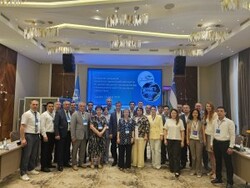
우즈베키스탄이 유엔유럽경제위원회(UNECE) 지원을 바탕으로 물안보 강화와 우발적 수질오염 예방, 산업안전 협력 확대를 위한 제도·국제협력 체계를 본격 강화한다. [사진제공(Photo Source) = (UNECE)]
우즈베키스탄은 세계에서 물스트레스가 가장 심각한 국가 중 하나로 꼽힌다. 안전한 식수 접근율은 농촌 지역이 75%, 도시 지역이 89%로 지역 간 격차가 크며, 생활하수 가운데 안전하게 처리되는 비율은 32%에 불과하다.
중앙아시아의 이중 내륙국인 우즈베키스탄은 건조한 기후와 국경을 넘어 유입되는 수자원에 대한 높은 의존도로 심각한 물관리 문제에 직면해 있다. 전체 수자원의 약 80%가 국외에서 유입되며, 기후변화와 빠른 인구 증가로 이러한 부담은 더욱 커지고 있다.
이 같은 문제의 심각성은 최근 유엔유럽경제위원회(UNECE)가 발표한 제4차 우즈베키스탄 환경성과평가(Fourth Environmental Performance Review, EPR)에서도 확인됐다. 보고서는 하수도 및 하·폐수 처리 분야에 대한 투자 규모가 여전히 부족하다고 지적하고, 정부가 식수 공급과 하수도 인프라, 하·폐수 처리 분야에 대한 재정 지원을 대폭 확대할 것을 권고했다.
이러한 문제를 해결하려면 우발적인 수질오염 사고를 예방하고, 사고에 대비하며, 발생 시 신속히 대응할 수 있는 역량을 강화하기 위한 긴급하고 체계적인 조치가 필요하다. 이는 갈수록 부족해지는 취약한 수자원을 보호하는 데도 필수적인 조치다.
특히 중앙아시아에서는 노후 산업시설과 광업 활동 확대, 기후 관련 재해, 자연재해로 촉발되는 기술재해(Natural hazard-triggered technological accidents, Natech) 위험 증가가 물안보와 생태계, 지역사회를 위협하는 요인으로 작용하고 있다. 이러한 피해는 국경을 넘어 확산되는 경우도 많다.
이러한 과제에 대응하기 위해 UNECE는 스위스 개발협력청(SDC)의 재정 지원을 받아 '기후변화에 대응한 물·위생 강화 및 우발적 수질오염으로부터 수자원 보호(Strengthening Action on Water and Sanitation and Protection of Water Resources from Accidental Pollution in the Face of Climate Change)' 프로젝트를 추진하고 있다.
이 사업은 통합적이고 부문 간 협력을 기반으로 한 물 거버넌스를 촉진하고, 물·위생·보건(WASH) 체계 강화를 추진한다. 또한 광산 폐기물 저장시설의 안전관리를 강화하고, 우발적 수질오염 사고와 자연재해로 촉발되는 기술재해의 위험을 예방하고 대응할 수 있는 각국의 역량을 높이는 데 중점을 두고 있다.
우즈베키스탄에서 이 사업은 UNECE·세계보건기구 유럽지역사무소(WHO/Europe)의 '물과 건강에 관한 의정서(Protocol on Water and Health)' 이행을 지원하는 한편, '산업재해의 초국경적 영향에 관한 UNECE 협약(UNECE Convention on the Transboundary Effects of Industrial Accidents)' 가입과 이행을 촉진하고 있다.
이 사업의 일환으로 지난 6월 30일부터 7월 1일까지 타슈켄트(Tashkent)에서 열린 두 차례의 국가회의를 통해 우즈베키스탄은 물안보 강화와 우발적 수질오염 예방을 위한 중요한 진전을 이뤘다.
정부기관과 산업계, 학계, 시민사회, 국제기구 관계자들이 참석한 이번 회의에서는 '물과 건강에 관한 의정서'에 따른 국가 목표를 2026년 공식 채택하기 위한 로드맵을 승인했다. 또한 사업 추진계획의 이행 현황을 점검하고, '산업재해의 초국경적 영향에 관한 UNECE 협약' 가입을 위한 향후 추진 방안에도 합의했다.
아이벡 무하메드자노프(Aybek Muhamedjanov) 우즈베키스탄 내각 산하 산업·방사선·원자력안전위원회(Industrial, Radiation and Nuclear Safety Committee) 관계자는 "이번 회의에는 주요 정부기관과 학계, 국제기구, 협력기관 대표들이 참석해 우즈베키스탄의 지속 가능한 발전에 전략적으로 중요한 과제를 논의하고 있다"며 "환경안전 확보와 수자원 보전, 산업재해 예방을 위해서는 종합적이고 부처 간은 물론 국제적인 협력이 필수적이라는 점을 다시 한번 확인하는 자리"라고 말했다.
안드린 핑크(Andrin Fink) 우즈베키스탄 주재 스위스대사관 협력대표는 "우즈베키스탄이 '산업재해의 초국경적 영향에 관한 UNECE 협약' 가입을 적극 추진하고, '물과 건강에 관한 의정서'에 따른 부문 간 국가 목표의 공식 채택도 앞두고 있는 것은 안전과 보건, 지속가능성이 올바른 거버넌스를 이루는 핵심 축임을 보여준다"고 말했다.
이어 "스위스는 이러한 여정에서 우즈베키스탄과 UNECE와 함께할 것이며, 이번에 마련된 기반이 미래 세대와 수자원, 생태계를 보호하는 데 기여할 것으로 확신한다"고 밝혔다.
[원문보기]
Uzbekistan advances water security and industrial safety with UNECE support
Uzbekistan ranks among the world’s most water-stressed countries, with stark rural-urban disparities in safe drinking water access (75% rural vs. 89% urban) and only 32% of domestic wastewater safely treated.
Acute water-management challenges in this double-landlocked country in Central Asia are driven by arid conditions and heavy reliance on transboundary flows - around 80% of its water resources originate outside its borders. These pressures are intensifying with climate change and rapid population growth.
The urgency of these challenges is underscored by UNECE's recently launched Fourth Environmental Performance Review (EPR) of Uzbekistan, which found that allocations for sewerage and wastewater treatment remain too low and recommends that the Government significantly increase funding for drinking water supply, sewerage infrastructure and wastewater treatment.
Addressing these challenges requires urgent and coordinated action to strengthen the prevention of, preparedness for and response to accidental water pollution, helping to safeguard increasingly scarce and vulnerable water resources.
This is particularly critical in Central Asia, where ageing industrial infrastructure, expanding mining activities, climate-related hazards and the growing risk of natural hazard-triggered technological (Natech) accidents pose mounting threats to water security, ecosystems and communities, with impacts that often extend across national borders.
To help tackle these challenges, UNECE, with financial support from the Swiss Agency for Development and Cooperation (SDC), is implementing the project Strengthening Action on Water and Sanitation and Protection of Water Resources from Accidental Pollution in the Face of Climate Change.
The initiative promotes integrated and cross-sectoral water governance, strengthens water, sanitation and health systems, enhances the safe management of mining waste (or ‘tailings’) facilities, and builds countries' capacity to prevent and respond to accidental water pollution and Natech risks.
In Uzbekistan, the project supports the implementation of the UNECE–WHO/Europe Protocol on Water and Health while advancing the country's accession to and implementation of the UNECE Convention on the Transboundary Effects of Industrial Accidents.
On 30 June and 1 July 2026, Uzbekistan reached a significant milestone in strengthening water security and preventing accidental water pollution through two national meetings convened in Tashkent under the project.
Bringing together government institutions, industry, academia, civil society and international partners, participants endorsed a roadmap for the formal adoption of Uzbekistan's targets under the Protocol on Water and Health in 2026, reviewed progress in implementing the project's work plan, and agreed on the next steps towards the country's accession to the UNECE Convention on the Transboundary Effects of Industrial Accidents.
“Today’s meeting brings together representatives of key government agencies, the scientific community, international organizations, and our partners to discuss issues of strategic importance for the sustainable development of our country.
This once again confirms that ensuring environmental safety, preserving water resources, and preventing industrial accidents require comprehensive, inter‑agency, and international cooperation.” said Mr. Aybek Muhamedjanov of the Industrial, Radiation and Nuclear Safety Committee under the Cabinet of Ministers of Uzbekistan.
Mr. Andrin Fink, Head of Cooperation, Embassy of Switzerland in Uzbekistan, stated "Uzbekistan's determined steps towards acceding to the Industrial Accidents Convention – alongside the imminent national adoption of its intersectoral targets under the Protocol on Water and Health – demonstrate that safety, health and sustainability are inseparable pillars of sound governance. Switzerland stands alongside Uzbekistan and UNECE on this journey, confident that the foundations laid here will protect people, water resources and ecosystems for generations to come."
 즐겨찾기 추가
 시작페이지로 설정