[미국] 2026년 물 부족 위험이 가장 큰 5대 산업
리튬 채굴·데이터센터·식음료·발전·농업 가공 등 5대 물 의존 산업, 물 가용성에 직면
대형 데이터센터, 하루 최대 500만갤런(1만8천927㎥)·연간 약 18억갤런(68만㎥) 소비…5만명 규모의 도시 물 사용량과 맞먹어
농업 부문, 전 세계서 가장 큰 물 사용자로 담수 인출량의 약 70%를 차지…그 다음은 산업 부문으로 20% 차지
플루언스, ‘2026년 물 부족 위험이 가장 큰 5대 산업(Risk of Water Scarcity in 2026)’이라는 보고서 발표
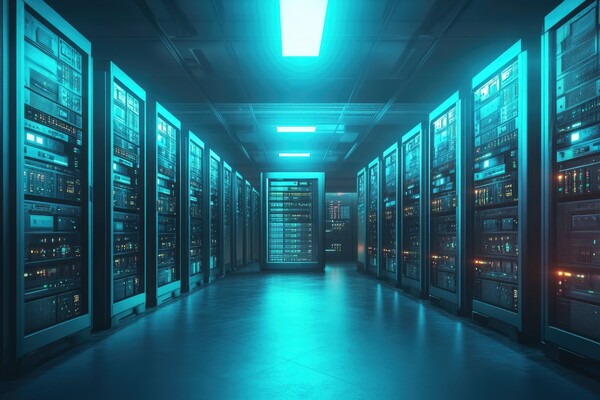
컴퓨터 서버를 냉각하기 위해 중간 규모 데이터 센터는 연간 최대 1억 1천만 갤런(41만6천395㎥)의 물을 소비하며, 이는 약 1천 가구의 연간 물 사용량과 맞먹는다. 대형 데이터 센터는 하루 최대 500만 갤런(1만8천927㎥), 연간 약 18억 갤런(68만㎥)을 소비할 수 있는데, 이는 1만 명에서 5만 명 규모의 도시 물 사용량과 맞먹는 수준이다. [사진출처(Photo source) = 픽사베이(Pixabay)]
기후 변화와 인구 증가로 인해 증폭된 물 부족은 이미 산업의 운영 방식과 성장 방식을 재편하고 있다. 많은 지역에서 강수량이 예측하기 어려워지고 가뭄이 더 심하고 광범위해지며, 물 수요는 계속 증가하고 있다.
신뢰할 수 있는 물 공급은 산업 성장의 기반이며, 공급이 불확실해지면 운영, 확장 계획, 장기 투자 결정에 직접적인 영향을 미친다. 물에 크게 의존하는 다섯 개 산업이 가장 취약한 것으로 떠오르고 있다. 이들 산업은 두 가지 중요한 과제를 공유한다. 높은 물 수요와 공급이 점점 불확실해지는 지역에서 신뢰할 수 있고 고품질의 공급에 대한 의존도이다.
1. 리튬 채굴 : 에너지 전환의 숨겨진 비용
스마트폰부터 노트북, 전기차에 이르기까지 모든 것을 구동하는 리튬(Li) 이온 배터리에 대한 수요 증가로 인해 리튬 채굴이 급증했다. 특히 염수에서 리튬을 추출할 때는 상당한 양의 물이 필요하며, 이는 이미 심각한 물 스트레스를 겪고 있는 지역에서 자주 발생한다.
회수되는 리튬 1미터톤(metric ton)당 약 2천㎥(52만8천344갤런)의 물이 증발해야 한다. 이로 인해 대기 중으로 물이 손실될 뿐만 아니라 염수가 남겨져 지하 담수 공급이 오염될 위험이 커진다.
미국 서부와 남미의 리튬 삼각지대 같은 지역에서는 리튬 생산이 지역 사회와 생태계와 직접 경쟁하며 희소한 지하수를 두고 경쟁한다. 이로 인해 환경 압박과 운영 위험이 동시에 발생한다. 물 공급이 부족해지면 생산이 둔화될 수 있고, 광산 운영자들은 물 공급 제한에 직면할 수 있다.
이러한 위험을 관리하기 위해 리튬 채굴 회사들은 첨단 수처리 및 물 재이용 시스템을 도입하고 있다. 고회수 담수화 및 염수 농축 기술과 같은 솔루션은 채굴 과정에서 재사용을 가능하게 하면서 담수 손실을 줄이고, 전체 담수 수요를 줄이는 순환식 수자원 관리 전략을 지원한다.
2. 데이터 센터와 AI : 급속한 디지털 성장의 물 수요
인공지능(AI)은 클라우드 컴퓨팅부터 첨단 분석에 이르기까지 다양한 산업 분야에서 빠르게 성장하고 있다. AI는 최종 사용자에게 무형으로 느껴지는 경우가 많지만, 이를 지원하는 인프라는 자원 집약적이다. AI는 고성능 컴퓨팅 시스템을 냉각하고 효율적으로 작동시키기 위해 막대한 양의 열을 발생시키고 엄청난 양의 물을 필요로 하는 대형 데이터 센터에 의존한다.
컴퓨터 서버를 냉각하기 위해 중간 규모 데이터 센터는 연간 최대 1억 1천만 갤런(41만6천395㎥)의 물을 소비하며, 이는 약 1천 가구의 연간 물 사용량과 맞먹는다. 대형 데이터 센터는 하루 최대 500만 갤런(1만8천927㎥), 연간 약 18억 갤런(68만㎥)을 소비할 수 있는데, 이는 1만 명에서 5만 명 규모의 도시 물 사용량과 맞먹는 수준이다. 전 세계적으로 이 분야는 매년 수천억 갤런을 소비하며, AI가 확장됨에 따라 수요가 급격히 증가하고 있다.
이들 시설 중 다수는 물 부족 지역에 건설되어 지역 주민들의 우려를 불러일으킨다. 그 결과, 수자원 가용성은 디지털 확장의 제약 요소가 되었다. 지역사회는 에너지 사용뿐만 아니라 물 소비와 물 가용성 측면에서도 프로젝트를 면밀히 검토하기 시작했다.
분산된 물 재이용 시설과 첨단 멤브레인 에어레이티드 바이오필름 리액터(MABR, Membrane Aerated Biofilm Reactor) 시스템을 통해 이 문제를 해결할 수 있으며, 데이터 센터가 식수원에서 벗어날 수 있도록 지원한다. 냉각을 위해 재활용 또는 비식수 사용을 가능하게 함으로써, 이러한 솔루션은 지방 자치 공급에 대한 부담을 줄이면서 지속적인 확장을 지원한다.
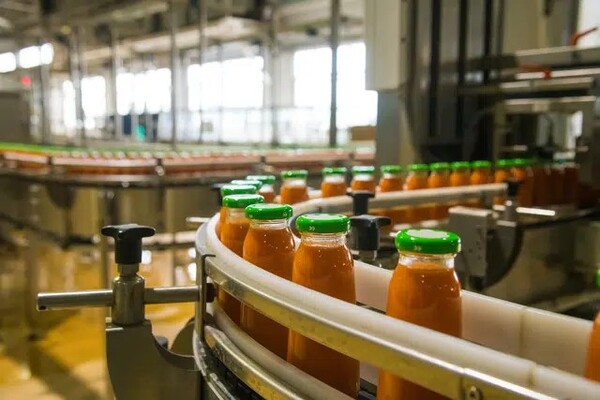
식음료 생산자에게는 신뢰할 수 있는 고품질 물 공급이 필수적이다. 물은 양조 및 음료의 병입부터 세척, 가공에 이르기까지 식품 생산 과정의 거의 모든 단계에서 사용되며, 종종 제품 자체의 핵심 성분으로 사용된다. [사진출처(Photo source) = 플루언스 코퍼레이션(Fluence Corporation)]
3. 식품 및 음료 : 물의 구성 요소이자 위험
식음료 생산자에게는 신뢰할 수 있는 고품질 물 공급이 필수적이다. 물은 양조 및 음료의 병입부터 세척, 가공에 이르기까지 식품 생산 과정의 거의 모든 단계에서 사용되며, 종종 제품 자체의 핵심 성분으로 사용된다. 물이 부족해지거나 물 공급이나 수질이 불안정해지면 생산이 중단되고 비용이 증가하며 제품 품질에 부정적인 영향을 미칠 수 있다.
이러한 위험을 완화하기 위해 많은 진보적인 기업들이 물 재이용과 무방류(ZLD, Zero-Liquid Discharge) 시스템에 투자하고 있다. 분산형 처리 및 재이용 시스템은 시설이 현장에서 처리 및 재이용할 수 있게 하여 유출량을 줄이고 수자원 보안을 강화할 수 있게 한다.
4. 발전 : 수-에너지 연결점
물과 에너지는 생산과 공급의 모든 단계에서 긴밀히 연결되어 있다. 물을 펌핑하고, 처리하며, 공급한 후 폐수를 처리를 위해 되돌려 보내는 과정은 모든 단계에서 에너지를 소비한다. 동시에, 이 에너지를 생산하는 과정은 물 집약적이다.
석탄, 가스, 원자력 등 어떤 화력 발전소든 냉각을 위해 대량의 물이 필요하다. 재생 에너지 시스템도 제조 공정, 특히 전기차에 사용되는 리튬 이온 배터리 생산으로 인해 간접적인 물 발자국을 가질 수 있다.
물 부족이 심화됨에 따라 전력 생산자들은 에너지 생산을 유지하면서 물 소비를 줄이는 두 가지 과제에 직면해 있다. 가뭄 취약한 지역에서는 제한된 수분 가용성이 발전소의 생산량을 줄이거나 일시적으로 가동을 중단해야 할 수 있다.
이러한 역동성은 물 효율적인 냉각 및 재사용 전략의 중요성이 커지고 있음을 보여준다. 냉각 및 기타 공정을 위해 기수 또는 재이용수 등 대체 수원을 사용할 수 있는 처리 시스템을 통해 에너지 부문을 지원한다. 이로 인해 담수 공급에 대한 의존도를 줄이면서도 운영과 에너지 생산이 안정적으로 유지된다.
5. 농업 가공 : 농장과 공장 연결
농업 부문이 전 세계에서 가장 큰 물 사용자로, 담수 인출량의 약 70%를 차지하며, 그 다음으로 산업 부문이 20%를 차지한다. 하지만 농작물 관개가 이 부문에서 물 소비의 가장 높은 비율을 차지하는 반면, 농업 가공은 농장과 소비자 식탁 사이의 간극을 메우는 단계로서 물에 크게 의존하며 물 제약에도 똑같이 취약하다.
작물, 육류, 유제품을 가공하는 시설은 세척 및 가공을 위해 많은 양의 물이 필요하며, 준비 표면과 장비 청소도 포함된다. 물 공급이 불안정할 경우, 공급망 전체에 파급 효과를 일으켜 공급망 혼란과 제품 부족 현상으로 이어질 수 있다.
많은 농업 가공 공장이 그 제품의 조달 지역에 위치해 있기 때문에, 과도한 스트레스를 받는 자원을 두고 농민들과 경쟁한다. 모듈식 분산형 상하수도 처리 시스템은 이 분야에 특히 적하다. 현장 처리 및 재이용을 가능하게 함으로써 처리 시설은 엄격한 배출 규정을 준수하면서도 지역 수자원과 독립적으로 운영할 수 있게 한다.
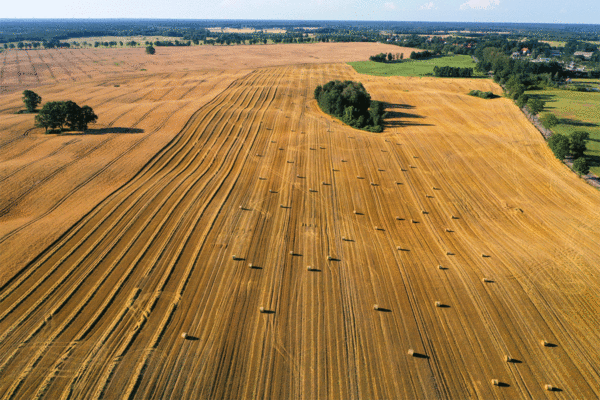
농업 부문이 전 세계에서 가장 큰 물 사용자로, 담수 인출량의 약 70%를 차지한다. 하지만 농작물 관개가 이 부문에서 물 소비의 가장 높은 비율을 차지하는 반면, 농업 가공은 농장과 소비자 식탁 사이의 간극을 메우는 단계로서 물에 크게 의존하며 물 제약에도 똑같이 취약하다. [사진출처(Photo source) = 픽사베이(Pixabay)]
희소성에서 지속 가능성으로 : 물 재이용 재고
위의 다섯 산업은 매우 다른 부문에서 운영되지만, 모두 공통된 전략적 제약인 물 가용성에 직면해 있다. 물 불확실성에 가장 취약한 산업은 원자재, 기술, 에너지, 식품에 이르기까지 오늘날 경제에서 중요한 역할을 하는 산업들이다. 이들은 장기적으로 운영과 주변 지역사회의 지속 가능성을 보장하기 위해 신뢰할 수 있는 물 공급을 확보해야 한다.
전기화, AI 확장, 산업 성장이 동시에 가속화됨에 따라, 물은 이들 상호 연결된 부문 전반에 걸쳐 공유되는 제약으로 떠오르고 있다. 안정적인 공급을 확보하는 것은 더 이상 단순한 운영적 문제가 아니라 성장의 전제 조건이 되었다.
동시에 이러한 문제를 해결하기 위한 해결책도 진화하고 있다. 첨단 처리 기술, 재사용, 분산형 인프라는 산업이 자연 담수 공급원에 대한 의존도를 줄이고 효율성을 높이며 불확실성 속에서도 회복력을 구축하는 데 도움을 주고 있다.
[원문보기]
5 Industries Most at Risk of Water Scarcity in 2026
From lithium mining to AI data centers, a lack of fresh water is reshaping key industries, so securing a supply is now a business imperative
Water scarcity, amplified by climate change and population growth, is already reshaping how industries operate and grow. In many regions, rainfall is becoming less predictable, and droughts are more intense and widespread, while water demand continues to rise.
A reliable water supply underpins industrial growth, and when availability becomes uncertain, operations, expansion plans, and long-term investment decisions are directly affected. Five industries that depend heavily on water are emerging as the most vulnerable.
These industries share two critical challenges: high water demand and dependence on reliable, high-quality supply in regions where availability is becoming increasingly uncertain.
1. Lithium Mining: The Hidden Cost of the Energy Transition
The growing demand for lithium-ion batteries, which power everything from smartphones to laptops to electric vehicles, has produced a surge in lithium mining. Extracting lithium, especially from brine, requires significant volumes of water, often in regions already under severe water stress.
For each metric ton of lithium recovered, about 2 million liters (528,344 gallons) of water must be evaporated. This not only results in the loss of water to the atmosphere but also leaves brine behind, putting underground freshwater supplies at risk of contamination.
In places like the Western United States and the Lithium Triangle in South America, lithium operations compete directly with local communities and ecosystems for scarce groundwater. This creates both environmental pressure and operational risk. If water availability tightens, production can slow, and mining operators may face water restrictions.
To manage these risks, lithium mining companies are turning to advanced treatment and reuse systems. Solutions such as Fluence’s high-recovery desalination and brine concentration technologies help reduce freshwater loss while enabling reuse within the mining process, supporting more circular water-management strategies that reduce overall freshwater demand.
2. Data Centers & AI: The Water Requirements of Rapid Digital Growth
Artificial intelligence (AI) is driving rapid growth across industries, from cloud computing to advanced analytics. While AI often feels intangible to end users, the infrastructure that supports it is resource-intensive. AI relies on large data centers that generate vast amounts of heat and require huge volumes of water to keep high-performance computing systems cool and operating efficiently.
To cool its computer servers, a medium-sized data center typically consumes up to 110 million gallons of water a year, which is equivalent to the annual water use of about 1,000 households. Larger data centers can each consume up to 5 million gallons per day, or about 1.8 billion gallons a year - equivalent to the water usage of a town of 10,000 to 50,000 people. Globally, the sector consumes hundreds of billions of gallons annually, with demand rising sharply as AI expands.
Many of these facilities are being built in water-stressed regions, sparking local concerns. As a result, water availability has become a limiting factor for digital expansion. Communities are beginning to scrutinize projects not just on energy use but also on water consumption and water availability.
Fluence addresses this challenge through decentralized water reuse and advanced membrane aerated biofilm reactor (MABR) systems, enabling data centers to shift away from potable water sources. By enabling the use of recycled or nonpotable water for cooling, these solutions help reduce strain on municipal supplies while supporting continued expansion.
3. Food & Beverage: Water as Both Ingredient and Risk
For food and beverage producers, a reliable supply of high-quality water is essential. Water is used in nearly every stage of the food production process, from brewing and bottling to cleaning and processing, and often as a key ingredient in the product itself. When water becomes scarce or when water supply or quality becomes inconsistent, it can disrupt production, raise costs, and negatively impact product quality.
To mitigate these risks, many forward-thinking companies are investing in water recycling and zero-liquid discharge (ZLD) systems. Fluence’s decentralized treatment and reuse systems allow facilities to treat and reuse process water on-site, reducing discharge volumes while improving water security.
4. Power Generation: The Water-Energy Nexus
Water and energy are tightly interconnected across every stage of production and delivery. Pumping, treating, and supplying water - and then returning wastewater for treatment - consumes energy at every step. At the same time, producing this energy is water-intensive.
Thermal power plants, whether powered by coal, gas, or nuclear energy, require large volumes of water for cooling. Even renewable energy systems can have indirect water footprints due to their manufacturing processes, including the production of lithium-ion batteries used in electric vehicles.
As water scarcity intensifies, power producers face a dual challenge: maintaining energy production while reducing water consumption. In drought-prone regions, limited water availability can force plants to reduce their output or shut down temporarily.
This dynamic highlights the growing importance of water-efficient cooling and reuse strategies. Fluence supports the energy sector with treatment systems that enable the use of alternative water sources - including brackish or recycled water ? for cooling and other processes. This reduces reliance on freshwater supplies while ensuring that operations and energy output remain stable.
Fluence also offers waste-to-energy solutions that incorporate anaerobic digestion of animal waste and organic matter to produce renewable energy in the form of a methane-rich biogas, turning a waste product into a valuable alternative energy source.
5. Agricultural Processing: Bridging Farm and Factory
The agricultural sector is the largest water user globally, accounting for about 70% of freshwater withdrawals, followed by the industrial sector at 20%. But while crop irrigation accounts for the highest percentage of water consumption in this sector, agricultural processing - the step that bridges the gap between the farms and the consumer’s table - relies heavily on water and is equally vulnerable to water constraints.
Facilities that process crops, meat, and dairy products require large volumes of water for washing and processing products, as well as cleaning preparation surfaces and equipment. When water availability is unreliable, it can have ripple effects throughout the entire supply chain, leading to supply chain disruptions and product shortages.
Because many agricultural processing plants are located in the agricultural regions where their products are sourced, they compete with farmers for an overstressed resource.
Fluence’s modular and decentralized water and wastewater treatment systems are particularly well-suited to this sector. By enabling on-site treatment and reuse, these systems allow processing facilities to operate more independently of local water supplies while maintaining compliance with stringent discharge regulations.
From Scarcity to Sustainability: Rethinking Water Use
The five industries above operate across very different sectors, but they all face the common strategic constraint of water availability. The industries most vulnerable to water uncertainty are the ones that play an important role in today’s economy, from raw materials and technology to energy and food. To ensure the long-term sustainability of their operations and that of the surrounding communities, they need to secure a reliable water supply.
As electrification, AI expansion, and industrial growth accelerate simultaneously, water is emerging as the shared constraint across these interconnected sectors. Securing a reliable supply is no longer just an operational concern but rather a prerequisite for growth.
At the same time, solutions are evolving to address these challenges. Advanced treatment technologies, reuse, and decentralized infrastructure are helping industries reduce their dependence on natural sources of fresh water, improve efficiency, and build resilience in the face of uncertainty.
Contact Fluence for help securing a reliable water supply through decentralized treatment, reuse, and high-efficiency systems tailored to specific operational demands.
[보고서 출처 = 플루언스 코퍼레이션(Fluence Corporation)(https://www.fluencecorp.com/5-industries-at-risk-from-water-scarcity/)]
|  즐겨찾기 추가
 시작페이지로 설정
























