[핀란드] 인간 활동으로 담수 순환 변화 속도 빨라져
기후변화·토지 이용·물사용 복합 영향…담수 시스템 지구 한계 초과 심화
건조·습윤 이상 현상 20세기 초 대비 2배 증가…지역별 영향 양상도 뚜렷
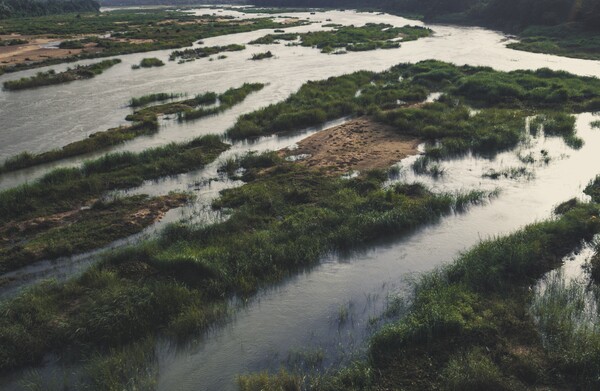
많은 담수 생태계는 자연적인 건기와 우기의 반복에 의존하고 있지만, 수문학적 이상 현상이 증가하면서 이러한 생태계의 기능이 위협받을 수 있는 것으로 나타났다. 연구진에 따르면 전 세계적으로 이러한 이상 현상의 발생 빈도는 현재 20세기 초에 비해 약 두 배 증가했다. [사진출처(Photo Source) = Freepik]
기후변화와 토지 이용, 물사용이 전 세계 담수 순환을 갈수록 빠른 속도로 변화시키고 있으며, 이로 인해 가뭄과 홍수 등 건조·습윤 현상이 더욱 광범위하고 빈번하게 발생해 담수 시스템이 지구 한계를 한층 더 초과하고 있다는 연구 결과가 나왔다.
이번 연구는 핀란드 동부대학교(University of Eastern Finland) 연구진이 주도하고 독일 포츠담기후영향연구소(Potsdam Institute for Climate Impact Research, PIK) 연구진이 참여했다. 연구진은 담수 변화에 대한 지구 한계의 최신 평가 결과를 제시하고, 전 세계 및 지역 규모에서 이러한 한계 초과가 가속화되는 주요 원인을 분석했다.
연구 결과에 따르면 기후변화와 대규모 토지 이용 및 물사용은 담수 변화에 대한 지구 한계가 규정하는 안정 범위에서 담수 순환을 더욱 벗어나게 하고 있는 것으로 나타났다. 담수 변화의 지구 한계는 이미 초과된 상태로 평가되고 있으며, 이는 기후 및 생태계 유지에 필수적인 지구 시스템 과정들을 뒷받침하는 담수 순환의 기능이 장기적으로 위협받고 있음을 보여준다고 연구진은 설명했다.
연구진은 1901년부터 2019년까지의 자료와 복수의 글로벌 수문 모형을 활용해 전 세계 ‘블루 워터(blue water·하천·호수·지하수 등)’와 ‘그린 워터(green water·토양 수분)’의 변화를 분석했다. 특히 토지 및 물이용에 따른 인간 활동의 영향과 인간이 유발한 기후변화의 영향을 구분해 가뭄 및 습윤 이상 현상에 미치는 효과를 정량적으로 평가했다.
주저자인 빌리 비르키(Vili Virkki) 핀란드 동부대학교 연구원은 “최근 수십 년 동안 담수 순환의 변화 속도가 빨라지고 있으며, 전망에 따르면 이러한 추세는 앞으로 더욱 강화될 가능성이 높다”고 말했다. 이어 “담수 순환 변화 속도가 환경의 적응 능력을 넘어설 경우 부정적인 영향이 발생할 위험도 커진다”고 설명했다.
아울러 블루 워터와 그린 워터 모두에서 건조 및 습윤 이상 현상의 발생 빈도는 현재 20세기 초보다 약 두 배 증가한 것으로 나타났다. 지역별 양상은 서로 다르게 나타났다. 열대 및 아열대 지역에서는 전반적으로 건조화가 두드러지게 진행되고 있는 반면, 북부 한대림 지역에서는 비정상적으로 습한 상태가 더욱 자주 발생하고 있다. 이러한 현상은 홍수 증가와 장기간에 걸친 대규모 강수 형태로 나타나고 있다고 연구진은 밝혔다.
원인 분석 결과, 이러한 변화와 담수 변화의 지구 한계 초과를 이끄는 주요 전 지구적 요인은 기후변화인 것으로 나타났다. 특히 습윤 이상 현상은 주로 기후적 요인에 의해 발생하는 반면, 토지 이용과 물사용 등 직접적인 인간 활동은 건조 이상 현상을 더욱 심화시키는 것으로 분석됐다.
공동 저자인 소피 더 비에리크(Sofie te Wierik) 네덜란드 환경평가청(Netherlands Environmental Assessment Agency) 연구원은 “블루 워터만을 대상으로 분석해서는 물순환 변화와 그로 인한 잠재적 영향을 충분히 포괄적으로 파악할 수 없다는 점이 이번 연구를 통해 분명히 드러났다”고 말했다. 이어 “변화 양상은 지역마다 크게 다를 뿐 아니라 시간에 따라서도 달라지며, 담수 순환의 어떤 요소를 분석하느냐에 따라서도 상당한 차이가 나타난다”고 설명했다.
연구진은 인도 일부 지역과 중앙아시아 등에서는 기후변화로 인해 계절별 수자원 가용성이 다소 증가할 수 있지만, 이러한 효과는 물사용과 토지 이용이 초래하는 건조화 영향에 의해 상쇄되는 것으로 나타났다고 밝혔다. 특히 물사용과 토지 이용은 해당 지역의 건조화를 촉진해 전반적으로 더 메마른 환경을 만드는 데 기여하는 것으로 분석됐다.
공동 저자인 디터 게르텐(Dieter Gerten) PIK 연구원은 “전 세계 담수 순환을 안전한 범위로 되돌리기 위해서는 기후변화와 토지·물 이용을 서로 연결된 변화 요인으로 보고 함께 대응해야 한다는 점이 이번 연구를 통해 분명해졌다”고 말했다. 아울러 “이번 연구 결과는 지구 한계 간 상호작용에 대한 이해를 더욱 심화할 필요가 있음을 보여준다”며 “연구진은 앞으로 이 과제를 계속 추진해 나갈 계획”이라고 덧붙였다.
이번 연구는 국제학술지 『네이처 커뮤니케이션즈(Nature Communications)』에 ‘담수 변화 지구 한계 초과를 초래하는 지역별 상이한 요인(Regionally divergent drivers behind transgressions of the freshwater change planetary boundary)’이라는 제목으로 게재됐다.
[원문보기]
Human activities accelerate changes in the freshwater cycle
Climate change, land use and water use are significantly altering the global freshwater cycle at an increasing pace. This produces more widespread and frequent dry and wet periods, pushing freshwater systems further beyond its planetary boundary, according to a new study published in Nature Communications. Led by researchers at the University of Eastern Finland, with contributions from the Potsdam Institute for Climate Impact Research (PIK), the study provides an updated assessment of the planetary boundary for freshwater change and identifies the key drivers of its accelerating transgression at both global and regional scales.
The findings show that climate change, together with large-scale land and water use, is pushing the freshwater cycle further away from a stable state, as defined by the planetary boundary for freshwater change. This boundary is already considered to be transgressed, reflecting a long-term trend that jeopardises the freshwater cycle’s ability to support vital climatic and ecological Earth system processes.
Using data from 1901 to 2019, and an ensemble of global hydrological models, the researchers analysed quantitative changes in both “blue water” (in rivers, lakes and groundwater) and “green water” (in soils) around the world, distinguishing between the effects of human activities, through land and water use, and the effects through human-induced climate change on dry and wet anomalies.
“Changes in the freshwater cycle have been speeding up in recent decades, and projections indicate that this trend is likely to intensify further,” said lead author Vili Virkki from the University of Eastern Finland. “When the freshwater cycle changes faster than the environment can adapt, the risks of adverse impacts increase.”
According to the study, dry and wet anomalies now occur about twice as often as they did in the early 20th century, for both blue and green water. Regional patterns vary: While increasing dryness dominates in many tropical and subtropical regions, anomalously wet conditions have become more frequent in the northern boreal zone, reflected in floods and more prolonged, large-scale precipitation events.
In terms of attribution, climate change is the main global driver of these changes – and of the transgression of the planetary boundary for freshwater change. Wet anomalies are mainly driven by climatic factors, while direct human pressures such as land and water use intensify dry deviations in particular.
“The results clearly show that focusing only on blue water does not provide a sufficiently holistic picture of water cycle change and its potential impacts,” said co-author Sofie te Wierik from the Netherlands Environmental Assessment Agency. “Changes vary substantially between regions, over time, and depending on which component of the freshwater cycle is being examined.”
In some regions, such as parts of India and Central Asia, climate change may slightly increase seasonal water availability, but these effects are outweighed by water and land use, which contribute to drier conditions.
“Our study makes clear that returning to safe limits for the global freshwater cycle will depend on addressing climate change and land and water use as interconnected drivers of change. The findings also underscore the need to better understand how planetary boundaries interact – a task we intend to take forward,” said co-author Dieter Gerten from PIK.
[출처 = 포츠담기후영향연구소(PIK)(https://www.pik-potsdam.de/en/news/latest-news/human-activities-accelerate-changes-in-the-freshwater-cycle) / 2026년 6월 9일]
[연구논문 출처 = 『네이처 커뮤니케이션즈(Nature Communications)』(https://www.nature.com/articles/s41467-026-73051-x) / 2026년 5월 13일]
|  즐겨찾기 추가
 시작페이지로 설정
























