[호주] 하수처리장 속 숨은 항생제 저장소, 내성 확산 부른다
하수처리장 통과한 항생제 분해산물, 강·하천 방류 후에도 내성 유발
일부 시설서 제거 효과 확인…연구진, 하·폐수 처리 공정 개선 필요성 제기
국제학술지 『네이처워터(Nature Water)』 게재
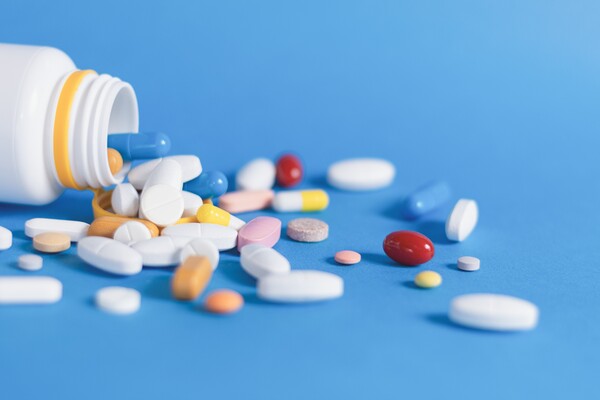
항생제가 분해된 뒤 생성되는 전환산물도 하수처리장을 거쳐 수계로 유입돼 원래 항생제만큼 항생제 내성을 유발할 수 있다는 연구 결과가 나왔다. [사진출처(Photo Source) = Pixabay]
항생제가 하수처리장을 거쳐 강과 바다로 방류된 이후에도 박테리아의 항생제 내성을 지속적으로 촉진하는 것으로 나타났다는 연구 결과가 나왔다.
호주 퀸즐랜드대학교(The University of Queensland)와 영국 엑서터대학교(University of Exeter) 연구진은 항생제가 분해되는 과정에서 생성되는 화학물질인 ‘항생제 전환산물(antibiotic transformation products)’이 원래의 항생제만큼 강하게 항생제 내성을 유발할 수 있다는 사실을 확인했다.
푸자 라케이(Pooja Lakhey) 퀸즐랜드대학교 박사과정 연구원은 “복용한 항생제의 최대 90%는 체내에서 완전히 흡수되지 않은 채 배출돼 하수도로 유입되며, 결국 하수처리장에 도달한다”고 말했다.
또한 “항생제 내성은 연간 500만 명의 사망에 영향을 미치는 주요 글로벌 보건 위협으로, ‘조용한 팬데믹(silent pandemic)’으로 불린다”며 “하수처리는 일반적으로 항생제 농도와 생물학적 활성을 낮추는 것으로 알려져 있지만, 이를 완전히 제거하지는 못한다”고 밝혔다.
그는 “우리 연구는 하수처리장이 항생제의 생물학적 활성이 남아 있는 숨겨진 저장소 역할을 할 수 있으며, 항생제뿐 아니라 그 분해산물도 항생제 내성 발생에 기여할 수 있음을 보여준다”고 말했다. 아울러 “일부 사례에서는 분해산물이 원래의 항생제와 동일한 노출 수준에서도 내성을 유발한 것으로 나타났다”며 “이는 항생제가 분해된 이후에도 박테리아의 항생제 내성을 촉진하는 능력을 유지할 수 있음을 시사한다”고 설명했다.
항생제 내성은 박테리아가 항생제 치료에도 살아남는 능력을 의미하며, 감염병 치료를 어렵게 하거나 불가능하게 만들 수 있다.
연구진이 호주 퀸즐랜드(Queensland)주와 영국 콘월(Cornwall) 지역에서 채취한 하·폐수 시료를 분석한 결과, 박테리아는 3개 계열 항생제의 분해산물에 노출됐을 때 내성을 획득하는 것으로 나타났다.
앞서 퀸즐랜드대학교 연구진은 호주 전역 50개 하수처리장에서 약 100종의 항균제와 그 전환산물의 농도를 측정한 바 있으며, 수계에서 이들 물질이 높은 농도로 존재한다는 사실을 확인했다.
다만 일부 시설에서는 이러한 화합물이 효과적으로 제거되는 것으로 나타나, 하수처리장이 항생제 내성 문제 해결에 기여할 수 있는 가능성도 확인됐다고 연구진은 설명했다.
제이크 오브라이언(Jake O’Brien) 퀸즐랜드대학교 환경보건과학연합(Queensland Alliance for Environmental Health Sciences) 박사는 “상하수도 기관은 항생제 내성 문제의 원인이 아니지만, 안타깝게도 하수로 배출되는 모든 물질을 처리해야 하는 상황에 놓여 있다”며 “이들 기관은 연구를 위한 시료를 제공하는 데 중요한 역할을 하고 있으며, 문제가 확인되면 이를 해결하는 데에도 큰 관심을 보이고 있다”고 말했다. 아울러 “근본적인 문제는 인간이 항생제를 과도하게 사용하고 있으며, 항생제의 분해산물 역시 계속해서 항생제 내성을 유발하고 있다는 점”이라고 강조했다.
에이미 머리(Aimee Murray) 엑서터대학교 박사는 “사람들의 노출과 위험을 최소화하기 위해 수계 내 항생제 내성균의 수를 줄이는 것이 시급하다”고 말했다. 그는 “항생제와 같은 원래의 화학물질뿐 아니라 처리 과정에서 분해돼 생성되는 성분들의 영향까지 함께 고려하는 위험성 평가가 필요하다”며 “이들 모든 물질이 항생제 내성을 촉진하는 위험을 줄일 수 있는 처리 공정으로 전환해야 한다”고 밝혔다.
이번 연구 결과는 국제학술지 『네이처 워터(Nature Water)』에 ‘항생제 전환산물의 항생제 내성 유발 효과와 원물질 대비 영향 평가(Antibiotic transformation products exert selective pressure for antimicrobial resistance comparable to parent compounds)’라는 제목으로 게재됐다.
[원문보기]
Hidden antibiotic reservoirs drive antimicrobial resistance
Antibiotics continue to drive antimicrobial resistance in bacteria even after passing through wastewater treatment plants and being discharged into rivers and seas, research has found.
Researchers from The University of Queensland and University of Exeter found antibiotic transformation products – the chemical compounds that are formed when antibiotics degrade – can drive as much resistance as the original drug.
UQ PhD candidate Pooja Lakhey said up to 90 per cent of antibiotics taken are passed through our bodies into toilets and enter sewage systems, ultimately reaching wastewater treatment plants.
“Antibiotic resistance is a major global health threat, labelled the ‘silent pandemic’ that already contributes to 5 million deaths a year,’’ Ms Lakhey said.
“Wastewater treatment is widely considered to reduce antibiotic concentrations and biological activity, although not necessarily eliminate them.
“Our research shows wastewater treatment plants can act as hidden reservoirs of bioactivity, with both antibiotics and their by-products contributing to resistance.
“In some cases, the breakdown products triggered resistance at the same exposure level as the original antibiotics, suggesting that even after antibiotics degrade, they can retain the ability to promote antibiotic resistance in bacteria.’’
Antibiotic resistance – the ability of bacteria to survive drug treatments - can lead to inability to treat infections.
Wastewater samples collected from Queensland and Cornwall in England, showed bacteria developed resistance when exposed to antibiotic breakdown products from 3 classes of antibiotics.
Previous UQ research measured the concentration of about 100 antimicrobial agents and their transformation products in 50 wastewater treatment plants across Australia, finding high concentrations in water systems.
It also identified some sites with effective removal of these compounds, indicating wastewater treatment plants may be able to help solve the problem.
Dr Jake O’Brien from UQ’s Queensland Alliance for Environmental Health Sciences said antibiotics and their breakdown products were not commonly tested in wastewater or environmental monitoring programs.
“Water utilities are not the reason for antimicrobial resistance but unfortunately are stuck dealing with whatever happens to get flushed,’’ Dr O'Brien said.
“They are pivotal for giving us samples and many are interested in trying to deal with problems once we’ve identified them.
“The real issues are that humans use too many antibiotics and their breakdown products continue to drive antibiotic resistance.’’
University of Exeter researcher Dr Aimee Murray said there was an urgent need to reduce the number of resistant bacteria in waterways to minimise people’s exposure and risk.
“We are recommending risk assessment which takes into account the impact of both the original chemical, such as an antibiotic, and the component parts into which it breaks down through treatment,’’ Dr Murray said.
“We need to move towards treatment processes which can reduce the danger of all these elements in driving resistance.”
[출처 = 퀸즐랜드대학교(The University of Queensland)(https://news.uq.edu.au/2026-06-hidden-antibiotic-reservoirs-drive-antimicrobial-resistance) / 2026년 6월 8일]
[연구논문 출처 = 『네이처 워터(Nature Water)』(https://www.nature.com/articles/s44221-026-00663-4) / 2026년 6월 8일]
|  즐겨찾기 추가
 시작페이지로 설정
























