[아시아] [2026] [카자흐스탄] 카자흐스탄, 물·위생 서비스 접근성 불평등 해소 노력 강화
이름
관리자
작성일
2026-06-08
조회수
739
파일첨부
[카자흐스탄] 카자흐스탄, 물·위생 서비스 접근성 불평등 해소 노력 강화
형평적 접근성 평가도구 적용한 국가 자체평가 실시…취약계층 정보 격차 해소 과제 부각
물과 건강에 관한 의정서 가입 후 정책 이행 본격화…국가 목표·지표 개발 추진
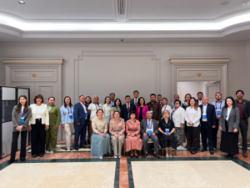
카자흐스탄은 '물과 건강에 관한 의정서(Protocol on Water and Health)' 가입 이후 물·위생 서비스 접근성 격차 해소를 위한 국가 평가를 실시하고, 취약계층 지원과 근거 기반 정책 강화를 추진하고 있다. [사진제공(Photo Source) = 유엔유럽경제위원회(UNECE)]
올해 초 유엔유럽경제위원회(UNECE)와 세계보건기구 유럽지역사무소(WHO/Europe)의 ‘물과 건강에 관한 의정서(Protocol on Water and Health)’에 가입한 카자흐스탄은 물 및 위생 서비스 접근성 격차를 파악하고, 근거 기반 정책 수립을 강화하기 위한 노력을 확대하고 있다.
6월 2~3일 카자흐스탄 아스타나(Astana)에서 열린 ‘카자흐스탄의 물과 건강에 관한 의정서 이행을 위한 국가회의(National Meeting on the Implementation of the Protocol on Water and Health in Kazakhstan)’에서는 ‘형평적 접근성 평가도구 2.0(Equitable Access Score-card 2.0)’을 적용해 물 및 위생 서비스 접근성의 불평등을 파악하고 해결하기 위한 국가 자체평가의 예비 결과를 검토했다.
취약계층 관련 데이터 공백은 여전히 지역 공통 과제
국가 및 지방정부 관계자, 물·위생 서비스 제공기관, 학계, 시민사회, 국제기구 대표들은 자체평가의 예비 결과를 검토하고, 표적화된 정책 조치를 수립하기 위해 필요한 후속 단계에 대해 논의했다.
자체평가 결과는 취약계층과 소외계층에 관한 정보 격차가 여전히 존재한다는 점을 보여줬다. 이는 현재까지 실시된 15건의 국가 평가에서도 확인된 것으로, 범유럽 지역 전반에서 공통적으로 나타나는 과제로 지적됐다. 또한 개정된 ‘형평적 접근성 평가도구 2.0’은 여성과 소녀를 위한 안전한 식수, 위생 및 개인위생 서비스 제공 방안에 특히 중점을 두고 있다.
카자흐스탄은 최근 제정한 「물법(Water Code)」과 도시 및 농촌 지역의 보편적 물공급 달성을 목표로 하는 부문별 개발 전략 및 정책 구상을 포함해 포괄적인 법·제도적 체계를 구축했다. 그러나 모든 사회 구성원, 특히 가장 취약한 계층이 물서비스를 이용하고 그 비용을 부담할 수 있도록 보장하는 데에는 여전히 과제가 남아 있는 것으로 나타났다. 참가자들은 이러한 자체평가의 예비 결과를 확인하고, 평가를 통해 확인된 미비점을 해소하기 위한 우선 추진 과제에 대해 논의했다.
사랑고 라드나락차(Sarangoo Radnaaragchaa) 카자흐스탄 주재 유엔(UN) 상주조정관은 평가 결과를 구체적인 정책 실행으로 연결하는 것이 중요하다고 강조했다. 그는 “이번 자체 평가 결과는 ‘물과 건강에 관한 의정서’에 따른 목표 설정 과정을 포함해 국가 정책과 계획 수립 절차를 강화하는 데 중요한 근거 자료를 제공한다”고 말했다. 이어 “카자흐스탄의 의정서 가입과 형평적 접근성 평가도구 적용은 2026년 유엔 물회의(UN Water Conference)를 앞둔 시점에서 매우 시의적절한 조치”라고 평가했다.
누르칸 사드바카소프(Nurkan Sadvakassov) 카자흐스탄 보건부 산하 위생·역학통제위원회(Committee of Sanitary and Epidemiological Control) 위원장 직무대행은 물과 건강에 관한 의정서가 다부문 협력을 위한 수단으로서 유용하다고 강조했다.
또한 “이번 자체평가는 다양한 정부 기관과 전문가 공동체, 국제기구 관계자들을 하나의 공동 목표 아래 모이게 했다는 점에서 특히 의미가 크다”며 “그 목표는 국민이 안전한 식수와 위생, 개인위생 서비스를 형평적이고 지속 가능한 방식으로 이용할 수 있도록 보장하는 것”이라고 말했다.
세리크잔 베케타예프(Serikzhan Beketayev) 카자흐스탄 수자원·관개부 수자원정책국장은 “오늘날 우리나라에서는 물과 건강을 별개의 문제로 볼 수 없다”고 말했다. 그는 “한편으로 카자흐스탄은 최근 몇 년간 국민 대상 물공급 확대 분야에서 상당한 진전을 이뤘다”면서도 “다른 한편으로는 수질 문제와 상수도·위생 인프라, 도시와 농촌 간 격차, 기후변화 영향, 심화되는 물부족 등과 관련한 지속적인 과제에 직면해 있다”고 밝혔다.
의정서 이행을 위한 국가 목표 설정에 평가 결과 활용
논의에서는 물과 건강에 관한 의정서에 따른 카자흐스탄의 국가 목표 설정 절차에도 초점이 맞춰졌다. 형평적 접근성 평가도구(Equitable Access Score-card) 평가 결과는 수질, 물 관련 질병의 발생 및 사고 예방, 대국민 인식 제고와 정보 제공, 공중보건 및 환경 분야의 광범위한 목표와 관련된 약속과 함께 국가 목표 및 지표 개발에 활용될 예정이다.
카자흐스탄의 물과 건강에 관한 의정서 가입과 형평적 접근성 평가도구 2.0 적용은 물 및 위생 서비스에 대한 포용적이고 형평적인 접근성을 강화하려는 국가의 의지를 보여주는 것으로 평가됐다.
참가자들은 또한 안전한 식수와 위생, 보건 분야의 정책 조정을 담당하고 의정서 이행을 추진하기 위한 부처 간 실무그룹 설치 가능성을 포함해 향후 이행 체계에 대해서도 논의했다.
물과 건강에 관한 의정서는 물관리, 위생 및 공중보건 정책을 연계할 수 있는 고유한 정책 틀을 각국에 제공한다. 의정서를 통해 정부와 이해관계자들은 물·위생·개인위생 및 보건 의제의 이행을 지원하기 위해 마련된 다양한 지침서와 실무 도구를 활용할 수 있다.
이들 도구는 ‘2030 지속가능발전의제(2030 Agenda for Sustainable Development)’와 ‘2023 부다페스트 환경·보건 선언(2023 Budapest Declaration on Environment and Health)’을 포함한 보다 광범위한 글로벌 및 지역 차원의 약속 이행에도 기여하도록 설계됐다.
[원문보기]
Kazakhstan advances efforts to address inequalities in access to water and sanitation
Following its accession to the UNECE-WHO/Europe Protocol on Water and Health earlier this year, Kazakhstan is stepping up its efforts to identify disparities in access to water and sanitation services and strengthen evidence-based policymaking.
A National Meeting on the Implementation of the Protocol on Water and Health in Kazakhstan, held in Astana on 2-3 June 2026, reviewed the preliminary findings of the national self-assessment to identify and address inequalities in access to water and sanitation by applying the Equitable Access Score-card 2.0.
Data gaps on vulnerable groups remain a common regional challenge
Representatives of national and local authorities, water and sanitation service providers, academia, civil society and international organizations reviewed the preliminary findings of the self-assessment and discussed the subsequent steps needed in formulating targeted policy action.
The results highlighted persistent information gaps regarding vulnerable and marginalized populations, a challenge observed across the pan-European region in the 15 national assessments conducted to date. The revised Equitable Access Score-card 2.0. places particular emphasis on safe water, sanitation and hygiene solutions for women and girls.
While Kazakhstan has established a comprehensive legal and institutional framework, including its recently adopted Water Code and sector development strategies and concepts aimed at achieving universal water supply coverage in urban and rural areas, challenges remain in ensuring that services are accessible and affordable for all members of society, especially the most vulnerable. Participants validated the preliminary findings and discussed priority actions to address the shortcomings identified.
Sarangoo Radnaaragchaa, United Nations Resident Coordinator in Kazakhstan, underscored the importance of translating the assessment results into concrete action: "The findings of this self-assessment provide an important evidence base for strengthening national policies and planning processes, including the target-setting process under the Protocol on Water and Health." She also noted the timeliness of Kazakhstan’s efforts in accession to the Protocol and application of the Score-card in the lead-up to the 2026 United Nations Water Conference.
Mr. Nurkan Sadvakassov, Acting Chair of the Committee of Sanitary and Epidemiological Control in the Ministry of Health of Kazakhstan, emphasized the usefulness of the Protocol as a multi-sectoral vehicle: "We particularly value that the self-assessment has brought together representatives from various government authorities, the expert community and international organisations around a common goal: ensuring equitable and sustainable access for the population to safe drinking water, sanitation and hygiene.”
Mr. Serikzhan Beketayev, Director of the Department of Water Policy of the Ministry of Water Resources and Irrigation of Kazakhstan, added: “Nowadays, it is impossible to consider water and health separately in our country. On one hand, in recent years, Kazakhstan has made significant progress in providing water supply to the population. On the other hand, we face persistent challenges related to water quality, water supply and sanitation infrastructure, disparities between cities and rural areas, climate change impacts, and growing water scarcity.”
Assessment results to support national target-setting under the Protocol
Discussions also focused on Kazakhstan’s target-setting process under the Protocol on Water and Health. The results of the Equitable Access Score-card assessment will contribute to the development of national targets and indicators, alongside commitments related to water quality, the prevention of water-related disease outbreaks and incidents, public awareness and information, and broader public health and environmental objectives.
Kazakhstan’s accession to the Protocol and its application of the Equitable Access Score-card 2.0 demonstrate the country’s determination to strengthen inclusive and equitable access to water and sanitation services. Participants also discussed future implementation arrangements, including the possible establishment of an inter-ministerial working group to coordinate action on safe drinking water, sanitation and health, and drive Protocol’s implementation.
The Protocol on Water and Health provides countries with a unique framework for linking water management, sanitation and public health policies. Through the Protocol, governments and stakeholders have access to a range of guidance documents and practical tools designed to support implementation of the water, sanitation, hygiene and health agenda and to contribute to broader global and regional commitments, including the 2030 Agenda for Sustainable Development and the 2023 Budapest Declaration on Environment and Health.
 즐겨찾기 추가
 시작페이지로 설정