[유럽] [2026] [영국] 영국 정부, 7차 탄소 예산(안) 발표…2042년까지 탄소배출량 87% 감축
이름
관리자
작성일
2026-06-04
조회수
940
파일첨부
[영국] 영국 정부, 7차 탄소 예산(안) 발표…2042년까지 탄소배출량 87% 감축
기후 행동 통해 에너지 안보 확보·일자리 창출 및 투자 촉진
2008년 이후 수십억 파우든의 민간 투자와 경제 성장 확보한 프레임 워크 바탕으로 실현 가능한 목표 설정
영국 정부(UK GOV)는 현지시각 6월 2일 2038년부터 2042년까지의 탄소배출량 감축 목표가 담긴 '제7차 탄소 예산(안)(Carbon Budget)'을 발표했다. [사진출처 = 영국 정부(UK GOV)]
영국 정부(UK GOV)는 현지시각 6월 2일 2038년부터 2042년까지의 탄소배출량 감축 목표가 담긴 '제7차 탄소 예산(안)(Carbon Budget)'을 발표했다. 탄소 예산(안)은 환경감사위원회(Environmental Audit Committee)와 기후변화위원회(Climate Change Committee)의 승인을 받았으며, 과학적 근거에 기반한 목표치인 탄소배출량 87% 감축이 제시됐다.
영국은 이란 전쟁으로 인해 5년 만에 두 번째 화석 연료 가격 충격에 직면한 가운데, 근로자들의 삶을 실질적으로 개선하는 정책을 추진하고 있다. 특히 화석 연료 시장의 변동성에서 벗어나 자국에서 생산하는 재생에너지로 전환하는 데 집중하고 있다.
에너지 및 기후 정보국(Energy and Climate Intelligence Unit)의 독립 보고서와 영국산업연맹(CBI) 경제부의 분석에 따르면, 탄소 중립 경제는 영국에서 100만 개 이상의 일자리를 창출하고, 2025년 한 해에만 영국 경제에 1천50억 파운드의 총 부가가치(GVA)를 추가할 것으로 예상되며, 영국에서 가장 빠르게 성장하는 경제 부문 중 하나로 자리매김할 것으로 전망된다.
새로운 목표는 태양광, 배터리, 전기차와 같은 기술 도입을 통해 가정의 에너지 비용 절감을 도모하는 소비자 선택 중심의 접근 방식을 영국이 어떻게 실천할 것인지에 대한 증거 기반 가정에 근거한다.
제7차 탄소 예산(안)은 다음과 같은 이유로 선정됐다.
- 재생에너지로의 전환과 탄소중립 달성을 가속화하는 것이 영국 가정과 기업이 화석연료 관련 충격에 더 이상 노출되지 않도록 하는 최선의 선택이다. 영국은 러시아의 우크라이나 침공과 이란 전쟁 이후 이러한 충격을 경험했다.
- 경제, 건강, 자연을 포함한 모든 측면에서 재생에너지 및 탄소중립 전환의 이점을 극대화한다.
- 미래 세대를 위한 기후 재앙을 막기 위해 지구 온난화를 1.5도 이내로 유지하려는 파리 협정의 목표와 일치한다.
이는 영국 기업, 과학자, 노동조합, 시민 사회의 지지를 받아 제정된 영국의 선구적인 2008년 「기후변화법」을 기반으로 한다. 이 법은 경제 성장과 기후 행동을 결합하는 틀을 제공하고, 수십억 파운드의 민간 부문 투자를 유치하며, 영국이 재생에너지 산업의 세계적인 글로벌 리더로 도약하는 데 기여했다. 2024년 7월 이후 영국에서는 티사이드의 탄소 포집 프로젝트와 서퍽 해안의 시즈웰 C 원자력 발전소 건설을 포함해 재생에너지 분야에 900억 파운드(약 185조2천92억 원) 이상의 민간 투자가 발표됐다.
영국 정부의 재생에너지 및 기후변화 대응 계획은 다음과 같다.
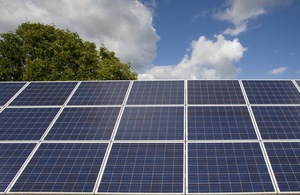
[사진출처 = 영국 정부(UK GOV)]
요금 및 비용 절감(Cutting bills and cost): 지난 3월 영국은 10년 만에 최고 수준의 월간 태양광 발전 설비를 도입했으며, 전기차 판매량 기록을 경신했다. 태양광 발전 설비를 설치한 가정은 연간 최대 500파운드(약 103만 원)를 절약할 수 있으며, 전기차 운전자는 연간 최대 1천400파운드(약 288만 원)의 유지비를 절감할 수 있다. 또한 외부 추산에 따르면 신형 전기차는 이제 평균적으로 휘발유 차량보다 저렴하다.
이와 더불어 150억 파운드(약 30조8촌946억 원) 규모의 '따뜻한 집 만들기 계획(Warm Homes Plan)'은 영국 역사상 최대 규모의 주택 개량 사업으로, 에너지 요금을 절감하고 수백만 명의 사람들을 연료 빈곤에서 벗어나게 할 것으로 기대된다.
에너지 안보 확보(Delivering energy security): 1970년 이후 영국의 경기 침체의 절반은 화석 연료 가격 급등으로 인해 발생했다. 영국 정부는 화석 연료 가격 변동에 대한 의존도를 낮추기 위해 재생 에너지와 원자력 에너지에 투자하고 있으며, 2천300만 가구에 전력을 공급할 수 있는 충분한 재생에너지를 확보하는 기록적인 재생에너지 경매를 성공적으로 진행했다. 2050년까지 영국은 현재 에너지의 약 4분의 3을 차지하는 화석 연료 의존도를 약 15%로 줄이는 동시에 향후 25년간 화석 연료 관련 지출을 약 4천450억 파운드(약 916조5천86억 원) 절감할 것으로 예상된다.
일자리 및 투자(Jobs and investment): 영국 정부는 재생에너지 관련 일자리 창출을 위한 대대적인 정책을 추진해 2030년까지 영국 전역에 걸쳐 40만 개 이상의 일자리를 추가로 지원할 예정이다. CBI 경제 보고서에 따르면, 2025년 탄소 중립 기업이 지원하는 일자리는 영국 평균보다 생산성이 48%, 즉 1.5배 높았으며, 정규직 일자리당 11만9천300파운드(약 2억4천568만 원)의 경제적 가치를 창출했다. 이는 평균 이상의 임금으로 이어져, 이러한 일자리는 정규직 근로자에게 평균 4만3천142파운드(약 8천884만 원)의 소득을 제공했다.
깨끗한 공기와 자연 복원(Cleaner air and nature recovery): 재생에너지는 전국적으로 공기를 더욱 깨끗하게 만들어 현재와 미래 세대의 건강 증진과 삶의 질 향상에 기여할 것으로 기대된다. 대기질 개선으로 2050년까지 매년 약 8천 건의 병원 입원 건수가 줄어들어 NHS(영국 국민보건서비스)에 대한 부담이 완화될 것으로 추산된다. 습지 복원 및 새로운 삼림지 조성은 2050년까지 약 500억 파운드(약 102조9천660억 원)에 달하는 자연 환경적 이점을 제공해 생물 다양성 증진, 수질 개선, 홍수 방지 및 자연 접근성 향상에 기여한다.
기후 변화는 행동하지 않으면 영국의 식량 및 수자원 안보를 계속 위협하고, 전 세계 인구 이동을 심화시키며, 이미 화석 연료의 가격 변동성으로 고통받고 있는 가계와 같은 상황에서 중요한 인프라를 포함한 국가 안보 위험을 초래하고 있다. 예산 책임국(OBR)도 기후 피해 비용은 증가하는 반면, 탄소중립 전환 비용은 낮아지고 있다는 점을 분명히 밝히고 있다. 이는 영국의 삶의 방식과 자연을 심각한 위험으로부터 보호하는 중대한 과제다.
에드 밀리밴드(Ed Miliband) 에너지안보탄소중립부(DESNZ) 장관은 "영국이 10년 만에 두 번째 화석 연료 충격에 직면한 지금, 가계와 기업의 재정을 보호하는 유일한 방법은 우리가 통제할 수 있는 재생에너지로의 전환을 추진하는 것"이라면서 "지금까지 전국 기업과 지역사회가 이뤄낸 성과는 영국의 위대한 성공 사례다. 주택 개량을 통한 비용 절감, 영국 기업 지원, CBI 경제 연구소의 새로운 분석에 따르면 100만 개의 양질의 일자리 창출, 그리고 아름다운 자연경관 보호 등이 그 예다"라고 말했다.
이어 "일부 사람들은 현실을 외면하고 우리 아이들이 기후 변화의 결과에 직면하도록 내버려 두려 하지만, 이 정부는 미래 세대를 위해 우리나라를 보호해야 한다는 변함없는 영국적 가치를 믿는다"고 덧붙였다.
케이티(Katie White) 화이트 DESNZ 기후변화부 담당 장관은 "기록적인 5월 폭염은 기후변화가 더 이상 먼 미래의 이야기가 아니라는 것을 다시 한번 상기시켜 준다. 폭염, 홍수, 자연 파괴의 증가는 이제 우리 나라의 새로운 일상이 되고 있다"면서 "그렇기 때문에 우리는 영국 전역에 전력을 공급하고 재생에너지의 이점을 극대화하여 깨끗한 공기, 따뜻한 집, 에너지 안보, 영국에 대한 투자, 그리고 미래 산업 분야의 수많은 일자리 창출을 위한 명확한 투자 프레임워크를 계속해서 구축하고 있다"고 말했다.
7차 탄소 예산의 목표 달성 방안을 담은 실행 계획은 의회가 예산(안)을 승인하는 대로 가능한 한 빨리 발표될 예정이다.
2038년부터 2042년까지의 탄소 예산을 지금 법제화하는 것은 투자자와 기업에 경제 전반에 걸친 신호를 보내 장기적인 확실성을 제공하고 투자와 성장을 촉진한다.
[원문보기]
Energy security, jobs and investment boost through climate action
Families and businesses will continue to reap the benefits of the clean energy transition in the coming decades.
Families and businesses will continue to reap the benefits of the clean energy transition in the coming decades, as Britain steps up action to get off the fossil fuel rollercoaster
Government sets next achievable and pragmatic target for long-term emissions reduction, building on the framework that has secured billions of private investment and economic growth since 2008, a “great British success story”
Moving at pace to electrify Britain and deliver clean, homegrown energy will unlock greater energy security, lower bills for good, cleaner air, thousands of good jobs and action on the climate crisis following record British heatwaves
Families and businesses across the UK will continue to reap the benefits of the clean energy transition, as the government sets a new emissions target to further protect family finances, grow the economy and tackle the climate crisis.
As Britain faces its second fossil fuel price shock in 5 years due to the war in Iran, the government is pursuing policies which deliver tangible improvements to the lives of working people - centred on getting Britain off the rollercoaster of fossil fuel markets and onto clean homegrown power.
Today (Tuesday 2 June) the government has set out its proposed level for the seventh Carbon Budget, which sets a science-led target of ~87% emissions reduction in the period 2038 to 2042 – endorsed by the Environmental Audit Committee and the Climate Change Committee.
It comes as an independent report from the Energy and Climate Intelligence Unit, supported by analysis from the Confederation of British Industries Economics, today shows that the net zero economy supports over one million jobs in the UK, adding £105 billion in gross value added (GVA) to the UK economy in 2025 alone, as it continues to thrive as one of the UK’s fastest- growing economic sectors.
The new target is based on evidence-based assumptions about how the country will take a consumer choice-led approach to the adoption of technologies such as solar, batteries and EVs that will cut bills for families.
The level for the Seventh Carbon Budget has been chosen because:
moving at pace to clean energy and net zero emissions is the best choice to reduce the exposure of UK families and businesses to more fossil fuel shocks, as the UK has seen following Russia’s invasion of Ukraine and the Iran War
it maximises the benefits of the clean energy and net zero transition, including to the economy, health and nature
it is consistent with the Paris Agreement aim to keep global warming to 1.5 degrees, to avoid climate disaster for future generations
This builds on the UK’s pioneering Climate Change Act 2008 - backed by British businesses, scientists, trade unions and civil society - which has provided a framework for combining economic growth and climate action, attracting billions of private sector investment and seen the UK become a global leader in clean energy industries. Since July 2024, the UK has seen over £90 billion of private investment announced in clean energy, including carbon capture projects in Teesside and nuclear at Sizewell C off the Suffolk coast.
The government’s clean energy and climate plans include:
Cutting bills and costs: March saw the highest monthly solar deployment in over a decade and a record month for EV sales. Families installing solar could save up to £500 a year, electric cars can save drivers up to £1,400 annually to run and external estimates show new electric cars are now on average, cheaper to buy than petrol equivalents. Alongside this, the £15 billion Warm Homes Plan will deliver the biggest home upgrade programme in British history, cutting bills and lifting millions out of fuel poverty
Delivering energy security: Half of the UK’s recessions since 1970 have been caused by fossil fuel shocks. The government is investing in renewable and nuclear energy to get the UK off the rollercoaster of fossil fuel prices, delivering a record-breaking renewables auction that secured enough clean energy to power the equivalent of 23 million homes. By 2050, the UK could cut its reliance on fossil fuels from around three quarters of our energy today to around 15%, while avoiding around £445 billion in fossil fuel spending over the next 25 years
Jobs and investment: The government is driving a major clean energy jobs push, supporting over 400,000 additional jobs by 2030 across the UK. According to the CBI Economics report, in 2025, jobs supported by net zero businesses were 48%, or 1.5 times more productive than the UK average, generating £119,300 in economic value per full-time job. This led to higher-than-average wages, with these jobs generating an average of £43,142 to a full-time worker
Cleaner air and nature recovery: Clean energy will help make the air cleaner across the country, leading to better health and a higher quality of life for people now and in the future. Cleaner air from the transition is estimated to deliver around 8,000 fewer hospital admissions each year by 2050, easing pressure on the NHS. Restoring peatlands and planting new woodland will deliver around £50 billion in nature benefits over the period to 2050, improving biodiversity, water quality, flood protection and access to nature
Without action, climate change continues to endanger the UK’s food and water security, exacerbate global population displacement and pose national security risks, including to critical infrastructure, in a context of increased global instability and households already suffering from the price volatility of fossil fuels. The Office for Budget Responsibility (OBR) is also clear that the costs of climate damage are getting higher, while the cost of the net zero transition is getting lower. This is about protecting the UK’s way of life and the natural world from significant dangers.
Energy Secretary Ed Miliband said:
"As Britain faces the second fossil fuel shock of the decade, the only way to protect family and business finances is to drive for clean homegrown power that we control."
"What has been achieved so far by businesses and communities across the country is a great British success story - cutting costs by upgrading homes, backing British businesses, supporting one million good jobs according to new analysis from CBI Economics, and protecting our beautiful countryside."
"Some people want to stick their heads in the sand and let our children face the consequences of climate breakdown - but this government believes in the timeless British value of protecting our country for generations to come."
Climate Minister Katie White said:
"The record-breaking May heatwave is another reminder that climate change is no longer a distant prospect. Increased heatwaves, flooding and nature loss are becoming the new norm for our country."
"That’s why we’re continuing to set a clear investment framework which will electrify Britain, maximising the benefits of clean power with cleaner air, warmer homes, energy security, investment into Britain and thousands of jobs in the industries of the future."
A delivery plan setting out how Carbon Budget 7 will be met will be published as soon as is reasonably practical after Parliament has approved the budget.
Legislating the carbon budget level for 2038 to 2042 now sends an economy-wide signal to investors and businesses, providing long-term certainty which will encourage investment and growth.
 즐겨찾기 추가
 시작페이지로 설정