[영국] 폴리머스대, "전 세계 플라스틱 오염 주범은 식음료 쓰레기"
해변 쓰레기 5천건 추적…세계 최초 해양 오염 유형 체계화
식음료 플라스틱, 오염 상위 3개 항목 차지…식품 포장재·뚜껑·플라스틱 병 가장 흔해
연구진 폐기물 관리로 오염 해결 못 해…'필수적 플라스틱'만 생산토록 보장해야
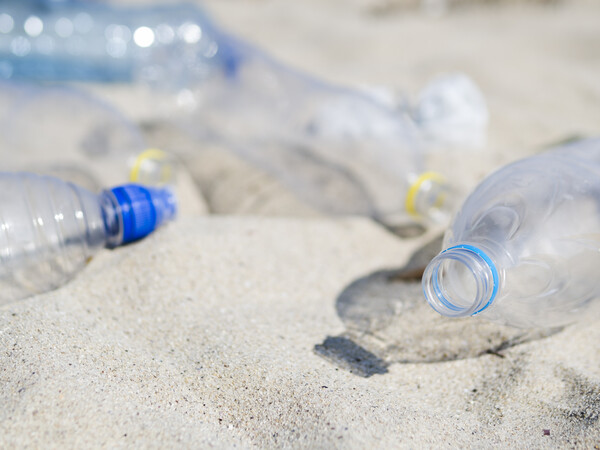
플리머스대학교(University of Plymouth) 연구진은 전 세계적으로 가장 포괄적인 해양 쓰레기 분석을 수행했다. [사진출처(Photo Source) = Magnific]
플리머스대학교(University of Plymouth) 연구진은 전 세계적으로 가장 포괄적인 해양 쓰레기 분석을 수행했다. 이번 연구는 7개 대륙, 9개 해양 시스템, 13개 지역 해역, 112개 국가를 대상으로 했으며, 이는 전 세계 인구의 약 86%를 포함한다. 연구진은 5천 건 이상의 해변 쓰레기 조사 자료를 수집 및 분석해 쓰레기 유형별 해양 쓰레기를 세계 최초로 체계적으로 제시했다.
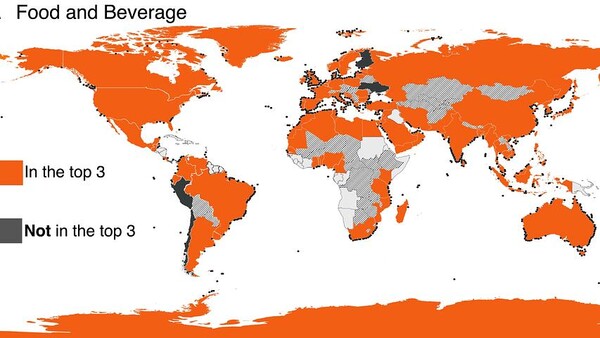
분석 결과, 전 세계 해변에서 가장 많이 발견된 쓰레기는 음식·음료 관련 플라스틱이었다. 이는 영국과 세계 5대 인구 대국인도, 중국, 미국, 인도네시아, 파키스탄)을 포함한 93% 국가에서 상위 3개 항목에 속했다.
특히 플라스틱 식품 포장재, 뚜껑, 플라스틱 병은 절반 이상의 국가에서 가장 흔히 발견되는 개별 품목으로 꼽혔으며, 그 뒤를 이어 비닐봉투와 담배꽁초가 주요 쓰레기 항목으로 나타났다. 매년 약 2천만 톤의 플라스틱 폐기물이 환경으로 유입되는 것으로 추산된다.
그림 1. 식음료 용도별 플라스틱 폐기물의 전 세계 발생 현황
플리머스대학교(University of Plymouth) 연구진은 전 세계적으로 가장 포괄적인 해양 쓰레기 분석을 수행했다. [사진출처(Photo Source) = Magnific]
이번 연구는 플리머스대 국제 해양 쓰레기 연구소(International Marine Litter Research Unit)의 설립자이자 소장인 리처드 톰슨(Richard Thompson) 교수와 인도네시아와 영국 학자들, 박사후 연구원인 맥스 켈리(Max Kelly) 박사가 공동 집필했다.
연구진은 단순히 폐기물 관리만으로는 플라스틱 오염 문제를 해결할 수 없으며, 플라스틱 생산량 자체를 줄이는 근본적인 조치가 필요하다고 강조한다. 사회적으로 필수적인 이점을 제공하는 플라스틱만 생산되도록 보장하는 방식이 그 대책이 될 수 있을 것이다.
리처드 톰슨 해양생물학과 교수는 "플라스틱 오염은 환경, 경제, 인간 건강에 심각한 피해를 주는 전 세계적 문제"라며 "이번 연구는 국가·지역·세계적 차원에서 가장 많이 발견되는 쓰레기 범주와 구체적 품목을 규명해 우선적으로 개입해야 할 분야를 제기한다”고 밝혔다. 이어 “특히 식품·음료 관련 플라스틱이 전 세계 93% 국가에서 핵심 우선순위임을 보여주며, 이는 산업계와 정책 입안자들에게 중요한 근거가 될 것”이라고 설명했다.
본 연구의 주저자인 맥스 켈리 박사후 연구원은 "해양 플라스틱 오염 문제 해결의 필요성은 이제 부인할 수 없다”며 “방대한 규모의 통합 데이터 세트를 구축해 전 세계 해안선에서 가장 흔히 발견되는 플라스틱 품목을 새로운 방식으로 지도화할 수 있었다”고 말했다.
그는 "플리머스대 국제해양쓰레기연구소에서의 연구는 제 경력의 하이라이트였으며, 우리의 노력이 실질적인 변화를 위한 도구로 활용될 수 있게 되어 매우 자랑스럽다"고 덧붙였다.
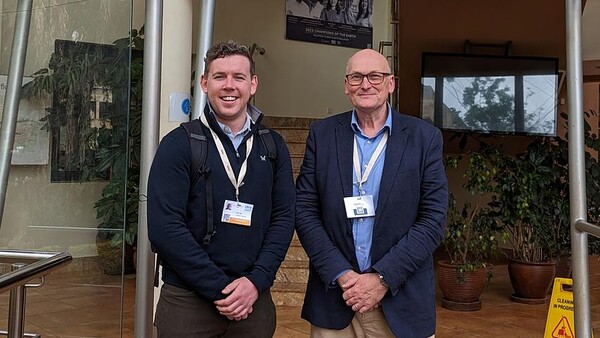
플리머스대 맥스 켈리(Max Kelly) 박사후 연구원(왼쪽)과 리처드 톰슨(Richard Thompson) 교수(오른쪽) 모습. [사진제공(Photo Source) = University of Plymouth]
이번 연구는 브루넬대학교( Brunel University)가 주도하고 자연환경연구위원회(NERC)의 지원을 받아 진행된 380만 파운드 규모의 PISCES 프로젝트의 일환으로 수행됐다.
수잔 조블링(Susan Jobling) 브루넬대 환경·보건·사회 연구소 소장 겸 PISCES 프로젝트 책임자는 "플라스틱 오염은 단순한 폐기물 관리로는 해결될 수 없으며, 특히 수명이 짧은 식음료 플라스틱이 다양한 국가에서 해안 오염의 주요 원인으로 반복적으로 나타난다"고 강조했다. “이번 연구는 플라스틱 오염을 근원에서 예방하려면 감축, 재사용, 더 나은 포장 디자인, 강력한 정책과 같은 근본적 해결책이 필수적임을 보여준다”고 말했다.
[원문보기]
Food and drink related litter dominates global plastic pollution
A new study led by the University of Plymouth reveals the most common types of marine litter worldwide
A new study, led by the University of Plymouth, has revealed the dominant items of marine litter across seven continents, nine ocean systems, 13 regional seas and 112 nations, representing 86% of the global population.
Experts brought together and evaluated more than 5,000 beach litter surveys, to generate the world’s first overview of marine litter by usage type.
Their analysis shows that food and beverage related plastics dominate shoreline debris globally, with them ranking among the top three most abundant usage types in 93% of countries, including the UK and the world’s top five most populated nations – India, China, the USA, Indonesia, and Pakistan.
Specifically, plastic food packaging, caps/lids, and plastic bottles were among the top-ranked individual items in more than half of all nations. And they are followed by plastic bags and cigarette butts as the next most prevalent items.
An estimated 20 million tonnes of plastic waste enters the environment each year.
Professor Richard Thompson OBE FRS, founder and head of the University of Plymouth’s International Marine Litter Research Unit, co-authored the report with academics from Indonesia and the UK, including Post-Doctoral Research Fellow, Dr Max Kelly.
They say it is now clear that waste management alone is unable to address the challenge of plastic pollution, and urgent measures are needed to reduce the quantities of plastics produced. Those measures could, for example, include ensuring that only plastics which bring essential benefit to society are produced.
Professor Richard Thompson OBE FRS, Professor in Marine Biology
"Plastic pollution is a global environmental problem that has major detrimental impacts on the environment, economies and human health.
This study identifies for the first time the most abundant categories of debris at national, regional, and global scales, indicating not only where to prioritise interventions, but also which specific types of items to focus on.
The research provides critical evidence to guide industry and policy on specific points of focus needed to address plastic pollution. For example, our research indicates actions on food and beverage related plastics are a key priority across 93% of nations worldwide."
Dr Max Kelly, Post-Doctoral Research Fellow and the study’s lead author
"The evidence for action on plastic pollution in our oceans and seas is now undeniable. Compiling a harmonised dataset of this scale was a complex, years-long undertaking, but it has allowed us to map the most abundant items across global shorelines like never before.
My time researching with the International Marine Litter Research Unit at the University of Plymouth has been a true highlight of my career, and I'm incredibly proud that our hard work is now published and ready to be used as a practical tool for global change."
The University of Plymouth-led research was conducted as part of the £3.8 million PISCES project, which is led by Brunel University of London and funded by the Natural Environment Research Council.
Professor Susan Jobling, Director of the PISCES project and Director of the Institute of Environment, Health, and Societies at Brunel University of London
"This study shows why plastic pollution cannot be solved by waste management alone. Across very different national contexts, including Indonesia, the same short-lived food and beverage plastics repeatedly dominate shoreline pollution.
Through our project Plastics in Indonesian Societies (PISCES), UK Global Challenges Research Fund support has helped turn place-based research into globally relevant evidence, showing that upstream solutions – reduction, reuse, better packaging design and stronger policy – are essential if we are to prevent plastic pollution at source."
[출처 = 폴리머스대학교(University Of Plymouth)(https://www.plymouth.ac.uk/news/food-and-drink-related-litter-dominates-global-plastic-pollution) / 2026년 5월 20일]
|  즐겨찾기 추가
 시작페이지로 설정
























