[브라질] ACTO, 아마존 대수층 보호 강화 프로젝트 추진…지하수 연구 확대
아마존 유역 지하수 보전 위한 5년 협력사업 착수…초국경 거버넌스 강화 추진
브라질·볼리비아·가이아나·수리남 등 참여…지하수 모니터링·시범 사업 확대
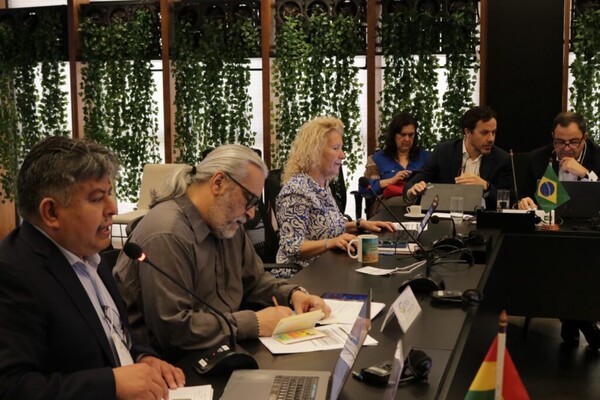
아마존협력조약기구(ACTO)는 ‘아마존 대수층 시스템(AAS) 프로젝트’를 통해 아마존 지역 지하수 보호와 지속 가능한 관리를 위한 초국경 협력 체계 구축에 나선다. [사진제공(Photo Source) = 아마존협력조약기구(ACTO)]
18일, 아마존협력조약기구(Amazon Cooperation Treaty Organization, ACTO)는 유엔환경계획(UNEP), 미주개발은행(IDB), 글로벌환경기금(GEF)과 협력해 브라질 브라질리아(Brasília)에서 ‘아마존 대수층 시스템(Amazon Aquifer Systems, AAS) 프로젝트’를 공식 출범했다.
‘아마존 대수층 시스템의 보호와 지속 가능한 관리를 위한 이해 증진(Towards a Better Understanding of Amazon Aquifer Systems for their Protection and Sustainable Management)’을 주제로 추진되는 이번 사업은 아마존 지역 지하수에 대한 과학적 이해를 높이고 지속 가능한 관리 역량을 강화하기 위한 지역 협력 프로젝트다.
출범식에는 ACTO 회원국 8개국 대표단을 비롯해 각국 수자원 당국 관계자와 지하수 전문가, 프로젝트 재정 지원 및 이행 기관 관계자들이 참석했다. 이번 사업은 ACTO가 총괄 수행기관 역할을 맡는다.
개회 세션에서 각국 대표단은 이번 사업이 아마존 유역의 통합수자원관리(IWRM) 강화에 갖는 전략적 중요성을 강조했다.
아마존은 풍부한 지표수로 잘 알려져 있지만, 대수층 시스템은 특히 가뭄 시기 지역의 물안보 확보와 생태계 유지, 기후 조절 측면에서 핵심적인 역할을 수행하고 있다. 그러나 이러한 지하수 자원은 아직 충분히 연구되지 않았으며, 기후 변화와 오염, 규제되지 않은 개발, 자연 자원에 대한 인간 활동 증가 등으로 위협이 커지고 있다고 참석자들은 지적했다.
에디스 파레데스(Edith Paredes) ACTO 행정국장은 “이번 프로젝트는 아직 충분히 알려지지 않은 아마존 대수층 시스템을 보호하고, 지하수 자원의 보전과 보호를 위한 보다 효과적인 체계를 구축할 수 있는 전략적 기회”라며 “이 사업이 앞으로도 ACTO의 핵심 대표 사업으로 자리매김할 수 있도록 노력하겠다”고 밝혔다.
UNEP를 대표해 참석한 이사벨 반더벡(Isabelle Vanderbeck)은 “이번 사업이 단순한 과학 연구를 넘어 지역 차원의 지하수 거버넌스 강화를 목표로 하고 있다”고 강조했다. 이어 “이번 프로젝트는 각국의 정보 수집과 지하수 관리 역량 강화를 지원할 것”이라며 “지하수는 역사적으로 국제사회에서 상대적으로 주목받지 못했던 분야인 만큼, 이번 사업은 아마존을 관련 분야의 국제적 모범 사례로 자리매김할 수 있는 기회가 될 것”이라고 말했다.
티아고 페냐(Tiago Pena) 브라질 미주개발은행(IDB) 물·위생 부문 선임전문가는 이번 지역 협력 사업에 대한 기관 차원의 지원 의지를 재확인했다. 그는 “IDB는 지역 협력 체계 구축과 역량 강화, 지역 공공재 창출을 촉진하기 위해 전 과정에 걸쳐 기술 지원을 이어갈 것”이라며 “이번 사업이 아마존 지역 주민과 미래 세대를 위한 성공적인 이니셔티브가 될 것으로 기대한다”고 설명했다.
AAS 프로젝트는 향후 5년간 추진될 예정이며, 아마존 대수층 시스템에 대한 이해를 높이고 지역 내 의사결정과 통합수자원관리를 지원할 과학적 기반 마련을 목표로 한다.
이번 사업은 아마존 유역 통합수자원관리 전략행동계획(Strategic Action Programme, SAP)의 전략 과제 2·3 이행에도 기여한다. 해당 과제는 아마존 대수층의 보호·관리·모니터링과 지하수 보호 및 지속 가능한 이용을 위한 지역 프로그램 개발을 포함하고 있다.
프로젝트 주요 구성
AAS 프로젝트는 과학 연구와 초국경 거버넌스 강화, 시범 사업 추진, 기술·제도 역량 개발, 초국경 진단 분석(Transboundary Diagnostic Analysis) 및 아마존 대수층 시스템 전략행동계획(PAE) 수립 등 5개 핵심 분야를 중심으로 추진된다.
호르헤 아바드(Jorge Abad) AAS 프로젝트 지역조정관은 이번 사업이 아마존 내 다양한 환경 시스템 간 연계성에 대한 이해를 심화하는 데 목적이 있다고 설명했다.
그는 “이번 프로젝트는 다중 과정·다중 규모 통합 접근 방식을 채택하고 있다”며 “대수층과 산림, 하천, 대기 간 상호작용을 보다 깊이 이해하고, 다양한 규모에서 아마존의 수문 순환 체계를 분석하는 것이 목표”라고 말했다.
아바드 조정관에 따르면 이번 사업은 지하수 흐름과 아마존 환경 시스템 간 연계성에 대한 과학적 이해를 강화해 보다 통합적인 공공정책과 장기 지역 전략 수립에 기여하는 것을 목표로 한다. 이를 위해 수리지질(Hydrogeological) 조사와 모니터링, 모델링, 제도 분석, 지하수 관리를 위한 지역 협력 강화 등의 활동이 추진될 예정이다.
시범 사업 추진
프로젝트의 세 번째 핵심 분야는 아마존 국가들을 대상으로 한 8개 시범 사업 추진이다. 해당 사업은 지하수 모니터링과 보호, 지속 가능한 관리를 위한 혁신적 해결 방안 마련에 초점을 맞추고 있다.
시범 사업에는 볼리비아의 금 채굴이 대수층에 미치는 영향 연구를 비롯해 콜롬비아의 지하수 보호를 위한 다자치단체 협력 체계 구축, 에콰도르 나포강(Napo River) 유역 대수층 시스템의 수리지질 특성 분석, 페루의 물안보 강화를 위한 수리지질 평가 등이 포함된다. 또 수리남 지역사회 대상 지하수 자원 지도화 사업과 베네수엘라의 자연 함양 지역 보호 활동, 브라질·볼리비아 및 가이아나·수리남 간 양자 협력 프로젝트도 추진될 예정이다.
양자 협력 시범 사업 가운데 브라질·볼리비아 공동 사업은 코비자(Cobija), 브라질레이아(Brasiléia), 에피타시올란지아(Epitaciolândia) 일대 초국경 지하수 자원의 거버넌스 강화를 목표로 추진된다. 이 사업은 기술·과학 연구와 제도적 협력, 환경교육, 관리 프로토콜 구축 등을 통합적으로 추진하며, 향후 아마존 내 다른 지역에도 적용 가능한 모델 마련에 초점을 두고 있다.
또 다른 양자 협력 사업으로는 가이아나와 수리남이 양국 연안 지역에 위치한 초국경 퇴적성 대수층의 통합 평가와 지속 가능한 보호를 위한 공동 사업을 추진한다. 이번 프로젝트는 공동 지하수 시스템에 대한 과학적 이해를 확대하고, 환경·기후 압력에 취약한 지역에서 지속 가능한 지하수 관리 방안을 시험하는 데 목적이 있다.
아마존 대수층의 전략적 중요성
아마존 대수층 시스템은 아마존 유역 여러 국가에 걸쳐 형성된 광범위한 지하수 네트워크로, 아직 과학적으로 충분히 규명되지 않은 상태다. 아마존 지역은 풍부한 하천을 보유하고 있지만, 지하수는 식수 공급과 생태계 유지, 기후 회복력 확보에 핵심적인 역할을 하고 있으며 특히 건기 기간 그 중요성이 더욱 커진다.
AAS 프로젝트는 과학적 연구와 지역 거버넌스, 초국경 협력을 강화함으로써 이러한 전략적 지하수 시스템 보호와 아마존의 장기적인 물 지속가능성 확보에 기여하는 것을 목표로 하고 있다.
[원문보기]
Amazonian aquifers gain regional project to strengthen knowledge and protection of groundwater
The Amazon Cooperation Treaty Organization (ACTO), in partnership with the United Nations Environment Programme (UNEP), the Inter-American Development Bank (IDB) and the Global Environment Facility (GEF), officially launched this Monday, the 18th, in Brasília, the Amazon Aquifer Systems (AAS) Project: “Towards a Better Understanding of Amazon Aquifer Systems for their Protection and Sustainable Management”, a regional initiative aimed at strengthening scientific knowledge and the sustainable management of groundwater in the Amazon.
The launch brought together representatives from the eight ACTO Member Countries, including national water authorities and groundwater specialists, as well as representatives of the partner institutions responsible for financing and implementing the project, which will have ACTO as the executing entity.
During the opening session, delegations highlighted the strategic relevance of the initiative for strengthening Integrated Water Resources Management (IWRM) in the Amazon Basin.
Although the Amazon is globally recognized for its abundance of surface waters, aquifer systems play a fundamental role in water security, ecosystem maintenance and climate regulation in the region, especially during drought periods.
However, these groundwater resources remain poorly understood and face growing threats associated with climate change, contamination, unregulated exploitation and increasing human pressure on natural resources.
“This project represents a strategic opportunity to protect Amazonian aquifer systems that are still little known and to advance more effective processes for the conservation and protection of these groundwater resources. We will work to ensure that this initiative continues to be an important flagship of ACTO,” said Edith Paredes, Administrative Director of ACTO.
Representing UNEP, Isabelle Vanderbeck emphasized that the project goes beyond the scientific dimension and seeks to strengthen regional groundwater governance.
“This project will support countries in collecting information and strengthening groundwater management. Historically, groundwater receives little attention at the global level, so this initiative represents an opportunity to position the Amazon as an international reference on this issue,” she stated.
Tiago Pena, Senior Specialist in the Water and Sanitation Division of the IDB in Brazil, reaffirmed the institution’s support for the regional process. “The IDB reaffirms its commitment to technically support countries throughout this process, promoting regional coordination, capacity strengthening and the generation of regional public goods. We trust in the success of this initiative for the benefit of Amazonian populations and future generations,” he said.
With an expected duration of five years, the AAS Project seeks to advance towards a better understanding of Amazonian aquifer systems, promoting scientific foundations that contribute to decision-making and integrated water resources management in the region.
The initiative contributes to the implementation of the Strategic Actions 2 and 3 of the Strategic Action Programme (SAP) for the Integrated Water Resources Management of the Amazon Basin, related to the protection, management and monitoring of Amazonian aquifers, as well as to the development of a regional programme for the protection and sustainable use of groundwater.
Project components
The AAS Project is structured around five complementary components, covering scientific research, strengthening transboundary governance, implementation of pilot projects, development of technical and institutional capacities, and the formulation of a Transboundary Diagnostic Analysis and a chapter of the Strategic Action Program (PAE) for Amazonian aquifer systems.
According to Jorge Abad, Regional Coordinator of the AAS Project, the initiative seeks to deepen understanding of the connections between different environmental systems in the Amazon.
“The project adopts a multi-process and multi-scale integration approach. We seek to better understand the interactions between aquifers, forests, rivers and the atmosphere, considering Amazonian hydrological cycles at different scales,” he explained.
According to Abad, the proposal aims to strengthen scientific understanding of underground flows and their relationship with Amazonian environmental systems, contributing to more integrated public policies and long-term regional strategies. Planned actions include hydrogeological research, monitoring, modelling, institutional analyses and strengthening regional cooperation for groundwater management.
Pilot projects
The project’s third component includes the implementation of eight pilot projects in Amazonian countries, focused on innovative solutions for groundwater monitoring, protection and sustainable management.
The initiatives include studies on the impacts of gold mining on aquifers in Bolivia; multi-municipal cooperation mechanisms for groundwater protection in Colombia; hydrogeological characterization of the aquifer system in the Napo River Basin in Ecuador; hydrogeological assessments for water security in Peru; mapping of groundwater resources in communities in Suriname; actions to protect natural recharge areas in Venezuela; as well as binational projects between Brazil and Bolivia and between Guyana and Suriname.
Among the binational pilots, the initiative between Brazil and Bolivia stands out for its focus on strengthening governance of transboundary groundwater resources between Cobija, Brasiléia and Epitaciolândia, integrating technical-scientific studies, institutional aspects, environmental education and protocols that may be replicated in other areas of the Amazon.
Another binational initiative will bring together Guyana and Suriname in actions focused on the integrated assessment and sustainable protection of transboundary sedimentary aquifers in the coastal regions of both countries. The project aims to expand scientific knowledge about these shared systems and test innovative approaches for the sustainable management of groundwater in areas vulnerable to environmental and climate pressures.
The strategic importance of Amazonian aquifers
Amazonian Aquifer Systems constitute a vast network of groundwater extending across different countries of the Amazon Basin and still remain poorly understood scientifically. Despite the abundance of rivers in the region, groundwater is essential for human supply, ecosystem maintenance and climate resilience, especially during dry periods.
By strengthening scientific knowledge, regional governance and transboundary cooperation, the AAS Project seeks to contribute to the protection of these strategic systems and to the long-term water sustainability of the Amazon.
출처 = 아마존협력조약기구(ACTO)(https://otca.org/en/amazonian-aquifers-gain-regional-project-to-strengthen-knowledge-and-protection-of-groundwater/) / 2026년 5월 19일]
|  즐겨찾기 추가
 시작페이지로 설정
























