[EU] 복합 재난 동반 홍수, 30년간 발생 빈도 약 3배 증가
유럽 홍수 70% 이상, 가뭄·폭염·강풍 등 복합 재난과 동반 발생
EU 재난관리 체계·보험 모델, 복합 홍수 위험 반영 필요성 확대
국제학술지 『네이처 커뮤니케이션즈(Nature Communications)』게재
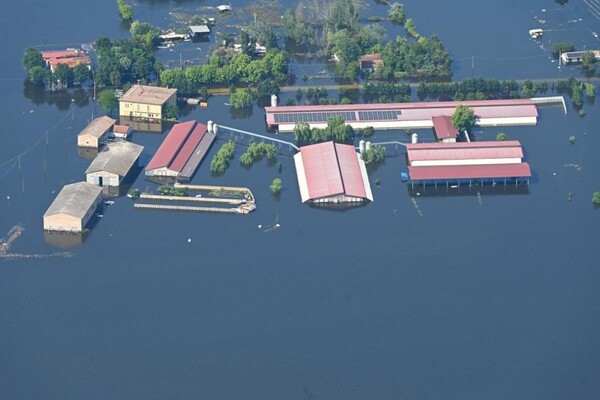
2023년 에밀리아-로마냐(Emilia-Romagna) 재난은 여러 재난 요인이 복합적으로 작용한 홍수의 최근 사례로 꼽힌다. [사진출처(Photo Source) = 유럽연합 집행위원회(European Commission)]
2023년 5월 장기 가뭄 직후 발생한 이탈리아 에밀리아로마냐(Emilia-Romagna) 홍수부터 강풍과 침수를 동반한 폭풍까지, 실제 홍수 위험은 단일 재난으로 설명하기 어렵다. 그러나 대부분의 위험 예측 모델과 보험 체계, 조기경보 시스템은 여전히 홍수를 독립적인 단일 재난으로 취급하고 있다.
유럽연합 공동연구센터(JRC) 연구진이 포츠담기후영향연구소(Potsdam Institute for Climate Impact Research), 암스테르담 자유대학교(Vrije Universiteit Amsterdam), 루뱅대학교(University of Louvain)와 공동으로 수행한 새로운 국제 연구에 따르면, 유럽 내 홍수의 70% 이상이 실제로는 복합 재난인 것으로 나타났다.
이는 사회·환경적 위험을 키우는 여러 재난 요인이 동시에 결합된 형태의 재난으로, 가뭄·폭염·강풍을 동반한 폭풍과 홍수가 동시에 발생한 사례 등 최소 한 가지 이상의 위험 요소가 홍수 이전이나 발생과 동시에 나타나는 경우를 의미한다.
연구 기간 동안 홍수와 다른 재난이 결합된 복합 재난의 평균 피해 규모는 단독 홍수 대비 2.8배 더 큰 것으로 나타났다. 특히 경제적 손실 규모 상위 1%에 해당하는 모든 사례는 이러한 복합 재난 유형에 속한 것으로 분석됐다.
연구 데이터에 따르면 홍수는 점점 두 가지 이상의 재난과 동시에 발생하는 경향을 보이고 있다. 1980년대부터 2010년대 사이 복합 재난형 홍수는 186% 증가한 반면, 단독 홍수 증가율은 16%에 그친 것으로 나타났다.
위험 요인으로 떠오른 ‘복합성’
연구진은 유럽 전역 최초의 체계적 분석을 위해 1981~2020년 발생한 1천349건의 홍수 사례를 대상으로 과거 피해 데이터와 기상·수문 기록을 결합해 조사했다.
분석 대상은 △습윤 상태 이후 발생한 홍수 △가뭄 이후 홍수로 전환된 사례 △폭염과 홍수가 연이어 발생한 사례 △한파와 홍수가 결합된 사례 △강풍 폭풍과 홍수가 동시에 발생한 사례 등 5가지 복합 홍수 유형이다.
연구진은 설명 가능한 인공지능(AI) 기반 머신러닝과 인과추론 기법을 활용해 분석한 결과, 다른 재난과 동시에 발생한 홍수는 홍수 규모와 지역 취약성을 고려하더라도 평균 피해 규모가 더 큰 것으로 나타났다고 밝혔다. 특히 이미 취약성이 높은 지역에서는 이러한 영향이 더욱 크게 나타났으며, 물리적 위험과 사회적 취약성이 서로 영향을 주며 피해를 증폭시키는 것으로 분석됐다.
복합 홍수 대응 위한 정책 전환 요구
유럽의 재난위험관리 체계는 점차 다중 재난 접근 방식을 요구받고 있다. 유럽연합(EU)의 ‘재난 회복력 예측(Anticipate disaster resilience)’ 목표 역시 위험 기반 의사결정을 지원하기 위한 데이터와 분석 도구 강화를 강조하고 있다. 또 2028년 발표 예정인 제2차 유럽 기후위험평가(European Climate Risk Assessment)는 다른 재난과 동시에 발생하는 홍수를 중점 분석 분야로 명시했다. 이번 연구는 분석 공백 해소에 기여할 것으로 평가된다.
이번 연구 결과는 여러 정책 분야에 분명한 시사점을 제공한다. 지역별 위험 평가와 재난 대응 계획 수립 과정에서 복합 재난 요소를 반영할 경우, 더 큰 위험에 노출된 지역을 보다 정확히 식별할 수 있어 맞춤형 예방·대응 체계 구축에 도움이 될 것으로 분석됐다.
EU가 적극 추진 중인 다중 재난 조기경보 시스템에서도 이러한 연구 결과의 활용 가능성이 크다. 연구진은 홍수 규모뿐 아니라 복합 재난 정보를 함께 반영할 경우, 가장 큰 피해를 초래할 수 있는 재난 상황을 보다 정확하게 예측할 수 있을 것으로 전망했다.
보험업계와 금융 리스크 모델링 분야에서도 복합 홍수 위험이 체계적으로 과소평가되고 있다는 점이 확인됐다. 이에 따라 연구진은 재난을 개별적으로 분리해 평가하는 기존 손실 예측 모델과 보험료 산정 체계를 재검토할 필요가 있다고 지적했다.
이번 연구 논문은 국제학술지 『네이처 커뮤니케이션즈(Nature Communications)』에 5월 19일 자로 ‘유럽 전역에서 복합 재난이 홍수 경제 피해에 미치는 영향(Compounding hazards increase flood economic losses across Europe)’이라는 제목으로 게재됐다.
[원문보기]
Floods with compounding hazards increased almost threefold in 30 years
From the Emilia-Romagna floods of May 2023 — which struck after a prolonged drought — to storms that bring extreme winds and inundation, the reality of flood risk is rarely simple. Yet most risk models, insurance frameworks, and early warning systems still treat floods as standalone events.
A new international study ****led by JRC scientists, in collaboration with the Potsdam Institute for Climate Impact Research, Vrije Universiteit Amsterdam, and the University of Louvain, now found that more than 70% flood events in Europe are in fact compound events, that is they combine multiple hazards that contribute to societal or environmental risk. They involve at least one compounding hazard — such as drought, heatwave, or windstorm occurring before or alongside the flooding.
On average, losses from floods combined with other hazards were 2.8 times higher than those from floods alone over the study period. Every event in the top 1% of economic losses belonged to one of these compound event types.
The data reveals a worrying trend: floods are increasingly occurring alongside two or more other hazards. Between the 1980s and the 2010s, these compound events rose by 186% — compared to just 16% for floods occurring alone.
Complexity as a risk factor
To build the first systematic, pan-European picture of its kind across Europe, researchers combined a database of historical flood impacts with meteorological and hydrological records, covering 1 349 flood events between 1981 and 2020. They examined five types of combined flood events: flood preceded by wet conditions, drought-to-flood transitions, heatwave–flood sequences, cold spell–floods, and windstorm–floods.
Using machine learning with explainable AI and a causal inference approach, the authors found that regions where floods occur alongside other hazards consistently suffer greater average losses — even when accounting for the size of the flood and local vulnerability. In already fragile regions, the effect is even stronger, suggesting that physical and social risks are reinforcing each other.
What this means for policy
Europe's disaster risk management frameworks are increasingly required to adopt multi-hazard approaches. The EU's Anticipate disaster resilience goal calls for better data and analytical tools to support risk-informed decision-making, while the upcoming second European Climate Risk Assessment (due 2028) has explicitly identified floods occurring alongside other hazards as a priority area for deeper analysis — a gap that studies such as this one aim to help address.
These findings have clear implications across several policy areas. For regional risk assessments and civil protection planning, incorporating compound hazard complexity would help identify the regions facing greater risk, enabling better-targeted preparedness and response.
For multi-hazard early warning systems, which the EU is actively developing, integrating information about combined hazards — not just flood severity — could significantly improve the ability to anticipate the most damaging events.
For the insurance industry and financial risk modelling, the systematic underestimation of compound flood risk points to the need to revisit loss models and pricing frameworks that treat hazards in isolation.
출처 = 유럽연합 집행위원회(European Commission)(https://joint-research-centre.ec.europa.eu/jrc-news-and-updates/floods-compounding-hazards-increased-almost-threefold-30-years-2026-05-20_en) / 2026년 5월 20일]
[연구논문 출처 = 『유럽 전역에서 복합 재난이 홍수 경제 피해에 미치는 영향(Compounding hazards increase flood economic losses across Europe)』(https://www.nature.com/articles/s41467-026-73248-0) / 2026년 5월 19일]
|  즐겨찾기 추가
 시작페이지로 설정
























