[유럽] [2026] [영국] 영국 환경청 “윈더미어 호수 하수·농업 오염 줄이면 남조류 감소”
이름
관리자
작성일
2026-05-21
조회수
782
파일첨부
[영국] 영국 환경청 “윈더미어 호수 하수·농업 오염 줄이면 남조류 감소”
기후변화 영향으로 2070년대 호수 오염물질 최대 7% 증가 전망
하수처리 개선·농업 유출 저감 시 남조류 위험일수 감소 확인
정화조 포함 모든 하수 유입 차단 시 향후 50년 기후영향 상쇄 가능성 제시
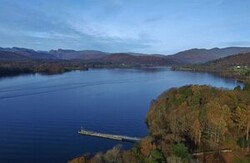
영국 환경청(Environment Agency)은 윈더미어 호수(Lake Windermere)의 하수·농업 오염을 줄일 경우 기후변화에 따른 남조류 발생 위험을 낮출 수 있다는 연구 결과를 발표했다. [사진출처(Photo Source) = UK GOV]
영국 환경청(Environment Agency)은 윈더미어 호수(Lake Windermere)의 하수·농업 오염을 줄일 경우 기후변화에 따른 남조류 발생 위험을 낮출 수 있다는 연구 결과를 발표했다.
이번 연구는 환경청 수석과학자그룹(Chief Scientist’s Group)이 영국생태수문센터(UK Centre for Ecology & Hydrology, UKCEH)와 공동 수행했다. 연구진은 컴퓨터 모델링을 활용해 기후변화가 향후 수십 년간 윈더미어 호수와 인근 에스트웨이트워터(Esthwaite Water)의 영양염류 유입에 미치는 영향을 분석했다.
연구는 인(Phosphorus)과 질소(Nitrogen) 등 영양염류를 중심으로 진행됐다. 이들 물질은 하수와 농경지 등을 통해 호수로 유입되며, 농도가 높아질 경우 남조류 증식과 수질 악화를 유발할 수 있다고 설명했다.
연구 결과에 따르면 기후변화가 지속될 경우 2070년대에는 호수로 유입되는 오염물질 양이 연간 최대 7% 증가할 수 있는 것으로 나타났다. 특히 증가 폭은 수영객과 관광객 이용이 많은 여름철에 집중될 것으로 전망됐다.
환경청은 별도 대응이 없을 경우 유해 남조류 발생 가능성이 높아질 수 있다고 밝혔다. 남조류는 수질을 악화시키고 야생동물과 관광·레저 활동에도 피해를 줄 수 있다고 설명했다.
연구진은 하수처리 고도화와 농업 유출 저감 등 세 가지 오염 저감 시나리오를 적용해 효과를 분석했다. 여기에는 토양 침식 저감과 가축분뇨 안전 저장 방안 등도 포함됐다.
그 결과 모든 시나리오에서 세계보건기구(WHO)가 인체 건강 위험 수준으로 판단하는 남조류 발생 일수가 감소하는 효과가 확인됐다.
특히 윈더미어 호수에서는 정화조를 포함한 모든 하수 유입을 차단하는 가장 강력한 시나리오가 향후 50년간 예상되는 기후변화 영향을 상쇄할 수 있는 것으로 분석됐다.
앤디 브라운(Andy Brown) 환경청 수질규제 관리자(Water Regulation Manager)는 “윈더미어 호수는 영국에서 가장 소중한 호수 가운데 하나”라며 “하수와 농업 부문의 오염 저감은 미래 세대를 위한 호수 보호에 실질적인 도움이 될 수 있다”고 말했다.
환경청은 이번 연구 결과를 바탕으로 향후 규제 체계에서 보다 강화된 상하수도 기업 개선 조치를 추진할 계획이라고 밝혔다. 또한 이번 모델링 기법은 유사한 문제를 겪는 영국 내 다른 호수에도 적용 가능할 것으로 전망된다고 설명했다.
[원문보기]
Science shows how tackling pollution now can protect Windermere's future
Research shows that acting now to reduce nutrient pollution entering Lake Windermere can help protect its water quality from the effects of climate change
New research from the Environment Agency shows steps already being taken to reduce pollution in Windermere will help protect the lake’s water quality from algae growth, even as the climate changes.
Nevertheless, more ambitious action is needed to fully offset predicted impacts.
Scientists have studied Windermere for decades, with each piece of research adding another part to the jigsaw. Today’s report is part of a wider programme of work to understand the pressures the lake faces and guide action in response.
The study looks at nutrients. Substances like phosphorus and nitrogen that enter lakes from wastewater and from land. In small quantities these are a natural part of lake life, but in higher concentrations they can cause serious problems.
The research, carried out by the Environment Agency’s Chief Scientist’s Group, in collaboration with the UK Centre for Ecology & Hydrology (UKCEH), uses computer modelling to understand how climate change could change the amount and timing of nutrients reaching Windermere and Esthwaite Water, a small lake draining into Windermere, over the coming decades and what different types of action could do to help.
The findings show that by the 2070s, with climate change, the amount of these pollutants entering the lakes each year could increase by up to 7%. The rise would be most pronounced in summer, precisely when the lakes are busiest with swimmers, visitors, and local communities.
If nothing is done, this would make harmful blue-green algae more likely. Blue-green algae can make water unsafe to swim in, harm wildlife, and damage tourism and recreation.
However, the research also shows that action works. Scientists tested three approaches to reducing the pollution entering the lakes, including upgrades already underway to how wastewater is treated and the positive impact land managers and farmers can have to reduce nutrient run off in erosion of soils and safe storage of manures.
All three approaches reduced the number of days when blue-green algae reached levels the World Health Organisation considers a risk to human health, even when the additional pressures of climate change were factored in.
In Windermere, the most ambitious option tested - removing all wastewater including septic tanks - was enough to fully cancel out the projected effects of climate change on the lake in the next 50 years.
Andy Brown, Environment Agency Water Regulation Manager said: Windermere is one of England’s most treasured lakes and we are absolutely committed to protecting and improving its water quality.
This research builds our understanding further and gives us and our partners a stronger scientific foundation for making the right decisions about where investment needs to go, how we regulate pollution, and how we plan ahead for the pressures that climate change will bring.
The science is clear that local action can make a real difference. Reducing pollution from both wastewater and farming can help protect this lake for future generations, and that is exactly what we are working to achieve through our partnerships with Love Windermere, Only Rainwater into Windermere, and the wider community.
The research also makes clear that there is no single solution that works for every lake and that protecting water quality in future will require a coordinated effort across multiple sectors. Action already being taken will help, more ambitious action, that is currently being scoped, is needed to fully offset impacts.
Esthwaite Water, which is smaller and shallower than Windermere, remained a concern under every future scenario the scientists tested.
This is because factors like a lake’s size, depth and historic activities, all affect how it responds to pollution and climate change. Managing these pressures well means that understanding each lake on its own terms is essential.
The Environment Agency will use the evidence from the Nutrient Futures for Windermere report to push for more ambitious water company improvements in future regulatory cycles. The modelling approach is also transferable and could be applied to other lakes across England facing similar challenges.
 즐겨찾기 추가
 시작페이지로 설정