[UN] 유엔 과학자들 “개발도상국 60% 이상, 사회경제·물안보 복합 위기 직면…20억명 영향”
“안전하지 않은 식수, 기술 아닌 구조적 불평등의 결과”…빈곤·성 격차 악순환 심화
138개국 조사 결과 84개국서 물위기·재정난·성 불평등 중첩…아프리카 가장 취약
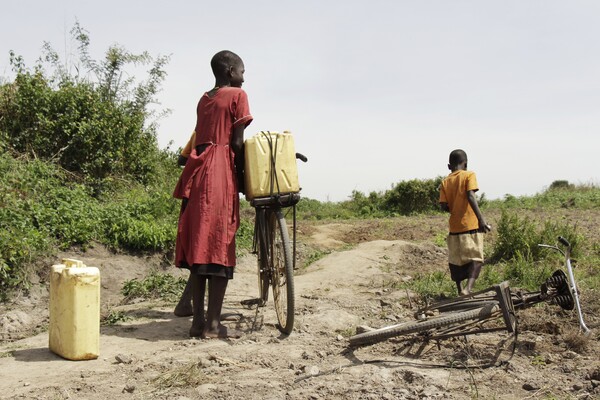
유엔대학교 물·환경·보건연구소(UNU-INWEH) 연구진은 개발도상국 다수에서 안전하지 않은 식수 문제가 빈곤과 성 불평등, 재정 취약성과 맞물려 약 20억 명에게 복합적인 위기를 초래하고 있다고 경고했다. [사진출처(Photo Source) = Pixabay]
유엔대학교 물·환경·보건연구소(United Nations University Institute for Water, Environment and Health, UNU-INWEH)는 138개국 수질 조사 보고서를 통해 안전하지 않은 식수 문제가 단순한 기술 문제가 아니라 빈곤과 성 불평등을 심화시키는 구조적 불평등의 결과라고 지적했다.
안전하지 않은 식수는 단순한 기술적 문제가 아니다. 이는 더 깊은 불평등의 신호라고 UNU-INWEH의 새로운 조사 보고서는 결론지었다. ‘수질: 구조적 불평등과 사회적 불의를 비추고 확대하는 거울(Water Quality: A Mirror and Magnifier of Structural Inequalities and Social Injustice)’이라는 보고서는 138개국의 수질 상태를 조사한 결과, 열악한 수질이 글로벌 사우스(Global South) 지역에서 빈곤과 성 불평등을 반영할 뿐 아니라 이를 더욱 악화시키고 있다고 밝혔다.
UNU-INWEH 연구진은 한 국가의 부유함 정도와 남녀가 얼마나 평등하게 대우받는지가 그 나라의 식수 안전 수준과 상당 부분 연관돼 있다는 사실을 발견했다. 분석 대상 국가의 약 75%에서 식수 안전은 국가의 부와 성평등 수준과 상관관계를 보였다. 이는 상수도 인프라 투자가 중요하지 않다는 뜻은 아니다. 오히려 배관과 정수시설만으로는 수질 개선이 보장되지 않는다는 의미다.
연구진은 수질 인프라의 수준과 함께, 국가가 해당 시스템을 지속적으로 유지·관리할 수 있는 경제적 여건을 갖추고 있는지, 또 여성들을 포함한 모든 사람이 동등한 권리와 보호, 서비스 접근성을 보장받고 있는지가 중요하다고 결론지었다.
조사 대상 국가 가운데 74개국(54%)은 기본적인 식수 안전 기준을 충족하지 못하는 것으로 나타났다. 또한 84개국(61%)은 안전하지 않거나 수질이 낮은 식수 문제와 함께, 물서비스 및 인프라에 투자할 재정 부족, 성 불평등 문제를 동시에 겪고 있는 것으로 조사됐다. 이처럼 중첩된 문제는 약 20억 명에게 영향을 미치고 있으며, 이는 글로벌 사우스 지역 인구 4명 중 1명에 해당한다.
이번 분석에서는 안전하지 않은 식수 문제와 빈곤, 성 불평등이 동시에 존재하며 서로를 더욱 악화시키는 41개국(약 30%)을 특히 취약한 국가군으로 지목했다. 연구진은 이들 국가가 건강 악화와 사회적 배제, 저개발이 반복되는 악순환에 갇혀 있다고 설명하며 이를 ‘루즈-루즈-루즈(lose-lose-lose)’ 상황이라고 표현했다.
재정 여건이 부족해 상수도 시스템 개선이 어렵고, 성 불평등으로 인해 여성과 소녀들이 안전하지 않은 물사용의 부담을 떠안는 경우가 많아 식수 안전 개선이 더욱 어려운 상황이라는 것이다. 반면, 안전한 식수와 더 강한 경제력, 낮은 성 격차를 동시에 갖춘 ‘윈-윈-윈(win-win-win)’ 국가군에 속한 나라는 전체의 39%인 54개국에 그쳤다.
이번 보고서의 주저자인 그레이스 올루와산야(Grace Oluwasanya) UNU-INWEH의 물·기후·젠더 분야 선임연구원 겸 교수는 “안전하지 않은 식수는 흔히 기술적 실패로 여겨지지만, 이번 연구 결과는 그것이 사회적 실패이기도 하다는 점을 보여준다”며 “수질은 누가 시스템의 보호를 받고, 누가 홀로 문제를 감당하도록 방치되는지를 보여주는 지표”라고 말했다.
보고서는 지역별로도 뚜렷한 차이가 나타났다고 밝혔다. 조사 대상 가운데 유럽의 개발도상국들이 가장 취약성이 낮은 것으로 나타났으며, 남아메리카, 아시아, 중앙아메리카, 카리브해 지역, 태평양 도서국들이 그 뒤를 이었다. 반면 아프리카는 가장 취약한 지역으로 평가됐는데, 이는 열악한 경제 여건과 거버넌스 문제, 더 심한 성 불평등 등이 반영된 결과라고 보고서는 설명했다.
공동 저자인 카베 마다니(Kaveh Madani) UNU-INWEH 소장 겸 교수는 “보고서는 전 세계 물시스템에 존재하는 심각한 불평등을 드러내는 경고”라며 “수질은 불평등을 비추는 거울이자 이를 더욱 확대시키는 요인으로 작용한다”고 말했다.
이어 “지속가능발전목표 달성을 진지하게 추구한다면 안전하지 않은 식수, 빈곤, 성 배제라는 세 가지 위협을 해결하는 것은 단순한 윤리적 과제가 아니라 전략적으로도 반드시 필요한 일”이라고 강조했다.
이러한 배제의 악순환을 끊기 위해 국내총생산(GDP) 중심의 사고방식과 인프라 확충에만 치중한 접근에서 벗어나야 한다고 보고서는 강조했다. 특히 연구진은 취약성이 높은 국가들을 대상으로 한 국제 금융 지원 확대와 공동의 물위기 관리를 위한 지역 간 협력 강화, 그리고 물관리 정책과 투자 결정 과정의 중심에 성평등을 두는 방안을 제안했다.
올루와산야 교수는 “메시지는 분명하다. 배관과 정수시설은 중요하지만, 그것만으로는 충분하지 않다”며 “기술만으로는 물위기를 해결할 수 없고, 불평등 문제를 해결하지 않는다면 물 관련 투자는 계속해서 수백만 명을 소외시킬 것”이라고 말했다. 이어 “물문제를 해결한다는 것은 결국 누구의 삶이 가치 있게 여겨지는지를 결정하는 시스템 자체를 바로잡는 일”이라고 강조했다.
[원문보기]
UN Scientists Warn That Over 60% of Developing Countries Face Overlapping Socioeconomic and Water Security Challenges, Affecting 2 Billion People
Unsafe drinking water is not just a technical problem. It is a sign of deeper inequality, concludes a new investigation of the state of water quality in 138 countries by the United Nations University Institute for Water, Environment and Health (UNU‑INWEH).
The report, Water Quality: A Mirror and Magnifier of Structural Inequalities and Social Injustice, shows that poor water quality mirrors and worsens poverty and gender inequality across the Global South.
The UN University scientists find that how rich a country is and how fairly men and women are treated mirrors its drinking water safety to a good extent. In nearly 75% of the analyzed countries, water safety is correlated with wealth and gender equality.
This does not suggest that investment in water infrastructure is unimportant. Instead, it suggests that pipes and treatment plants on their own would not guarantee improved water quality.
The UN scientists conclude that what matters, along with the state of water infrastructure, is whether a country can afford to maintain those systems and whether everyone, including women, has equal power, protection, and access to services.
Of the countries studied, 74 countries (54%) do not meet basic drinking water safety standards. At the same time, 84 countries (61%) face a combination of unsafe or poor-quality drinking water, limited financial resources to invest in water services and infrastructure, and gender inequality. Together, these overlapping challenges affect around 2 billion people, nearly one out of every four people living in the Global South.
The analysis identifies a particular vulnerable group of 41 countries (about 30%) in which unsafe water, poverty, and gender inequality co-exist and reinforce one another. These countries are trapped in cycles of ill health, exclusion, and underdevelopment, which the researchers refer to as a lose-lose-lose situation. Limited financial resources make it difficult to improve water systems, while gender inequality often means that women and girls shoulder the burden of unsafe water.
This makes it especially hard for these countries to improve water safety. By contrast, only 54 countries (39%) fall into a “win–win–win” category, with safer water, stronger economic capacity, and narrower gender gaps.
“Unsafe water is often treated as a technical failure,” said Professor Grace Oluwasanya, Senior Researcher on Water, Climate and Gender at UNU‑INWEH and lead author of the report. “But our findings show it is also a social failure. Water quality reflects who is protected by systems, and who is left to cope on their own.”
The report also shows clear regional differences. Developing countries in Europe are the least vulnerable among the studied group, followed by South America, Asia, Central America, the Caribbean, and the Pacific Islands. Africa ranks as the most vulnerable region, reflecting weaker economic conditions, governance challenges, and wider gender inequalities.
“This report is a wake-up call that exposes the profound injustice in our global water systems,” said Professor Kaveh Madani, Director of UNU-INWEH and a co-author of the report.
“Water quality acts as both a mirror and a magnifier of inequalities. If we are serious about achieving the Sustainable Development Goals, addressing this triple threat of unsafe water, poverty, and gender exclusion is not just an ethical imperative, but a strategic necessity.”
To break these cycles of exclusion, the report calls for a move beyond GDP-focused thinking and infrastructure-only solutions. The authors recommend targeted international financing for highly vulnerable countries, stronger regional cooperation to manage shared water risks, and placing gender equality at the centre of water governance and investment decisions.
“The message is clear: pipes and treatment plants matter, but they are not enough. Technology alone will not solve the water crisis. Without addressing inequality, water investments will continue to leave millions behind,” said Professor Oluwasanya. “Fixing water means fixing the systems that decide whose lives are valued.”
[출처 = 유엔대학교 물·환경·보건연구소(UNU-INWEH)(https://unu.edu/inweh/news/water-quality-mirror-and-magnifier-of-structural-inequalities-and-social-injustice) / 2026년 5월 6일]
[보고서 전문 = 『수질: 구조적 불평등과 사회적 불의를 비추고 확대하는 거울(Water Quality: A Mirror and Magnifier of Structural Inequalities and Social Injustice)』(https://unu.edu/inweh/collection/UNU-INWEH-Report-water-quality-mirror-and-magnifier-structural-inequalities-and-social-injustice) / 2026년 4월 14일]
|  즐겨찾기 추가
 시작페이지로 설정
























