[독일] 헬름홀츠 협회, 대규모 물연구 이니셔티브 출범
HZDR, 도시 회복력 및 하천 생태계 복원 연구에 기여
9개 연구센터 참여·900만 유로 지원…‘솔루션 랩’ 기반 실증 연구 추진
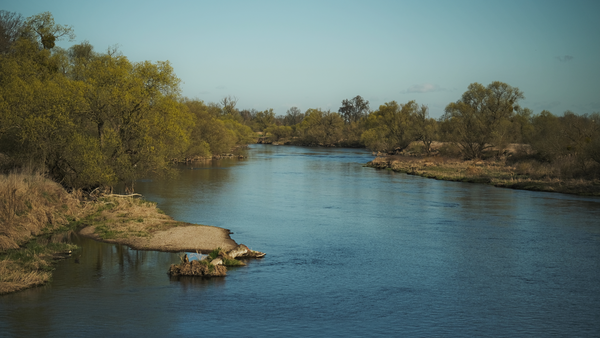
엘베강(Elbe River)으로 합류하기 직전의 물데강(Mulde River). 엘베강 유역의 복잡한 수계 네트워크를 형성하는 여러 하천 가운데 하나다. [사진제공(Photo Source) = B. 슈뢰더(B. Schröder)/헬름홀츠 드레스덴-로센도르프 연구센터(HZDR)]
물은 생명 유지에 가장 기본적인 자원 가운데 하나지만, 그 중요성에도 불구하고 점점 더 위협받고 있다. 기후변화와 급속한 도시화, 오염 증가로 전 세계 수자원 시스템에 전례 없는 압박이 가해지고 있다.
이에 대응해 헬름홀츠 협회(Helmholtz Association)는 인간의 건강과 환경을 동시에 보호하기 위한 실질적이고 과학 기반 해법을 개발하는 ‘워터 세이프티 앤 시큐리티 캠페인(Water Safety and Security Campaign)’을 출범했다.
헬름홀츠 협회의 ‘이니셔티브 앤 네트워킹 펀드(Helmholtz Initiative and Networking Fund)’에서 약 900만 유로(약 156억 원)를 지원받아 추진되는 이번 캠페인에는 헬름홀츠 산하 9개 연구센터가 참여한다. 연구·산업·정부·시민사회를 아우르는 협력 체계를 구축한 것이 특징이다.
이 이니셔티브의 핵심에는 ‘솔루션 랩(Solution Labs)’ 3곳이 있다. 이들은 실제 환경에서 혁신적인 물관리 방안을 시험하고 개선하는 실증 거점이다. 이들 랩은 유역 전체부터 도시 인프라, 미시적 오염물질 과정에 이르기까지 다양한 규모에서 운영된다.
헬름홀츠 드레스덴-로센도르프 연구센터(Helmholtz-Zentrum Dresden-Rossendorf, HZDR)는 라이프치히(Leipzig)의 ‘어반-LE 솔루션 랩(URBAN-LE Solution Lab)’과 엘베강 유역의 ‘솔브(Helmholtz SOlution Lab Elbe RiVEr Basin, SOLVE) 이니셔티브’ 두 개 프로젝트에 참여하고 있다.
도시 재구상: URBAN-LE 솔루션 랩
도시는 기후변화의 주요 원인이자 동시에 가장 취약한 대상 가운데 하나다. 폭염과 홍수, 물부족, 노후 인프라 등 복합적인 문제가 도시 전반에 걸쳐 나타나고 있다.
독일 라이프치히의 ‘URBAN-LE 솔루션 랩’은 이러한 과제에 대응하기 위해 도시 물관리 방식을 근본적으로 재구성하는 데 초점을 맞추고 있다. 이 랩의 핵심 개념은 ‘블루-그린-레드(Blue-Green-Red, BGR) 개발’이다.
이는 수자원 시스템(블루), 식생 등 생물학적 요소(그린), 에너지 인프라(레드)를 통합해 도시를 설계하는 접근법이다. 각 요소를 개별적으로 다루는 기존 방식에서 벗어나, 상호 연계를 통해 회복력 있고 지속 가능한 도시 구현을 목표로 한다.
이러한 시스템적 관점은 도시가 재생에너지로 전환하는 과정에서 특히 중요하다. 재생에너지는 인프라 시스템에 변동성을 초래할 수 있기 때문이다. 예를 들어 물공급망은 에너지 공급이 변동하는 상황에서도 안정적으로 운영돼야 한다.
‘URBAN-LE’는 식수가 안전하게 유지되고 인프라가 기후 스트레스에 적응하며, 환경 영향을 최소화하는 것을 목표로 한다. 또한 라이프치히 과학공원(Leipzig Science Park)을 첫 번째 연구 사례로 활용하고, 추가 실증 대상지 확대도 검토하고 있다.
HZDR 산하 클레와텍 혁신랩(CLEWATEC Innovation Lab) 책임자이자 URBAN-LE 프로젝트 총괄 연구자인 세바스티안 라이네케(Sebastian Reinecke) 박사는 “도시 회복력은 더 이상 개별적인 해결책만으로는 확보할 수 없다”고 말했다. 이어 “수자원 인프라와 도시 생태계, 에너지 및 열공급을 통합적으로 계획하는 시스템이 필요하다”며 “그래야만 도시가 변화하는 기후에 제대로 적응할 수 있다”고 강조했다.
HZDR이 물·에너지 시스템 연구 역량을 바탕으로 참여하는 어반-LE는 독일을 넘어 전 세계 미래 도시를 위한 모델로 제시되고 있다.
균형 회복: 엘베강 유역의 SOLVE 랩
도시가 물문제에 직면하는 한편, 하천 생태계 역시 심각한 부담을 받고 있다. 댐 건설과 토지 이용 변화, 오염 등 인간의 개입은 자연적인 물흐름을 크게 변화시키고 생태계 균형을 훼손해 왔다. 여기에 기후변화까지 더해지면서 생물다양성과 필수 생태계 서비스가 위협받고 있다.
SOLVE 이니셔티브는 이러한 문제에 대규모로 대응하고 있다. 헬름홀츠 산하 7개 연구센터와 10개 외부 이해관계자가 참여해, 엘베강 유역을 통합 물관리의 모델 시스템으로 삼고 있다. 이 프로젝트의 핵심 원칙은 ‘경관 내 물유지(keeping water in the landscape)’다. 자연적 수분 보유 기능을 강화하고 범람원을 복원하며, 생태계와 인간의 수요를 동시에 충족할 수 있도록 물관리 방식을 최적화하는 데 초점을 맞추고 있다.
SOLVE 프로젝트 총괄 연구자인 그레고리 르크리뱅(Gregory Lecrivain) 박사는 “우리의 목표는 단편적인 접근을 넘어 하천 시스템에 대한 통합적 이해를 구축하는 것”이라며 “수문학과 생태학, 사회과학을 결합함으로써 과학적 타당성과 실질적 효과를 모두 갖춘 전략을 마련할 수 있다”고 말했다.
HZDR에서는 연구진이 이 같은 노력에 혁신적인 기술을 더하고 있다. 그중 하나는 거품 형성을 통해 수질을 분석하는 새로운 접근법이다. 미생물과 펩타이드, 단백질 등은 수면에 축적되며 안정적인 거품을 형성할 수 있다. 연구진은 계면장력과 거품 안정성 등의 물리적 특성을 측정해 표면활성 오염물질을 보다 효율적으로 검출하는 방법을 개발하고 있다.
또 다른 연구에서는 엘베강 범람원에서 채취한 퇴적물 코어를 이동형 실험 설비에서 분석하고 있다. 이 시료에는 모의 홍수와 퇴적 조건을 적용해, 다양한 퇴적층을 통해 물이 어떻게 이동하는지를 관찰한다.
연구진은 초고속 X선 단층촬영과 중성자 방사선 촬영 등 첨단 이미징 기술을 활용해 이러한 변화를 실시간으로 추적하고 있다. 이를 통해 지하 수분 이동에 대한 전례 없는 수준의 통찰을 확보하고 있다.
이 연구는 ‘하천 흐름에서의 입자 재부유(Particle resuspension in riverine flows)’ 주니어 연구그룹의 일환으로, 드레스덴 콘셉트(DRESDEN-Concept) 이니셔티브의 지원을 받고 있다. 이러한 연구는 하천 시스템의 작동 원리에 대한 이해를 심화하고, 복원 방안을 마련하는 데 기여하고 있다.
[원문보기]
Helmholtz launches major water research initiative
HZDR contributes research on urban resilience and river ecosystem recovery
Backed by approximately 9 million euros from the Helmholtz Initiative and Networking Fund, the campaign brings together nine Helmholtz centers in a collaborative effort that bridges research, industry, government, and civil society.
At the heart of this initiative are three “Solution Labs” – real-world demonstration sites where innovative water management approaches are tested and refined. These labs operate across different scales, from entire river basins to urban infrastructures and even microscopic pollutant processes. The Helmholtz-Zentrum Dresden-Rossendorf (HZDR) contributes with two projects: the URBAN-LE Solution Lab in Leipzig and the SOLVE initiative in the Elbe River basin.
Water is one of the most fundamental resources for life – yet it is increasingly under threat. Climate change, rapid urbanization, and rising pollution levels are placing unprecedented pressure on water systems worldwide.
In response, the Helmholtz Association has launched an ambitious Water Safety and Security Campaign, designed to develop practical, science-based solutions that protect both human health and the environment.
Rethinking Cities: The URBAN-LE Solution Lab
Cities are both drivers of climate change and among its most vulnerable victims. From heatwaves and flooding to water scarcity and aging infrastructure, urban areas face a complex web of challenges. The URBAN-LE Solution Lab in Leipzig aims to tackle these issues head-on by reimagining how cities manage water.
The concept behind the lab is known as “blue-green-red” (BGR) development. It integrates water systems (blue), biological elements such as vegetation (green), and energy infrastructure (red) into a unified approach to urban planning. Rather than treating these systems separately, the lab explores how they can work together to create resilient, sustainable cities.
This systemic perspective is especially important as cities transition to renewable energy sources, which can introduce variability into infrastructure systems. Water networks, for example, must remain reliable even as energy supply fluctuates.
URBAN-LE seeks to ensure that drinking water remains safe, infrastructure adapts to climate stress, and environmental impacts are minimized. The Leipzig Science Park is to serve as first study case for the project, with other demonstration sites being explored.
“Urban resilience can no longer be achieved through isolated solutions,” says Dr. Sebastian Reinecke, head of Innovation Lab CLEWATEC at HZDR and lead scientist in the URBAN-LE project.
“We need integrated systems where water infrastructure, urban ecosystems, and energy as well as heat supply are planned together – only then can cities truly adapt to the changing climate.” With HZDR contributing its expertise in water and energy systems research, URBAN-LE serves as a blueprint for future cities – not just in Germany, but globally.
Restoring Balance: The SOLVE Lab in the Elbe River Basin
While cities face mounting water challenges, river ecosystems are also under strain. Human interventions – such as dam construction, land-use changes, and pollution – have significantly altered natural water flows and disrupted ecological balance. Climate change is compounding these effects, threatening biodiversity and essential ecosystem services.
The SOLVE (Helmholtz SOlution Lab Elbe RiVEr Basin) initiative is tackling these issues at a large scale. Bringing together expertise from seven Helmholtz centers and ten external stakeholders, SOLVE focuses on the Elbe River basin as a model system for integrated water management.
Its guiding principle is simple yet powerful: “keeping water in the landscape.” This means enhancing natural water retention, restoring floodplains, and optimizing water management practices to support both ecosystems and human needs.
“Our goal is to move beyond fragmented approaches and create a holistic understanding of river systems,” explains Dr. Gregory Lecrivain, lead scientist in the SOLVE project. “By combining hydrology, ecology, and social sciences, we can develop strategies that are both scientifically sound and practically effective.”
At HZDR, researchers are contributing innovative techniques to this effort. One novel approach focuses on analyzing water quality through foam formation. Microorganisms, peptides, and proteins can accumulate at water surfaces, forming stable foams. By measuring properties such as interfacial tension and foam stability, scientists can detect surface-active pollutants in a new and efficient way.
In another line of research, sediment cores from the Elbe floodplain are being studied in a transportable experimental facility. These samples are subjected to simulated flooding and sedimentation events, allowing researchers to observe how water moves through different sediment layers.
Using advanced imaging techniques such as ultrafast X-ray tomography and neutron radiography, they can track changes in real time – offering unprecedented insights into subsurface water dynamics.
This work is part of the junior research group “Particle resuspension in riverine flows” and supported by the DRESDEN-Concept initiative. Together, these efforts contribute to a deeper understanding of how river systems function and how they can be restored.
[출처 = 헬름홀츠 드레스덴-로센도르프 연구센터(HZDR)(https://www.hzdr.de/db/Cms?pOid=77479&pNid=0&pLang=en) / 2026년 4월 20일]
|  즐겨찾기 추가
 시작페이지로 설정
























