[미국] 미국 국토개발국, 콜로라도강 시스템 보호 조치 착수
저수량 36% 수준…4천만명 공급 물시스템 위기 심화
파월호 유입량 약 34억2천만㎥…역대 최저 수준 중 하나
방류 조정·상류 이송 통해 최대 약 30억6천만㎥ 추가 확보 계획
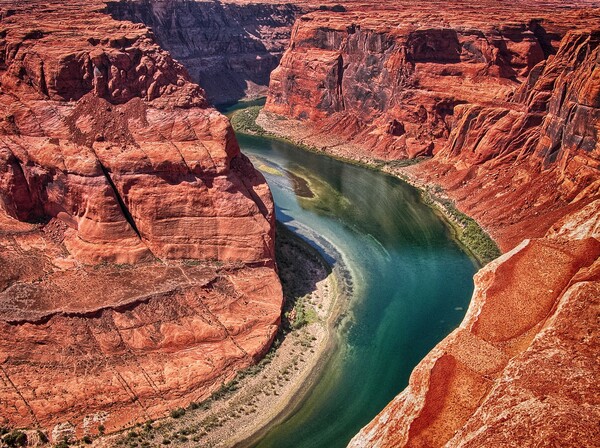
미국 국토개발국(Reclamation)은 장기 가뭄과 기록상 가장 낮은 겨울 적설량이 겹치면서 콜로라도강 시스템 보호를 위한 신속한 조치에 착수했다고 밝혔다. [사진출처(Photo Source) = 미국 국토개발국]
미국 국토개발국(Reclamation)은 장기 가뭄과 기록상 가장 낮은 겨울 적설량이 겹치면서 콜로라도강 시스템 보호를 위한 신속한 조치에 착수했다고 밝혔다.
현재 콜로라도강 시스템의 저수량은 전체 용량의 약 36% 수준으로 감소했으며, 기록적인 적설량 부족과 3월의 이상 고온이 더해져 유역 전반의 가뭄 상황이 더욱 악화되고 있다. 이러한 복합적 요인은 4천만 명 이상에게 물을 공급하는 핵심 물 및 전력 인프라에 대한 위험을 높이고 있다.
파월호(Lake Powell)의 연간 최소 유입량은 약 34억2천만㎥로 예측되며, 이는 과거 평균의 29% 수준으로 기록상 가장 낮은 수준 중 하나다. 국토개발국이 매월 발표하는 ‘24개월 전망 보고서’에 따르면, 대규모 개입이 없을 경우 파월호 수위는 2026년 8월까지 최소 발전 가능 수위인 약 1천64m 아래로 떨어질 수 있다. 이 경우 글렌캐니언댐(Glen Canyon Dam)은 하부 배출구를 통한 방류만 가능해져 운영 문제, 이용자 불확실성, 하류 영향, 전력·용수 공급 불안정, 발전량 감소 등이 발생할 수 있다.
더그 버검(Doug Burgum) 내무장관(Interior Secretary)은 애리조나, 캘리포니아, 콜로라도, 네바다, 뉴멕시코, 유타, 와이오밍 등 7개 유역 주지사들과 만나 수문 상황과 운영 계획을 논의했다.
버검 장관은 “즉각적인 대응이 필요한 전례 없는 가뭄 상황 속 복합적인 문제 해결을 위해 주지사들과 협력하고 있다”며 “내무부와 국토개발국은 유역 주, 부족, 멕시코, 이해관계자들과 함께 시스템 운영과 보호를 위한 결정을 지속적으로 추진하고 있다”고 밝혔다.
국토개발국은 시스템 안정을 위해 상류 플레밍고지 저수지(Flaming Gorge Reservoir)에서 물을 이동시키고 파월호 방류량을 줄여 최대 약 30억6천만㎥의 물을 추가 확보할 계획이다.
2019년 가뭄 대응 운영 협약에 따라 2026년 4월부터 2027년 4월까지 약 8억1천만㎥에서 12억3천만㎥ 규모의 물을 방류할 예정이다. 또한 2026년 9월까지 파월호에서 미드호(Lake Mead)로의 연간 방류량을 약 92억3천만㎥에서 약 74억㎥로 약 18억3천만㎥ 줄일 계획이다. 이러한 조치를 통해 파월호 수위는 약 16.5m 상승해 2027년 4월까지 최소 약 1천67m 수준에 도달할 것으로 전망된다.
한편, 국토개발국은 파월호 방류 감소가 미드호 수위 하락을 가속화해 이르면 올가을 후버댐(Hoover Dam) 수력발전 용량이 최대 40% 추가 감소할 수 있다고 밝혔다. 이와 함께 보트 이용 제한, 래프팅 및 낚시 환경 악화 등 관광·여가 활동에도 영향이 있을 것으로 예상된다.
현재 콜로라도강 운영을 규정해온 기존 협약은 연말 종료될 예정이며, 7개 유역 주는 새로운 운영 체계에 아직 합의하지 못한 상태다. 이에 따라 미국 내무부는 합의가 이뤄지지 않을 경우 2026년 이후 운영 방안을 올 여름 중 결정할 방침이다.
[원문보기]
Reclamation Acts to Protect Colorado River System During Historic Drought
The prolonged drought combined with the lowest winter snowpack on record is requiring swift actions to protect this vital water system
WASHINGTON — Long-term drought has reduced Colorado River system storage to about 36 percent of capacity, and the combination of the lowest snowpack on record and record-breaking March heat has further intensified drought conditions across the Basin. These compounding factors are creating elevated risks to essential water and power infrastructure that supply water to more than 40 million people, underscoring the need for immediate action.
Lake Powell’s water year minimum probable inflow is forecasted at just 2.78 million acre-feet—29% of historical average and one of the lowest on record. Reclamation’s April “24 Month Study” projects Lake Powell may decline to below 3,490 feet—the minimum power pool level—by August 2026 without major intervention. If Glen Canyon Dam declines below 3,490 feet, water releases would be only through the river outlet works, which could cause operational issues, uncertainty for users, downstream impacts, instability in regional power and water supplies, and a reduction in power generation.
Secretary of the Interior Doug Burgum met with Governors for the seven basin states, Arizona, California, Colorado, Nevada, New Mexico, Utah and Wyoming, and their designees again today to discuss the concerning hydrology and plans for operations.
“I am grateful for the Governors and their teams working diligently to find a solution to the complex challenges created by these unprecedented drought conditions which require immediate action,” said Interior Secretary Doug Burgum. “Interior and Reclamation continue to coordinate with the basin states, tribes, Mexico and basin stakeholders as we make the decisions necessary to operate and protect the system.”
To stabilize the system, Reclamation is moving quickly and initial plans include adding up to about 2.48 maf of water to Lake Powell by moving water from the upstream Flaming Gorge Reservoir and by reducing releases from Lake Powell.
Through the 2019 Drought Response Operating Agreements, Reclamation is intending to release 660,000 acre-feet to 1 maf from Flaming Gorge Reservoir from April 2026 through April 2027. In addition, Reclamation is intending to reduce the annual release volume from Lake Powell to Lake Mead by 1.48 maf—from 7.48 maf to 6.0 maf—through September 2026 by utilizing section 6E of the Record of Decision from the final 2024 Supplemental Environmental Impact Statement for near-term Colorado River Operations.
Together, these actions are expected to increase Lake Powell’s elevation by approximately 54 ft to at least elevation 3500 feet by April 2027. Through the current, ongoing DROA process, the basin states, tribes and partners continue to provide feedback related to the proposed releases. A final decision will be coming next week.
Flaming Gorge Reservoir now holds about 3.1 maf of water, which is 83% full. These actions are expected to lower the reservoir’s elevation by roughly 35 feet over the next year to approximately 59% of capacity. This will have no effect on contracted water rights at Flaming Gorge or Lake Powell. No additional releases from the other upstream initial units of the Colorado River Storage Project Act—Blue Mesa and Navajo reservoirs—are planned at this time, due to their low water levels and poor forecasted inflows.
“Given the severity of the risks facing the Colorado River system, it is imperative that we take action quickly to protect a resource that supplies water to 40 million people and supports vital agricultural, hydropower production, tribal, wildlife, and recreational uses across the region,” said Assistant Secretary - Water and Science Andrea Travnicek. “As we weigh current conditions and prepare for future operations by working with states, tribal nations and stakeholders, the Department of the Interior and Reclamation remain fully committed to taking the actions necessary to reduce impacts on water deliveries, safeguard critical infrastructure, and preserve as much operational flexibility as possible.”
Basin-wide impacts
Reclamation acknowledges that the proposed reduced releases from Lake Powell will accelerate the downstream decline of Lake Mead, with the potential for up to an additional 40% reduction to Hoover Dam’s hydropower generating capacity as early as this fall. Reclamation and its lower basin partners are collaborating to conserve water in Lake Mead and maintain its water levels, even as releases from Lake Powell are planned to decrease.
The initial proposed drought response actions may also impact recreation across multiple sites. At upstream reservoirs, boating access may be reduced earlier in the season than normal. In the Grand Canyon, lower flow rates will affect rafting conditions, and fishing may be more challenging. At Lake Mead National Recreation Area, reduced water levels may further limit boating access. Reclamation is working with reservoir recreation management partners now and as the summer progresses.
The 2026 operational challenges come at a time of transition as the existing agreements that guided the operations of the Colorado River for the last two decades are set to expire at the end of the year. As we approach the new water year on October 1, the seven basin states have not reached consensus on a new operating framework. With time running out, there is a need for extraordinary collaboration for 2027 and beyond. In the absence of a consensus and following the completion of the NEPA process, the Interior Department will be prepared to determine operations for Post 2026 later this summer to provide certainty and stability for the Colorado River Basin.
To learn more about the Interior Department’s or Reclamation’s activities around the Colorado River, please visit the Colorado River Basin website.
[출처 = 미국 국토개발국(Bureau of Reclamation)(https://www.usbr.gov/newsroom/news-release/5326) / 2026년 4월 17일]
|  즐겨찾기 추가
 시작페이지로 설정
























