[미국] 미국 서부 물 위기, 핵심은 ‘거버넌스 실패’
‘워터 인 더 웨스트’ 콘퍼런스서 정책·관리 체계 한계 집중 지적
가뭄 심화 속 수자원 관리 구조 취약…시장·기술 해법도 한계 드러나
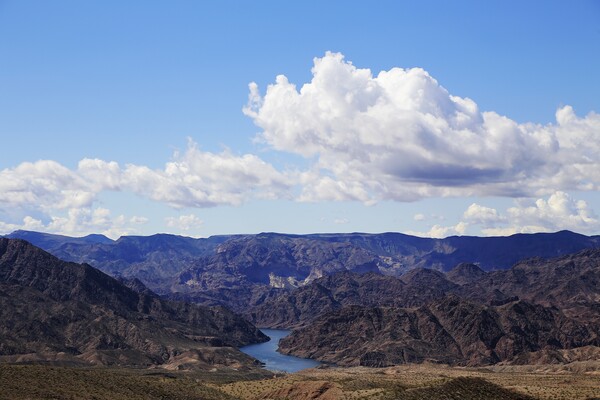
2026년 '워터 인 더 웨스트(Water in the West)’ 콘퍼런스 미국 서부 물 위기, 가뭄 심화 속 해결책에도 불구하고 거버넌스 구조와 정책 한계가 대응을 가로막고 있다는 지적이 제기됐다. [사진출처(Photo Source) = Pixabay]
2026년 ‘워터 인 더 웨스트(Water in the West)’ 콘퍼런스에서 전문가들은 미국 서부의 물미래를 위협하는 거버넌스 실패 문제를 집중 분석했다.
미국 서부 지역이 빠르게 건조화되고 있다. 지난 20여 년간 이어진 가뭄과 극심한 고온, 저수지 수위의 사상 최저 수준이 겹치며 전반적인 건조화가 가속화됐다. 특히 지난겨울은 서부 지역에서 관측 이래 가장 덥고 건조한 겨울 중 하나로 기록됐다. 이에 스키 등 겨울 스포츠 산업은 타격을 입었고, 물관리 당국은 여름철 물공급 차질에 대비하고 있다.
기후 변화 영향이 심화되면서 제한된 수자원을 관리하는 문제는 21세기를 규정짓는 핵심 과제로 부상하고 있다. ‘워터 인 더 웨스트’ 프로그램이 주최한 콘퍼런스에서 미국 서부 전역의 연구자와 정부 관계자, 물산업 리더들은 한 가지 메시지를 강조했다. 서부의 물위기는 단순한 기후 문제가 아니라 거버넌스 문제이기도 하다는 점이다. 이 문제를 해결하기 위해서는 과학기술 혁신뿐 아니라 새로운 정책 설계와 정치적 리더십이 함께 요구된다고 전문가들은 지적했다.
불투명한 물관리 체계
대규모 관개를 위해 자원을 공동으로 관리하도록 설립된 지역 수자원 지구는 현재 서부 지역 농업용수의 대부분을 통제하고 있으며, 지하수 규제에서도 역할이 확대되고 있다.
데이브 오언(Dave Owen) 캘리포니아대 로스쿨(University of California College of the Law) 샌프란시스코(San Francisco) 교수는 캘리포니아 센트럴밸리(Central Valley)의 모든 지하수 지속 가능성 기관 구조를 분석했다. 그 결과 상당수 지하수가 일반 유권자가 아닌 토지 소유주가 선출한 이사회에 의해 관리되고 있는 것으로 나타났다. 오언 교수는 이러한 구조로 인해 가뭄과 물부족에 가장 취약한 지역사회일수록 정치적 영향력이 제한되고 있다고 지적했다.
이 같은 구조는 가장 유망한 해결책조차 약화시킬 수 있다. 대수층을 보충하는 지하수 재충전은 점점 널리 활용되는 수단으로 자리 잡고 있다.
마이클 키파르스키(Michael Kiparsky) 캘리포니아대(University of California) 버클리(Berkeley) 연구자는 정책적 개입이 없을 경우, 지하수 재충전 사업이 대규모 토지 소유주와 기존 수자원 지구에 유리하게 작용해 지역사회 전체를 위한 역할을 저해할 수 있다고 분석했다.
또한 로즈메리 나이트(Rosemary Knight) 스탠퍼드대 도어 지속가능성대학(Doerr School of Sustainability) 지구물리학 교수는 보다 근본적인 문제를 지적했다. 연구팀이 샌호아킨밸리(San Joaquin Valley)에 구축 중인 센서 네트워크 분석 결과, 지하수 지속가능성 기관(Groundwater Sustainability Agency)의 경계가 실제 지하수 이동 경로를 제대로 반영하지 못하고 있는 것으로 나타났다.
책임성 부족은 인프라 기반 대응 노력도 약화시키고 있다. 캐리건 보크(Karrigan Bork) 캘리포니아대 데이비스(Davis) 교수는 개발업체가 댐을 건설하거나 가스정을 시추할 경우 습지 복원이나 어도 설치 등을 통해 환경 피해를 상쇄하도록 요구받는다고 설명했다.
그러나 이러한 보완 조치가 실패하더라도 개발업체는 이미 사업을 떠난 경우가 많다는 지적이다. 보크 교수는 한차례 폭풍으로 파괴된 산타폴라 크리크(Santa Paula Creek)의 어도 사례와 약속 이행률이 절반 수준에 그친 30년 된 캘리포니아 물협약을 예로 들었다.
이어 해결책으로 두 가지를 제시했다. 하나는 개발업체가 사전에 자금을 예치하도록 하는 재정적 보증 방식으로, 와이오밍(Wyoming)주의 한 천연가스 프로젝트에서 3천600만 달러 규모의 환경보전 기금을 조성한 사례를 들었다. 다른 하나는 환경 모니터링 데이터가 일정 기준에 도달할 경우 자동으로 대응 조치가 발동되는 조건부 규제다.
아울러 그는 현재 방식에 대해 “손 놓고 잘되기만을 바라는 것”이라며 “이것이 우리가 전통적으로 사용해 온 방식”이라고 꼬집었다.
해법으로서의 시장 메커니즘
콜로라도강(Colorado River)에서는 토착 어류의 90%가 이미 멸종됐거나 멸종위기 또는 위협 상태에 놓여 있으며, 이르면 2027년부터 의무적 물사용 감축 조치가 시행되거나 법적 분쟁으로 이어질 가능성이 제기되고 있다.
필립 웜블(Philip Womble) 워싱턴대(University of Washington) 연구자는 자발적 물시장, 즉 농가에 보상을 지급해 일정 기간 물을 하천에 남겨두는 방식이 강제 감축보다 낮은 비용으로 어류 서식지를 복원할 수 있다고 설명했다. 그의 모델링 분석에 따르면 물절약에 필요한 최소 비용보다 단 8%만 추가로 투자해도 생태적 효과는 거의 세 배까지 증가할 수 있는 것으로 나타났다.
샌프란시스코만(San Francisco Bay)에서는 데일리 워테마크(Daly Wettermark)와 시난 아비파라즈(Sinan Abi Farraj) 스탠퍼드대 연구진이 베이 지역 하수처리장 간 배출권 거래 시장을 도입할 경우 유해 질소 배출 저감 비용을 크게 낮출 수 있다는 분석을 제시했다.
이들이 제시한 모델에 따르면, 가장 효율적인 처리장이 더 많은 저감 작업을 수행하고 다른 시설에 배출권을 판매하도록 할 경우 비용을 약 40% 절감할 수 있는 것으로 나타났다. 이는 2022년 오클랜드(Oakland) 매릿 호수(Lake Merritt)에서 발생한 녹조 현상과 같은 문제를 줄이는 데 기여할 수 있다는 설명이다.
그러나 이들 시장은 모두 취약한 구조를 지니고 있다. 콜로라도에서는 절약된 물을 다른 이용자가 취수하지 못하도록 하는 법적 보호 장치가 시장의 성패를 좌우한다. 이러한 장치가 없을 경우, 어류 서식지 개선 측면에서 시장의 비용 효율성은 약 29% 떨어지는 것으로 분석됐다. 샌프란시스코만 지역에서는 상황이 더욱 불확실하다. 일부 하수처리장 3곳은 시장 형성을 기다리기보다 이미 약 10억 달러에 달하는 대출을 선택한 것으로 조사됐다.
향후 수십 년 동안 이미 과중한 부담을 안고 있는 수자원 시스템이 한계점에 도달할 수 있다는 우려가 제기된다. 논의 전반에 걸쳐 패널들이 공통적으로 던진 질문도 같았다. 해결책은 존재하지만, 거버넌스가 이를 따라갈 수 있느냐는 것이다.
[원문보기]
The American West's water crisis has a governance problem
Experts at the 2026 Water in the West conference examined the governance failures putting the West's water future at risk.
The American West is drying out. Over the past two decades, a relentless cycle of drought, scorching temperatures, and record-low reservoir levels has accelerated aridification across the region. This winter marked one of the hottest and driest on record in the Western U.S., leaving snowsport enthusiasts grieving and water managers bracing for a strained summer supply.
As climate impacts intensify, managing limited water resources has become one of the defining challenges of the century. At a conference hosted by Stanford’s Water in the West program, researchers, government officials, and water industry leaders from throughout the western U.S. emphasized a key message: the West’s water crisis is not only a climate problem, it’s also a governance problem. Solving it will require new policy design and political leadership as well as scientific innovation.
Murky waters
Water districts, the local agencies created to pool resources for large-scale irrigation, now control most of the water flowing to farms across the West and are increasingly in charge of groundwater regulation.
Dave Owen, professor at UC Law San Francisco, mapped the governance structure of every groundwater sustainability agency in California’s Central Valley, and found that much of the groundwater is now controlled by boards elected by landowners rather than voters at large. The result, Owen found, is a system that limits the political power of the communities most vulnerable to drought and limited water supply.
This dynamic can compromise even the most promising solutions. Replenishing aquifers through groundwater recharge is an increasingly popular tool. Michael Kiparsky of UC Berkeley found that without deliberate policy intervention, recharge projects may tend to benefit large landowners and established water districts, undermining their potential to serve broader community goals.
Rosemary Knight, professor of geophysics in the Doerr School of Sustainability, found a more fundamental problem: the sensor network her lab is deploying across the San Joaquin Valley reveals that GSA boundaries don't reflect how water actually moves underground.
Lack of accountability also undercuts infrastructure mitigation efforts. Karrigan Bork, professor at UC Davis, found that when developers build dams or drill gas wells, they’re required to offset the damage by restoring a wetland or building a fish ladder. But if that mitigation fails, the developer is often long gone.
Bork pointed to a fish ladder on Santa Paula Creek destroyed by a single storm, and a California water agreement 30 years old that has delivered only half of what it promised.
Two approaches, he argued, could change this: financial assurances that force developers to post money upfront — like a Wyoming natural gas project that created a $36 million mitigation fund — and contingent regulations that trigger mitigation responses when environmental monitoring data hits a set threshold. "Cross your fingers and hope," he said of the current approach, "is our more traditional method."
Markets as a solution
On the Colorado River, where 90% of native fish species are extinct, endangered, or threatened and where a new round of mandatory water cuts could be triggered — or litigated — as soon as 2027, Philip Womble of the University of Washington showed that voluntary water markets – paying farmers to temporarily leave water in the river – could restore fish habitat at lower cost than forced cutbacks. Spending just 8% more than the minimum needed to conserve water, his modeling found, could nearly triple ecological benefits.
In the San Francisco Bay, Stanford researchers Daly Wettermark and Sinan Abi Farraj showed that a trading market among Bay Area wastewater plants could cut the cost of reducing harmful nitrogen discharge, the kind that caused an algal bloom in Oakland’s Lake Merritt in 2022, by nearly 40% by letting the most efficient plants do more of the work and sell credits to the others.
But both of these markets are fragile. In Colorado, successful markets depend on legal protections that prevent other users from diverting conserved water – without them, markets are 29% less cost-effective at improving fish habitats. In the Bay, three wastewater plants have already taken out nearly $1 billion in loans rather than wait for a market that might never materialize.
Over the coming decades, an already overburdened water system could reach a breaking point. Throughout the discussions, the question hanging over the panelists was often the same – solutions exist, but can governance keep up?
[출처 = 스탠퍼드 우즈 환경연구소(Stanford Woods Institute for the Environment)(https://woods.stanford.edu/news/american-wests-water-crisis-has-governance-problem) / 2026년 4월 13일]
|  즐겨찾기 추가
 시작페이지로 설정
























