[우크라이나] 우크라이나 물안보, 주요 과제와 EU 통합에 따른 구조적 전환
유역 기반 통합 물관리 전환…수생태계 복원·지하수 고갈 대응 과제 부상
관개·배수 인프라 현대화 투자 확대…공공·경제 기능 분리로 투명성 강화
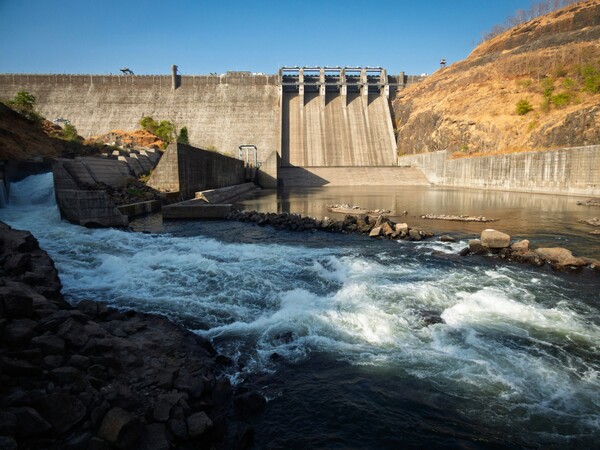
우크라이나가 유역 기반 통합 물관리 도입과 인프라 현대화를 통해 유럽연합(EU) 기준에 부합하는 물안보 체계 구축에 나섰다. [사진출처(Photo Source) = Pixabay]
물안보가 국가 정책의 핵심 분야로 부상하고 있다. 우크라이나는 물관리 개혁을 강화하는 한편, 유럽연합(EU) 기준에 맞춘 제도 정비와 전시 상황에서 발생한 새로운 과제 대응에 나서고 있다. 이 같은 내용은 올렉시 소볼레프(Oleksii Sobolev) 경제·환경·농업부 장관을 비롯해 전문가, 과학자, 시민사회, 의회 위원회 관계자들이 참여한 전문가 논의에서 주요 의제로 다뤄졌다.
논의의 핵심은 유역 원칙에 기반한 통합 수자원 관리로의 전환이다. 이 접근법은 하천과 수계 전체를 하나의 생태계로 간주하고 인간·경제·환경의 수요를 균형 있게 고려해 의사결정을 내리는 방식이다. 주요 과제로는 수생태계의 보전과 복원, 노후화된 물관리 인프라의 현대화, 그리고 남부 지역에서 심화되고 있는 지하수 고갈 문제가 제시됐다.
특히 물이용을 넘어, 수자원의 축적과 정화를 위한 자연적 기능을 회복하는 ‘생태계 기반 접근법’의 확대 적용이 중요 과제로 강조됐다. 이는 수자원의 장기적 지속가능성과 직결되는 사안으로, 이 같은 기반 없이는 농업·산업·지역사회 어느 분야도 안정적인 발전이 어렵다는 지적이다.
개혁의 핵심에는 물분야에서 공공 정책과 경제 활동을 명확히 분리하는 새로운 관리 모델 도입이 포함된다. 이 같은 접근은 유럽의 관행과도 부합하며, 정책 결정의 투명성을 높이고 자원 활용의 효율성을 제고하는 데 기여할 것으로 기대된다.
변화를 위한 실질적 수단 가운데 하나로는 관개와 배수 기능을 포함한 토지 개량 시스템 운영자 제도의 도입이 제시됐다. 이를 통해 노후화된 관개 및 수자원 조절 인프라의 현대화를 위한 투자 기회가 확대될 것으로 기대된다. 현재 관련 시설의 상당수는 노후화가 진행돼 전면적인 개선이 필요한 상태다.
소볼레프 장관은 “물정책은 더 이상 과거 방식에 머물 수 없다”며 “국내 수요뿐 아니라 명확한 유럽 통합 기준과 전시 상황의 도전에 기반해 재편돼야 한다”고 강조했다. 이어 “유역 원칙에 기반한 통합 수자원 관리를 도입하고, 유럽 법규에 부합하는 ‘양호한 수질 상태’를 달성하는 것이 최우선 과제”라며 “환경적 가치와 물이용자의 수요를 균형 있게 고려해야 하는 범부처적 사안”이라고 밝혔다.
논의 이후 참석자들은 협력을 지속하고 전문가 간 논의를 더욱 강화하기로 의견을 모았다. 물 분야 개혁은 단기간에 성과를 내기 어려운 과제로, 향후 수년간 경제의 지속가능성과 국민 삶의 질을 좌우할 구조적 전환이라는 점에서 중요성이 강조됐다.
[원문보기]
Ukraine’s Water Security: Key сhallenges and EU Integration transformations
Water security is becoming one of the key areas of state policy—Ukraine is stepping up water management reforms, aligning with EU standards and addressing new challenges posed by wartime conditions.
This was the focus of a professional discussion featuring Minister of Economy, Environment, and Agriculture Oleksii Sobolev, experts, scientists, the public, and representatives of parliamentary committees.
The focus is on the transition to integrated water resources management based on the basin principle. This approach treats rivers and water systems as single ecosystems, with decisions made to balance the needs of people, the economy, and the environment.
Key challenges include the conservation and restoration of aquatic ecosystems, the modernization of water management infrastructure, and the depletion of groundwater in southern regions.
Particular emphasis is placed on the broader application of ecosystem-based approaches, which allow not only for the use of water but also for the restoration of natural mechanisms for its accumulation and purification. This concerns the long-term sustainability of water resources, lacking which the development of neither the agricultural sector, nor industry, nor communities is possible.
An important part of the reform will be a new management model that clearly distinguishes between public policy and economic activity in the water sector. This approach aligns with European practice and enhances the transparency of decisions and the efficiency of resource use.
One of the practical tools for change should be the introduction of land reclamation system operators. This opens up opportunities for investment in the modernization of irrigation and water regulation infrastructure, much of which is currently worn out and in need of renewal.
“Water policy can no longer remain as it was before. Because it is based not only on our domestic needs, but also on clearly defined European integration requirements and the challenges of wartime. Our priority is to implement integrated water resources management based on the basin principle and achieve ‘good water status’ in accordance with European legislation. This is a cross-sectoral issue where we must balance environmental interests and the needs of water users,” emphasized Oleksii Sobolev.
Following the discussion, the parties agreed to continue their cooperation and strengthen expert dialogue, as water sector reform is not a quick fix but a systemic transformation that would determine the sustainability of the economy and quality of life for years to come.
[출처 = 우크라이나 정부(GOV UA)(https://www.kmu.gov.ua/en/news/vodna-bezpeka-ukrainy-kliuchovi-vyklyky-ta-ievrointehratsiini-zminy) / 2026년 4월 7일]
|  즐겨찾기 추가
 시작페이지로 설정
























