[미국] 뉴저지, 수돗물 ‘영원한 화학물질’ 기준 강화에 농도 감소
PFAS 규제 도입 후 수돗물 오염 농도 최대 55% 감소
규제 시행 전 선제 대응…오염 우물 폐쇄·정수 처리 효과 확인
국제학술지 『엔바이런먼트 인터내셔널(Environment International)』 3월호에 게재
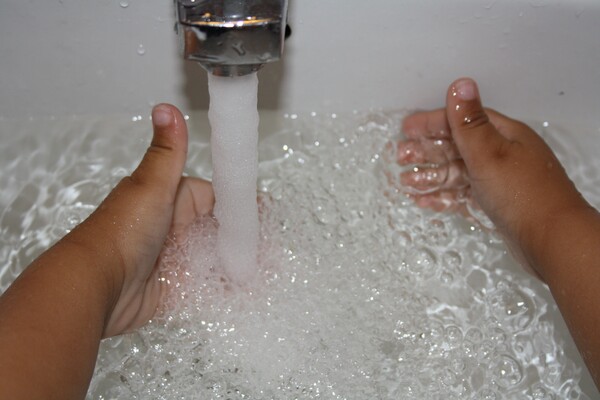
뉴저지주가 과불화·폴리플루오로알킬물질(PFAS) 음용수 기준을 도입한 이후 공공 수돗물 내 유해 ‘영원한 화학물질’ 농도가 최대 55% 감소한 것으로 나타났다. [사진출처(Photo Source) = Pixabay]
미국 뉴저지주의 공공 수돗물에서 검출된 유해 ‘영원한 화학물질’ 농도가 최대 55%까지 감소한 것으로 나타났다. 이는 뉴저지 전역의 19년간 모니터링 데이터를 분석한 러트거스 헬스(Rutgers Health) 연구진의 분석 결과다.
이번 연구 결과는 국제학술지 『엔바이런먼트 인터내셔널(Environment International)』에 '뉴저지 공공 수돗물에서 PFAS 최대 허용 기준 도입의 영향(Impact of regulatory actions to establish maximum contaminant levels on per- and polyfluoroalkyl substances in New Jersey public water systems)'이라는 제목으로 게재됐다.
아울러 이 연구는 주 차원의 과불화·폴리플루오로알킬물질(PFAS) 규제가 실제 오염 저감에 효과적인지를 평가한 초기 공식 분석 가운데 하나로 꼽힌다.
PFAS는 1940년대부터 논스틱 조리 기구, 방수, 의류, 소방용 거품 등 다양한 제품에 사용돼 온 수천 종의 합성 화학물질군이다. 분해되지 않고 인체에 축적되는 특성 때문에 ‘영원한 화학물질’로 불리며, 높은 콜레스테롤, 면역 기능 이상, 간 손상, 저체중 출산, 암 등과의 연관성이 제기돼 왔다. 2024년에는 국제암연구소(International Agency for Research on Cancer)가 대표적인 PFAS 물질인 과불화옥탄산(PFOA)을 인체 발암물질로 분류했다.
미국인의 약 99%에서 혈중 PFAS가 검출되는 것으로 추정되며, 수돗물 내 낮은 농도만으로도 혈중 농도가 음용수 농도의 100배 이상에 이를 수 있는 것으로 나타났다.
연구진은 이러한 농도가 초래하는 피해의 정확한 범위를 아직 규명하지는 못했지만, 주 정부 규제 당국은 2015년 해당 물질 농도 상한 도입 계획을 밝힌 데 이어 3년 뒤 처음으로 규제 기준을 시행했다.
이번 연구의 주저자인 하리 아이어(Hari Iyer)는 “이 기준이 도입된 지 거의 10년이 지났다는 점은 알고 있었다”며 “이 규제가 실제 수돗물 내 농도에 어떤 영향을 미쳤는지 확인하고자 했다”고 밝혔다.
하리 아이어는 러트거스대학교 로버트 우드 존슨 의과대학(Rutgers Robert Wood Johnson Medical School) 의학과 소속 암 역학자이자, 알더블유제이 바나바스 헬스(RWJBarnabas Health)와 함께 운영되는 뉴저지 유일의 국립암연구소(NCI) 지정 종합 암센터인 러트거스 암연구소(Rutgers Cancer Institute) 암 예방·관리 프로그램 소속 연구원이다.
아이어 연구팀은 PFOA, 과불화옥탄설폰산(PFOS), 과불화노나노산(PFNA) 등 3종의 PFAS에 대해 약 1만2천 건의 모니터링 결과를 분석했다. 대상은 주 전체 인구의 약 45%에 식수를 공급하는 47개 지역사회 수도 시스템이며, 분석 기간은 2006년부터 2025년까지다. 연구진은 중단 시계열 분석(interrupted time-series analysis)을 활용해 규제 시행 이후의 변화 추세를 정책 변화가 없었을 경우와 비교했다.
주 음용수 품질연구소(Drinking Water Quality Institute)는 해당 물질에 대한 최대 허용 기준을 권고한 이후 PFOA 농도는 55%, PFNA 농도는 50% 감소한 것으로 나타났다. 안전 기준을 초과한 수질 샘플 비율도 크게 줄었다. PFOA는 49%에서 15%로, PFNA는 24%에서 2%로 각각 감소했다.
이번 연구에서 주목할 만한 점은 규제가 법적으로 시행되기 전부터 수도 시스템이 선제적으로 대응에 나섰다는 점이다. 음용수 품질연구소가 기준을 권고하자, 각 수처리 기관은 오염된 우물을 폐쇄하고 입상활성탄(granular activated carbon) 여과 설비를 설치하는 등 규제 도입에 대비한 조치를 시작했다. 이에 따라 연구진은 실제 규제 시행 시점이 아닌, 해당 기준이 권고된 시점을 정책 개입 시점으로 설정해 분석했다.
예를 들어 뉴저지주 폴스보로(Paulsboro)에서는 2009년 공공 수돗물에서 높은 수준의 PFNA 오염이 검출됐지만, 해당 사실은 2013년에야 공개됐다. 이후 당국은 오염된 우물을 폐쇄했고, 2016년까지 정수 처리 설비를 도입해 PFNA 농도를 검출 불가능한 수준으로 낮췄다. 이는 주 정부가 최대 허용 기준을 공식 채택한 2018년보다 앞선 조치다.
아이어는 정부 측 동료들로부터 해당 연구의 필요성에 대한 의문이 제기되기도 했다고 말했다.
또한 그는 “규제를 도입하면 어떤 일이 벌어질지는 이미 알고 있다. 농도는 낮아질 것이다. 그건 어려운 일이 아니다”라며 “하지만 이러한 정책이 실제로 효과를 내고 있는지에 대해 사람들은 확인하길 원한다”고 말했다.
뉴저지주는 PFAS 음용수 기준을 법적으로 강제 가능한 형태로 처음 도입한 주로, 2018년 PFNA에 대한 최대 허용 기준을 설정한 데 이어 2020년에는 PFOA와 PFOS에 대한 기준도 추가했다.
이번 연구에는 몇 가지 한계도 있다. 분석 대상인 47개 수도 시스템은 대체로 규모가 크고 모니터링 기간이 길어, 오염 대응에 보다 적극적이었을 가능성이 있다. 또한 주 전체 주민의 약 11%는 이러한 규제 적용을 받지 않는 개인 우물에 의존하고 있다. 아울러 일부 규제 대상이 아닌 PFAS 물질의 농도는 오히려 증가한 정황도 확인됐다. 이는 제조업체들이 대체물질 사용 증가 가능성을 시사한다고 연구진은 설명했다.
아이어 연구팀은 현재 수질 데이터와 건강 결과 간의 연관성을 분석하는 후속 연구를 진행 중이다. 암 등록 자료를 활용해 PFAS 노출이 생존율 등 환자 예후에 어떤 영향을 미치는지 모델링하고 있다. 이와 별도로 러트거스 암연구소(Rutgers Cancer Institute)에서는 ‘REPEL’이라는 연구를 통해 전립선암 환자를 모집하고 있으며, 이들의 혈액과 수돗물에서 PFAS 농도를 측정하고 있다.
아이어는 “우리에게 해를 끼칠 수 있는 요인은 매우 많다”며 “가장 중요한 문제에 규제와 자원을 집중하고, 실제로 인간 건강을 개선할 수 있는 기준을 설정하는 것이 중요하다”고 말했다.
[원문보기]
How New Jersey’s Limits on “Forever Chemicals” in Tap Water Brought Levels Down
Levels of toxic “forever chemicals” in New Jersey’s public water systems dropped by as much as 55% after the state moved to limit the contaminants in drinking water, according to a Rutgers Health researcher who analyzed 19 years of monitoring data from throughout the state.
Their findings in Environment International represent one of the first formal evaluations of whether state-level regulations on per- and polyfluoroalkyl substances (PFAS) effectively reduce contamination.
PFAS are a class of thousands of synthetic chemicals used since the 1940s in nonstick cookware, waterproof clothing, firefighting foam and other products. Called forever chemicals because they resist breakdown and accumulate in the human body, PFAS have been linked to elevated cholesterol, immune dysfunction, liver damage, low birthweight and cancer. In 2024, the International Agency for Research on Cancer classified perfluorooctanoic acid (PFOA), one of the most studied PFAS, as carcinogenic to humans.
An estimated 99% of Americans have detectable PFAS in their blood, and even low concentrations in tap water can produce blood levels more than 100 times the drinking water concentration.
Although researchers have yet to establish the exact extent of the harms such levels produce, state regulators signaled plans to cap concentrations in 2015 and put the first limits in place three years later.
“We knew that these standards had been put in place, and it’s now been almost 10 years,” said Hari Iyer, a lead author of the study and a cancer epidemiologist in the Department of Medicine, Rutger Robert Wood Johnson Medical School and a member of the Cancer Prevention and Control Program at Rutgers Cancer Institute, New Jersey’s only National Cancer Institute-designated Comprehensive Cancer Center, together with RWJBarnabas Health. “We wanted to see: was there any impact of these regulations on the actual levels in the water?”
Iyer’s team analyzed about 12,000 monitoring results for three PFAS – PFOA, perfluorooctanesulfonic acid (PFOS) and perfluorononanoic acid (PFNA) – from 47 community water systems serving about 45% of the state’s population. The data spanned 2006 to 2025. Using interrupted time-series analysis, the researchers compared post-regulation trends with what would have occurred without the policy change.
PFOA levels fell by 55% and PFNA levels decreased by 50% after the state’s Drinking Water Quality Institute recommended maximum contaminant levels for those chemicals. The share of water samples exceeding safety limits dropped from 49% to 15% for PFOA and from 24% to 2% for PFNA. PFOS showed a more modest decline.
One of the study’s more notable findings was that water systems began acting before the regulations became binding. Once the Drinking Water Quality Institute recommended the limits, utilities started shutting down contaminated wells and installing granular activated carbon filtration in anticipation of the rules. The researchers used the recommendation date rather than the later adoption date as their policy intervention point.
In Paulsboro, N.J., for example, high PFNA contamination was detected in the public water supply in 2009 but not reported to the public until 2013. Officials then shut down contaminated wells, and by 2016, the town’s water system had installed treatment that reduced PFNA to undetectable levels, even though the state officially adopted maximum contaminant level limits in 2018.
Iyer said government colleagues initially questioned whether the study was necessary.
“They said, ‘We know what’s going to happen when you put regulations in place. The levels are going to drop. It’s not rocket science,” he said. “But I think people want to know if these policies are working.”
New Jersey was the first state to set an enforceable PFAS drinking water standard, adopting a maximum contaminant level for PFNA in 2018 and adding limits for PFOA and PFOS in 2020.
The study has limitations. The 47 water systems analyzed were generally larger, with longer monitoring histories, and may have been more aggressive about addressing contamination. About 11% of the state’s residents rely on private wells not covered by these regulations. And the researchers found evidence that levels of some unregulated PFAS increased, potentially reflecting chemical substitution by manufacturers.
Iyer’s team is now working to connect water-quality data to health outcomes, using cancer registry records to model how PFAS exposure may be associated with survival and other patient outcomes. A separate study at Rutgers Cancer Institute, called REPEL, is recruiting men with prostate cancer to measure PFAS in their blood and tap water.
“There are a lot of things in the world that can harm us,” Iyer said. “We want to make sure we’re focusing our regulations and our energy on the things that matter most and setting limits that actually improve human health.”
[출처 = 러트거스대학교(Rutgers University)(https://research.rutgers.edu/news/how-new-jerseys-limits-forever-chemicals-tap-water-brought-levels-down) / 2026년 3월 25일]
[연구논문 출처 = 『엔바이런먼트 인터내셔널(Environment International)』(https://www.sciencedirect.com/science/article/pii/S0160412026001376) / 2026년 3월]
|  즐겨찾기 추가
 시작페이지로 설정
























