[오세아니아] [2026] [호주] "수십년 정책·가격 좌우할 핵심 전환은 에너지 아닌 ‘물’ "
이름
관리자
작성일
2026-03-26
조회수
862
파일첨부
[호주] "수십년 정책·가격 좌우할 핵심 전환은 에너지 아닌 ‘물’ "
무상 환경 서비스 감소…물산업 구조 전환·투자 확대 본격화
요금 상승 불가피…영국·호주 대규모 투자에 소비자 부담 확대
호주 수자원서비스협회(WSAA)와 영국 ‘더 유케이 워터 리포트(TUKWR)’의 보고서 'Water in transition(변화하는 물)'서 제시
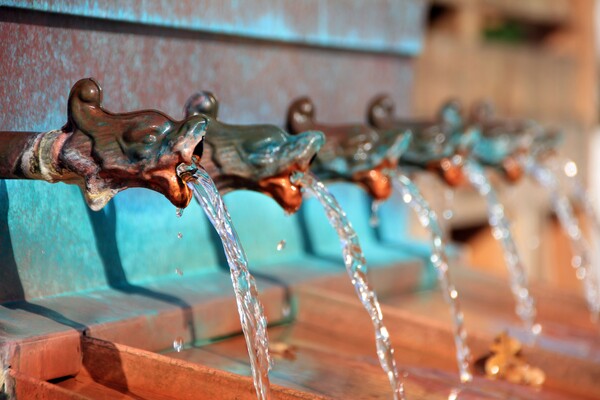
환경이 제공하던 ‘무상 물 서비스’ 감소로 글로벌 물산업이 구조적 전환기에 접어들며 투자 확대와 요금 인상이 불가피해지고 있다. [사진출처(Photo Source) = Pixabay]
환경이 오랫동안 글로벌 물산업에 무상으로 제공해 온 물·하수 ‘서비스’가 감소하고 있으며, 이를 유료 대안으로 대체해야 하는 상황이다. 이러한 구조적 변화는 최근 물분야 투자 확대의 배경이 되고 있으며, 장기적으로 물이용자들의 요금 인상 부담이 불가피할 것으로 보인다.
이 같은 내용은 호주와 뉴질랜드 물유틸리티를 대표하는 기관인 호주 수자원서비스협회(Water Services Association of Australia, WSAA)와 영국의 물 정책·규제·금융을 전문적으로 다루는 매체 ‘더 유케이 워터 리포트(The UK Water Report, TUKWR)’의 보고서 'Water in transition(변화하는 물)'에서 제시됐다.
WSAA와 TUKWR은 호주·뉴질랜드, 잉글랜드·웨일스 사례를 근거로 글로벌 물산업이 에너지 전환에 준하는 중대한 변화를 겪고 있다고 분석했다. 화석연료 기반 에너지 시스템이 재생에너지 중심의 저탄소 구조로 전환되는 것처럼, 물시스템 역시 지속가능성·효율성·순환성을 강화하는 방향으로 재편되고 있다.
또한 온실가스를 대기 중에 무상으로 배출할 수 없게 된 것처럼, 수자원 환경 역시 더 이상 무상으로 자원을 취하거나 낮은 비용으로 폐수를 방류하기 어려운 구조가 됐다고 지적했다.
애덤 러벨(Adam Lovell) WSAA 사무총장은 “전 세계적으로 자연 유역에 대한 의존은 줄어들고, 인공적으로 생산된 물로의 전환이 진행되고 있다”며 “하천과 해변이 지역사회의 하수를 더 이상 감당할 수 있는 한계에 이르면서 하수 처리 수준을 한층 강화할 필요성이 커지고 있다”고 말했다. 이어 “하수 처리 과정에서 발생하는 바이오솔리드(biosolids)의 관리 방안을 둘러싼 논의도 활발히 이뤄지고 있다”고 덧붙였다.
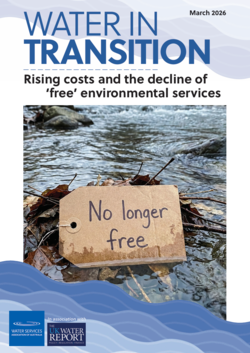
호주 수자원서비스협회(WSAA)와 영국 전문 매체 ‘더 유케이 워터 리포트(TUKWR)'가 공동으로 개발·발표한 보고서 ‘Water in Transition(변화하는 물)’ 표지. [사진출처(Photo Source) = Water in Transition(변화하는 물)]
보고서는 “에너지 산업이 근본적인 전환을 겪고 있는 것처럼, 물산업 역시 구조적 전환기에 있다”며 “물산업 변화의 근본적인 동인은 산업에 ‘무상’ 투입물이나 서비스를 제공해 온 환경에 대한 의존이 줄어들고 있다는 점”이라고 밝혔다.
또한 “물산업은 현재 인프라와 관리, 소비 전반에 걸친 시스템적 변화에 대한 투자를 확대하고 있다”고 설명했다.
크리스토퍼 개슨(Christopher Gasson) TUKWR 발행인이자 모회사 글로벌 워터 인텔리전스(Global Water Intelligence) 대표는 “이번 보고서는 호주와 영국의 상황에 초점을 맞추고 있지만, 이는 전 세계적으로 공통된 현상”이라고 말했다.
그는 “미국 남서부 지역에서는 1922년 콜로라도강(Colorado River)에서 할당받은 ‘무상 물’의 29%가 더 이상 존재하지 않는 현실에 직면해 있으며, 유럽연합(EU)은 대다수 사람이 이름조차 생소한 화학물질인 트리플루오로아세트산(trifluoroacetic acid)을 식수에서 제거하기 위해 연간 100억 유로(약 17조 원) 지출을 검토하고 있다”고 설명했다.
또한 “케이프타운(Cape Town)과 다카르(Dakar) 같은 아프리카 도시들은 신규 해수담수화 설비에 투자하고 있다”며 “전 세계적으로 자연이 더 이상 우리에게 ‘공짜 물’을 제공하지 않는다는 사실을 인식하기 시작했다”고 강조했다.
환경이 제공해온 ‘무상 서비스’의 감소는 중대한 전환점으로, 글로벌 물산업을 지속적인 투자 확대와 요금 상승 경로로 이끌고 있다. 호주와 잉글랜드·웨일스에서는 최근 요금 결정 이전까지 약 10년간 요금이 거의 변동 없이 유지돼 왔다.
그러나 잉글랜드·웨일스는 2025~2030년 동안 물 분야에 1천40억 파운드(약 208조 원)를 투입해 2020~2025년 대비 71% 더 많은 투자를 진행할 계획이며, 이에 따라 평균 요금도 36% 인상될 전망이다.
호주 역시 향후 10년간 1천200억 호주달러(약 125조 원)를 투자할 예정으로, 이용자들도 유사한 수준의 요금 인상을 겪게 될 것으로 보인다. 대표적으로 시드니(Sydney)에서는 5년간 요금이 35% 상승할 전망이다.
양국의 향후 전망에 따르면 현재의 높은 투자 수준과 요금은 단기간에 그치지 않고 지속될 뿐 아니라, 앞으로 추가적인 상승이 불가피할 것으로 예상된다.
개슨 대표는 “재생에너지의 낮은 비용을 통해 결국 자체적인 비용 회수가 가능한 에너지 전환과 달리, 물전환은 추가적인 비용만을 수반한다”며 “다만 이번 보고서는 단순히 향후 물서비스 비용 상승을 경고하는 데 그치지 않는다”고 말했다.
이어 그는 “물요금은 단순히 낭비되는 비용이 아니라 미래를 위한 투자”라며 “이는 미래 세대가 살기 좋은 도시와 풍요로운 자연, 지속적인 경제 성장을 누릴 수 있도록 하는 스마트하고 친환경적이며 유연한 인프라에 대한 투자”라고 강조했다.
아울러 “이 같은 투자를 하지 않을 경우 향후 물위기의 규모와 영향 측면에서 더 큰 비용이 발생할 뿐 아니라, 삶의 질 측면에서도 훨씬 더 열악한 결과를 초래할 것”이라고 덧붙였다.
보고서 ‘물 전환기–상승하는 비용과 무상 환경 서비스의 감소(Water in transition – Rising costs and the decline of free environmental services)’의 의미를 언급하며, 러벨은 “현재 진행 중인 근본적인 전환에 대한 충분한 이해 없이 정책을 수립할 경우, 정책 결정자들은 잘못된 결론을 내리고 산업에 부적절한 정책을 설정할 위험이 있다”고 밝혔다.
[원문보기]
The transition that will drive policy and prices for decades. No, not energy water.
Water and wastewater ‘services’ that the environment has long provided to the global water industry for free are in decline, and need to be replaced by paid-for alternatives. This fundamental shift underpins recent increases in water investment, and means water consumers need to prepare for higher water bills for the long-term.
That’s according to a report from the Water Services Association of Australia (WSAA), the peak body for water utilities in Australia and New Zealand, and The UK Water Report (TUKWR), a specialist publication focusing on UK water policy, regulation and finance.
WSAA and TUKWR draw evidence from Australia and New Zealand, and England and Wales, to contend that the global water industry is undergoing a major transition akin to the energy transition.
Water systems are changing to become sustainable, efficient and circular, as the fossil-based energy system is giving way to renewable, low carbon sources. As the air environment can no longer be used as a free disposal route for greenhouse gas emissions, the water environment can no longer be used to draw free resources from or to discharge waste to at minimal cost.
Adam Lovell, Executive Director at WSAA, said: “Globally, we are seeing less reliance on natural catchments and moves to manufactured water. We are seeing the need to treat wastewater to higher levels because rivers and beaches have reached their capacity to absorb the community’s wastewater. And across the globe, we are having discussions on the best way to manage biosolids from wastewater treatment.
“Just as the energy industry is in a fundamental transition, so is the water industry. The underlying driver of change in the water industry is the reduced reliance on the environment to provide ‘free’ inputs or services to industry. The sector is now investing in systemic changes in infrastructure, management and consumption.”
Christopher Gasson, Publisher of TUKWR and its parent Global Water Intelligence, said: “Although this report focuses on the situation in Australia and the UK, it is a common theme throughout the world. Whether it is the states in the US South West wrestling with the fact that 29% of the free water they were allocated from the Colorado River in 1922 no longer exists, the European Union contemplating spending €10 billion a year to remove a chemical few people have ever heard of (trifluoroacetic acid) out of drinking water, or African cities like Cape Town and Dakar investing in new desalination plants, people all over the world are discovering that nature no longer owes us a free drink.”
The decline of free environmental services is a landmark point of change, and sets the global water industry on a path to sustained higher investment and bills. In Australia and England and Wales, charges were flat for the decade before the latest price determinations.
Now, England and Wales will spend 71% more on water in 2025-30 (£104bn) than in 2020-25, pushing average bills up by 36%. Australia is set to invest AU$120bn over the next ten years, and Australian customers are facing similar price increases. In Sydney, for instance, bills will rise 35% over five years.
Forward projections in both countries suggest that today’s elevated level of investment and bills will not only be sustained, but will need to increase further.
Mr Gasson commented: “Unlike the energy transition, which will eventually pay for itself through low cost renewable energy, the water transition only brings additional costs. But this report is not just about warning the public that water services will cost more in the future. Water bills are not money down the drain.”
“They represent an investment in the future: an investment in the smart, green, flexible infrastructure that will ensure that future generations will find our cities liveable, nature flourishing, and the economy growing. The alternative is not just more expensive in terms of the scale and impact of future water crises. It is also much more unpleasant in terms the quality of life.”
Reflecting on the significance of the report, Water in transition – Rising costs and the decline of free environmental services, Mr Lovell added: “Without a detailed understanding of the fundamental transition underway, policy makers risk drawing the wrong conclusions and creating the wrong policy settings for the industry.”
 즐겨찾기 추가
 시작페이지로 설정